IVIG for Lambert-Eaton Myasthenic Syndrome

Lambert-Eaton myasthenic syndrome (LEMS) is a rare autoimmune disorder that affects 2.8 million individuals worldwide. In the U.S., around 400 individuals are diagnosed with LEMS. 

Consult an IVIG Specialist

The Best IVIG Home Infusion
(877) 778-0318

LEMS is a rare autoimmune neuromuscular junction disorder caused by an immune attack. The immune-mediated damage at the neuromuscular junction impairs the signal transmission between your nerves and the voluntary muscles and causes muscle weakness, fatigue, and a range of other symptoms. 

Several case reports and randomized controlled trials have shown the beneficial effects of IVIG therapy in patients with LEMS. LEMS patients experience significant muscle improvement after receiving IVIG treatment as a first-line treatment. 

This article discusses the role of the immune system in causing LEMS and how IVIG therapy can help.

How Does the Immune System Cause LEMS?

Generally, when a healthy individual wants to perform an activity, their brain sends signals to muscles via nerves. Communication between the nerves and muscles takes place with the help of acetylcholine (a chemical that tells your muscles to contract), which is released upon the activation of voltage-gated calcium channels (VGCC) at the end of nerve endings.

So, when the voltage-gated calcium channels (VGCC) are activated, acetylcholine is released from the nerve endings and binds to receptors on the muscle fiber to cause muscle contraction. 

Immune System and Lambert-Eaton Myasthenic Syndrome (LEMS)

Individuals with Lambert-Eaton myasthenic syndrome (LEMS) have auto-antibodies (antibodies produced by the immune system against healthy cells) that block these calcium channels on nerve endings. As a result, less acetylcholine released from the nerves is insufficient to cause normal muscle contraction. 

How IVIG Therapy Can Help People With Lambert-Eaton Myasthenic Syndrome

IVIG therapy is considered a first-line treatment for LEMS in people with refractory patterns of weakness or when traditional therapy does not work well. For example, a case report of a 34-year-old woman with progressive limb weakness who received IVIG treatment showed improvement in muscle strength. 

Similarly, according to another case report, a 65-year-old woman with small cell lung cancer who had profound and progressive lower extremity weakness experienced improvement in muscle strength after 3 weeks of IVIG treatment. 

Though the exact mechanism of IVIG is not clear, researchers believe that IVIG can help relieve symptoms of LEMS through several related mechanisms, which are as follows:

It Neutralizes the Effects of Autoantibodies

In patients with LEMS, autoantibodies produced by the immune system primarily block the voltage-gated calcium channels to prevent the release of acetylcholine. As a result, muscles do not contract properly. 

IVIG therapy works to neutralize the effect of these auto-antibodies in LEMS patients. IVIG blocks the autoantibodies from binding to the voltage-gated calcium channels. This helps to improve muscle function in LEMS patients. 

It Inhibits the Autoantibodies-Producing Cells

B-cells, which generally produce normal healthy antibodies when overactive, start producing autoantibodies. 

IVIG therapy suppresses the activity of B-cells and prevents the production of autoantibodies. This reduces the level of autoantibodies in the serum and improves muscle strength in LEMS

It Reduces Secondary Inflammation

The anti-inflammatory properties of IVIG therapy help to reduce any secondary inflammation that may arise in LEMS patients during autoimmune attacks. 

Get IVIG Copay Assistance

Speak to a Specialist
Schedule a Consultation

How Is IVIG Therapy Given to Patients With IVIG for Lambert-Eaton Myasthenic Syndrome?

A woman in a chair receiving IVIG for LEMS

Patients with Lambert-Eaton myasthenic syndrome (LEMS) receive IVIG therapy when they have a refractory form of LEMS. It is given as an intravenous infusion with a recommended dose of 2 g/kg over 2 to 5 days. Ongoing infusions are determined by the practitioner based on the patient’s response to treatment. 

IVIG can take 2 to 4 weeks to improve weakness. 

Is IVIG Used as a Short-Term Treatment for LEMS?

Studies show that  IVIG therapy can be used as a short and long-term treatment in patients with LEMS, especially when immunosuppressive drugs are not effective. 

Furthermore, patients may experience various IVIG-associated side effects such as nausea, headache, or rare clotting during the course of treatment. Therefore, it is recommended to consult a healthcare provider if symptoms persist or worsen. 

Summary

IVIG therapy is used to treat rapidly progressive symptoms of Lambert-Eaton myasthenic syndrome (LEMS). In patients with LEMS, IVIG neutralizes autoantibodies attacking the nerve endings and inhibits the activity of autoreactive B-cells. Through immune system modulation, IVIG helps to reduce the severity of symptoms and improves muscle strength in patients with LEMS.

Understanding Nuwiq: Uses, Dosage, and Side Effects for Hemophilia A Patients

Nuwiq is an FDA-approved product used to treat and control bleeding episodes in children and adults living with hemophilia A. People with hemophilia A have trouble controlling bleeding following injury or surgery; some may have spontaneous bleeding. 

Speak to a Specialist

About Copay Assistance
(877) 778-0318

What Is Nuwiq?

Nuwiq is a brand-name prescription medication. 

The active drug in this product is recombinant clotting factor VIII (rFVIII). rFVIII is also known as recombinant antihemophilic factor. It’s in a class of medicines called antihemophilic factors. The term “recombinant” means Nuwiq is made in a lab using recombinant DNA technology. 

Little or no clotting factor VIII is present in the blood of people with hemophilia A. Because clotting factor VIII is essential for clot formation, its deficiency or absence can lead to potentially fatal spontaneous internal bleeding. 

Mild hemophilia A may cause trouble controlling bleeding following injury or surgery. 

The US FDA initially approved Nuwiq to treat and control bleeding episodes in children and adults with hemophilia A in 2015. 

This medication works by replacing factor VIII in people living with hemophilia A. 

What Is Nuwiq Used To Treat?

The US FDA has approved Nuwiq for use in children and adults to:

  • Control and treat bleeding episodes.
  • Prevent bleeding during surgery.
  • Reduce the frequency of bleeding episodes.

This product shouldn’t be used to treat another type of bleeding disorder called von Willebrand disease.

What Should You Know Before Using Nuwiq?

Tell your provider if you have ever had inhibitors to factor VIII. 

How Is Nuwiq Supplied and Used?

This medicine comes as a white, sterile powder for intravenous infusion in single-use vials. The following strengths (measured in international units/IU) are available in the US:

  • 250 IU
  • 500 IU
  • 1,000 IU
  • 1,500 IU
  • 2,000 IU
  • 2,500 IU
  • 3,000 IU
  • 4,000 IU

One IU, in this medication, measures the amount of clotting factor VIII that is approximately equal to the level of factor VIII activity in 1 ml of human plasma. 

Proper Use

Your provider will perform a blood test to determine if this medication best suits your needs. 

Before giving you Nuwiq as an infusion into your vein, your provider will calculate the dose using specific formulas. Then, they will prepare the solution for intravenous injection following instructions on the package. 

Factors that determine the dose and duration of treatment include:

  • Severity of factor VIII deficiency
  • Location and severity of bleeding
  • Your body weight and overall health
  • Desired factor VIII level
  • Condition being treated

Get Financial Assistance

Schedule a Consultation

What Are the Side Effects of Nuwiq?

Man experiencing headache as a side effect of Nuwiq

Common Side Effects

  • Upper or lower respiratory tract infection
  • Headache
  • Fever
  • Cough
  • Inflammation in the nose or throat
  • Chills
  • Abdominal pain
  • Joint pain
  • Anemia
  • Pain, swelling, itching, or redness at the injection site

Allergic Reactions

Some users may develop allergic reactions. Get emergency medical care if you have:

  • Dizziness
  • Loss of consciousness
  • Difficulty breathing
  • Wheezing
  • Chest tightness
  • Swelling of lips and tongue
  • Rash
  • Hives
  • Fast heartbeat
  • Cold sweats

Serious Side Effects

Call your provider immediately if you have:

  • Increased bleeding episodes
  • Any bleeding that will not stop
  • Chest pain
  • A feeling like you might faint

Development of Inhibitors

Antibodies (proteins) that make Nuwiq less effective may form in some users. These proteins, also known as inhibitors, neutralize factor VIII. Inhibitors can make it hard to stop bleeding episodes. 

You will be monitored for factor VIII activity and the development of inhibitors. If you develop inhibitors, you’ll need special treatment until your body no longer produces them. 

Who Shouldn’t Receive Nuwiq?

You shouldn’t use this medication if you have ever had a severe allergic reaction to this product or product components. 

Use in Pregnancy and Lactation

There are no human or animal data for use in pregnant women. Likewise, it’s unclear if this medicine is present in breast milk or if it harms the breastfed infant. Tell your provider if you are pregnant or nursing a child. 

Speak to a Specialist

(877) 778-0318

Can You Self-Administer Nuwiq?

You may self-administer this medication if you have been trained to do so by your provider. Appropriate training is also available at hemophilia treatment centers. 

Find the guidelines for mixing and infusing Nuwiq here.

Before a self-infusion, remember the following:

  • Use Nuwiq exactly as instructed. 
  • Follow all directions on the prescription label. 
  • Never use this medication in a quantity or duration other than what is recommended. 
  • Check the strength of the product on the label. 
  • Never self-administer if you aren’t clear about how to use the injection.
  • Always use sterile water and a reconstitution device (available with the product) to prepare the liquid for injection. 
  • Don’t refrigerate the solution after mixing. 
  • Use the solution within 3 hours after mixing.
  • Before infusing the liquid, visually check the solution for particles. It should be clear and colorless; no visible particles should be there. 
  • Never use a cloudy solution. 
  • A single-use vial, as the name suggests, is for one use only. 
  • Put all the devices and Nuwiq in a puncture-proof sharps container before disposing. Never dispose of any of them in ordinary household trash.
  • Your provider may order frequent blood tests to check if the treatment is working or if you need to change your doses.

Nuwiq Storage

  • Store Nuwiq in the original container to protect it from sunlight. 
  • Do not freeze this product.
  • You may store it in the refrigerator for up to 24 months at 36°F to 46°F. 
  • You may store it at room temperature (up to 77°F) for a single period of not more than 90 days (note the date when you removed the medication from the refrigerator). 
  • After 90 days of storage at room temperature, use or discard the product. Never store it back in the refrigerator.
  • Don’t use it after the expiration date. You can find the expiration date printed on the vial.

What Happens if I Miss a Dose?

There may be no dosing schedule because you use this medicine when needed. That said, if you follow a schedule, take the missed dose as soon as you can after you remember. Skip the missed dose if it’s closer to the time for the next scheduled dose. Never use an additional dose to compensate for the missed one.

What Happens if I Overdose?

Seek emergency medical attention or call the Poison Help line at 1-800-222-1222.

Nuwiq vs. Advate: What’s the Difference?

Both products are FDA-approved to treat and control bleeding episodes in people with hemophilia A. Likewise, both are made using DNA recombinant technology. However, Nuwiq is a human cell line-derived recombinant factor VIII, while Advate is derived from a hamster cell line. 

How Much Does Nuwiq Cost?

Cost can vary depending on your insurance plan, geographical location, and pharmacy. Contact your insurance provider to find out if your plan covers this medicine or if you need prior authorization.
Octapharma, which makes Nuwiq, provides patient support to eligible patients through its NUWIQ Co-Pay & Reimbursement Assistance Program. Contact us if you are interested in exploring financial assistance for Nuwiq.

Soliris: A Complete Overview of Its Uses, Side Effects, and Cost

Soliris is an FDA-approved medication used to treat certain blood and nerve disorders. Learn about its mechanism of action, side effects, and cost. Also, find answers to the most frequently asked questions about this medication. 

Most Important Information To Know About Soliris

Soliris may make you more likely to get a meningococcal infection during and after treatment. Meningococcal infections may turn fatal if you don’t get timely treatment. 

Get emergency medical care if you have:

  • Headache with nausea or vomiting
  • Stiff neck or back
  • Fever (103°F or higher)
  • Rash and fever
  • Confusion
  • Muscle aches
  • Flu-like symptoms
  • Increased sensitivity to light

You must receive a meningococcal vaccine at least 14 days before the first infusion. If you haven’t received a meningococcal vaccine and treatment must be started immediately, your provider will give you antibiotics and give you the vaccination as soon as possible. 

You will get a Patient Safety Card. Carry the card with you at all times while receiving Soliris and for 3 months after the last infusion. 

This medication is available under a restricted program called Ultomiris and Soliris Risk Evaluation and Mitigation Strategy (REMS). You and your prescriber must register for the program. Also, you should receive information about the risks and benefits of this medication as well as counseling regarding the signs and symptoms of a serious meningococcal infection.

What Is Soliris?

Soliris is a brand-name prescription medication. The active substance in this product is eculizumab, which is a member of a class of drugs called monoclonal antibodies (mAbs). 

Monoclonal antibodies are lab-created molecules. They can suppress, mimic, or enhance your immune response. 

What Is Soliris Used To Treat?

The US FDA has approved Soliris injection to: 

  • Reduce the breakdown of red blood cells in adults with paroxysmal nocturnal hemoglobinuria (PNH). PNH is a rare condition in which a part of your immune system damages your red blood cells and platelets. 
  • Treat atypical hemolytic uremic syndrome (aHUS). In people with aHUS, small blood clots form in the blood vessels, reducing blood flow to the vital organs. 
  • Treat myasthenia gravis in adults who are anti-acetylcholine receptor (AchR) antibody positive.
  • Treat neuromyelitis optica spectrum disorder (NMOSD) in adults. NMOSD occurs when your immune system attacks the nerves that connect the retina (a light-sensitive layer at the back of your eye) with the brain and those in the spinal cord. 

How Does Soliris Work? 

For people with PNH, Soliris blocks the part of the immune system that damages blood cells, and in aHUS, Soliris blocks the part of the immune system that causes small blood clots to form.

The mechanism of action in myasthenia gravis and NMOSD is currently unknown.

How Is Soliris Supplied and Used?

Arm of a woman receiving Soliris via IV

This medication is available as a solution in a single-dose vial. Each vial holds 30 ml liquid, which contains 300 mg of the active drug. This medicine is given by intravenous infusion. 

Your provider will administer this medication into your vein using an intravenous (IV) line. The infusion typically lasts 35 minutes in adults and 1 to 4 hours in children. 

In adults, an infusion is administered weekly for 5 weeks, then every 2 weeks. The frequency of infusion in people younger than 18 depends on their age and body weight. 

After each infusion, your provider will monitor you for at least 1 hour. Your provider may lower the infusion rate or stop treatment if you have an infusion-related reaction during the infusion. 

If you have PNH, your provider will monitor you for at least 8 weeks after stopping the infusion. 

If you have aHUS, your provider will monitor you for at least 12 weeks after stopping the infusion. 

What Should You Know Before Taking Soliris?

Before receiving your first infusion, inform your provider if you:

  • Have an infection or fever.
  • Are pregnant or plan to get pregnant. It is unknown if this medicine will harm a baby in the womb.
  • Are breastfeeding or plan to breastfeed. It is unknown if this medication passes into your breast milk.

Who Shouldn’t Get This Medication?

Anyone with a serious meningococcal infection when starting treatment shouldn’t get Soliris.

Soliris Side Effects

Serious Side Effects

Serious infusion-related reactions may occur during an infusion. Tell your provider or nurse immediately if you have:

  • Chest pain
  • Difficulty breathing or shortness of breath
  • Swelling of the face, tongue, or throat
  • A feeling like you might faint 

Seek emergency medical attention if any of the symptoms of meningitis occur:

  • Headache with nausea or vomiting
  • Fever
  • Stiff neck or back
  • Fever (103°F or higher)
  • Rash and fever
  • Confusion
  • Muscle aches
  • Flu-like symptoms
  • Increased sensitivity to light

Common Side Effects

  • Headache
  • Pain or swelling of the nose or throat
  • Back pain
  • Nausea or vomiting
  • Diarrhea
  • Common cold symptoms
  • Elevated blood pressure
  • Anemia
  • Cough
  • Muscle and joint pain
  • Dizziness
  • Bruising
  • Throat irritation
  • Flu-like symptoms, such as fever, headache, tiredness, cough, scratchy throat, and body aches

How Much Does Soliris Cost?

Cost can vary depending on your insurance plan, location, and pharmacy. Contact your insurance provider to determine if your plan covers this medication or if you need prior authorization.

For cash payers, the cost is about $6,878 for a supply of 30 ml. 

Alexion Pharmaceuticals (which makes Soliris) may help eligible patients pay for infusion costs through its Alexion OneSourceTM CoPay Program. Contact us if you are interested in exploring financial assistance options for Soliris.

Frequently Asked Questions

  1. When was Soliris approved?

The US FDA first approved Soliris in 2007. 

  1. What are alternatives to Soliris?

In May 2024, the US FDA approved Bkemv (eculizumab-aeeb) as the first interchangeable biosimilar to Soliris to treat PNH and aHUS. 

  1. Soliris vs. Ultomiris: What are the differences?

The active drug in Soliris is eculizumab, while in Ultomiris, it is ravulizumab. Both are monoclonal antibodies. But Ultomiris has a longer half-life, meaning it stays in your system longer and requires less frequent dosing.

Lifestyle Changes That Make Living with Hemophilia Easier

  • Understanding hemophilia and recognizing bleeding risks are essential for effective management and reducing complications.
  • Emotional support through therapy, support groups, and open communication with loved ones enhances mental well-being and resilience in those living with hemophilia.
  • Physical safety measures and social strategies can help make life with hemophilia easier.
  • Proactive planning for emergencies, diet, and lifestyle adjustments can improve the overall quality of life for individuals with hemophilia.

Hemophilia is an inherited (genetic) bleeding disorder in which blood clots cannot form due to a deficiency in clotting factors. Living with hemophilia can be challenging because it requires lifelong treatment and monitoring.

Patients have to be mindful of their lifestyle and daily activities in order to prevent bleeding. Hemophilia can also influence a patient’s mental health. In addition to medical care, patients should seek emotional support when needed.

In this article, we will guide you on how to improve your quality of life with hemophilia. We will discuss management strategies and health tips to help make life with hemophilia easier.

Get Financial Assistance

Copay Assistance
(877) 778-0318

Emotional Tips

Living with hemophilia can be restrictive. Patients may not be able to attend or perform certain activities due to the increased risk of bleeding.

This inability can have negative effects on one’s psychological health and cause feelings of sadness, anxiety, or anger.

Here are some strategies to help patients manage their psychological and emotional health.

Consult a Licensed Therapist

A licensed therapist can provide a safe space to express your emotions as well as learn strategies to cope with stress and develop resilience.

Your therapist will listen to your concerns and offer tips for managing anxiety and frustration to alleviate the emotional stress of living with hemophilia.

With the help of a therapist, you’ll have a more positive outlook on life with hemophilia. Regular sessions will empower you to face challenges with confidence and maintain the emotional balance you need to manage your condition.

Meditate

Meditation is one of the most powerful tools to promote relaxation and foster emotional stability. It can help calm your mind and reduce feelings of sadness while dealing with the disease.

Below is a step-by-step guide on how you can practice meditation:

  • Find a quiet, comfortable place.
  • Sit or lie down in a relaxed position.
  • Close your eyes and take slow, deep breaths.
  • Focus on your breath, feeling the air enter and leave your body.
  • If your mind wanders, gently bring your attention back to your breath.
  • Practice for 5 – 10 minutes daily to experience the benefits of meditation while living with hemophilia.

Understand the Disease

One of the most fundamental steps you must take to improve your quality of life with hemophilia is to understand the disease. Understanding hemophilia can reduce feelings of uncertainty and help you make more informed decisions about your healthcare.

Key areas to understand include:

Advocate for Others

Living with hemophilia is challenging. Other people are going through this experience who can benefit from your insights. Working on projects that promote advocacy and support for hemophilia can create a sense of purpose.

You can participate in awareness campaigns or volunteer with hemophilia organizations to help others navigate life with hemophilia. Your voice can inspire change, empower those living with this disease, and foster a supportive environment for all affected individuals.

Confide in Loved Ones

Sharing your feelings with trusted friends or family members can provide emotional relief and strengthen your support network. Opening up about your fears, frustrations, or successes while living with hemophilia can reduce feelings of isolation.

Loved ones can offer comfort, provide practical assistance, and lend a listening ear. Don’t be shy to open up. Honest communication can make this journey less lonely and more manageable.

Join Support Groups

Participating in hemophilia support groups connects you with others who understand what you’re experiencing. These groups offer a safe space to discuss challenges and learn coping strategies from peers.

Being part of a community reinforces that you are not alone. Collective encouragement can empower you and help you face daily life with hemophilia more positively.

We encourage patients living with hemophilia to try to find a solution that fits their needs and personality. If one method fails, you should always try another.

Get Copay Assistance Now

Learn More

Physical Tips

To minimize hemophilia risks and effects, patients should always prioritize their health. It is important to actively take care of your body and physical health, as this can also benefit your mental health.

Here are some physical considerations to improve your quality of life with hemophilia.

Recognize Emergencies

It is best to be mindful of minor, mild, and severe injuries. Those living with hemophilia should be educated on when to contact their healthcare providers and how to recognize emergencies.

Signs of an emergency include:

  • Excessive or uncontrollable bleeding that doesn’t stop after applying pressure for 10 minutes
  • Severe pain or swelling around a joint or muscle
  • Signs of internal bleeding, such as abdominal pain, vomiting blood, or blood in stool or urine
  • Sudden weakness, numbness, or difficulty moving limbs
  • Signs of shock, such as pale, clammy skin, rapid heartbeat, or dizziness

If you don’t receive immediate care for severe bleeding, it can cause organ damage and become fatal.

Wear Safety Gear

If you’re living with hemophilia, you should take extra measures to keep yourself safe during certain activities that require protective equipment.

For instance, if you’re cycling, wear a helmet, knee pads, and elbow pads. If you want to play basketball, don’t forget a mouthguard. Even gardening or DIY projects will require gloves, safety goggles, and sturdy footwear.

Avoid High-Risk Activities

Life with hemophilia means you should avoid activities that could cause internal bleeding and open wounds.

This includes contact sports, high-impact sports, and other injury-prone activities. Swimming, jogging, pilates, yoga, golf, tennis, and dance are alternative activities for patients to consider.

Always discuss your activity plans with your healthcare provider to ensure safety.

Make a Plan for Home Management of Bleeding

Even in the case of a minor injury, patients living with hemophilia should consult their healthcare provider to prevent any excessive bleeding and infections.

At home, applying direct pressure with a clean cloth or bandage can help stop the bleeding. Elevating the affected limb above the heart level can also reduce blood flow and swelling.

If bleeding persists or worsens, seek medical attention promptly. Keep emergency contact information accessible. Ensure you have the necessary supplies such as gauze, ice packs, and clotting factor medications ready.

Having a plan for managing bleeding can give you peace of mind and increase your quality of life with hemophilia.

Follow a Healthy Diet

If you’re living with hemophilia, you should be mindful of your diet. A balanced diet can optimize body functions and prevent vitamin deficiencies and excessive bleeding.

The best diet for hemophilia includes foods rich in vitamin K (to support blood clotting) and iron (to prevent anemia). You should also incorporate calcium and vitamin D into your meals to strengthen your joints and bones.

Hydration is also essential for your overall health. Be sure to steer clear of excessive alcohol and processed foods to avoid impairing blood clotting and make life with hemophilia more manageable.

Physical Activity

Exercising daily helps maintain strength, balance, and flexibility. Hemophilia can damage joints, so maintaining joint flexibility is especially important.

Suitable exercises for those living with hemophilia include:

  • Walking or light jogging
  • Gentle stretching or yoga
  • Swimming or water aerobics
  • Balance exercises like tai chi
  • Resistance training with light weights or resistance bands

Social Tips

A woman meditating in the living room

Patients and their family members can both face social challenges as well. At times, it might be difficult to participate in social events due to concerns about injuries and risks associated with hemophilia, especially in young children.

Here are some essential factors to consider when socializing.

Maintaining Confidence

It is crucial for children living with hemophilia to learn how to manage their symptoms and be able to have independence in social situations.

Children and adults with hemophilia should be educated on how to respond to various situations with confidence.

Find Fun Activities

It is important to find activities and sports that fit your lifestyle. You should develop safe group activities to avoid bleeding.

Swimming, dance, choir, theater, art, debate, music, and other options are available for children. For adults, golf, bowling, and yoga are activities to consider to make life with hemophilia more enjoyable.

Speak to a Specialist About Copay Assistance

Schedule a Consultation

Practical Tips

Here are some other practical considerations for those living with hemophilia.

Time Off From Work or School

Coordinating medical care with other obligations, such as school, social life, and hobbies, takes planning. Always try to balance life with patience.

Consider your needs and be flexible to enhance your quality of life with hemophilia. It is always beneficial to inform your workplace or your child’s school of your condition to prevent any accidents and have support during times of need.

Family Planning

Hemophilia can be passed down from parent to child. Consider the risks during family planning and pregnancy, and always discuss any concerns with your healthcare provider.

How We Can Help You Live a Better Life With Hemophilia

Living with hemophilia presents unique emotional, physical, and social challenges. However, with the right support and mindset, you can improve your quality of life with hemophilia and navigate challenges with confidence and hope.

If you’ve been diagnosed with hemophilia and need help, AmeriPharma® Specialty Pharmacy is here for you. Our URAC-accredited specialty pharmacy offers hard-to-find medications and at-home treatments to patients in 40+ U.S. states and territories.

Book a call with us today to talk to a specialist and start receiving at-home care with full-service coordination, copay assistance, and 24/7/365 support.


IVIG for B-Cell Chronic Lymphocytic Leukemia (CLL)

Intravenous immune globulin (IVIG) replacement therapy is a supportive measure that some doctors prescribe to B-cell chronic lymphocytic leukemia (CLL) patients when they have hypogammaglobulinemia (low serum levels of all antibodies, such as IgG, IgM, and IgA) or are at a high risk of frequent recurrent infections. 

Get IVIG Copay Assistance

(877) 778-0318

B-cell chronic lymphocytic leukemia (CLL) is a type of blood cancer that affects B lymphocytes, the type of white blood cells (WBCs) that produce antibodies to fight infections.  

However, patients with B-cell CLL do not produce functional antibodies, which weakens their immune systems and makes them highly susceptible to viral or bacterial infections. 

This article briefly discusses B-cell chronic lymphocytic leukemia, how IVIG can help patients with it, and what IVIG brands are available for B-cell CLL conditions. 

What Is B-Cell Chronic Lymphocytic Leukemia (CLL)?

B-cell chronic lymphocytic leukemia (CLL) is one of the most common types of blood cancer, which arises when cancerous B cells proliferate at an unexpected rate and increase in number over time. 

Normally, in healthy individuals, lymphoid stem cells differentiate into active mature B lymphocytes that strengthen the immune system and fight infections. However, in individuals with B-cell CLL, mutated lymphoid stem cells differentiate into abnormal B cells, which further divide and start to accumulate in the bone marrow, blood, lymph nodes, spleen, and liver. 

These abnormal B lymphocytes look like mature B cells but are functionally incompetent and less effective at fighting infections due to impaired antibody production. 

Furthermore, unlike normal cells, abnormal B lymphocytes do not undergo apoptosis (a natural cell death process). Because of this, an excessive number of abnormal B cells occupy space in the bone marrow and interfere with the production of healthy blood cells, such as red blood cells (RBCs), platelets, and WBCs. 

Role of IVIG in B-Cell Chronic Lymphocytic Leukemia (CLL)

Patients with B-cell chronic lymphocytic leukemia (CLL) do not produce enough functional antibodies (such as IgG) and experience secondary hypogammaglobulinemia. This makes them more prone to repeated sinus or lung infections. 

IVIG replacement therapy can help reduce the number of recurrent infections in B-cell CLL patients. For example, a meta-analysis of nine trials showed that IVIG replacement therapy significantly reduces major infections in CLL patients. 

How Does IVIG Work?

Patient in chair receiving IVIG therapy

Although the exact mode of action of IVIG therapy is unknown, studies show that it exerts anti-inflammatory effects and boosts the immune system. In B-cell CLL patients, IVIG can exert the following beneficial effects:

  • It Increases Serum Immunoglobulin Levels

IVIG therapy increases the level of immunoglobulin in B-cell CLL patients with secondary hypogammaglobulinemia. This not only helps the patients fight infection but also reduces the frequency and severity of the infections in B-cell CLL patients. 

  • It Exerts Anti-Inflammatory Effects

Besides reducing infection frequency, IVIG also reduces the inflammation associated with B-cell chronic lymphocytic leukemia. 

  • It Reduces the Risks of Autoimmune Complications

Autoimmune complications are also common in B-cell CLL patients. In some patients, it has been observed that abnormal B cells also produce cytokines that inhibit the normal production process of red blood cells (RBCs) and platelets, which results in the development of autoimmune hemolytic anemia (AIHA) and immune thrombocytopenia (ITP). 

IVIG therapy can help to reduce the risks of hemolytic anemia (AIHA) and immune thrombocytopenia (ITP) in B-cell CLL patients.


Get IVIG Prior Authorization

Schedule a Consultation

Is There Any Specific Brand of IVIG Available for B-Cell Chronic Lymphocytic Leukemia (CLL) Patients?

Yes, the following are some specific IVIG brands that are used to treat B-cell Chronic Lymphocytic Leukemia:

These IVIG drugs can be used alone or in combination with chemotherapy to treat B-cell Chronic Lymphocytic Leukemia. Moreover, the dosage and concentration of each IVIG brand differs. You can consult your healthcare provider and get a prescription based on your condition.

Do All B-Cell Chronic Lymphocytic Leukemia (CLL) Patients Require IVIG Therapy?

No, not all B-cell Chronic Lymphocytic Leukemia patients require IVIG replacement therapy. It is only given if a patient has a low serum immunoglobulin level (IgG < 600 mg/dl) or a history of at least one episode of severe infection in 6 months. 

Summary

IVIG is an effective therapy that can help in managing several complications associated with B-cell chronic lymphocytic leukemia. It boosts the serum antibody level and reduces the risks of recurrent infections and autoimmune conditions like hemolytic anemia (AIHA) and immune thrombocytopenia (ITP) in B-cell chronic lymphocytic leukemia patients.

Gilenya (Fingolimod): Oral Disease-Modifying Therapy for Multiple Sclerosis (MS)

Gilenya is a prescription drug that is used to treat the relapsing-remitting forms of multiple sclerosis (MS) an immune-mediated neurological disorder that occurs due to nerve damage in the brain and spinal cord. 

Get Financial Assistance

(877) 778-0318

This medication belongs to the immunosuppressants drug class, which suppresses the immune system at specific points to prevent or reduce nerve damage. It was the first disease-modifying therapy (DMT) approved by the FDA in 2010 to reduce relapses and delay disease progression in relapsing-remitting multiple sclerosis (RRMS) patients. 

The generic name of Gilenya is fingolimod

What Forms of Multiple Sclerosis (MS) Is Gilenya Used To Treat?

Gilenya is used to treat the relapsing forms of multiple sclerosis (MS), which includes:

Relapsing-Remitting MS (RRMS)

In this form, a patient has flare-ups (relapses) of symptoms followed by a period with milder or no symptoms (remission phase). 

Clinically Isolated Syndrome (CIS)

This condition refers to an episode of one or two neurological symptoms that indicate the onset of MS. 

Active Secondary Progressive MS

Active secondary progressive MS develops after the relapsing-remitting phase of MS. In this stage, patients experience fewer relapses than they would with RRMS, but their symptoms get worse over time despite the treatment. 

Gilenya is used in adults and children over 10 years of age with a relapsing form of MS. 

When Is Gilenya Prescribed to Patients?

Gilenya is generally prescribed to patients under the following conditions:

  • When other disease-modifying therapies (DMTs) do not work, and patients still experience more than two disabling relapses in one year
  • When your MRI scan shows an increased number of lesions in the brain
  • When you have highly active relapsing MS or severe relapsing-remitting MS

How Does It Work?

In MS, immune cells such as T and B cells (made in lymph nodes) travel to the brain and spinal cord and destroy the protective coating (myelin sheath) of nerve cells. Gilenya works to reduce this nerve damage by limiting the movement of these immune cells to the brain. 

Mechanism of Action

The active ingredient of Gilenya, fingolimod, is a sphingosine-1-phosphate receptor modulator that binds and blocks the action of the sphingosine-1-phosphate receptor (S1P) on lymphocytes (T & B-cells). S1P receptors mainly control the movement of lymphocytes in the body. 

With SIP receptor blockage, Gilenya prevents lymphocytes from leaving the lymph nodes and attacking nerve cells. This helps reduce the severity of symptoms and slow down the disease progression. 

In What Drug Form Is Gilenya Available?

Gilenya is available as oral hard capsules in strengths of 0.5 and 0.25 mg. 

What Is the Recommended Dose?

The dose of Gilenya is adjusted based on the patient’s weight (kg). It is taken once a day. 

Recommended Dose for Adults

For an adult patient weighing more than 40 kg, 0.5 mg (one oral capsule) of Gilenya should be taken once a day. 

Recommended Dose for Pediatric Patients

If a pediatric patient (10 years of age or older) weighs more than 40 kg, 0.5 mg (one oral capsule) of Gilenya is recommended. 

However, if their weight is less than or equal to 40 kg, then a dose of 0.25 mg (one oral capsule) of Gilenya is recommended. 

Speak to a Specialist

About Copay Assistance
Schedule a Consultation

How Is Gilenya Taken?

Gilenya is taken orally with or without food. It is recommended that you take your first dose of Gilenya in a medical setting, as this drug can slow the heart rate. The healthcare provider monitors your condition for 6 hours after taking the medication for any problems. 

Side Effects?

Gilenya can cause mild and potentially serious side effects. 

Common or Mild Side Effects

Woman coughing as a side effect of taking Gilenya

The most common side effects include:

  • Headache
  • Increased liver enzymes
  • Diarrhea
  • Cough
  • Influenza
  • Sinusitis
  • Back pain
  • Abdominal pain and pain in the extremities (arms or legs)
  • Nausea

These side effects are generally temporary and last a few days to weeks. 

Serious Side Effects

It is less common, but Gilenya causes some serious side effects as well, which are as follows:

  • Serious heart rhythm problem (slow heart rate)
  • Brain infections such as progressive multifocal leukoencephalopathy (PML)
  • Hypertension (high blood pressure)
  • Macular edema
  • Liver damage
  • Skin malignancies such as melanoma and basal cell carcinoma
  • Allergic reaction
  • Swelling in the brain (a condition known as posterior reversible encephalopathy syndrome)
  • Tumefactive MS (a rare form of MS that causes tumor-like mass/lesions in the brain)
  • Trouble breathing (respiratory issues)

If you experience any of the above side effects, visit your healthcare provider immediately. 

Speak to a Specialist

(877) 778-0318

What Special Precautions Should You Follow Before Taking Gilenya?

Before you take Gilenya, it is important to tell your healthcare provider if you have certain medical conditions or are taking any other medications. It is especially important to inform your doctor if you:

  • Are pregnant or plan to become pregnant
  • Are nursing or planning to breastfeed 
  • Have a history of heart problems such as such as a heart attack, heart failure, stroke, or arrhythmia (irregular heart rate or rhythm)
  • Have a history of liver problems
  • Have diabetes or skin cancer
  • Have uveitis (a form of eye inflammation)
  • Have a fever or active serious infection
  • Have received a live vaccine (such as the measles, mumps, and rubella vaccine) within the last 2 months
  • Are taking over-the-counter medications, supplements, or herbal products
  • Are allergic to any component of Gilenya 

What You Should Avoid When Taking Gilenya

You should avoid taking drugs like systemic Ketoconazole when taking Gilenya, as it can increase your risk of heart problems. Furthermore, avoid live vaccines during and for 2 months following the discontinuation of Gilenya as they can increase the risk of infection. 

Gilenya can also increase your risk of skin cancer. Therefore, it is important to avoid sunlight or tanning beds and always use sunscreen (SPF 30 or higher) when you go outside. 

Cost

Gilenya is a branded medication that can be a bit expensive. One 0.5 mg capsule costs around $373, and a supply of 30 capsules costs around $11,204. 

The cost can vary depending on the pharmacy you visit. Patients with low incomes or who are uninsured can participate in patient assistance programs to lower the treatment cost. 

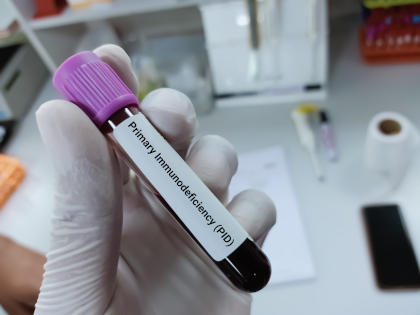
IVIG for Primary Immunodeficiency: Mechanism, Benefits, and Cost

IVIG for primary immunodeficiency is an FDA-approved treatment. It increases the user’s lifespan, improves their quality of life, and keeps them infection-free to the maximum extent possible.

Ask About IVIG Home Infusion

(877) 778-0318

Primary immunodeficiency (PI) is a blanket term. It covers over 400 rare, long-term conditions that make you more likely to get recurrent or severe infections. 

Primary immunodeficiency occurs when you lack a part of the immune system or your immune system doesn’t work as it should. 

Other names for this condition are: 

  • Primary immunodeficiency disease
  • Primary immunodeficiency disorder (PIDD)
  • Inborn errors of immunity (IEI)

PI is rare, affecting 1 in 2,000 individuals in the US [1].

How Does It Work?

Individuals with PI have deficient or dysfunctional antibodies. Replacing them with externally administered immunoglobulins (such as IVIG) is the standard treatment. Immunoglobulins are infection-fighting proteins that are also called antibodies. 

IVIG (Intravenous immunoglobulin) contains donor-derived immunoglobulins. These proteins strengthen your immune system and prevent infection-related deaths. IVIG is given via a needle inserted into a vein.

Subcutaneous immunoglobulin (SCIG) is another way to replace deficient or dysfunctional antibodies. It involves administering immunoglobulins into the fatty layer of tissue below the skin. 

Also Read: SCIG vs. IVIG: Which Treatment Is Best for You?

Both IVIG and SCIG are highly effective in treating PI. However, the route of administration and the specific IVIG products you use depends on your response and preference. Thus, it’s crucial to discuss a particular treatment and potential side effects with your prescriber. 

According to a 2019 analysis, individuals with PI on home IVIG versus SCIG had comparable health-related quality of life. Among those receiving immunoglobulins for the first time, a larger improvement was observed in those starting with SCIG [2]. 

Each IVIG product is unique, and no generic versions are available. Thus, IVIG products shouldn’t be interchanged. 

Top 5 Benefits of IVIG for PI

Lab results for primary immunodeficiency
  1. It increases the lifespan of the user.
  2. It improves quality of life.
  3. It keeps the patient infection-free to the maximum extent possible.
  4. It prevents organ damage due to recurrent infections.
  5. It reduces hospitalizations.

How Much and How Often To Take IVIG for Primary Immunodeficiency

The starting IVIG dose for PI is 400 – 600 mg/kg every 3 to 4 weeks. Repeated doses at regular intervals are necessary because the body uses up externally administered antibodies for normal bodily processes. Since IVIG doesn’t stimulate the immune system, constant replenishment, usually for a lifetime, is essential. 

Get IVIG Financial Assistance

Schedule a Consultation

When You Shouldn’t Receive IVIG for Primary Immunodeficiency

IVIG products have no absolute contraindications. Yet, they must be avoided or used with caution in certain situations. 

For example, anyone with a history of severe, life-threatening reactions to human immunoglobulin shouldn’t receive any IVIG product. The same holds true for IgA-deficient individuals with antibodies to IgA and a history of hypersensitivity.

Avoid taking Octagam, an IVIG brand, if you’re allergic to corn. It contains maltose, a sugar obtained from corn. 

Avoid using another IVIG product, Gammaplex, if you have a hereditary fructose intolerance.

Infants and neonates with no established sucrose or fructose tolerance shouldn’t receive this product.

Individuals with renal failure or diabetes should avoid using sugar-stabilized IVIG products.

Hyperosmolar IVIG products shouldn’t be used in post-transplantation patients due to the risk of kidney problems.

If you have heart disease or high blood pressure, use caution and monitor closely when taking products high in sodium.

How Much Does IVIG for Primary Immunodeficiency Cost?

The amount you pay for IVIG treatment can vary, depending on your insurance plan, geographical location, and pharmacy. Contact your insurance provider to learn if your plan covers this medicine or if you need prior authorization.
Contact us to learn how you might be able to reduce the cost of IVIG treatment.

Doptelet: Uses, Side Effects, Cost, and More

Doptelet is an oral tablet used to treat low platelet count, which may cause excessive bleeding. The generic name of Doptelet is avatrombopag. In this article, we will discuss its uses, mechanism of action, side effects, cost, and more.

Doptelet Quick Facts:

  • Doptelet is part of the medication class called thrombopoietin (TPO) receptor agonists.
  • This medication is only available by prescription from a healthcare provider. 
  • It is a brand-name product. No generic versions are available. 
  • AkaRx, Inc., received FDA approval in 2018 for Doptelet.
  • Doptelet isn’t a controlled substance, so it doesn’t have a risk of addiction.

What Is Doptelet?

Doptelet is a brand-name prescription medication. The active ingredient in this product is avatrombopag, which belongs to the medication class called thrombopoietin (TPO) receptor agonists. 

It works just like a natural protein in the liver called thrombopoietin, which causes the body to make more platelets. Platelets, or thrombocytes, are blood cells that help blood clot to stop bleeding. 

What Is Doptelet Used For?

The FDA approved this medication to raise platelet count in adults with:

  • Chronic (long-term) liver disease who are scheduled to undergo a surgical (including dental) or other procedures (e.g., endoscopy). 
  • Chronic immune thrombocytopenia (or ITP) unresponsive to other treatments. 

Doptelet is used to raise your platelet count to a level of about 50,000 platelets per microliter, which is the acceptable level that keeps your risk of serious bleeding low. However, it’s not used to restore your platelet counts to normal levels. 

The safety and efficacy of this medication in children have yet to be determined. 

Off-Label Use

“Off-label use” is when a healthcare provider prescribes a medication for non-FDA-approved uses. 

This medication may be used “off-label” for individuals with aplastic anemia and chemotherapy-induced thrombocytopenia [1, 2].

Note that this is an early finding, and more research is needed to establish safety and efficacy. 

How To Use Doptelet Properly

This medication is available as an oral tablet that’s taken by mouth. Each tablet contains 20 milligrams (mg) of the active drug. 

Take the dosage exactly as prescribed and at the same time each day. Don’t take less, more, or take the medication for longer than prescribed. 

Never stop taking this medication without talking to your healthcare provider first. Doing so can raise your risk of serious bleeding if you become injured.

Follow the instructions on the prescription label. If you’re not sure how to take the medication, ask your prescriber or pharmacist for help.

Swallow the tablet whole with about 8 ounces of water. Also, take this medication with food.

Things To Know Before Taking Doptelet

Inform your healthcare provider if you:

  • Are allergic to avatrombopag or any product component
  • Have a history of a blood clot
  • Have a genetic condition that could increase your risk of having a blood clot

Use in Pregnancy and Lactation

Inform your prescriber if you are pregnant or plan to become pregnant before and during treatment with Doptelet. This medication can harm your unborn baby, so you’ll need to be switched to a medication that’s safer for you and your baby.

Also, tell your prescriber if you are breastfeeding or plan to breastfeed. No one knows if this medication passes into breast milk. So to be safe, breastfeeding should be avoided during treatment and for at least 14 days after the last dose.

What Are the Side Effects of Doptelet?

Common Side Effects

Woman suffering fever as a side effect of taking Doptelet
  • Fever
  • Headache
  • Stomach pain
  • Tiredness
  • Nausea
  • Swelling of hands or feet
  • Joint pain
  • Bleeding gums
  • Bruising
  • Nosebleed
  • Purple or red spots on your skin
  • Runny or stuffy nose
  • Sneezing
  • Sore throat

Call your provider if these reactions don’t go away or worsen. 

Serious Side Effects

This medicine may raise the risk of blood clots in people with chronic liver disease, ITP, or other clotting problems. Tell your healthcare provider immediately if the following signs and symptoms of a blood clot occur:

  • Swelling, pain, or tenderness in your legs
  • Fast heartbeat
  • Shortness of breath
  • Stomach pain or tenderness
  • Chest pain

Typical Dosages of Doptelet

Chronic Liver Disease

Your provider will determine the optimal dose, based on platelet count, for patients scheduled to undergo a procedure. 

  • Platelet count below 40×109/L: 60 mg (3 tablets) once daily for 5 days starting 10 to 13 days before the procedure. 
  • Platelet counts of 40 to less than 50×109/L: 40 mg (2 tablets) once daily for 5 days starting 10 to 13 days before the procedure. 

You should undergo the procedure 5 to 8 days after the last dose.

Chronic Immune Thrombocytopenia

The initial amount to take is 20 mg (1 tablet) once daily. Your provider may adjust the dose or dosing frequency to keep the platelet count greater than or equal to 50×109/L. You shouldn’t receive more than 40 mg a day.

What To Do If You Miss a Dose

Chronic immune thrombocytopenia: Take the missed dose immediately after you remember it. Take the next dose at the regular schedule and stick to the recommended schedule. Don’t double dose. 

Before a scheduled medical procedure: Talk to your provider for instructions if you miss a dose.

What To Do If You Overdose

Seek emergency medical care or call the poison control helpline at 1-800-222-1222. Overdose symptoms can include:

  • Swollen, painful, red, or tender leg
  • Shortness of breath
  • Cough
  • Chest pain
  • Fast heartbeat
  • Stomach pain or tenderness

How Should You Store Doptelet?

  • Store this medication at room temperature between 68°F to 77°F in the original package.
  • Keep all your medications out of reach of children.
  • Keep all your prescription and OTC medications away from excess heat, light, and moisture.

How Much Does Doptelet Cost?

The cost is about $13,000 for 30 tablets. The amount you pay for Doptelet treatment can vary, depending on your insurance plan, geographical location, and pharmacy. Call your insurance provider to learn if your plan covers this medicine or if you need prior authorization.

You can also contact us if you are interested in exploring financial assistance options for Doptelet.

Doptelet vs. Promacta: What’s the Difference?

Both medicines are thrombopoietin receptor agonists. However, they are not the same. The active substance in Doptelet is avatrombopag, while the active drug in Promacta is eltrombopag. 

Unlike Doptelet, Promacta may be used in children (one year and older) for certain conditions. 
A 2021 systematic review and network meta-analysis suggests that Doptelet might work the best compared to other thrombopoietin receptor agonists, like Promacta.

Krystexxa: A Treatment for Chronic Gout

Krystexxa, also known by its generic name “pegloticase,” is an injectable medicine used to treat severe, treatment-refractory, chronic gout in adults who are nonresponsive to standard gout treatment. 

Speak to a Specialist

About Copay Assistance
(877) 778-0318

Krystexxa belongs to the drug class “antihyperuricemic agents or antigout agents,” which works to lower the overproduction of uric acid levels in gout patients. This drug was first approved by the FDA in 2010 based on the results of two clinical trials

Krystexxa is only available by prescription. 

What Is Krystexxa Used To Treat?

The FDA approves Krystexxa for the treatment of chronic gout in adults. Gout is a type of arthritis that occurs due to abnormally high uric acid levels in the body. When a high level of uric acid builds up in the blood or the fluid around the joints, it transforms into uric acid crystals, which cause severe pain, redness, and swelling in the joints. 

Over time, the uric acid crystals form masses of white growths around the joints and soft tissues (called tophi), which often become visible under the skin and look like swollen nodules. This further damages the joint, leading to a loss of motion in your joints. 

Patients with chronic gout experience repeated episodes of severe pain and inflammation in more than one joint, also known as gout attacks. 

When Is Krystexxa Prescribed to Gout Patients?

Krystexxa is usually prescribed as a third-line treatment and can be used alone or in combination with methotrexate in patients with chronic gout under the following circumstances:

  • When conventional gout medications do not work well or are contraindicated in some patients. Some commonly prescribed gout medications include xanthine oxidase inhibitors, allopurinol, febuxostat, and probenecid.
  • A patient fails to achieve the serum uric acid target.
  • A patient continues to have frequent gout flares (≥2 flares/year).
  • A patient has non-resolving subcutaneous tophi.

How Does Krystexxa Work?

The active substance in Krystexxa, pegloticase, contains an enzyme called uricase, which is produced through recombinant DNA technology methods in the laboratory. Uricase enzyme breaks down the uric acid deposits (crystals) into more soluble substances (allantoin), which are then excreted out from the body through urine. 

When the uric acid level fell below 6 mg/dl, the crystals in the joints started to dissolve, slowly shrinking the tophi. 

Can Krystexxa Be Used in Patients with Hyperuricemia?

As per FDA guidelines, Krystexxa is not recommended for treating hyperuricemia (a condition that describes a high level of uric acid) in people without associated symptomatic gout. 

Generally, people with hyperuricemia can take other medications to lower uric acid levels in their bodies. However, hyperuricemia could become a risk factor for gout if not treated in a timely manner. 

In the case of people with chronic gout, when no conventional gout medications work well, Krystexxa is specifically recommended as a third-line treatment to lower the elevated uric acid levels in these patients. 

In short, this medication is not indicated for general use in all cases of hyperuricemia.

In What Pharmaceutical Form Is Krystexxa Available and Supplied?

Krystexxa comes in the form of a clear, sterile 8 mg/ml solution of pegloticase and is supplied in a single-dose vial. 

The solution is diluted (mixed) with a 250 ml bag containing 0.9% sodium chloride before use. 

What Is the Recommended Dose for Adult Gout Patients?

The recommended dose of Krystexxa for adults with chronic gout is 8 mg, which should be administered once every 2 weeks. 

Get Financial Assistance

Schedule a Consultation

How Is Krystexxa Given?

Krystexxa is recommended to be given alone or in combination with methotrexate as an intravenous infusion over no less than 120 minutes via an infusion pump. The healthcare provider injects the medicine intravenously (into a vein). 

Other important things to note:

  • Krystexxa should not be administered as an intravenous push or bolus.
  • To minimize the risk of infusion reactions, patients should receive premedication, such as antihistamines and corticosteroids. 

What Are the Common Side Effects?

You may experience the following side effects after taking Krystexxa infusion:  

Man with chest pains as a side effect of taking Krystexxa
  • New gout flares (increases in the first 3 months due to changing serum uric acid levels and eventually decreases in the subsequent 3 months of treatment)
  • Nausea
  • Chest pain
  • Vomiting
  • Fatigue
  • Joint pain
  • Constipation

You may also experience serious allergic reactions that can be life-threatening and mostly occur within 2 hours of infusion. Therefore, it is recommended that patients be premedicated with antihistamines and corticosteroids to reduce the risk of infusion and allergic reactions. 

How Long Is Krystexxa Therapy?

Patients generally see improvements in their condition after 3 months of treatment with Krystexxa. However, it is suggested to stay on therapy for 6 to 12 months or as long as your doctor recommends. 

What Special Precautions Should You Follow?

Before taking Krystexxa infusion, tell your doctor if you:

  • Are pregnant or intend to become pregnant
  • Are breastfeeding or plan to breastfeed
  • Ever had any condition like heart failure, heart disease, or hypertension (high blood pressure)
  • Are allergic to pegloticase
  • Are taking any medication such as prescription and over-the-counter medicines, vitamins, and herbal supplements

What Drugs Should You Avoid While Taking Krystexxa?

You should not take other uric acid-lowering medication while taking Krystexxa as they can cause unwanted or dangerous effects. Some uric acid-lowering medicines you should not take are allopurinol, febuxostat, and probenecid

Who Should Not Take Krystexxa?

Patients with a metabolic disease called glucose-6-phosphate dehydrogenase (G6PD) deficiency or favism, which is a rare blood disorder, should not take Krystexxa. This medication can increase the risk of hemolysis and methemoglobinemia in these patients. 

Patients who are at higher risk of G6PD deficiency should be screened before starting Krystexxa. 

Cost

Krystexxa (8 mg/mL) intravenous solution can cost around $30,882 for a supply of 1 ml. The cost can vary depending on the pharmacy you visit. Patients with low incomes or who are uninsured can participate in patient assistance programs to lower the treatment cost. Contact us if you are interested in receiving financial assistance.

CIDP vs. ALS: What Is the Difference?

Chronic inflammatory demyelinating polyneuropathy (CIDP) and amyotrophic lateral sclerosis (ALS) are rare and debilitating neurological disorders. Though both conditions affect nerve and muscle functions, they significantly differ in the type of nerves affected, causes, signs and symptoms, progression, prevalence, diagnosis, and treatment. 

Get Financial Assistance

(877) 778-0318

This article discusses the key differences between these disorders to help patients receive the appropriate treatment. 

What Is Chronic Inflammatory Demyelinating Polyneuropathy (CIDP)?

CIDP is a rare and long-term autoimmune disorder that mainly affects the nerves of the peripheral nervous system. In this condition, the immune system mistakenly attacks and destroys the myelin sheath, a protective layer covering the nerve fibers. 

The excessive inflammation caused by an autoimmune attack damages the peripheral nerves, which results in progressive muscle weakness, loss of strength, and sensory problems. 

What Is Amyotrophic Lateral Sclerosis (ALS)?

Amyotrophic lateral sclerosis (ALS) is a progressive neurodegenerative disorder that affects the motor nerve cells of the central nervous system (motor nerves in the brain and spinal cord). The motor nerves mainly control breathing and voluntary muscle movements. When signals from nerves do not pass on properly to the muscle due to motor neuron degeneration, the muscle becomes weak and starts to twitch. 

ALS is also sometimes known as Lou Gehrig’s disease and motor neuron disease (MND). 

CIDP vs. ALS: Causes 

The exact cause of both neurological conditions is still unclear. However, an abnormality in the immune system has been found to cause CIDP, which is why it is known as an autoimmune condition.

ALS is considered a hereditary disease since various research studies have highlighted a genetic link. For instance, mutations in specific genes such as the C9orf72, ARDBP, and FUS genes can lead to ALS, as these genes regulate the normal functioning of motor neurons. This form of ALS is known as familial ALS. 

According to estimates, a genetic mutation has been found in 60% of those with familial ALS.

CIDP vs. ALS: Key Signs and Symptoms

The classic presentation of CIDP is symmetrical muscle weakness, especially in the legs, which later spread to the arms. CIDP patients may also experience the following symptoms:

  • Loss of reflexes
  • Tingling sensation and numbness in arms and legs
  • Loss of balance and difficulty walking 

Typically, the symptoms of CIDP develop gradually over several months.

Close-up of hands with a tingling sensation, representing symptoms of neurological disorders.

On the other hand, ALS mostly impairs motor function, which results in stiffness, twitches/cramps, and weakening of the muscles. Usually, one leg is first affected by these symptoms (asymmetrical presentation) before they extend to other body regions.  Furthermore, as the condition worsens, ALS patients also experience:

  • Weight loss
  • Muscle wasting (atrophy)
  • Slurred speech (dysarthria)
  • Difficulty chewing or swallowing (dysphagia)

However, in ALS, sensory functions are mostly unaffected, and patients do not experience tingling and numbness. 

Speak to a Specialist

About Copay Assistance
Schedule a Consultation

CIDP vs. ALS: Disease Progression

CIDP is a long-term and rare disease that progresses gradually and reaches its severe state after 8 weeks. 

On the other hand, when ALS starts, it progresses rapidly and worsens over time. 

CIDP vs. ALS: Prevalence

According to NORD, around 5 – 7 cases of CIDP per 100,000 individuals are reported yearly. CIDP can occur in any age group but is more prevalent in older people (50s – 60s). Men are more at risk of CIDP than women. Furthermore, there is a chance that CIDP may recur after treatment. 

In contrast, ALS affects around 2 – 5 people in every 100,000 individuals worldwide, and almost 32,000 people are living with ALS in the United States. ALS disorder can strike at any age, but symptoms mostly develop after the age of 50 or between ages 50 and 75. 

Like CIDP, ALS is also more common in males than females. 

CIDP vs. ALS: Diagnosis and Treatment Strategies

The diagnosis of CIDP and ALS is difficult because of symptom variations. However, doctors conduct various tests such as electromyography, nerve conduction test, nerve/muscle biopsy, MRI, spinal tap, and blood tests to confirm ALS and CIDP diagnosis. 

Although doctors follow the same diagnostic procedures for CIDP and ALS, their treatment strategies differ. 

In the case of CIDP disorder, three standard therapies are as follows:

In the case of ALS, no treatment can reverse the motor nerve damage. However, some medications (i.e., Riluzole, Edaravone, and Tofersen) approved by the FDA, as well as rehabilitation (i.e., physical, occupational, and speech therapy), can help to slow the disease progression, improve quality of life, and extend life expectancy in patients. 

Summary

CIDP is an autoimmune disorder that affects the peripheral nervous system, while ALS is a neurodegenerative disease that affects the motor nerves of the central nervous system. Although both conditions have different causes, symptoms, rates of progression, and treatment procedures, they share the same diagnostic procedures. Understanding these key differences can help manage the condition and improve patients’ quality of life.