Zejula: Understanding Its Role as a Targeted Cancer Treatment

Zejula, also known by its generic name niraparib, is a cancer-targeted drug. It is typically prescribed as a “maintenance” treatment to adult women with certain types of cancer, mainly ovarian epithelial, fallopian tube, or primary peritoneal cancer.

Zejula belongs to the class of medications called poly (ADP-ribose) polymerase (PARP) inhibitors. These medications interfere with the growth of cancer cells, leading to cancer cell death. 

Speak to a Specialist

About Copay Assistance
(877) 778-0318

This medication was first approved by the US Food and Drug Administration (FDA) on March 27, 2017, and can only be obtained with a doctor’s prescription. 

What Is Zejula Used To Treat?

Zejula is approved as a “maintenance” treatment in adult patients under the following conditions:

  • Patients undergoing first-line platinum-based chemotherapy for advanced epithelial ovarian, fallopian tube, or primary peritoneal cancer who are responding fully or partially to the treatment 
  • Patients whose cancer is linked to a harmful mutation on the BRCA germline and who are having a complete or partial response to platinum-based chemotherapy for recurrent ovarian, fallopian tube, or primary peritoneal cancer

When Is Zejula Usually Prescribed to Patients?

Zejula is typically prescribed to patients within 12 weeks of their treatment with platinum-based chemotherapy. 

How Does It Work?

Zejula contains an active substance, niraparib, which is a PARP inhibitor. Generally, under normal circumstances, when your DNA gets damaged, your body activates the tumor suppressor genes (for example, the BRCA gene) and PARP protein. The tumor suppressor gene and PARP protein work together to repair the damaged DNA. 

However, in the case of cancers, the BRCA gene becomes non-functional, and tumor cells rely solely on the PARP protein to repair its damaged DNA. 

The active component (niraparib) in Zejula inhibits the PARP protein, which stops the DNA of cancer cells from being repaired. By halting the repair process, these cancer cells die, thus reducing cancer cell growth. 

What Are the Available Dosage Forms and Strengths?

Zejula comes in tablet and capsule form with the following strengths:

  • Capsules: 100 mg strength
  • Tablets: 100 mg, 200 mg, or 300 mg strength

What Is the Usual Dose for Cancer?

  • Dosing Information

The dosage is measured in milligrams and customized according to the patient’s platelet count, body weight, type of cancer, response to the chemotherapy treatment, or any side effect that may occur when using Zejula.

For example, a patient with first-line advanced epithelial ovarian cancer weighing  ≥77 kg (≥170 lbs) with a platelet count ≥150,000/mcl, the recommended dosage is 300 mg once a day. However, if a patient weighs less than 77 kg (<170lbs) or has a platelet count <150,000/mcl, the recommended dose is 200 mg once daily. 

What if I Miss a Dose?

Skip the dose if you forget to take it or throw up immediately after taking it. Take your subsequent dose at the scheduled time after that. Avoid “doubling up” on Zejula by taking two doses. You may experience adverse medication effects if you do this.  

How Is Zejula Taken?

Zejula capsules and tablets are taken orally with or without food. You can take this medication with water or other liquid once daily.

The capsule should be swallowed whole and should not be opened or chewed. Tablets should be swallowed whole and not crushed, chewed, or split. The best time to take the medication is before bedtime, as it can help reduce nausea. 

What Are the Side Effects?

Get Financial Assistance

Schedule a Consultation

Cancer patients taking Zejula can experience some common and potentially serious side effects. 

Common Side Effects

Woman suffering from side effects of Zejula

The most common side effects (seen in ≥ 10% of cases) are as follows:

  • Skin rashes
  • Nausea
  • Vomiting
  • Stomach (abdominal) pain and fatigue
  • Diarrhea and constipation
  • Cough or shortness of breath (dyspnea)
  • Dizziness
  • Headache
  • Urinary tract infection
  • Sleep problems (insomnia)
  • Decreased appetite
  • Muscle pain
  • Hypomagnesemia (low magnesium [Mg] levels in the blood)
  • Acute kidney injury

Potentially Serious Side Effects

Patients taking Zejula may develop or experience potentially serious and life-threatening side effects, which include:

  • Hypertension 
  • Cardiovascular effects
  • Posterior reversible encephalopathy syndrome
  • Myelodysplastic syndrome/acute myeloid leukemia (occurred in 15 out of 1,785 patients)
  • Low blood cell count, including thrombocytopenia, anemia, neutropenia, and/or pancytopenia

If you experience any of the side effects mentioned above, immediately consult your healthcare provider. 

Can Zejula Cause Weight Loss or Hair Loss?

Currently, no studies support the idea that Zejula can cause weight or hair loss in patients. 

Speak to a Specialist

(877) 778-0318

What Precautions Should You Take?

Before taking Zejula, consult your healthcare provider and share your current health status and medical history. Tell your doctor if you are:

  • Pregnant or intending to become pregnant: Zejula is known to cause fetal harm when administered to a pregnant woman. Therefore, it is recommended that those who are able to become pregnant should take birth control during treatment with Zejula and for at least 6 months after the last dose.
  • Breastfeeding: This drug may pass to breastmilk; therefore, you should avoid breastfeeding during treatment and for at least 1 month after your last dose.
  • Taking medicines: This includes prescription medication, over-the-counter medicines, vitamins, and herbal supplements.

Inform your doctor if you have ever had: 

  • Heart disease
  • High blood pressure
  • Liver disease

Is There Any Alternative to Zejula?

Yes, Rucaparib (Rubraca®) is another PARP inhibitor containing niraparib, similar to Zejula. 

Is Zejula a Type of Chemotherapy?

No, it is not a type of chemotherapy but a cancer-targeted drug. The aim of Zejula is to decrease the number of cancer cells in the body, however, as PARP works on both healthy cells and cancer cells, Zejula may affect the repair of some healthy cells. 

Cost

The cost of Zejula capsules or tablets can be notably high for some patients since it is not currently available in generic form. For example, the cash price of Zejula oral tablets (100 mg, 200 mg, and 300 mg) is around $19,307 for a supply of 30 tablets. Zejula may be fully or partially covered by some health insurance plans. If you’re considering taking Zejula capsules or tablets, it’s advisable to consult with healthcare providers about potential assistance programs to reduce out-of-pocket expenses.

IVIG for HIV Infection: Providing Immune Support for HIV Patients

In the United States, there are roughly 1.2 million HIV-positive people, and about 36,136 new HIV diagnoses were made in 2022, according to a CDC report. 

Get IVIG Copay Assistance

IVIG Financial Assistance
(877) 778-0318

HIV infection weakens the immune system and makes a person’s body more vulnerable to other infections. Over time, HIV infection progresses into its potentially serious life-threatening stage called AIDS (acquired immunodeficiency syndrome).

Though there is no cure for HIV, effective treatments like antiretroviral therapy and IVIG therapy can help to stop the progression of the disease and boost immunity in HIV patients. 

This article discusses the basics of HIV, how it affects your immune system, and how IVIG therapy can help. 

What Is HIV Infection?

HIV (human immunodeficiency virus) is an infection caused by the HIV virus. This virus is transmitted to your body through sexual intercourse (unprotected) or by using HIV-contaminated needles. Once inside the body, HIV remains there for a lifetime. 

How Does HIV Affect Your Immune System?

Once HIV enters your body, it affects your immune system in the following ways:

It Destroys CD4 Helper T Cells

HIV attacks and destroys specific types of immune cells called CD4 helper cells or T cells, which generally help your body fight infection or illness. Without HIV treatment, minor ailments such as colds can be much more severe.  

Furthermore, when the number of CD4 helper cells falls below 200 cells/mm3 or when people develop one or more opportunistic infections, it leads to a serious stage of HIV called AIDS (acquired immunodeficiency syndrome). 

It Impairs B Cells’ Functions

Apart from directly destroying CD4 helper T cells, HIV also indirectly impairs the function of B cells. Normally, CD4 T cells activate B cells to produce antibodies against the virus. However, when HIV destroys the CD4 cells, the B cells fail to mount a strong antibody immune response. 

HIV also hyperactivates and exhausts the B cells, which results in the production of ineffective and poor-quality antibodies that are unable to cope with the HIV infection. Over time, the antibodies’ quality and specificity begin to decline, further contributing to weakening the immune response. 

Hence, during HIV infection, the virus not only directly destroys the CD4 helper T cells but also indirectly impairs the function of B cells. 

Get Your IVIG Dose

At-Home Infusion
Schedule a Consultation

How Can IVIG Help HIV Patients?

Intravenous immunoglobulin (IVIG) therapy works to boost the immune system in the patient’s body by providing a broad spectrum of antibodies. In fact, various reports have shown that receiving IVIG therapy could be beneficial for HIV patients. 

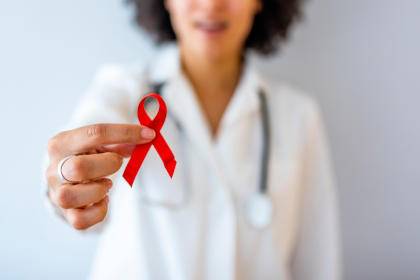
Doctor holding red ribbon for HIV awareness

IVIG and HIV Patients

Though the exact mechanism of IVIG is not clear, this therapy can help HIV patients in the following ways:

It Provides Additional Immune Support

The antibodies provided by IVIG do not kill the virus but provide additional immune support to HIV patients to fight infections they are prone to. Since HIV patients have weak immune systems, they are more susceptible to opportunistic bacterial and viral infections such as respiratory infections. 

The FDA has also approved the use of IVIG therapy to reduce the risk of serious bacterial infections in children with HIV. For example, a study conducted on HIV-infected children with recurrent infections and some HIV-infected adults showed that IVIG reduces the risk of bacterial infection in these patients. Similarly, another study of symptomatic HIV-infected children showed that IVIG decreases the incidence of respiratory infections and mortality in children. 

It Increases the Level of CD4 and CD8 Cells

IVIG therapy also increases the level of CD4 and CD8 cells in HIV patients. For example, in a case report of an HIV-1 positive patient with Guillain-Barre Syndrome (GBS), IVIG treatment increased the level of CD4 and CD8 cell counts and decreased the plasma viral load. 

It Reduces Inflammation in HIV Patients

IVIG therapy has anti-inflammatory properties. Patients with HIV often experience chronic inflammation, which further damages their immune systems. The anti-inflammatory effect of IVIG can help reduce inflammation and slow down the progression of HIV in patients. 

Summary

IVIG therapy can be a beneficial option for HIV patients. IVIG not only boosts immunity but also reduces the risks of bacterial infections and inflammation and increases the CD4 cell count in patients. It is recommended to consult your doctor before undergoing IVIG treatment to get the best results.

Shingles and Guillain-Barre Syndrome: What You Need To Know

According to the Centers for Disease Control and Prevention (CDC), having shingles may put you at a slightly higher risk of Guillain-Barre Syndrome (GBS), and so can Shingrix, which is a highly effective vaccine for shingles. 

Speak to a Specialist

About Copay Assistance
(877) 778-0318

But should you worry? Let’s look at what the latest evidence says. 

Several viruses have been implicated as triggers for GBS, among other risk factors. These include cytomegalovirus (CMV), Epstein-Barr virus (EBV), Zika virus, and influenza virus. 

But limited information is available about the risk of GBS following shingles. This is likely because only a handful of people with shingles get GBS. 

In this article, we will discuss the link between shingles and GBS, how shingles may trigger GBS, and if you should be concerned about the safety of shingles vaccines.

A Quick Overview of Shingles and Guillain-Barre Syndrome

Shingles is a viral infection characterized by a painful rash, especially around the left or right side of the torso. The virus that causes chickenpox — the varicella-zoster virus — also causes shingles. 

Once you’ve had chickenpox, the virus stays dormant (inactive) in your system for the rest of your life. You get shingles when the virus reactivates. 

GBS is a rare immune-mediated neurological condition. It causes muscle weakness and tingling sensations in the hands and feet. In severe cases, it can result in paralysis or respiratory failure. 

Shingles and Guillain-Barre Syndrome: Is There a Link?

While a few reports have found a connection between shingles infection and Guillain-Barre Syndrome, a causal relationship is lacking. In simple terms, we have yet to know if a shingles infection causes GBS. 

The authors of a 2021 case report described a case of GBS caused by varicella zoster virus reactivation (shingles) in a 68-year-old man with a history of multiple myeloma [1].

The person received:

  • IVIG for suspected GBS
  • Daratumumab for multiple myeloma (a rare cancer)
  • Acyclovir for shingles

According to the authors, the person’s symptoms improved with continued IVIG and acyclovir. 

In 2001, a correspondence published in the “New England Journal of Medicine” (NEJM) reported a case of GBS in a 73-year-old woman [2]. The person received acyclovir and other medications. Unfortunately, the weakness in her legs worsened, confining her to bed.

Her condition improved following plasma exchange, and she started a rehabilitation program.

Early GBS symptoms typically appear 2 days to 8 weeks after rashes erupt. This is the period when you have to be most vigilant. 

How May Shingles Trigger GBS?

No one exactly knows how shingles infection may trigger GBS. 

However, health experts believe specific molecules on the varicella-zoster virus may mimic those on your nerves. They call this “molecular mimicry.”

This similarity may cause the immune system to mistakenly attack the healthy nerve cells instead of the varicella-zoster virus [3].

As a result, the nerve cells become damaged, leading to GBS or other similar conditions

Get Financial Assistance

Schedule a Consultation

Vaccine for Shingles and Guillain-Barre Syndrome Risk

Man receiving a shot for the Shingrix vaccine

Shingrix is a vaccine FDA-approved for shingles in the US. The CDC recommends two doses of Shingrix for adults 50 years and older. The vaccine is highly effective in preventing shingles and associated complications.

However, many people are concerned that Shingrix may cause GBS. Fortunately, the chances of getting GBS from the shingles vaccine are very low. A 2021 study estimated three cases of GBS per million vaccinations administered in adults [4].

Should any side effects occur, report them to the Vaccine Adverse Event Reporting System (VAERS) or call 1-800-822-7967.

Further Reading: Guillain-Barre Syndrome and Vaccines: What You Need to Know

Can You Get the Shingles Vaccine If You Had GBS?

Talk to your healthcare provider before receiving the shingles vaccine if you have a history of GBS. They will assess your symptoms and discuss the risks and benefits of the vaccine with you.

Brukinsa: Uses, Side Effects, Cost, and More

Brukinsa is an FDA-approved medication used to treat certain blood cancers in adults. Learn about its mechanism of action, side effects, cost, and more.  

What Is Brukinsa?

Brukinsa is a brand-name prescription medication. The active substance in this product is zanubrutinib, which is a member of a class of medications called kinase inhibitors. It works by blocking an abnormal protein which signals cancer cells to divide rapidly. 

The U.S. FDA has approved Brukinsa to treat certain adults with the following conditions:

Mantle cell lymphoma (MCL)

MCL is a rare, fast-growing cancer that originates in the white blood cells. Brukinsa may be prescribed for adults with MCL who have previously received at least one treatment. 

Waldenström’s macroglobulinemia (WM)

This is a rare, slow-growing cancer that starts in the white blood cells called B-cells.  

Marginal zone lymphoma (MZL)

MZL is a rare, slow-growing cancer that causes B-cells to divide rapidly. A provider may prescribe Brukinsa for adults with MZL if they failed to respond to previous treatment or their cancer has returned. 

Chronic lymphocytic leukemia (CLL) or small lymphocytic lymphoma (SLL)

CLL and SLL are the same disease. However, in individuals with CLL, cancer cells are present mostly in their blood and bone marrow. On the other hand, cancer cells are found mostly in the lymph nodes in people with SLL. 

Follicular lymphoma (FL)

This is a slow-growing cancer that starts in the B-cells. A provider may prescribe Brukinsa with another medication (usually obinutuzumab) for adults with FL if they have failed to respond to previous treatment or their cancer has returned. 

When Was Brukinsa Approved?

In November 2019, the FDA approved Brukinsa to treat adults with Mantle cell lymphoma. 

Two years later, the medication received FDA approval to treat Waldenström’s macroglobulinemia. The same year, the FDA granted accelerated approval for relapsed/treatment-resistant marginal zone lymphoma. 

In January 2023, Brukinsa received approval for chronic lymphocytic leukemia. BeiGene (Brukinsa’s manufacturer) announced that the FDA had granted accelerated approval for relapsed/treatment-resistant follicular lymphoma. 

The Accelerated Approval Program allows earlier approval for certain medications that treat serious conditions. Approval is based on the results of initial trials. The FDA may decide to grant full approval if the confirmatory trials show the drug provides a clinical benefit. 

If the confirmatory trials show no benefit, the FDA may ask the drug maker to remove the drug from the market. 

How To Use Brukinsa Properly

This medication is available as an oral capsule; each capsule contains 80 milligrams (mg) of the active drug. 

Take the recommended dosage exactly as prescribed and at the same time each day. Do not take less, more, or for longer than prescribed. This will help maintain consistent blood drug levels. 

Never stop taking this medication without talking to your provider. Continue your dosing schedule even if you feel better. 

Follow instructions on the prescription label. Talk to your provider or pharmacist if you do not understand the information on the prescription label. 

Swallow the entire capsule with about 8 ounces of water. Avoid opening, chewing, or crushing it. 

Your provider may reduce the dose or temporarily (sometimes completely) stop treatment. Dosage adjustments are based on your response to treatment and side effects. 

Foods To Avoid During Brukinsa Treatment 

Avoid consuming Seville oranges, grapefruits, and their juices during treatment. These foods can cause the blood levels of the medication to rise and worsen the side effects. 

Things to Know Before Taking Brunkinsa

Inform your provider if you have:

  • Bleeding problems
  • Had recent surgery or plan to have one (you may need to stop taking this medication for any scheduled medical, surgical, or dental procedure)
  • An infection
  • Had heart rhythm issues
  • High blood pressure
  • Liver problems, including previous hepatitis B

Use in Pregnancy and Lactation

Tell your provider if you are pregnant or plan to become pregnant. This medication can harm your unborn baby. Your provider may run a pregnancy test before starting treatment.

Avoid getting pregnant during treatment and for 7 days after the last dose. Use effective birth control (contraception) during treatment and for 7 days after the last dose.

Men should avoid getting their partners pregnant during treatment and for 7 days after the last dose. They should use effective birth control (contraception) during treatment and for 7 days after the last dose.

Tell your provider if you are breastfeeding or plan to breastfeed. It is unknown if this medication passes into breast milk. Avoid breastfeeding during treatment and for 14 days after the last dose.

What Are the Side Effects of Brukinsa?

Common Side Effects:

  • Decreased white blood cell count
  • Decreased platelet count
  • Upper airway infection
  • Bleeding
  • Muscle, bone, or joint pain

Talk to your provider if these symptoms persist or worsen. 

Serious Side Effects

Talk to your provider immediately or seek emergency medical treatment if you experience:

Patient experiencing side effects from Brukinsa, a medication for lymphoma.
  • Fever, sore throat, cough, chills, or other signs and symptoms of infection
  • Painful, frequent, or urgent urination
  • Unusual bruising or bleeding
  • Blood in your stools or black, tar-like stools; pink or brown urine; vomiting or coughing up blood
  • Dizziness, weakness, or confusion; changes in speech; long-lasting headache 
  • Fast or irregular heartbeat, palpitations, lightheadedness or dizziness, fainting, shortness of breath, chest pain

This medication may make you more likely to get other cancers, including skin cancer. Therefore, avoid unnecessary or prolonged exposure to sunlight and wear protective clothing, sunglasses, and sunscreen.

Typical Dosages of Brukinsa

The following dosages are commonly prescribed. Your provider will determine the dosage that best fits your requirements. 

Mantle Cell Lymphoma (MCL)

160 mg (2 capsules) twice daily or 320 mg (4 capsules) once daily. 

Waldenström’s Macroglobulinemia (WM)

160 mg (2 capsules) twice daily or 320 mg (4 capsules) once daily. 

Marginal Zone Lymphoma (MZL)

160 mg (2 capsules) twice daily or 320 mg (4 capsules) once daily. 

Follicular Lymphoma (FL)

With obinutuzumab, 160 mg (2 capsules) twice daily or 320 mg (4 capsules) once daily. 

Chronic Lymphocytic Leukemia or Small Lymphocytic Lymphoma

160 mg (2 capsules) twice daily or 320 mg (4 capsules) once daily. 

Treatment continues until your condition worsens or you experience severe side effects. 

How Much Does Brukinsa Cost?

The amount you pay for Brukinsa treatment can vary, depending on your insurance plan, geographical location, and pharmacy. Contact your insurance provider to learn if your plan covers this medicine or if you need prior authorization.

You can find information about insurance coverage, out-of-pocket costs, and co-pay support in the myBeiGene patient support program. 

Brukinsa: Frequently Asked Questions

Is Brukinsa a type of chemo?

Brukinsa is not a type of chemotherapy treatment; rather, it is a targeted treatment. 

Is Brukinsa expensive?

The cost of 120 oral capsules (80 mg) is about $15,874.

Is Brukinsa better than Imbruvica?

In the Phase III ALPINE trial, individuals receiving Brukinsa had a 35% lower risk of disease progression or death than those on Imbruvica [1].

Brukinsa was more effective than Imbruvica for progression-free survival in previously treated individuals with relapsed/treatment-resistant chronic lymphocytic leukemia.

A Comprehensive Overview of Novoeight: Treating Hemophilia A with Recombinant Technology

Novoeight (Turoctocog alfa) is an antihemophilic factor VIII produced via recombinant technology. This medication is generally prescribed to treat or prevent bleeding episodes in patients with hemophilia A

Speak to a Specialist About Copay Assistance

(877) 778-0318

Patients with hemophilia A lack clotting factor VIII (a blood clotting protein), and Novoeight replaces the missing clotting factor VIII, thereby helping the blood to clot. 

Novoeight was first approved by the US Food and Drug Administration (FDA) in February 2013 due to its effective results in one of the largest clinical trials to date.

This medication can only be obtained via a doctor’s prescription and is self-administered after training is received from a healthcare professional. 

What Is Novoeight Used To Treat?

Novoeight is used to treat hemophilia A in children and adults. It is used to:

  • Control bleeding episodes in hemophilia A patients
  • Reduce the frequency (number) of bleeding episodes in hemophilia A patients
  • Prevent bleeding during minor or major surgery in patients with hemophilia A 

Novoeight cannot be used for the treatment of von Willebrand disease in patients.

How Does Novoeight Work?

In patients with hemophilia A, clotting Factor VIII is either missing or does not work properly, which causes bleeding in joints, muscles, or internal organs. 

Novoeight contains an active substance, “Turoctocog alfa,” which mimics the function of naturally occurring coagulation factor VIII and helps the blood to form a clot. 

The recombinant Novoeight corrects the factor VIII deficiency by replacing the missing clotting factor VIII, thereby temporarily controlling the bleeding disorder.

What Are the Available Dosage Forms and Strengths?

Novoeight is available in lyophilized powder form in a single-dose vial with the following concentrations (strengths): 250, 500, 1000, 1500, 2000, and 3000 IU per vial. 

The powder is reconstituted with 4 ml of 0.9% sodium chloride solution. Each ml of reconstituted solution contains:

  • 250 IU (62.5 IU/ml)
  • 500 IU (125 IU/ml) 
  • 1,000 IU (250 IU/ml)
  • 1,500 IU (375 IU/ml)
  • 2,000 IU (500 IU/ml)
  • 3,000 IU (750 IU/ml)

What Is the Usual Dose for Patients With Hemophilia A?

Dosing Information

The dosage of Novoeight is adjusted according to the patient’s body weight, frequency of bleeding episodes, severity of factor VIII deficiency, and the type of bleeding they are experiencing. 

For Minor-To-Moderate Bleeding or Minor Surgery

Maintain a plasma factor VIII activity level of 20% – 40% of normal IU in cases of minor bleeding, such as minor muscle or oral bleeding, and 30% – 60% of normal IU in cases of moderate bleeding, such as bleeding into the oral cavity or mild head trauma. Additional units of Novoeight are given every 12 – 24 hours until the bleeding is resolved.

For minor surgery such as tooth extraction, 30% – 60% of normal IU factor VIII activity level is administered every 24 hours for at least 1 day until healing is achieved. 

For Major Bleeding or Surgical Procedures:

If a patient has major bleeding, maintain a plasma factor VIII activity level of 60% – 80% of normal IU, followed by a repeat dosage given every 8 to 24 hours until bleeding has resolved.

In major surgeries like joint replacement, trauma, or tonsillectomy, 60% – 80% of normal IU factor VIII activity level is given every 8 to 24 hours until adequate wound healing is achieved. 

Dosing for Routine Prophylaxis

The following are the recommended dosages of Novoeight to reduce the number (frequency) of bleeding episodes in children and adult patients with hemophilia A:

  • For adults: 20 – 50 IU/kg of Novoeight three times a week or 20 – 40 IU/kg of Novoeight every other day.
  • For children (under 12 years of age): 25 – 60 IU/kg of Novoeight three times a week or 25 – 50 IU/kg of Novoeight every other day.

How Is Novoeight Given?

Novoeight is given as an intravenous (via a vein) infusion (slowly over 2 to 5 minutes) directly into the bloodstream. 

Get Financial Assistance

Schedule a Consultation

What Are the Common Side Effects of Novoeight?

Along with its promising results in hemophilia A patients, Novoeight can cause some adverse effects. The most common side effects observed during clinical trials (≥ 1% of patients) are:

  • Injection site reaction, such as swelling, itching, pain, or redness 
  • Pyrexia (high fever)
Patient experiencing potential side effects of Novoeight treatment.

Novoeight rarely causes hypersensitivity (allergic) reactions, and in some cases, they can progress into severe anaphylaxis (including anaphylactic shock). The early signs of allergic reactions, which can progress to anaphylaxis, may include:

  • Rashes or hives
  • Difficulty breathing or swallowing
  • Swelling of the lips and tongue
  • Light-headedness
  • Dizziness or loss of consciousness
  • Pale and cold skin
  • Fast heartbeat 
  • Red or swollen face or hands 

If you experience these symptoms, discontinue use and consult your healthcare provider immediately to seek appropriate treatment. 

An allergic reaction could occur due to Factor VIII inhibitors — a type of antibody produced by the immune system against Factor VIII. Factor VIII inhibitors stop Novoeight from working properly, which results in the loss of bleeding control. 

Therefore, patients experiencing allergic reactions should be evaluated for the presence of an inhibitor.

What Precautions Should You Take While Taking Novoeight?

Always consult your healthcare provider before taking this medication. Tell your doctor if you:

  • Are pregnant or planning to become pregnant
  • Are breastfeeding
  • Are allergic to any component of Novoeight recombinant product
  • Are allergic to hamster proteins
  • Are taking any medicines, including non-prescription medicines (herbal medicines) and dietary supplements
  • Have tested positive for Factor VIII inhibitors 

Does Novoeight Remain Stable at High Temperatures?

Yes, Novoeight has the longest duration of stability and can be stored at up to 104˚F for up to 3 months. It can also be stored for up to 12 months at 86˚F (room temperature). 

After reconstitution, you can store the medication for 2 hours at 104˚F and 4 hours at up to 86˚F.

Cost

Novoeight (recombinant) intravenous powder costs around $12 for a supply of one lyophilized powder vial for injection. However, the cost can differ depending on the pharmacy you visit. 

Jadenu: A Treatment for Chronic Iron Overload and Thalassemia

Jadenu (deferasirox) is a prescription drug typically used to treat chronic iron overload in patients. Deferasirox is an “active iron chelator” and belongs to the “chelating agent” drug class, which means this drug works to remove excess iron from the blood.

Deferasirox is sold under the brand name Jadenu. It is available as tablets and  sprinkle granules.

Jadenu is for oral use only and is available upon a doctor’s prescription. 

What Is Jadenu Used To Treat?

Jadenu is indicated to treat chronic iron overload caused by repeated blood transfusions in children 2 years of age and older.

It is also prescribed to thalassemic patients (adults and children age 10 and older) with chronic iron overload syndromes (the presence of a high amount of iron in the blood) caused by thalassemia. Thalassemia is a group of blood disorders that causes ineffective red blood cell production.

How Does Jadenu Work?

When a patient receives repeated blood transfusions for a prolonged period of time, the amount of iron in their blood increases significantly. Since our body does not have a natural way to remove this excess iron, the iron can accumulate causing  damage to the organs, such as the heart or liver. 

Jadenu, which is an active iron chelator, works to remove the excess iron from the blood. It binds to the iron molecules and is transported to the kidneys where it is removed from the body.

In short, this medication helps to prevent iron-induced organ damage in these patients. 

Dosage Form and Strength

Jadenu is available in two formulations with the following dosage strengths:

  • Tablets: 90 mg, 180 mg, 360 mg
  • Sprinkle granules: 90 mg, 180 mg, 360 mg

What is the Usual Dosage?

Dosage for Adults and Children (2 years or older)

Adults and children undergoing blood transfusions should take 14 mg/kg once daily as their first dose. Adjustments can be made every 3 – 6 months based on serum ferritin levels.

Adult and Pediatric Dose for Thalassemia

The recommended dose for adults and children (10 years or older) with thalassemia is 7 mg/kg of Jadenu once daily. Monthly serum ferritin levels should be taken to assess a patient’s response to therapy. Patients should not exceed a maximum dose of 14 mg/kg/day.

What Happens If I Overdose?

An overdose can cause hepatitis and acute renal failure. Since there is no antidote for overdose, it is treated with induction of vomiting, gastric lavage, or symptomatic treatment. 

It is important to carefully take your medication regularly as your doctor prescribes. If you missed your dose, skip it if it is almost time for your next dose. Do not take two doses at one time.

How Is Jadenu Administered?

Jadenu (tablet and sprinkle) is taken orally on an empty stomach or with a light meal (such as a small low-fat meal). 

Administration of Tablets

You can take Jadenu tablets with water or other liquid once daily. Patients who have difficulty swallowing can crush the tablet and mix it with soft foods (e.g., yogurt or applesauce). 

Swallow the soft food (with crushed tablet) without chewing it.

Administration of Jadenu Sprinkle

To take Jadenu sprinkle (granules), sprinkle the prescribed dose of medicine into a spoonful of soft food (e.g., yogurt or applesauce), and swallow it without chewing it.

Side Effects

Man suffering from abdominal pain after taking Jadenu

Like any other medicine, Jadenu also has some common and potentially serious side effects. 

Common Side Effects

The most common side effects (seen in greater than 5%) of patients with transfusional iron overload and thalassemia are as follows:

  • Skin rashes
  • Decreased kidney function 
  • Nausea
  • Vomiting
  • Stomach (abdominal) pain
  • Diarrhea

Potentially Serious Side Effects

Jadenu also has some potentially serious and life-threatening side effects, which include:

  • Acute kidney injury, including acute renal failure requiring dialysis and renal tubular toxicity, including Fanconi syndrome 
  • Hepatic (liver) toxicity, including failure
  • Gastrointestinal hemorrhage (bleeding)
  • Severe skin reactions, including Stevens-Johnson syndrome (SJS), toxic epidermal necrolysis (TEN), and drug reaction with eosinophilia and systemic symptoms (DRESS)
  • Low blood cell counts due to bone marrow suppression
  • Skin rash
  • Auditory (hearing) or ocular (vision) problems

If you experience any side effects mentioned above, immediately consult your healthcare provider. 

What Precautions Should You Take While Taking Jadenu?

Before taking Jadenu, it is important to consult your healthcare provider and share your current health status and medical history. Tell your doctor if you are:

  • Pregnant or intending to become pregnant: It is not known whether Jadenu can cause fetal harm or not. Therefore, it is important to consult your healthcare provider before taking Jadenu.
  • Breastfeeding: It is unclear whether Jadenu passes to breastmilk; therefore, you should avoid taking Jadenu if you are breastfeeding. 
  • Taking prescription medicines, over-the-counter medicines, vitamins, and herbal supplements.

If you have the following medical conditions, you should not take Jadenu:

  • Severe liver or kidney problems
  • Low level of platelets 
  • Advanced cancer (such as leukemia)
  • Bone marrow disorder
  • Stomach ulcer
  • Anemia (low red blood cells)
  • AIDS or HIV 

What Other Medications Should You Avoid While Taking Jadenu?

You should avoid taking other iron-chelating medications, such as Desferal (deferoxamine), while taking Jadenu. 

Similarly, do not take aluminum-containing antacids (medicines used to treat heartburn). Though Jadenu has a lower affinity for aluminum than iron, it can affect its working mechanism. 

Other medications that should be avoided include:

  • Theophylline
  • Bile acid sequestrants (medicines to lower cholesterol)

Cost

The cost of Jadenu tablets can be notably high for some patients and vary based on their strength or insurance coverage. For example, the price for Jadenu oral tablets (90 mg) is around $1,595 for a supply of 30 tablets. On the other hand, the cost of Jadenu oral tablets (180 mg) is around $3,180.51, and the cost of Jadenu oral tablets (360 mg) is around $6,351.42 for a supply of 30 tablets. 

If you’re considering taking Jadenu, contact us about potential assistance programs that can help reduce out-of-pocket expenses.

Can Systemic Lupus Erythematosus Affect Your Lifespan?

A person with systemic lupus erythematosus (SLE), also called lupus, is expected to have a typical life expectancy, provided they get an early diagnosis and appropriate treatment.  

Speak to a Specialist About Copay Assistance

(877) 778-0318

Approximately 1.5 million Americans live with systemic lupus erythematosus, and 16,000 new cases occur each year, according to the Lupus Foundation of America [1]. Though 90% of people with lupus are women of childbearing age, this disease can affect anyone. 

In this article, we discuss whether lupus can cause death, factors affecting lifespan, and tips to improve outcomes.

Systemic Lupus Erythematosus Life Expectancy

Until the 1960s, many young people succumbed to lupus, but things have significantly changed in recent years. Thanks to advances in medicine, the effect of lupus on lifespan seems to be waning. 

Several factors determine how long a person will live after a lupus diagnosis, including:

  • Severity of symptoms
  • Complications, such as diseases of the heart and blood vessels, kidney disease, and increased risk of infection
  • Response to treatment
  • Severity and frequency of flare-ups

Can Systemic Lupus Erythematosus Cause Death?

Lupus alone is unlikely to cause death. Most deaths occur due to complications or the effects of treatment. 

For example, cardiovascular disease is the leading cause of death as lupus progresses. The other causes are end-stage renal disease (ESRD) and cancer [2]. 

Side effects of medication used to treat lupus may also decrease lifespan. For example, drugs that suppress your immune system can make you more likely to get an infection or get cancer. 

In a 2024 study, researchers from Brazil evaluated the factors affecting the life expectancy of people with SLE. According to them, death rates are higher among people with lupus than the general population. The main causes associated with death in this study were kidney disease and infection [3].

Some Studies Say Otherwise, and Why You Need to Interpret the Findings With Caution

The authors of a 2024 study in the journal, “Rheumatology,” conclude that [4]:

  • People with SLE are four times more likely to die compared with the general population.
  • Among people with lupus, SLE is the leading underlying cause of death.
  • People of a specific ethnic group have worse survival rates than other ethnic groups.
  • The death rate is higher among young people with lupus than older people. 

However, the study has some limitations. For example, the authors didn’t analyze the effect of disease severity on outcomes. Moreover, 20% of patients in the study had a wrong date of diagnosis, which could have affected outcomes. Thus, we need more research to confirm the results. 

According to a 2014 study, the 5- and 10-year survival rate among participants with lupus was 95% and 90%, respectively. Also, the death rate was highest among women between 16 and 39 years old. 

Does this mean people with lupus have only 5 or 10 years to live? The answer is no. These numbers don’t show the time an affected person has to live following a lupus diagnosis. Rather, they mean that the study looked at death rates at 5 and 10 years. 

Get Copay Assistance | Financial Assistance

Schedule a Consultation

Can a Woman With Lupus Get Pregnant?

About 9 in 10 people with lupus are women of childbearing age. Also, SLE antibodies (proteins) can make a woman more likely to have a miscarriage. Luckily, most women can get pregnant and deliver without any additional complications. 

Pregnancy outcomes are good when you receive proper care and don’t have severe heart/kidney problems. It is ideal not to have an active disease before conception. 

Systemic Lupus Erythematosus: Tips To Improve Outcomes

  • To protect yourself from infections, wash your hands often and avoid exposure to people with colds. 
  • Get yourself up to date on vaccinations. 
  • Talk to your doctor immediately if you have a fever (more than 100°F). 
  • Avoid UV rays. Wear protective clothing and apply sunscreen every day. 
  • Stay active and eat a healthy diet. 

IVIG Success Rates: What They Mean and How They Vary

IVIG success rates can range from 60% to 80%, depending on the condition being treated, individual response, and the specific IVIG brand.  

Get IVIG Copay Assistance | IVIG Financial Assistance

(877) 778-0318

Intravenous Immunoglobulin (IVIG) success rates mean the percentage of people who achieve desired clinical outcomes after starting or completing a course of IVIG therapy. Because IVIG is used to treat several autoimmune and inflammatory conditions, the success rates can vary. 

IVIG Success Rates in Immune Thrombocytopenia (ITP)

Immune thrombocytopenia (ITP) is a bleeding disorder that’s caused by your immune system destroying the cells that help form a blood clot — the platelets. As a result, people with ITP have trouble stopping bleeding. 

IVIG is an effective treatment for ITP in both children and adults, especially when a rapid increase in platelet count is crucial, such as before surgery. 

According to a 2021 study in the “British Journal of Haematology,” 80% of users respond to a single 1 g/kg dose [1]. Other recent studies show a success rate of 60% in both children and adults [2,3].

How IVIG works in ITP isn’t fully understood. However, health experts think it may help increase platelet count by blocking proteins (antibodies) that destroy platelets. 

IVIG Success Rates in Kawasaki Disease

Kawasaki disease commonly affects children 5 years or younger. Affected children have inflamed blood vessels, fever, and swollen lymph nodes. 

IVIG reduces inflammation in the blood vessels and can lower the risk of associated heart problems. A single IVIG infusion may improve symptoms in some children. 

Nearly 25% of children who don’t receive treatment develop a bulge in the arteries that supply the heart, which can be fatal in children younger than 12 months. Luckily, timely IVIG therapy can reduce the risk of this complication from 25% to 5% [4].

Resistance rates (the percentage of children who don’t respond to IVIG infusion) can vary among brands [5].

IVIG Success Rates in Recurrent Miscarriage

Recurrent miscarriage is when a woman has three pregnancy losses in a row before 20 weeks from the last menstrual period. It affects nearly 1% to 2% of women [6]. Other names for this condition are:

  • Recurrent pregnancy loss 
  • Habitual abortion
  • Recurrent spontaneous abortion

IVIG is a safe, effective, and well-tolerated treatment for recurrent miscarriage. 

Authors of a large 2022 review concluded that IVIG treatment can significantly increase the live birth rate in recurrent miscarriage. However, they stress the need for customizing the doses and timing of IVIG [7].

Earlier in 2017, a trial involving 94 pregnant women with recurrent miscarriage found a success rate of 86% in the IVIG-treated group. On the other hand, among 50 untreated women, the success rate was only 42% [8].

High-dose IVIG therapy during early pregnancy may also help increase the live birth rate in women with four or more recurrent pregnancy losses [9].

Given the lack of effective treatment options, IVIG appears promising because it not only improves pregnancy outcomes but also has an excellent safety profile. 

Speak to a Specialist About Copay Assistance

Schedule a Consultation

IVIG Success Rates in Lupus Nephritis

Woman holding purple ribbon for lupus awareness

Lupus nephritis is a type of kidney disease in people with lupus. Nearly 50% of people with lupus will get kidney disease. The occurrence is higher in children with lupus, which is about 80% [10].

While appropriate treatment effectively controls lupus nephritis, between 10% to 30% of affected people will develop kidney failure. 

IVIG is a safe and effective alternative treatment for lupus nephritis. According to a 2022 review, IVIG success rates for people with lupus nephritis range from 60% to 70% [11].

IVIG Success Rates in CIDP

Chronic inflammatory demyelinating polyneuropathy (CIDP) is a neurological disorder that causes a progressive loss of muscle strength and senses in the arms and legs. As a result, people with CIDP have problems with balance and gait.

While IVIG is an effective treatment for CIDP, success rates can vary according to the dose. 

For instance, investigators administered different doses of IVIG to three groups of participants. The first group received 0.5 g/kg, the second 1 g/kg, and the third 2.0 g/kg maintenance doses every 3 weeks.

The response rate was [12]:

  • 65% in the 0.5 g/kg group
  • 80% in the 1.0 g/kg group
  • 92% in the 2.0 g/kg group

Carimune: A Comprehensive Guide to Its Benefits, Dosages, and Precautions

Carimune, also known by its generic name, immune globulin IGIV, is a medication typically prescribed to strengthen the immune system in patients who are at higher risk of certain infections. 

Consult an IVIG Specialist | The Best IVIG Home Infusion

(877) 778-0318

Carimune belongs to the “immune globulins” drug class, and it is made up of highly purified and concentrated forms of IgG antibodies (96% of IgGs). This medication contains IgG immunoglobulins prepared from the pooled plasma of thousands of healthy donors. 

Carimune is available in sterile, lyophilized powder form that is reconstituted before infusion. Currently, this medication is being sold under various common brand names such as Bivigam, Flebogamma, Gammagard S/D, GammaplexOctagam, Panzyga, Privigen, Vigam, Vivaglobulin, and Carimune NP. 

What Is Carimune Used to Treat?

In addition to strengthening the patient’s immune system, Carimune can  also be prescribed for the following conditions:

IGIV may also be used off-label for other purposes not listed in this medication guide.

How Does It Work?

Since Carimune contains 96% of all IgG antibodies, it exerts a wide range of effects in patients with different conditions, which are as follows:

It Boosts the Immune System

Patients with primary immunodeficiency disorders such as X-linked agammaglobulinemia, common variable immunodeficiency, and severe combined immunodeficiency are more prone to various infections. 

Carimune works to boost the immune system by supplying the missing or deficient antibodies, ultimately reducing the frequency and severity of infection in these patients. 

It Increases Blood Clotting Cells (Platelets)

Patients with acute or chronic idiopathic thrombocytopenia purpura experience low levels of blood-clotting cells called platelets due to the attack of autoantibodies (abnormal antibodies produced by the immune system against healthy cells such as platelets).  

Carimune works to increase the level of platelets by neutralizing the effects of autoantibodies. 

It Modulates Hyperactive Immune Responses

Similarly, Carimune also neutralizes or blocks the action of autoantibodies in patients with CIDP or multifocal neuropathy (a disorder in which the immune system attacks the nerves).

It Prevents Infection and Aneurysm

In patients with B-cell chronic lymphocytic leukemia, Carimune helps to prevent certain infections. It also prevents aneurysms (which occur as a result of weakness in the main artery of the heart) in patients with Kawasaki disease.

What Are the Available Dosage Forms and Strengths?

Carimune comes in single-dose vials containing a white, lyophilized powder in the following strengths:

  • 3 g Carimune
  • 6 g Carimune
  • 12 g Carimune

You can only reconstitute the product in the following diluents: sterile water, 5% dextrose, or sterile (0.9%) sodium chloride injection USP. 

What Is the Usual Dosage of Carimune?

The dosage of Carimune is adjusted according to the patient’s body weight and disease severity. The following are the recommended doses of Carimune for ITP and primary immunodeficiency (PID). 

Dosage for ITP

For the treatment of ITP, a dose of 0.4g/kg of body weight should be administered in patients for 2 – 5 consecutive days.

Dosage for PID

The recommended dosage for the treatment of primary immunodeficiency in adults and children is 0.4 to 0.8 g/kg and should be administered once every 3 to 4 weeks. 

How Is Carimune Given?

Carimune is given as an intravenous infusion in the vein once every 3 to 4 weeks by an experienced healthcare provider.

Speak to a Specialist About Copay Assistance

Schedule a Consultation

What Are the Side Effects of Carimune?

Doctor consulting with patient about the side effects of Carimune

Carimune has some side effects, along with its wide range of potential benefits. The following are the commonly reported side effects:

  • Arthralgia (joint pain)
  • Myalgia (muscle pain or weakness)
  • Transient skin reactions (such as rash, erythema, pruritus, urticaria, eczema or dermatitis)
  • Headache or dizziness
  • Nausea, diarrhea, or stomach pain
  • Fever
  • Increased blood pressure and heart rate
  • Sweating

Though it is rare, it can also cause some serious side effects, which include:

  • An increase in creatinine and blood urea nitrogen (BUN) 
  • Thrombosis
  • Renal (kidney) dysfunction such as acute renal failure, acute tubular necrosis, proximal tubular nephropathy, and osmotic nephrosis with progression to oliguria or anuria (little or no urine)
  • Lung problems such as difficulty breathing, chest pain, or blue-colored lips or skin
  • Dehydration
  • Aseptic meningitis
  • Blood clots

If you experience any side effects, immediately stop the infusion and consult your healthcare provider. 

What Precautions Should You Take?

Before taking Carimune infusion, it is important to consult your healthcare provider and share your current health status and medical history. Tell your doctor if you are:

  • Pregnant or intending to become pregnant: Since there is no data available on the effects of Carimune on an unborn baby, it is not known whether it can cause fetal harm or not. Therefore, it is important to consult your healthcare provider before taking Carimune infusion.
  • Breastfeeding: It is not clear whether Carimune passes to breastmilk; therefore, it is recommended that you avoid taking it if you are breastfeeding. 
  • IgA deficient, especially if you have known antibodies against IgA
  • Allergic to immunoglobulin products
  • Taking estrogen pills or contraceptives

Since this medication can cause blood clots or renal failure in older people or people with certain conditions, it is important to tell your doctor if you have ever had:

  • Diabetes mellitus
  • Sepsis
  • Kidney disease
  • Stroke or blood clot
  • Heart problems
  • Nephrotoxic drugs

Carimune is administered at a minimum concentration with a slow infusion rate in such patients. 

What Important Things Should You Know About Carimune?

Carimune can cause acute renal failure if you have a history of renal insufficiency. Similarly, it can also increase your risk of thrombosis if you have a history of venous or arterial thrombosis, hyperviscosity syndrome, or cardiovascular disease. 

Can IVIG help? | Free IVIG Treatment Info

(877) 778-0318

How Much Does Carimune Cost?

The cost of Carimune can be notably high for some patients. A single-dose vial of 6 g of intravenous powder costs about $611, and 12 g costs about $1,212. 

The cost of the medication can vary depending on the pharmacy you visit. However, if you are considering Carimune, it is advisable to consult with your healthcare provider about potential assistance programs that can help reduce out-of-pocket expenses.

Drug Summary

Carimune is a medication made up of immunoglobulins extracted from the blood plasma of healthy donors. It is used to reduce infection risks and treat conditions such as B-cell chronic lymphocytic leukemia, CIDP, ITP, PID, multiple focal neuropathies, and Kawasaki syndrome.

Exploring Seronegative Myasthenia Gravis: Symptoms, Subtypes, and Treatments

Seronegative myasthenia gravis (SnMG) is a condition in which a patient’s blood does not have common detectable antibodies such as acetylcholine receptor (AChR) and muscle-specific receptor tyrosine kinase (MuSK) that cause myasthenia gravis. Seronegative MG is a rare form of rare disease and often goes undiagnosed. 

Speak to a Specialist About Copay Assistance

(877) 778-0318

Generally, when a patient is diagnosed with MG, a detectable amount of AChR antibodies or anti-MuSK is present in the blood. However, in the case of SnMG, patients do not have AChR or anti-MuSK antibodies in their blood but still show MG symptoms such as droopy eyelids, blurred vision, and difficulty breathing, swallowing, and talking. 

In fact, roughly 10-20% of MG patients are diagnosed as seronegative. However, the actual number may be higher because it is highly possible that many seronegative MG patients might not have received an accurate diagnosis.

This article discusses the basic aspects of seronegative MG, including the difference between seronegative and seropositive MG, subtypes, symptoms, diagnosis, and treatments that can be considered for seronegative MG. 

Difference Between Seronegative and Seropositive Myasthenia Gravis

The common factor that healthcare providers consider to distinguish between seronegative and seropositive myasthenia gravis is to check the presence or absence of acetylcholine receptor (AChR) or muscle-specific receptor tyrosine kinase (MuSK) antibodies in the patient’s blood.

Around 80-90% of people diagnosed with MG have AChR antibodies in their blood. Acetylcholine receptor (AChR) was the first antibody detected in MG patients. 

Previously, when MG patients did not have AChR antibodies detected, they were said to have seronegative MG. However, with more research, it was discovered that a low-density lipoprotein receptor-related protein 4 (LRP4) is involved at the neuromuscular junction.  

In short, patients without AChR or anti-MuSK autoantibodies in their blood are diagnosed as seronegative MG, while those with AChR or anti-MuSK autoantibodies are diagnosed as seropositive MG. 

Subtypes of Seronegative MG

Various literatures have further categorized the seronegative MG disease into two subtypes based on the presence or absence of antibodies:

Double Seronegative MG

In double seronegative MG, both AChR and MuSK antibodies are absent in the patient’s blood.

Triple Seronegative MG

In triple seronegative MG, AChR, MuSK, and LRP4 antibodies are absent in the patient’s blood. 

What Are the Symptoms of Seronegative Myasthenia Gravis (SnMG)?

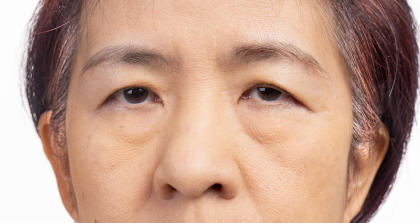
Seronegative myasthenia gravis patient with droopy eyelids

The symptoms of SnMG are the same as seropositive MG. Like seropositive MG, seronegative MG can be ocular or generalized. However, the incidence of ocular MG is higher in seronegative MG patients than in seropositive MG patients, and symptoms can range from mild to severe. Common symptoms include:

  • Droopy eyelids
  • Blurred or double vision
  • Difficulty chewing, swallowing, and talking
  • Facial muscle weakness
  • Difficulty breathing (in severe cases)

The symptoms get worse with repetitive activity and improve with rest. 

Can IVIG help? | Free IVIG Treatment Info | Difficulty In Diagnosing?

Schedule a Consultation

How Is Seronegative Myasthenia Gravis (SnMG) Diagnosed?

Diagnosing seronegative MG patients requires an advanced diagnostic skill set compared to seropositive MG.

Typically, a physician specializing in myasthenia gravis conducts a thorough review of the patient’s medical history and symptoms severity and runs a screening test including:

  • Blood test to check the presence or absence of AChr, MuSK, and LRP4 autoantibodies
  • Electromyography (EMG)
  • Repetitive nerve stimulation (RNS)
  • Single-fiber electromyography (SFEMG)

Recently, a new technique called cell-based assay (CBA) testing has been found to be beneficial for diagnosing seronegative patients. A study published in the Journal of Neuroimmunology reported that when 99 seronegative MG patients were tested using cell-based assay (CBA), 18 patients tested positive for AChR. These findings support the use of clustered AChR CBA testing for seronegative MG diagnosis. 

Similarly, another study reported the same results and highlighted the diagnostic usefulness of performing CBAs in seronegative MG patients. 

Mostly, patients who test negative for MG are often overlooked by medical professionals, which puts them at risk of receiving subpar care that is delivered too slowly. 

What Are the Treatment Options for Seronegative Myasthenia Gravis (SnMG)?

Patients with seronegative MG often face challenges in receiving treatment. Even if they get treatment, they might not get enough care to optimize their symptoms. Since SnMG is difficult to diagnose, treating it may take longer than other conditions. 

Currently, most of the new FDA-approved treatments in the market are only for seropositive myasthenia gravis patients. However, patients with seronegative MG can try the following treatment options under the supervision of their healthcare providers: 

Ongoing research on seronegative myasthenia gravis (SnMG) is being conducted. Researchers are still trying to understand what types of antibodies or proteins are involved in this form of MG so they can develop accurate diagnoses and treatment plans for patients.