Entyvio: A Targeted Treatment for Ulcerative Colitis and Crohn’s Disease

Entyvio (vedolizumab) is a medication developed by Takeda Pharmaceuticals. The FDA first approved it on May 20, 2014 [1]. It is used to treat ulcerative colitis (UC) and Crohn’s disease

Speak to a Specialist

About Copay Assistance
(877) 778-0318

Entyvio is a type of medication called a monoclonal antibody that works by targeting specific parts of the immune system. Doing this helps lessen inflammation in the gut, which causes serious symptoms of UC and Crohn’s disease. This medication can be especially helpful if other medications don’t give you enough relief. 

Entyvio is a more focused treatment option that makes managing your condition easier. But, like any other medication, it also has some side effects, some of which can be severe. 

What Is Entyvio Used To Treat?

Entyvio is FDA-approved  to treat the following inflammatory bowel diseases [2]:

Ulcerative Colitis (UC): UC is a long-term bowel disease in which your colon and rectum are inflamed. It leads to symptoms like stomach pain, diarrhea, and bleeding from your rectum. Entyvio is used to treat moderate to severe ulcerative colitis.

Crohn’s Disease: This is another type of bowel disease that can cause inflammation anywhere in the digestive tract (from the mouth to the anus). It leads to symptoms like belly pain, severe diarrhea, weight loss, fatigue, and malnutrition. Entyvio can treat moderate to severe Crohn’s disease.

It is usually reserved for people who haven’t had success treating their symptoms with other treatments.

How It Works

Your immune system becomes overactive in both ulcerative colitis and Crohn’s disease. Your white blood cells mistakenly identify the cells in your gut lining as threats and attack them. As a result, inflammation occurs in your gut, and you experience symptoms associated with UC and Crohn’s Disease, such as pain and diarrhea. 

Entyvio is a monoclonal antibody. It works by stopping white blood cells from entering your gut [2]. This action lessens inflammation and damage that these cells would typically cause. Unlike some other medications that affect the entire immune system, Entyvio specifically targets the gut. So, it can help reduce inflammation while minimizing side effects that would typically be seen with other medications.

Side Effects

Like all medications, Entyvio can also cause side effects. These can range from common, mild reactions to more serious side effects. Here are some of the side effects of Entyvio [3, 4]:

Common Side Effects

Woman suffering from headaches as a side effect of taking Entyvio

The most common side effects are:

  • Headaches
  • Nausea
  • Fever
  • Joint pain
  • Upper respiratory tract infections (e.g., colds, sinus infections)
  • Pain, swelling, hives, or redness at the injection site

These common side effects usually go away on their own after a short time. However, consult your healthcare provider if they worsen or do not go away.

Get Financial Assistance

Schedule a Consultation

Serious Side Effects

Serious side effects for Entyvio are generally rare. Most people do not experience them, but they can still potentially occur. So, it’s important to seek medical attention if you experience any of the following serious side effects of Entyvio: 

Infusion-Related Reactions: You can experience infusion-related reactions during or shortly after the infusion. The symptoms include rash, itching, difficulty breathing, or chest pain. It’s possible your healthcare provider might monitor you for these reactions for a bit of time after you receive your dose.

Infections: Entyvio can raise your risk of getting serious infections like sepsis or tuberculosis. Symptoms of an infection can include fever, chills, difficulty breathing, cough, and nasal congestion. Get medical attention if you experience any of these symptoms.

Progressive Multifocal Leukoencephalopathy (PML): PML is a serious brain infection caused by a virus that has no cure. People who have a weakened immune system can get it. Although unlikely, Entyvio can increase your chance of getting PML, as it weakens your immune system.

Liver Problems: Entyvio can cause serious liver problems. Symptoms of liver problems include dark urine, yellowing of the skin or eyes, or severe fatigue.

Dosage and Treatment

Entyvio is available as a 300 mg lyophilized powder for injection. This medication is administered via intravenous (IV) infusion over about 30 minutes. Before starting treatment, make sure you are up-to-date with all necessary vaccinations. This is to ensure that your immune system is prepared to fight an infection because Entyvio lowers the activity of your immune system, which raises the risk of infections. The dosing schedule of Entyvio treatment is [2]:

  • Initial Dose: The typical dose is 300 mg at week 0, week 2, and week 6.
  • Maintenance Dose: After the initial doses, you should receive an infusion every 8 weeks.

Note: If you don’t see signs of improvement by the 14th week of treatment, you should talk to your prescriber about whether or not you should discontinue treatment with Entyvio. 

Cost

The cash price for Entyvio is $9,135 for a 300 mg powder for intravenous (IV) injection [5]. However, the real cost will depend on your insurance plan and location. You may also apply for Takeda Pharmaceutical’s financial assistant program. If qualified, you could pay as low as $5 for each Entyvio dosage, up to a total benefit of $20,000 per year [6].

Entyvio FAQs

Here are some answers to frequently asked questions about Entyvio:

1. How long does it take for Entyvio to work?

The time it takes for this medication to work varies from person to person. In clinical trials, some patients saw improvements in ulcerative colitis and Crohn’s disease symptoms within 6 weeks of starting treatment [7]. But it can take up to 14 weeks to get the full effects of the medication. If there is no evidence of improvement by week 14, your healthcare provider may decide to stop the treatment.

2. Is Entyvio safe to use during pregnancy or breastfeeding?

The safety of Entyvio usage during pregnancy and breastfeeding is still unknown [2]. So, if you are pregnant, planning to become pregnant, or breastfeeding, consult with your healthcare provider first.

3. Can I receive live vaccinations while on Entyvio?

No, you can not. Entyvio usually weakens your immune system and increases your risk of getting an infection. Therefore, you should avoid live vaccines while receiving this medication. It’s recommended that all necessary vaccinations be received before starting treatment.


Actemra: The FDA-Approved Treatment for Multiple Autoimmune Conditions

Various autoimmune diseases, such as rheumatoid arthritis (RA), can make life challenging.  Most autoimmune diseases cause pain and make it difficult to perform daily tasks. Fortunately, modern medicine has given us several treatment options to help manage these conditions. Actemra is one of the treatment options to treat various autoimmune and inflammatory diseases.  

You may be wondering what Actemra is, how it works, and what the side effects are. In this article, we will break down everything you need to know about Actemra.

What Is Actemra?

Actemra (tocilizumab) is a prescription drug used to treat several autoimmune and inflammatory diseases. These diseases include rheumatoid arthritis (RA), giant cell arteritis, a type of lung disease, certain types of arthritis in children, and COVID-19. Actemra is also used to manage cytokine release syndrome, a severe reaction to certain cancer treatments. 

Actemra was developed by Genentech, and the FDA first approved it on January 8, 2010 [1]. It belongs to a class of drugs known as interleukin-6 (IL-6) receptor antagonists, and it works by blocking a protein in the body called IL-6, which causes inflammation in autoimmune diseases [2].

Like all medications, Actemra can also cause side effects. Therefore, discussing the risks and benefits of the treatment with your provider is crucial.

What Is Actemra Used To Treat?

Actemra is FDA-approved to treat the following conditions [2]:

Rheumatoid Arthritis (RA): RA is a long-term inflammatory disease that primarily affects the joints. It causes symptoms like joint pain, swelling, and stiffness. Actemra is used to treat moderate to severe rheumatoid arthritis in adults who have not responded well to other treatments.

Giant Cell Arteritis (GCA): This is an inflammatory disease that affects the large blood vessels in the head. Actemra is used to treat GCA. It can help reduce inflammation and prevent complications like vision loss.

Systemic Sclerosis-Associated Interstitial Lung Disease (SSc-ILD): This is a rare and severe condition where the lungs get scarred, making it hard to breathe. Actemra is used to slow the progression of this lung disease.

Polyarticular Juvenile Idiopathic Arthritis (PJIA): This is a type of arthritis that affects five or more joints in children. Actemra is indicated to treat children aged 2 years or older with PJIA.

Systemic Juvenile Idiopathic Arthritis (SJIA): SJIA is a severe form of juvenile arthritis that causes inflammation in one or more joints and affects internal organs. Actemra is indicated to treat children aged 2 years or older with SJIA.

Cytokine Release Syndrome (CRS): CRS is a serious and life-threatening reaction caused by certain cancer treatments like CAR T-cell therapy. Actemra is used to treat adults and children aged 2 years or older with CRS. It can manage CRS by reducing inflammation.

COVID-19: Actemra was granted emergency use authorization by the FDA for treating hospitalized adults with severe COVID-19. It is used for COVID-19 patients who are already taking corticosteroids and need oxygen support.

How Does Actemra Work?

In autoimmune diseases such as rheumatoid arthritis, your immune system becomes overactive and mistakenly attacks your own body. This action causes inflammation and pain, especially in the joints. This happens because a protein in your body called interleukin-6 (IL-6) signals your immune system to create inflammation.

Actemra works by blocking the IL-6 protein from attaching to its receptor on the surface of cells [2]. By doing this, Actemra reduces the inflammation that causes the symptoms of various autoimmune and inflammatory diseases. 

Side Effects

Like all medications, Actemra can cause side effects. Below are some of the side effects of Actemra [3]:

Common Side Effects

Woman with a headache as a side effect of taking Actemra

Here are some of the most common side effects:

  • High blood pressure
  • Headache
  • Injection site reactions (such as pain, redness, or swelling)
  • Upper respiratory tract infections (like common colds or sinus infections)

These common side effects usually subside quickly.  However, please consult your provider if they worsen or do not go away. 

Serious Side Effects

In rare cases, Actemra can cause serious side effects. If you experience any of these serious side effects, seek immediate medical attention. Here are some of the serious side effects of this medication:

Serious Infections: Actemra can increase your chance of serious infections, including tuberculosis (TB) and infections caused by viruses, bacteria, or fungi.

Liver Problems: Actemra can cause severe liver problems. Symptoms include dark urine, yellowing of the skin or eyes, or severe fatigue.

Gastrointestinal Tears (Perforations): Actemra can increase the risk of tears forming in your stomach or intestines. This can cause symptoms like stomach pain, fever, or changes in bowel habits.

Serious Allergic Reactions: Actemra can cause serious allergic reactions, including death. You may experience symptoms like rash, difficulty breathing, chest pain, swelling of the face, lips, or tongue.

Note: This is not a list of all possible side effects. Seek immediate medical attention if you experience any severe side effects.

Dosing Information

The following information describes the recommended doses of Actemra [2]. However, be sure to follow the specific dosing instructions given by your provider because treatment with Actemra is dose-specific for each patient.  

For Rheumatoid Arthritis: You can get this medication via subcutaneous injection. If your weight is less than 100 kg, the usual dosage is 162 mg every other week, followed by an increase every week based on clinical response. If your weight is more than 100 kg, the usual dose is 162 mg every week.

For Giant Cell Arteritis: The recommended dose is 6 mg/kg administered through an intravenous (IV) infusion every 4 weeks in combination with a 

tapering course of glucocorticoids.

For Systemic Sclerosis-Associated Interstitial Lung Disease (SSc-ILD): Actemra is recommended for adult patients with SSc-ILD at a weekly dose of 162 mg, administered subcutaneously. 

For Polyarticular Juvenile Idiopathic Arthritis (PJIA): The subcutaneous PJIA dosage for a child less than 30 kg weight is 162 mg once every 3 weeks. The dosage for a child at or above 30 kg weight is 162 mg once every 2 weeks.

For Systemic Juvenile Idiopathic Arthritis (SJIA): The subcutaneous SJIA dosage for a child less than 30 kg weight is 162 mg once every 2 weeks. The dosage for a child at or above 30 kg weight is 162 mg once every week.

For Cytokine Release Syndrome (CRS): When used for CRS, Actemra is typically administered intravenously. For patients less than 30 kg in weight, the recommended dose is 12 mg/kg in body weight. For patients at or above 30 kg weight, the recommended dose is 8 mg/kg.

For COVID-19: Actemra is recommended for adult COVID-19 patients at a dosage of 8 mg per kg, delivered via intravenous infusion over 60 minutes. 

Cost

The price of Actemra’s intravenous solution (20 mg/ml) is approximately $569 for a supply of 4 ml. The price of the subcutaneous solution (162 mg/0.9 ml) is about $1,247 for a supply of 0.9 ml [4]. However, the real cost will depend on your insurance plan and location. You can apply for the Actemra Copay Program. If you are eligible, you could receive copay assistance up to $15,000 per year [5].

FAQs

Here are some frequently asked questions:

1. Can I use this medication during pregnancy or breastfeeding?

Based on animal studies, researchers have found that Actemra can cause harm to the fetus [2]. Please consult with your provider if you want to use Actemra during pregnancy or if you are breastfeeding. 

2. Can I receive vaccinations while on Actemra?

The clinical safety of live vaccines is still unknown [2]. It is suggested that you should not receive vaccinations while on this medication. Experts suggest that you should be brought up to date on all vaccinations before starting Actemra treatment.

3. Can Actemra interact with other medications?

Yes, it can interact with other medications [2]. So, it is important that you inform your doctor about all the medications, supplements, and over-the-counter products you are using. 

Myasthenia Gravis vs. Bell’s Palsy: What Is the Difference?

Myasthenia gravis (MG) and Bell’s palsy are neurological conditions that cause muscle weakness but have different underlying causes, symptoms, disease onsets, diagnoses, and treatment procedures. 

Speak to a Specialist

About Copay Assistance
(877) 778-0318

This article discusses the major differences between myasthenia gravis and Bell’s palsy disorders to educate patients or caregivers on when to seek immediate medical care. 

Myasthenia Gravis vs. Bell’s Palsy: Overview

Myasthenia gravis, or MG, is an autoimmune neuromuscular disorder that causes skeletal muscle weakness and severe fatigue. MG mainly affects the voluntary muscles, especially those surrounding the eyes, mouth, throat, and limbs. However, in rare cases, MG can lead to acute respiratory paralysis if not diagnosed early. 

On the other hand, Bell’s palsy is a condition that causes temporary facial paralysis on one side of the face (either left or right). The muscles on one side of the face do not work properly due to damage to the facial nerve, which makes half of the face appear to droop. 

Causes

Myasthenia gravis is an autoimmune disorder, which means the immune system produces autoantibodies that block or destroy the receptor sites of acetylcholine (a chemical produced by nerves and acts as a signal to tell muscles to contract). When the receptor sites are blocked or destroyed, the muscles receive fewer nerve signals, which leads to muscle weakness. 

On the other hand, Bell’s palsy is caused or triggered by a viral infection (e.g., herpes simplex virus). When the immune system reacts against the virus, it also affects the facial nerve. As a result, the facial nerve becomes inflamed (swollen), leading to failure of nerve signal transmission to the surrounding facial muscles.

Signs and Symptoms

Myasthenia gravis and Bell’s palsy share one or two similar symptoms, which can sometimes lead to misdiagnosis. For example, most patients with MG experience drooping eyelids and trouble swallowing, which also fall into the symptom categories of Bell’s palsy disorder. 

However, both conditions have different major signs and symptoms, which are as follows:

Symptoms Myasthenia GravisBell’s Palsy
Muscle weaknessGeneralized and affects both sides of the faceLocalized to only one side of the face (either left or right)
Facial involvementDifficulty with facial expression (e.g., smiling or frowning) but not limited to one sideFacial expression is limited to one side (asymmetry)
Drooping of mouth
Drooling and excessive tearing
Eye symptomsDrooping of one or both eyes (ptosis)Double visionDrooping of one eye or difficulty closing one eyelid, which leads to eye dryness or irritation
Facial painDifficulty chewing, swallowing, or speakingPain around the jaw or behind the ear of the affected side

Myasthenia Gravis vs. Bell’s Palsy: Prevalence

MG can affect people of any age, but it is more prevalent in young women in their 20s or 30s and older men in their 60s or 70s. 

Unlike MG, Bell’s palsy affects men and women equally, usually between the ages of 15 and 60 years old.

Get Financial Assistance

Schedule a Consultation

Myasthenia Gravis vs. Bell’s Palsy: Diagnosis

Doctor preparing to draw blood for a blood test

The doctor follows a series of tests for the diagnosis of MG, which include:

  • Physical evaluation: To check medical history and symptoms
  • Blood test: To check the presence of anti-acetylcholine receptor antibodies (AChR) or anti-muscle-specific kinase antibodies in the blood
  • Electromyography (EMG): To check communication problems between muscles and nerves
  • Imaging studies like MRI and a chest CT: To check if there are any other disease associations such as thymus gland abnormalities or tumor

Bell’s Palsy is easier to diagnose, and the doctor performs a physical exam to check if a patient has trouble moving facial muscles. The doctor also conducts electromyography to confirm the diagnosis or assess nerve damage. 

Treatment Procedure

MG is a long-term disease and has no cure yet. However, several treatment procedures or medications can help manage this condition and reduce disease-associated symptoms, which include:

Conversely, Bell’s palsy is a temporary condition that recovers easily with rest, medication, and physical therapy. Doctors typically prescribe corticosteroids or antiviral medication to reduce nerve inflammation. In most cases, lubricating eye drops are also prescribed if patients have trouble fully closing their eyes.

Summary

Let’s quickly review the main differences between myasthenia gravis and Bell’s palsy disorders.

Summary Table: Myasthenia Gravis vs. Bell’s Palsy

Key DifferencesMyasthenia GravisBell’s Palsy
Type of disorderAutoimmune disorderViral infection-associated neurological disorder
Affected areasVoluntary muscles throughout the bodyFacial muscles on one side of the face
Onset and durationDevelops more gradually and fluctuates throughout the dayDevelops suddenly and can get worse over 48 hours 
PrevalenceYoung women and older menBoth men and women are equally affected
Progression and recoveryLong-term chronic condition and requires ongoing managementTemporary and good chance of recovery
Treatment approachLong-term immunotherapyShort-term steroids and supportive care

IVIG for Stevens-Johnson Syndrome (SJS)

If you notice a painful rash, blisters, or lesions on your skin after taking certain medications, you should get immediate medical help, as these are the alarming signs of an acute, rare, and potentially fatal skin disorder called Stevens-Johnson syndrome or SJS. 

Get IVIG Prior Authorization

(877) 778-0318

Stevens-Johnson syndrome is a rare but serious skin condition that affects approximately two to seven people out of a million annually. Each year, around 300 new cases of SJS are reported in the United States.

Among the treatment options for SJS, IVIG therapy is considered an effective approach for treating this life-threatening skin condition. 

This article discusses Stevens-Johnson syndrome, how it occurs, and how IVIG can help.

What Is Stevens-Johnson Syndrome?

Stevens-Johnson syndrome is a rare and life-threatening condition that severely affects your skin and the lining of mucous membranes. It is often triggered by certain medications (in over 80% of cases) or infections (viral or mycoplasma pneumoniae). 

SJS begins with flu-like symptoms, including fever, sore throat, and fatigue. Within a few days, red or purplish spots on the skin appear. Eventually, the skin around these spots peels away in sheets as blisters pop. Moreover, the mucous membranes of the mouth, eyes, and genitalia are also affected and result in painful ulcers. 

What Causes Stevens-Johnson Syndrome?

A genetic mutation in the HLA-B gene is considered the main cause of Stevens-Johnson syndrome. This gene is a part of the human leukocyte antigen (HLA) complex, which helps the immune system differentiate between proteins made by the body and those produced by pathogens like bacteria and viruses. 

Studies reported that variations in the HLA gene cause the immune system to react abnormally to certain medications (e.g., anticonvulsants, allopurinol, sulfonamides, nevirapine, NSAIDs, carbamazepine, etc.) and cause the destruction of the cells (keratinocytes) in the skin and mucous membrane. 

Immune cells, particularly cytotoxic T-cells and natural killer (NK) cells, release granulysin, a substance that destroys the skin and mucous membrane cells and causes blistering and peeling. 

How Does IVIG Therapy Work in Patients With SJS?

Some studies have shown that IVIG therapy can help regulate immune function, reduce mortality, and improve outcomes in patients with Stevens-Johnson syndrome if started early. 

For example, a case report of a ten-year-old female patient who received a dose of 750 mg/kg/day (4 days) of IVIG, along with intravenous fluids and clindamycin, showed significant improvement in her condition without a fever spike and with remission of her skin lesions after 8 days of treatment. 

Working Mechanism of IVIG Therapy

Though the exact mechanism of IVIG therapy is unclear, it is thought to work by:

1. Suppressing the CD8+ T Cell Activation

Since the activation of CD8+ cytotoxic T-cells and NK cells causes the destruction of the keratinocytes in the skin and mucous membrane, IVIG therapy works to strongly suppress their activation, which results in reduced response to drug components. 

Moreover, IVIG also reduces the number of NK cells in the blood and the level of granzyme B (an enzyme present in the granules of NK cells and cytotoxic T cells that destroy keratinocytes). Thus, IVIG prevents disease severity and progression by reducing the amount of granzyme B in the plasma.

2. Reducing Inflammation

The anti-inflammatory properties of IVIG therapy reduce inflammation and prevent further skin and mucous membrane damage caused by inflammation in patients with Stevens-Johnson syndrome. 

3. Promoting Wound Healing

The antibodies provided by IVIG therapy promote a rapid wound-healing process in Stevens-Johnson syndrome patients. Furthermore, some studies suggest that IVIG combined with corticosteroids has reduced the recovery time in individuals with Stevens-Johnson syndrome. 

In addition to this, IVIG therapy also decreased the mortality rate in Stevens-Johnson syndrome patients who received IVIG therapy (a dose of ≥2 g/kg) compared to others who did not take the IVIG treatment.

Get Financial Assistance

Schedule a Consultation

How Long Is IVIG Therapy Given to Patients With Stevens-Johnson Syndrome?

The duration of IVIG therapy in patients with SJS depends on the disease severity. Typically, IVIG is considered during the severe stage of SJS called toxic epidermal necrolysis, and patients receive IVIG infusions daily for 3 to 5 days.

Can IVIG Cause Any Side Effects in Patients With Stevens-Johnson Syndrome?

A patient with SJS may experience some side effects while receiving IVIG infusions. Some common side effects include allergic reactions, nausea, headache, chills, or fever. 

What Is the Recommended Dosage of IVIG for Stevens-Johnson Syndrome?

The recommended initial dose of IVIG for patients with Stevens-Johnson syndrome and whose SCORTEN (a scale that determines the severity of skin conditions) is higher than 0 is 2 – 3 g/kg, which is given over 2 – 3 days, depending on the disease severity. 

Summary

Stevens-Johnson syndrome (SJS) is a severe skin condition that causes painful rash and blisters on the skin and mucous membrane lining. This skin reaction is caused by a drug-mediated immune response that targets and kills the keratinocytes (cells present in the epidermis). IVIG therapy is considered a promising treatment for SJS and helps to calm down the abnormally active immune response in SJS patients. 

What Is Bulbar Myasthenia Gravis?

Myasthenia gravis (MG) is a rare long-term autoimmune disease that causes voluntary muscle weakness. In MG, your body creates antibodies that disrupt the communication between your nerves and muscles. It can affect any muscle group. However, a specific form known as bulbar myasthenia gravis targets the muscles involved in speaking, swallowing, and chewing. This article will explore bulbar myasthenia gravis, its symptoms, treatment, and management.

Get Financial Assistance

(877) 778-0318

Understanding Myasthenia Gravis

Myasthenia gravis is a rare disease that causes muscle weakness. It happens when your body’s immune system mistakenly attacks the connection between your nerves and muscles. This attack disrupts the signal that helps muscles move, causing muscle weakness. This weakness gets worse during physical activity but improves after resting. MG often attacks muscles that control eye movement, facial expression, breathing, and swallowing [1].

There are three main types of myasthenia gravis (MG): autoimmune, neonatal, and congenital. Autoimmune MG has two subtypes: generalized and ocular. In ocular MG, only the muscles that move the eyes and the eyelids are affected. It can cause symptoms like slowed eye movements and double vision. On the other hand, generalized MG affects several areas of the body. It usually affects the muscles of the arms, legs, and chest. For those diagnosed with ocular MG, it is possible that it may progress to generalized MG over time [2].

What Is Bulbar Myasthenia Gravis? 

Bulbar myasthenia gravis is a subtype of generalized MG where the bulbar muscles are affected. Bulbar muscles are a group of muscles located in the head and neck. They are responsible for functions such as swallowing, speaking, and chewing. Bulbar MG can significantly impact a person’s ability to speak, eat, and hold up their head, leading to problems in daily life.

About 15% of people with myasthenia gravis (MG) initially experience bulbar symptoms (difficulty speaking, eating, etc.). However, it is rare for these symptoms to appear alone. Usually, people who have bulbar symptoms also experience other typical symptoms of MG [3].  

Symptoms and Diagnosis

Bulbar myasthenia gravis involves the following symptoms related to the bulbar muscles [4]:

  • Dysphagia: Bulbar MG can cause difficulty swallowing (dysphagia). Also, it can cause foods or liquids to accidentally go into the lungs, leading to lung infection.
  • Dysarthria: Your speech can get slurred or unclear due to weakness in the muscles controlling speech.
  • Facial Weakness: Bulbar MG can reduce your ability to make facial expressions. This can affect your communication.

For the diagnosis of bulbar myasthenia gravis, doctors use different check-ups and tests. First, they might start with a physical exam to see how strong the muscles are. If your doctor suspects MG, then they might order blood tests to look for specific antibodies. Commonly, patients with MG tend to have high levels of acetylcholine receptor antibodies. Additionally, your doctor might suggest electrodiagnostic tests such as an electromyograph (EMG). These tests show how well the nerves and muscles are working together. Lastly, if your doctor confirms that you have MG, then they might suggest a CT scan, chest X-rays, or MRI to examine your thymus. This is because a tumor in the thymus is found in about 15% of MG patients [5].

Speak to a Specialist

About Copay Assistance
Schedule a Consultation

Treatment of Bulbar Myasthenia Gravis

Close up of a man's arm while receiving an IVIG infusion at a hospital

The symptoms of bulbar myasthenia gravis differ from patient to patient. Some may only experience issues with the bulbar muscles, while others might also have other symptoms. Therefore, the treatment plan is generally tailored to your specific condition. The treatment plan usually includes:

  • Medications: Your doctor may prescribe medications like pyridostigmine, which can help improve muscle strength. Additionally, your doctor may prescribe drugs like prednisone or azathioprine to lower your immune system’s attack on your body [6].
  • Thymectomy: If there is a tumor or abnormality in your thymus gland, then surgical removal of your thymus gland can improve your symptoms [6].
  • Intravenous Immunoglobulin (IVIG): IVIG involves injecting a type of antibody that can help reduce the immune system’s production of harmful antibodies [7].
  • Speech Therapy: You may consider speech therapy, which can help you manage problems with speech and swallowing.
  • Nutritional Support: If you have severe swallowing difficulties, your doctor may use methods like tube feeding to ensure proper nutrition.

Please note that bulbar myasthenia gravis patients have to maintain a healthy lifestyle. They should avoid stress, tension, smoking, and other harmful things. Also, regular check-ups with doctors are essential.

The Bottom Line

Bulbar myasthenia gravis is a challenging subtype of myasthenia gravis. It affects muscles involved in speaking, swallowing, and chewing and creates great difficulties in an individual’s day-to-day life. However, with early diagnosis and a customized treatment plan, an individual with bulbar MG can lead a fulfilling life.

10 Tips for Living Well with Autoimmune Encephalitis

Autoimmune encephalitis (AE) is a rare condition where the body’s immune system attacks healthy brain cells and causes inflammation. Living with autoimmune encephalitis can be challenging. 

Get Financial Assistance

(877) 778-0318

Those affected will experience various neurological issues, from confusion and memory loss to seizures and paranoia. However, patients can manage symptoms and live happily with the appropriate treatment and support.

Below, we will provide ten tips to help you lead a fulfilling life with autoimmune encephalitis. 

Tip 1: Educate Yourself About the Disease

Education is essential when managing a rare condition like autoimmune encephalitis. Only 13 out of 100,000 people suffer from AE. If you are one of these people, the more you know about your condition, the better you can handle it.

Those living with autoimmune encephalitis must understand the different causes, symptoms, and types of the disease. While AE is an autoimmune condition, it can be triggered by various factors, such as certain cancers, infections, and tumors.

Symptoms of this disease have a neurological nature and may present differently based on the type of AE. The most common types of AE are:

  • Limbic encephalitis
  • Hashimoto’s encephalitis
  • Anti-NMDA receptor encephalitis

You can refer to this article “a comprehensive guide to autoimmune encephalitis” to learn more about the disease. Your physicians and healthcare providers can also guide you in the right direction and introduce reliable resources to help you better understand your condition.

Tip 2: Establish a Support System

Living with autoimmune encephalitis can be an isolating experience. Having a support system can make a world of difference. Family and friends who understand your condition can help you cope with the daily challenges of your disease by: 

  • Encouraging you during difficult times
  • Offering emotional support and reassurance
  • Alleviating feelings of loneliness and anxiety
  • Providing practical assistance and helping with daily tasks

To communicate effectively with your support system about your condition, you must:

  • Establish boundaries
  • Provide specific ways they can help
  • Be open and honest about your limitations
  • Educate them about AE and how it affects you
  • Encourage them to ask questions and express concerns

Join a Support Group

Your friends and family do not have to be your only source of support. There are many other people living with autoimmune encephalitis. You can find them through support groups and online forums to learn more about their coping strategies and offer mutual support.

Tip 3: Prioritize Self-Care

Prioritizing self-care is crucial when battling an autoimmune condition like AE. It can help you better manage your symptoms and improve your quality of life. You must attend to your sleep, nutrition, and physical and mental health. 

Consider the following tips:

  • Stay hydrated by drinking plenty of water throughout the day
  • Eat a balanced diet rich in fruits, vegetables, whole grains, and lean proteins
  • Engage in light to moderate physical activity, such as walking 3-5 days a week
  • Plan meals to ensure you are consuming all the essential nutrients while living with autoimmune encephalitis
  • Identify triggers of stress and develop coping strategies to address them
  • Incorporate relaxation techniques such as mindfulness, deep breathing exercises, and meditation into your day
  • Aim for 7-9 hours of quality sleep each night and establish a bedtime routine to achieve it

Speak to a Specialist

About Copay Assistance
Schedule a Consultation

Tip 4: Find the Right Treatment Plan

A doctor talking to a female patient

Working closely with healthcare providers, including neurologists, immunologists, and other specialists, allows you to find the best treatment option for managing your disease. They can help develop a personalized treatment plan tailored to your needs.

Be honest about your concerns and be open to different treatments. Your best option may be tumor removal surgery, or you may benefit more from receiving IVIG therapy for autoimmune encephalitis.

While undergoing treatment and living with autoimmune encephalitis, you must also manage your medications and their side effects:

  • Track your medications by making a detailed list of their schedules and dosages
  • Set reminders to take your meds on time
  • Inform your doctors if you experience any unusual side effects with your medications

Tip 5: Manage Cognitive Symptoms

Cognitive impairment is a hallmark of autoimmune encephalitis. Patients are often prone to experiencing memory problems, mood swings, agitation, and even depression. 

You must learn how to manage your cognitive symptoms to make living with autoimmune encephalitis easier. Here are some tips you can use:

  • Seek cognitive therapy or counseling if needed
  • Use visual cues and labels to help with organization
  • Practice cognitive exercises and brain training activities
  • Break down tasks into smaller, more manageable steps
  • Minimize distractions in your environment to maintain focus
  • Create a structured daily schedule to plan and prioritize tasks
  • Use memory aids like calendars, to-do lists, and reminder apps
  • Have consistency in your daily activities to support concentration

Tip 6: Stay Active and Engage in Hobbies

Despite physical limitations, you must find ways to remain active. By staying active and engaging in hobbies, those living with autoimmune encephalitis can enhance their physical and emotional well-being. You can stay active by:

  • Incorporating stretching or mobility exercises to reduce stiffness
  • Modifying activities based on personal abilities and energy levels
  • Engaging in low-impact exercises such as yoga, walking, or swimming
  • Consulting healthcare professionals for guidance on safe and suitable exercise routines

Do not forget to find hobbies that bring you joy and fulfillment. These hobbies can include:

  • Gardening or spending time in nature 
  • Learning new skills to keep the mind stimulated
  • Participating in music therapy or playing a musical instrument
  • Exploring creative outlets such as painting, crafting, or writing

Get Copay Assistance Now

(877) 778-0318

Tip 7: Track Changes in Symptoms

A woman writing in her diary

Living with autoimmune encephalitis can be unpredictable. Your symptoms may fluctuate and change over time. It is crucial to keep track of these changes to identify triggers, optimize symptom management, and take control of your health.

Here are some tips you can use to monitor your symptoms effectively:

  • Keep a detailed symptom diary 
  • Record the severity of each symptom and write down any changes in your condition
  • Identify warning signs like increased fatigue or mood changes that may indicate a flare-up
  • Find any potential triggers like stress or lack of sleep that worsen your symptoms

You can later share this symptom diary with your healthcare providers to give them a clearer picture of your condition.

Tip 8: Stay Positive and Resilient

Staying positive and resilient is crucial for individuals living with autoimmune encephalitis. A positive attitude can not only improve your mental well-being. According to studies, it can also positively impact your physical health.

However, it is not always easy to stay positive, especially when you are living with an autoimmune disease like AE. To foster a positive mindset, you must:

  • Try to find joy in everyday activities
  • Focus on the things you can control 
  • Stay engaged in activities that bring you joy and fulfillment
  • Set realistic goals for yourself and celebrate small victories
  • Prioritize self-compassion and give yourself grace during difficult times
  • Remember that it is okay to have bad days and to ask for help when you need it

Tip 9: Modify Your Lifestyle and Work

You may need to make a few adjustments to your lifestyle and work schedule while living with autoimmune encephalitis. Here are some tips to help you make these modifications:

  • Consider flexible work options if possible
  • Use assistive technology tools to aid in cognitive tasks
  • Try telecommuting, part-time hours, or job-sharing to manage fatigue and cognitive challenges
  • Communicate with your employer about your condition and work together to find accommodations that support your needs, such as:
    • Longer deadlines
    • Reduced workload
    • Breaks during the day

By prioritizing your health over work, you can reduce stress and manage your condition better to live a fulfilling life.

Speak to a Specialist

Get Started

Tip 10: Stay Informed and Advocate for Yourself

While you may have the support of your friends, family, and healthcare providers, you must be your own biggest advocate when living with autoimmune encephalitis. 

Here is how you can do that:

  • Research available treatments to make informed decisions about your care
  • Communicate openly with healthcare providers about your symptoms, concerns, and treatment preferences
  • Advocate for yourself in seeking appropriate accommodations at work or in school
  • Educate others about autoimmune encephalitis and the challenges you face
  • Raise awareness about the disease within your community, social circles, and support networks
  • Share your experiences and challenges with friends, family, and colleagues
  • Stay current on research, advancements, and new treatments to explore all potential options for managing symptoms and improving outcomes
  • Consult healthcare providers to discuss new treatment options and potential clinical trials that may benefit your condition

Manage Autoimmune Encephalitis With AmeriPharma™ Specialty Pharmacy

Autoimmune encephalitis can be manageable with the correct approach. If you or a loved one are living with autoimmune encephalitis, you can use the tips above to lead a happier life.

AmeriPharma™ Specialty Pharmacy can help you in that quest. Our ACHC-accredited specialty pharmacy provides at-home IVIG therapy for those with rare and complex conditions like AE.

We serve patients in more than 40 US states and territories. Our trained and caring infusion nurses can come to you to administer treatments and help you manage your condition in the comfort of your home. 

Contact us now to talk to a specialist and receive specialty care at home with full-service coordination, 24/7/365 support, and copay assistance.

Multiple Sclerosis vs. Myasthenia Gravis: How Do They Differ?

Multiple sclerosis and myasthenia gravis are autoimmune conditions affecting the nervous system. An autoimmune condition is when the body’s immune system mistakenly attacks healthy tissues and cells of the body. While they share similarities, there are notable differences between multiple sclerosis and myasthenia gravis.

Speak to a Specialist

About Copay Assistance
(877) 778-0318

Understanding these differences will help you manage your condition more effectively and improve your quality of life.

Below, we will examine multiple sclerosis vs. myasthenia gravis in greater detail. We will discuss the causes, symptoms, treatments, and outlook for both disorders to help you better understand and distinguish between them.

Overview

Let’s start with an overview of both conditions.

Multiple Sclerosis 

Multiple sclerosis (MS) is a long-term neurological disorder that occurs when the body mistakenly attacks the protective layer around nerve cells, called myelin sheath, in the central nervous system (the brain and spinal cord).

This attack causes an interruption in the brain and spinal cord communication, leading to a variety of neurological symptoms.

MS can affect people of all ethnicities, but it’s more common in women of European descent. 

Healthcare providers often diagnose MS in people between the ages of 20 and 40 years old. However, it can be diagnosed in other age groups too.

Myasthenia Gravis

Myasthenia gravis (MG) is another neurological autoimmune condition. The difference between multiple sclerosis and myasthenia gravis is that the body attacks the receptors in the neuromuscular junction in MG.

This junction is the communication site between the nerves and muscles. When damaged, it prevents the muscles from receiving nerve signals, leading to muscle weakness and lack of contraction.

This disease can affect anyone. However, it’s more prevalent in white women under 40 and men over 60.

Symptoms

Now, let’s look at the symptoms of multiple sclerosis vs. myasthenia gravis.

Symptoms of Multiple Sclerosis 

Symptoms of MS will vary in each person based on the stage of their disease. The most common signs of MS include:

  • Fatigue
  • Tremors
  • Dizziness
  • Vision loss
  • Depression
  • Chronic pain
  • Trouble walking
  • Memory problems
  • Sexual dysfunction
  • Coordination and balance issues
  • Numbness or tingling
  • Trouble thinking clearly
  • Blurred or double vision
  • Muscle spasticity or weakness
  • Loss of bowel or bladder control

Symptoms of Myasthenia Gravis

Myasthenia gravis symptoms and complications typically happen in the voluntary muscles. People may notice weakness in the arms, legs, and face muscles that worsens with exertion.

The most common signs of myasthenia gravis include:

  • Eyelid drooping
  • Facial paralysis
  • Speech difficulties
  • Shortness of breath
  • Eye muscle weakness
  • Blurred or double vision
  • Swallowing or chewing difficulties
  • Weakness of the limbs, hands, or neck

Get Financial Assistance

Schedule a Consultation

Causes

Another difference between multiple sclerosis and myasthenia gravis is their cause. While both conditions result from the body’s immune system attacking itself, the underlying reasons for this action may differ.

Let’s look closer at what the underlying reasons for multiple sclerosis vs. myasthenia gravis could be.

Causes of Multiple Sclerosis 

We don’t yet know the exact cause of MS, but the following factors may contribute to the disease:

  • Genetics: Those with a family history of MS have a higher risk of developing it.
  • Childhood Infections: Research suggests a potential connection exists between certain childhood infections and MS in adulthood.
  • Other Contributors: Factors such as obesity, smoking, and vitamin D deficiency can also contribute to MS.

Causes of Myasthenia Gravis

Factors that may be involved in the development of MG include:

  • Genetics: Studies show that 5% of patients have a relative with MG or another type of autoimmune disorder.
  • Thymus Gland Abnormalities: Some patients with myasthenia gravis have an enlarged thymus gland.

Diagnosis

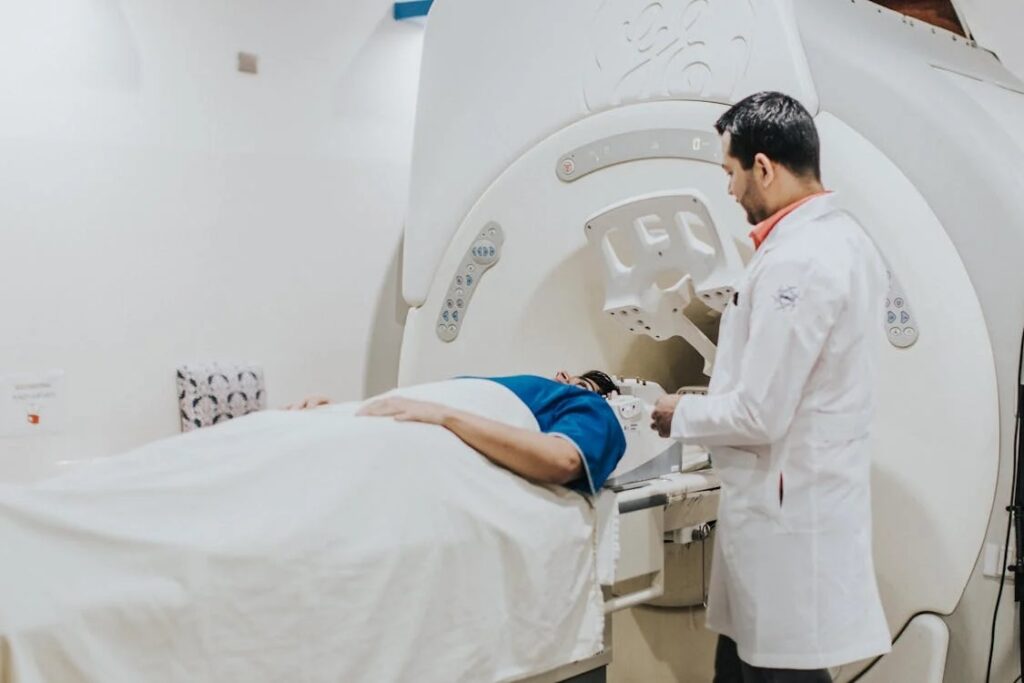
Doctor examining patient in MRI machines

Diagnostic tests for both diseases are somewhat similar. However, healthcare providers may use specific tests to identify the differences between multiple sclerosis and myasthenia gravis and rule out other diseases.

Diagnosing Multiple Sclerosis 

The first step toward diagnosing MS involves a thorough medical history review. Healthcare providers will then ask about your symptoms and assess your neurologic functions like balance, coordination, vision, and reflexes.

Diagnosing MS relies on ruling out other diseases. For that purpose, healthcare providers may order these tests:

  • Blood Tests: A blood test can help dismiss the presence of other conditions such as HIV, syphilis, and Lyme disease.
  • Lumbar Puncture: Special tests such as lumbar puncture may be used. This test involves removing cerebrospinal fluid from the patient’s spine and analyzing it for particular antibodies.
  • MRI Scans: Imaging tests like MRI can look for signs of nerve demyelination or scarring associated with MS.

Get Copay Assistance Now

(877) 778-0318

Diagnosing Myasthenia Gravis

Healthcare providers will start with a thorough medical history evaluation and symptoms assessment to diagnose MG. They will conduct neurological exams to assess muscle strength and eye movement. 

Physicians sometimes misdiagnose MG with other diseases. However, since there is a difference between myasthenia gravis and multiple sclerosis, specialized tests such as the following become necessary:

  • Tensilon Test: Healthcare providers can check for myasthenia gravis with a tensilon or edrophonium test. This test assesses temporary muscle improvements in patients. 
  • Blood Tests: A blood test will check for antibodies associated with MG.
  • Imaging Tests: Imaging tests such as MRI or CT scans can detect tumors related to MG.
  • Electrodiagnostic Testing: These tests can assess muscle fiber response and identify signs of muscle and nerve injuries.

Treatment

There are various treatment options for both disorders. Some may be more effective for MG, while others work better for MS. However, it’s important to note that there are no cures for MG or MS. Rather, treatment focuses on relieving symptoms and improving muscle function.

Let’s look at different types of treatments for multiple sclerosis vs. myasthenia gravis.

Treatments for Multiple Sclerosis 

Medications

Disease-modifying therapies (DMTs) are a class of medications that help patients manage flares and slow disease progression. DMTs work by regulating the immune system and reducing inflammation. Kesimpta is an FDA-approved solution for multiple sclerosis that belongs to this class.

Corticosteroids are another class of medications that can reduce inflammation. While they’re effective for both autoimmune conditions, there is a difference in their dosage between myasthenia gravis and multiple sclerosis.

Other medications that can improve the symptoms of multiple sclerosis include:

  • Fingolimod (Gilenya)
  • Siponimod (Mayzent)
  • Natalizumab (Tysabri)
  • Ocrelizumab (Ocrevus)
  • Teriflunomide (Aubagio)
  • Alemtuzumab (Lemtrada)
  • Dimethyl fumarate (Tecfidera)
  • Glatiramer acetate (Copaxone)
  • Interferon beta-1a (Avonex, Rebif)
  • Interferon beta-1b (Betaseron, Extavia)

Lifestyle Changes

Another way MS patients can manage their symptoms is by making simple lifestyle changes, such as:

  • Exercising regularly
  • Undergoing physiotherapy
  • Eating a healthy, balanced diet
  • Getting enough quality sleep each night
  • Quitting smoking and limiting alcohol consumption
  • Managing stress through techniques such as mindfulness meditation or deep breathing

Treatments for Myasthenia Gravis

Medications

Patients can use immunosuppressants and corticosteroids to manage their immune response and reduce inflammation. They can also use cholinesterase inhibitors to improve communication between the nerves and muscles.

Plasmapheresis

Another treatment for MG is plasma exchange or plasmapheresis, which involves removing abnormal antibodies from the blood and replacing them with normal ones from healthy donated blood to reduce muscle weakness.

IVIG

Intravenous immune globulin (IVIG) is another therapy for myasthenia gravis. It uses antibodies donated from healthy donors to boost the immune system and reduce autoimmune attacks on neuromuscular junctions.

Thymectomy

The last treatment option for myasthenia gravis is thymectomy. This surgical procedure involves removing the thymus gland, which produces the harmful antibodies that attack the neuromuscular junction.

This treatment leads to sustained remission in about half of those who undergo it.

Speak to a Specialist

About Copay Assistance
Get Started

Outlook

A smiling woman in a wheelchair with her friend

There is a difference in disease progression and outlook between myasthenia gravis and multiple sclerosis patients. Let’s explore them below.

Outlook for MS Patients

The outlook can vary for those living with multiple sclerosis. Symptoms may fluctuate over time, and relapses may occur years apart. 

With the disease progressing, the time between relapses will shorten, and patients will experience more functional difficulties. However, with early diagnosis and proper management, those with MS can lead fulfilling lives.

Outlook for MG Patients

Myasthenia gravis life expectancy and disease course can improve with appropriate treatment. In most patients, symptoms reach their peak severity 1-3 years from diagnosis. 

Some may experience more severe symptoms and require ongoing therapy. However, most people can live active lives during treatment and go into remission after procedures such as thymectomy.

Receive Specialty Treatments for MS and MG At Home from AmeriPharma™ Specialty Pharmacy

MS and MG are both autoimmune disorders that can lead to various neurological complications. While they are similar in many ways, the symptoms of multiple sclerosis are more widespread and impactful on daily activities.

By knowing the differences between multiple sclerosis and myasthenia gravis, you can handle your condition better and receive the appropriate treatment. If you need specialty treatment for your autoimmune disorder, AmeriPharma™ Specialty Pharmacy can help.

Our URAC and ACHC-accredited specialty pharmacy provides at-home IVIG therapy and hard-to-find medications for individuals with complex conditions. We operate in over 40 US states and territories and can send our trained infusion nurses to your home for convenient treatments.

Contact us now to receive specialty care at home and manage your condition with full-service coordination, 24/7/365 support, and copay assistance.

Hemophilia and Aging: How the Condition Affects the Elderly Population

Hemophilia is a rare genetic disease in which your blood doesn’t clot properly. As a result, when you bleed, it can take a really long time to slow down the bleeding, and it might not even stop. This disease is usually seen in younger people because it starts in early life. There was a time when the lifespan of a hemophilia patient was short. But things have changed. With the advancement of modern medicine, people with hemophilia can now live much longer. However, with growing age, there come some complications. In this article, we are going to discuss hemophilia and aging, and the complications of hemophilia in elderly people.

Speak to a Specialist

About Copay Assistance
(877) 778-0318

What Is Hemophilia?

Hemophilia is a rare genetic disorder that’s typically more common in males. People with hemophilia aren’t able to form blood clots because they’re missing certain proteins called clotting factors. These clotting factors are needed for the steps of blood clot formation. There are two main types of hemophilia: hemophilia A and hemophilia B. Hemophilia A is caused by a lack of clotting factor VIII, and hemophilia B is caused by a lack of clotting factor IX. Both types of hemophilia lead to longer bleeding times, which harms joints and muscles over time. People with hemophilia often experience symptoms like joint pain, swelling, and headaches. They may also bleed internally and have trouble moving. They must manage these symptoms for the rest of their lives with medications that replace the missing clotting factors to help prevent or control bleeding episodes.

Hemophilia and Aging

With the advancement in the medical sector, the life expectancy for people with hemophilia has improved a lot. In 1920, the life expectancy of hemophilia patients was just 11.4 years. This has now increased to nearly a normal lifespan today [1]. According to a 2011 report from the CDC, there are 18,270 people in the U.S. with hemophilia. Of these people, 2,278 (or 13%) are between 45 and 64 years old, and 530 (or 3%) are 65 years or older. The number of people with hemophilia who are over 65 is expected to grow a lot in the next decade. But living longer brings new challenges. The natural aging process can make hemophilia complications worse. Here are some of those complications:

1. Viral Disease

Many viral infections, like hepatitis B, hepatitis C, and HIV, create great challenges for older hemophilia patients. The introduction of a therapy known as HAART has improved the survival of HIV-positive hemophilia patients. But, many people also have hepatitis B and C, especially those born before 1975 [2]. This is because hemophilia patients need some blood products, and back then, there was a lack of safety measures. Hepatitis B and C can cause severe liver disease, liver failure, and liver cancer. These conditions are difficult to manage, especially in old age. Furthermore, liver damage from these viral infections increases the risk of bleeding complications. This can make treatment more complex and reduce overall life expectancy.

2. Development of Inhibitors

Inhibitors are antibodies (proteins) that your body creates against the treatment you receive. In the case of hemophilia, your body can develop inhibitors against factor VIII or factor IX therapy. These inhibitors can reduce your treatment’s effectiveness, which can lead to hemophilia symptoms coming back, such as bleeding, joint damage, and pain. Inhibitors develop in about 30% of hemophilia A and 5% of hemophilia B patients, often within their first 20 – 50 treatments. The risk of developing inhibitors increases with age and repeated treatments. By age 75, about 12% of people with mild or moderate hemophilia may have inhibitors [3]. So, as you age, managing inhibitors may require special treatments and therapies.

Hands holding blood drop,

3. Heart-Related Complications

The good news for hemophilia patients is that hemophilia may lower the risk of heart disease due to reduced blood clotting. A European study has shown that heart disease-related deaths are lower in men with hemophilia [4]. Despite this, age, high blood pressure, diabetes, and high cholesterol still pose heart risks. If an elderly hemophilia patient develops heart problems, then managing it becomes difficult, especially with surgeries and blood thinners, which increase bleeding risk [3].

Get Financial Assistance

Schedule a Consultation

4. Cancer

Data suggests that older people with hemophilia are at a higher risk for certain cancers, including liver cancer and lymphoma. Liver cancer is a significant cause of death in people with hemophilia, especially in those over 45 or those who got hepatitis C at an older age [2]. So, for older people with hemophilia, regular checks are recommended to catch cancer early.

5. Joint Disease

Repeated bleeding episodes over time in people with hemophilia can lead to long-term joint problems and joint disease, especially if there’s bleeding into a joint. This is more serious in older patients and can cause significant pain. Moreover, managing pain is tough due to the risks associated with common painkillers. A common solution for managing pain is joint replacement surgery. However, bleeding management during surgery can be a challenge. 

6. Managing Multiple Medications and Drug Interactions

Older people often take multiple medications for various medical conditions. So, managing hemophilia in older people is complex because certain medications, including painkillers (e.g., NSAIDs like ibuprofen [Advil, Motrin]) and heart medications (e.g., aspirin, clopidogrel [Plavix]), can further raise the risk of bleeding.

Hemophilia and Aging: The Bottom Line

As people with hemophilia age, they face new health challenges. They need treatment for their hemophilia and other conditions. For them, starting early treatment, getting regular checkups, and making personalized care plans are important. This can help them live a better life.

Granix: A Drug That Boosts the Production of White Blood Cells (WBCs)

Your doctor may prescribe Granix if you are receiving chemotherapy and are at higher risk of infections due to severe neutropenia — a condition in which white blood cells (WBCs), especially neutrophils, fall below the normal level. 

Speak to a Specialist

About Copay Assistance
(877) 778-0318

This article discusses the basics of Granix, including its working mechanism, dosage and administration, common side effects, and precautions. 

What Is Granix?

Granix, also known by the name of its active drug “tbo-filgrastim,” is a prescription medication typically prescribed to treat and reduce the duration of severe neutropenia in patients undergoing chemotherapy or taking anticancer medications. 

Granix belongs to the class of colony-stimulating factors (CSF), which are the type of glycoproteins that stimulate the production of WBCs, especially neutrophils (a type of white blood cells that are important in fighting bacterial infections). 

The FDA first approved Granix on August 30, 2012, and it is currently available as an injection solution. 

What Is It Used To Treat?

As per FDA approval, Granix is used in adults and children (1 month of age and older) with certain types of cancer (non-myeloid malignancies) under the following conditions:

  • Patients who are receiving chemotherapy that affects their bone marrow
  • To decrease the duration of severe neutropenia in patients undergoing chemotherapy

How Does Granix Work?

Granix works to stimulate the production of WBCs (neutrophils) and shorten the time patients have severe neutropenia during chemotherapy. 

When a cancer patient undergoes chemotherapy, the anticancer medicines that fight cancer cells also kill the healthy white blood cells (WBCs), resulting in a low number of neutrophils in the blood. This increases a patient’s susceptibility to certain infections. 

Working Mechanism of Granix (Tbo-Filgrastim)

The active component of Granix, “filgrastim,” works like a naturally produced colony-stimulating factor (CSF) in the body. Filgrastim signals the stem cells in the bone marrow to make more white blood cells (neutrophils). The newly produced neutrophils then migrate from the bone marrow into the blood circulation to fight infection. 

What Are the Available Dosage Forms and Strengths?

Granix is available as a single-use prefilled syringe with a strength of 300 mcg/0.5 ml and 480 mcg/0.8 ml. 

Dosing Information

The recommended dose of Granix for adult and pediatric patients (1 month and older) is 5 mcg/kg once a day. The first dose is usually given within 24 hours after the chemotherapy dose. 

You should not receive a Granix injection earlier than 24 hours before your next chemotherapy session.

How Is Granix Administered?

Granix is injected subcutaneously (under the skin of the abdomen, arms, upper hips, or buttocks) by the healthcare provider. 

It is administered once a day until the neutrophil count returns to the normal range. 

Can You Take Granix at Home?

Yes, you can inject this medication at home after getting instructions on proper injection techniques from your healthcare provider. You should carefully follow your healthcare provider’s instructions while injecting Granix. For example:

  • Check the medicine in the syringe, and make sure it is clear and NOT cloudy, discolored, or foamy. 
  • Place a drug-containing syringe at room temperature for 30 minutes before use for a more comfortable injection.
  • Follow the aseptic technique before injecting Granix as instructed by your healthcare provider.
  • You should rotate the injection site every time you take an injection. 
  • If you are taking two injections, make sure there is a one-inch distance between the two injection sites. 
  • Do not inject this medication into tender, red, bruised, or hard areas with scars or stretch marks.

Get Financial Assistance

Schedule a Consultation

What Are the Side Effects?

Cancer patients taking Granix can experience some common and potentially serious side effects. 

Common Side Effects

A man with fever as a side effect of taking Granix

The most common side effect is bone pain. Children taking Granix may experience the following side effects: 

  • Thrombocytopenia (low platelet count)
  • Dizziness or headache
  • Fever
  • Pain in the arms and legs
  • Diarrhea

Potentially Serious Side Effects

Patients taking Granix may develop or experience potentially serious and life-threatening side effects, which include:

  • Serious allergic reactions (swelling, wheezing, rash all over the body, shortness of breath, fast heart rate, and swelling around eyes or mouth)
  • Spleen rupture (spleen becomes enlarged and ruptures)
  • Acute respiratory distress syndrome (symptoms include shortness of breath, fever, or trouble breathing)
  • Sickle cell crisis
  • Kidney injury
  • Capillary leak syndrome (a condition in which fluid leaks from blood vessels into tissues)
  • Leukocytosis (increased white blood cell count)
  • Myelodysplastic syndrome (MDS) and acute myeloid leukemia (AML)
  • Aortitis (inflammation in the aorta)

If you experience any side effects mentioned above, immediately consult your healthcare provider. They may decrease your dose or temporarily or permanently stop the treatment to avoid fatal complications. 

Speak to a Specialist

(877) 778-0318

What Precautions Should You Take While Taking Granix?

Before taking the Granix injection, consult your healthcare provider and share your health status and medical history. It is especially important to tell your doctor if you are/have:

  • Pregnant or intending to become pregnant: It is not known if this medication will harm your unborn baby. Therefore, it is important to avoid taking Granix injections if you are pregnant or use contraceptives during treatment. 
  • Breastfeeding: It is unknown if this medication passes to breast milk; therefore, you should avoid breastfeeding during treatment and at least 2 weeks after your last dose.
  • Taking prescription medicines, over-the-counter medicines, vitamins, and herbal supplements
  • Kidney problems
  • Sickle cell disease

Cost

The cost of Granix (300 mcg/0.5 ml) subcutaneous solution is around $273 for a supply of 0.5 ml, but it can vary depending on the pharmacy you visit. 

If you are considering this medication, you should contact us about potential assistance programs that can help reduce out-of-pocket expenses.

Is There A Generic Version?

No, currently, no generic version is available in the market. 

Summary

Granix (tbo-filgrastim) is a prescription drug for severe neutropenia. It is typically given to patients undergoing chemotherapy who have low neutrophil count. Granix works to reduce the duration of severe neutropenia in cancer patients and stimulate the production of neutrophils. Along with its benefits, Granix also causes some common and potentially serious side effects. Therefore, you should consult your healthcare provider before taking this medication.

IVIG for Lambert-Eaton Myasthenic Syndrome

Lambert-Eaton myasthenic syndrome (LEMS) is a rare autoimmune disorder that affects 2.8 million individuals worldwide. In the U.S., around 400 individuals are diagnosed with LEMS. 

Consult an IVIG Specialist

The Best IVIG Home Infusion
(877) 778-0318

LEMS is a rare autoimmune neuromuscular junction disorder caused by an immune attack. The immune-mediated damage at the neuromuscular junction impairs the signal transmission between your nerves and the voluntary muscles and causes muscle weakness, fatigue, and a range of other symptoms. 

Several case reports and randomized controlled trials have shown the beneficial effects of IVIG therapy in patients with LEMS. LEMS patients experience significant muscle improvement after receiving IVIG treatment as a first-line treatment. 

This article discusses the role of the immune system in causing LEMS and how IVIG therapy can help.

How Does the Immune System Cause LEMS?

Generally, when a healthy individual wants to perform an activity, their brain sends signals to muscles via nerves. Communication between the nerves and muscles takes place with the help of acetylcholine (a chemical that tells your muscles to contract), which is released upon the activation of voltage-gated calcium channels (VGCC) at the end of nerve endings.

So, when the voltage-gated calcium channels (VGCC) are activated, acetylcholine is released from the nerve endings and binds to receptors on the muscle fiber to cause muscle contraction. 

Immune System and Lambert-Eaton Myasthenic Syndrome (LEMS)

Individuals with Lambert-Eaton myasthenic syndrome (LEMS) have auto-antibodies (antibodies produced by the immune system against healthy cells) that block these calcium channels on nerve endings. As a result, less acetylcholine released from the nerves is insufficient to cause normal muscle contraction. 

How IVIG Therapy Can Help People With Lambert-Eaton Myasthenic Syndrome

IVIG therapy is considered a first-line treatment for LEMS in people with refractory patterns of weakness or when traditional therapy does not work well. For example, a case report of a 34-year-old woman with progressive limb weakness who received IVIG treatment showed improvement in muscle strength. 

Similarly, according to another case report, a 65-year-old woman with small cell lung cancer who had profound and progressive lower extremity weakness experienced improvement in muscle strength after 3 weeks of IVIG treatment. 

Though the exact mechanism of IVIG is not clear, researchers believe that IVIG can help relieve symptoms of LEMS through several related mechanisms, which are as follows:

It Neutralizes the Effects of Autoantibodies

In patients with LEMS, autoantibodies produced by the immune system primarily block the voltage-gated calcium channels to prevent the release of acetylcholine. As a result, muscles do not contract properly. 

IVIG therapy works to neutralize the effect of these auto-antibodies in LEMS patients. IVIG blocks the autoantibodies from binding to the voltage-gated calcium channels. This helps to improve muscle function in LEMS patients. 

It Inhibits the Autoantibodies-Producing Cells

B-cells, which generally produce normal healthy antibodies when overactive, start producing autoantibodies. 

IVIG therapy suppresses the activity of B-cells and prevents the production of autoantibodies. This reduces the level of autoantibodies in the serum and improves muscle strength in LEMS

It Reduces Secondary Inflammation

The anti-inflammatory properties of IVIG therapy help to reduce any secondary inflammation that may arise in LEMS patients during autoimmune attacks. 

Get IVIG Copay Assistance

Speak to a Specialist
Schedule a Consultation

How Is IVIG Therapy Given to Patients With IVIG for Lambert-Eaton Myasthenic Syndrome?

A woman in a chair receiving IVIG for LEMS

Patients with Lambert-Eaton myasthenic syndrome (LEMS) receive IVIG therapy when they have a refractory form of LEMS. It is given as an intravenous infusion with a recommended dose of 2 g/kg over 2 to 5 days. Ongoing infusions are determined by the practitioner based on the patient’s response to treatment. 

IVIG can take 2 to 4 weeks to improve weakness. 

Is IVIG Used as a Short-Term Treatment for LEMS?

Studies show that  IVIG therapy can be used as a short and long-term treatment in patients with LEMS, especially when immunosuppressive drugs are not effective. 

Furthermore, patients may experience various IVIG-associated side effects such as nausea, headache, or rare clotting during the course of treatment. Therefore, it is recommended to consult a healthcare provider if symptoms persist or worsen. 

Summary

IVIG therapy is used to treat rapidly progressive symptoms of Lambert-Eaton myasthenic syndrome (LEMS). In patients with LEMS, IVIG neutralizes autoantibodies attacking the nerve endings and inhibits the activity of autoreactive B-cells. Through immune system modulation, IVIG helps to reduce the severity of symptoms and improves muscle strength in patients with LEMS.