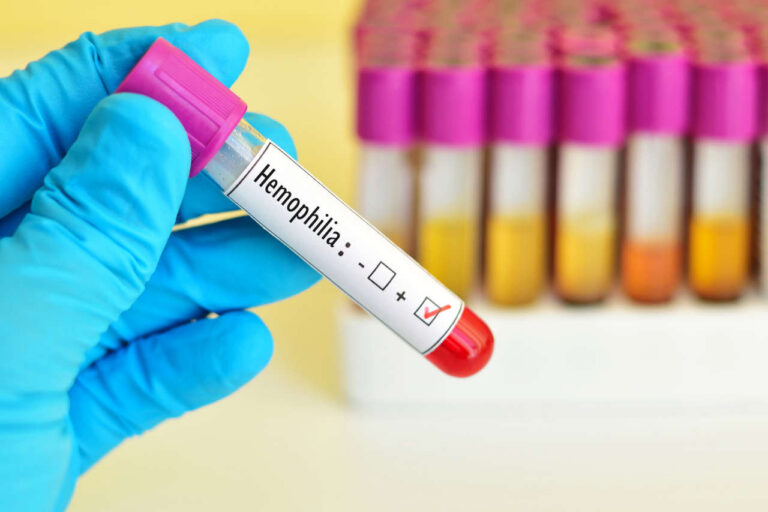




Alphanate SD is a prescription medicine used to prevent and control bleeding episodes in people with hemophilia A. In the U.S., about 16 in 100,000 people have hemophilia A [5]. It is an inherited bleeding disorder where your blood does not clot properly because your body lacks a protein called factor VIII (FVIII). As a result, people with hemophilia A experience prolonged or excessive bleeding even from small injuries and surgeries.
Do You Qualify for $0 Copay?
Find Out NowDoctors can also use Alphanate during surgical or invasive procedures in adults and children with von Willebrand disease (VWD) when desmopressin (DDAVP) is ineffective or cannot be used.
If you or someone you love has hemophilia A or von Willebrand disease (VWD), Alphanate may be used in certain situations to help control or prevent excessive bleeding. In this article, we will discuss everything you need to know about Alphanate SD, including its uses, dosage, side effects, and much more.
What Is Alphanate SD?
Alphanate is an FDA-approved human antihemophilic factor/von Willebrand factor complex used to control and prevent bleeding episodes in people with hemophilia A. It is also used during surgical or invasive procedures in certain adults and children with von Willebrand disease.
The FDA initially approved Alphanate in 1978 [1]. It is made from the plasma of thousands of blood donors. Alphanate contains two important blood-clotting proteins:
- Factor VIII (FVIII): An essential protein needed for blood clotting.
- Von Willebrand Factor (VWF): This is a protein that helps platelets attach to damaged blood vessels and also carries and stabilizes factor VIII in the bloodstream.
The “SD” in “Alphanate SD” means solvent-detergent treatment. It is a manufacturing step used to reduce the risk of disease transmission in plasma-derived products.
Alphanate is available as a sterile, lyophilized powder that is mixed with sterile water before intravenous (IV) injection. It is available in several strengths, including 250, 500, 1,000, and 2,000 IU of factor VIII per vial.
What Is Alphanate Used For?
Alphanate is FDA-approved for the following purposes [2][3]:
Treatment and Prevention of Bleeding in Hemophilia A: People with hemophilia A have a lack of a protein called factor VIII, which is necessary for blood clotting. Alphanate temporarily replaces factor VIII and helps people with hemophilia A form stable blood clots.
Surgical and Invasive Procedures in Hemophilia A: Alphanate can also be used to prevent and control bleeding before, during, and after surgery.
Surgical and Invasive Procedures in von Willebrand Disease: Alphanate can be used in adults and children with type 1 and type 2 von Willebrand disease (VWD) during surgery when desmopressin (DDAVP) is ineffective or cannot be used. However, Alphanate is not indicated for people with severe type 3 VWD undergoing major surgery.
Please note that Alphanate does not cure hemophilia A or von Willebrand disease. Instead, it temporarily replaces deficient clotting factors to help control or prevent bleeding.
Speak to a Specialist
About Copay AssistanceHow Does Alphanate SD Work?
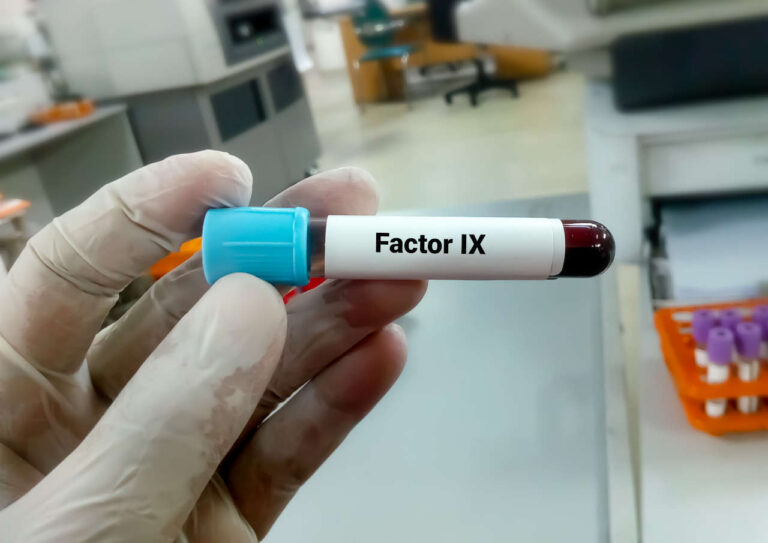
To understand how Alphanate works, you first need to understand the role of factor VIII. When you bleed, your body activates a series of proteins known as clotting factors. Factor VIII participates in this process by working with activated factor IX to help activate factor X. This eventually leads to the formation of thrombin and fibrin, which strengthen the blood clot.
People with hemophilia A have insufficient or defective factor VIII. As a result, their blood takes much longer to form a clot. Alphanate contains human factor VIII, which temporarily increases the amount of factor VIII in the bloodstream. This helps your body form a stronger blood clot.
Alphanate also contains von Willebrand factor (VWF). VWF helps platelets attach to damaged blood vessels and also helps protect factor VIII from being broken down too quickly in the bloodstream.
By replacing these important proteins, Alphanate controls bleeding in people with hemophilia A and supports blood clotting during surgery in people with von Willebrand disease.
Alphanate SD Side Effects
Like any other medicine, Alphanate can also cause some side effects. Some of them are mild, while others can be serious enough to require immediate medical attention. Here are some common and serious side effects of Alphanate [2][3]:
Common Side Effects
Here are some common side effects of Alphanate SD:

- Respiratory distress
- Back pain
- Headache
- Facial swelling
- Pain
- Fever
- Chills
- Itching and rash
- Fatigue
Contact your doctor if you experience side effects that persist, worsen, or concern you.
Severe Side Effects
Serious side effects from Alphanate are rare, but they can occur. Here are some severe side effects of Alphanate:
Severe Allergic Reaction: Alphanate can cause serious allergic reactions, including anaphylaxis. Get emergency help if you experience symptoms like hives, swelling, chest tightness, difficulty breathing, dizziness, or a sudden drop in blood pressure.
Blood Clots: Blood clots (thrombosis) may occur with Alphanate, particularly in people with risk factors for thrombosis. Contact your doctor right away if you develop chest pain, trouble breathing, fainting, or pain and swelling in an arm or leg.
Intravascular Hemolysis: Very large doses of Alphanate can cause destruction of red blood cells inside your blood vessels. This can lead to anemia. If this happens, your doctor may discontinue Alphanate treatment.
Infections: Alphanate has a potential risk of transmitting infectious diseases because it is made from human plasma. Manufacturers take steps during production to reduce this risk, but they can’t eliminate it completely.
Development of Inhibitors: Some people who receive Alphanate can develop antibodies called inhibitors. These antibodies can reduce the effectiveness of factor VIII and make bleeding more difficult to control.
Please note that this is not a complete list of all possible side effects. Contact your doctor immediately if you experience any severe side effects of Alphanate SD.
Get Financial Assistance
Dosing of Alphanate SD
Alphanate comes as a powder that’s mixed with sterile water before use and given by IV injection. The exact dose depends on several factors, such as body weight, the severity and location of the bleeding, factor VIII levels, the type of surgery, and how the person responds to treatment. Here are the usual recommended doses [3]:
Hemophilia A: Your doctor will calculate your dose from your body weight and the factor VIII rise you need. Each IU of factor VIII per kg of body weight raises your factor VIII level by about 2% of normal. Minor bleeding may require lower doses, while major bleeding or surgery may require higher doses and a longer duration of treatment.
Your doctor will check your factor VIII levels and adjust the dose and frequency based on how you respond.
Von Willebrand Disease: For adults, the usual pre-operative dose is 60 IU VWF: RCo/kg, with 40 to 60 IU/kg every 8 to 12 hours afterward. For children, the dose is 75 IU/kg before the surgery, then 50 to 75 IU/kg every 8 to 12 hours. For a major surgery, you may need this for a week or more.
Please note that the dosage described here is the usual recommended dosage. Your doctor will set the exact dose and length of treatment for you.
Before Starting Alphanate SD
Before you start Alphanate, tell your doctor your complete medical history, including if you:
- Previously had an allergic or severe hypersensitivity reaction to Alphanate or any of its ingredients
- Have developed factor VIII inhibitors in the past
- Have Type 3 von Willebrand disease
- Have a history of blood clots or conditions that increase your risk of thrombosis
- Are pregnant, planning to become pregnant, or breastfeeding
- Have previously received factor VIII or VWF-containing products
- Take any prescription medicines, vitamins, or herbal supplements
Your doctor may monitor your factor VIII and VWF levels during treatment. Blood tests may also check whether you’ve developed inhibitors, especially if bleeding doesn’t respond to treatment as expected.
Get Copay Assistance Now
Alphanate Cost
The cost of Alphanate can vary considerably. The actual cost of Alphanate treatment depends on several factors, including your dosage, treatment schedule, insurance, and the pharmacy you visit.
The wholesale acquisition cost (WAC) of Alphanate was about $1.38 per IU as of December 2025 [4]. Based on this price, a 70-kg person receiving a dose of 40–50 IU/kg would require approximately 2,800–3,500 IU. At $1.38 per IU, this would cost about $3,864–$4,830 before administration costs and other healthcare expenses.
Please note that these are rough estimates based on wholesale acquisition cost. The actual amount you pay may be different depending on your insurance, pharmacy, and other healthcare costs. Contact us if you are interested in financial assistance or copay assistance for Alphanate SD.
REFERENCES:
- DailyMed – ALPHANATE (antihemophilic factor/von willebrand factor complex- human kit. (n.d.). https://dailymed.nlm.nih.gov/dailymed/drugInfo.cfm?setid=5a7aea94-654c-4113-9014-c3137de0a931&audience=consumer
- What Is ALPHANATE® Hemophilia A Treatment & How it Works. (n.d.). Alphanate. https://www.alphanate.com/en/patients/about/what-is-alphanate
- HIGHLIGHTS OF PRESCRIBING INFORMATION (ALPHANATE). (2026). https://grifolsug-pi.com/inserts/alphanate.pdf
- CMS Medicaid Data. (n.d.). data.medicaid.gov. https://data.medicaid.gov/dataset/c5ac742e-cffa-4e04-a043-fb8324e5512c?utm_source=chatgpt.com
- New study: Hemophilia occurrence in the United States | CDC. (2020, July 1). Centers for Disease Control and Prevention. https://archive.cdc.gov/www_cdc_gov/ncbddd/hemophilia/features/keyfinding-hemophilia-occurrence-US.html