



Early recognition of hemophilia symptoms in children and prompt treatment are essential to prevent lifelong disabilities. Symptoms can range from minor cuts to potentially life-threatening internal bleeding.
Get Financial Assistance
What Is Hemophilia?
Hemophilia is a bleeding disorder that prevents blood from clotting as usual. Children born with this condition have little or no clotting factor in their blood. A clotting factor (coagulation factor) is a protein in the blood that helps blood clot. Consequently, children are more likely to have severe bleeding and other complications.
The two main types are:
- Hemophilia A: Children either lack or have too little clotting factor VIII.
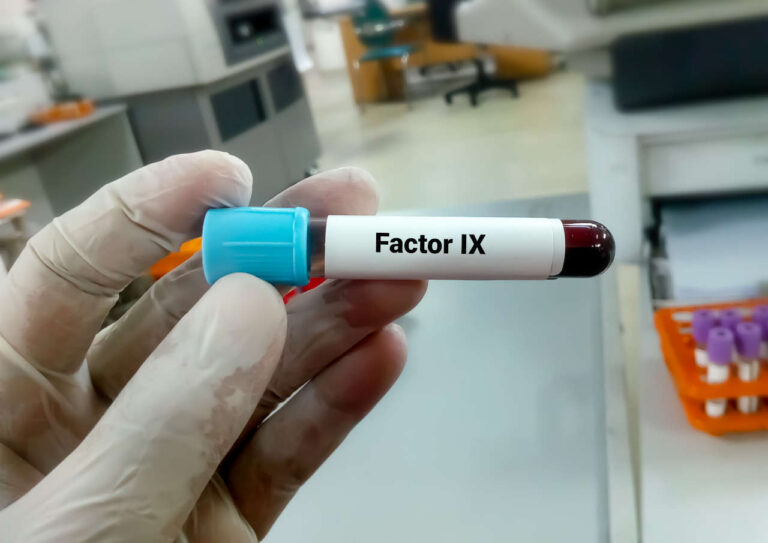
- Hemophilia B: Children either lack or have too little clotting factor IX.
Depending on the clotting factor levels, hemophilia may be [1]:
- Mild: 5% to 40% of clotting factor levels
- Moderate: 1% to 4% of clotting factor levels
- Severe: Less than 1% of clotting factor levels
Though incurable, hemophilia is treatable. With appropriate treatments, children with hemophilia can lead healthy lives.
Recognizing Hemophilia Symptoms in Children
Hemophilia symptoms in children can vary depending on the severity of the condition.
Many parents first notice hemophilia symptoms soon after their baby starts crawling or walking. Symptoms at this stage can include large bruises, swollen and warm joints, and avoiding using the affected arm or leg. Likewise, some parents may notice prolonged bleeding during vaccination, circumcision, or routine dental care.
In mild cases, obvious symptoms may not appear unless severe bleeding occurs following surgery or injury.
Hemophilia can cause external and internal bleeding. The signs of external bleeding can include:
- Bleeding in the child’s mouth from a cut, bite, or loss of a baby tooth
- Bleeding from a cut that stops for a short period, then continues
- Unusual bleeding from a minor cut
- Nosebleeds without any obvious cause
- Heavy periods in girls
Internal bleeding means bleeding in the organs and muscles. When bleeding occurs in the bladder or kidneys, it can cause blood in urine (may be red or brown). Likewise, bleeding in the digestive tract can cause black, tarry stool or stool mixed with bright red blood. Large bruises may indicate bleeding into large muscles.
Bleeding Into a Joint
Joint bleeding (hemarthrosis) is common in children with hemophilia. The most commonly affected joints are knees, ankles, and elbows. Joint bleeding may occur without a major injury. If a child with joint bleeding does not get immediate treatment, the affected joint may be permanently damaged.
A baby with joint bleeding may be cranky for no obvious reason. Older children may describe having an “aura” or tingling in the joint before the external signs. Other signs and symptoms can include:
- Stiff, painful, swollen, and warm joints
- Inability to move or straighten an arm or leg
Talk With a Copay Assistance Specialist
Bleeding in the Brain
Bleeding in the brain is the most serious complication of hemophilia. It is more common in children younger than two years. Notably, it is the major cause of death and disability in children with hemophilia.
The signs of bleeding in the brain include:
- Seizures
- Constant vomiting
- Double vision
- Neck pain or stiffness
- Long-lasting headaches
- Sleepiness
- Behavior changes
- Sudden weakness of arms or legs
- Problems with balance and coordination
If your child shows any of these signs, particularly after a bump on the head, seek emergency medical care.
Hemophilia Symptoms in Children: When To Call a Healthcare Provider
Seek immediate medical care if your child:
- Has a major injury
- Passes out
- Vomits after a bump on the head
- Has seizures
Does Hemophilia Affect the Vaccine Schedule in Children With Hemophilia?
Children with hemophilia should receive all necessary vaccines according to the schedule, regardless of the severity of hemophilia. Your child’s doctor may administer a vaccine by injecting it under the skin (subcutaneous) instead of injecting it into the muscle tissue (intramuscular).
REFERENCES:
- Bertamino, Marta et al. “Hemophilia Care in the Pediatric Age.” Journal of clinical medicine vol. 6,5 54. 19 May. 2017, doi:10.3390/jcm6050054