Thrombate III is an FDA-approved drug used to treat and prevent blood clots in patients with hereditary antithrombin deficiency (hATd), a rare genetic blood-clotting disorder in which a patient has insufficient or dysfunctional antithrombin (AT), a protein that helps prevent excessive blood clotting.
Do You Qualify for $0 Copay?
Find Out NowHereditary antithrombin deficiency is often undiagnosed and affects around 66,200 people in the United States.
Thrombate III is also known by its generic name, antithrombin III (human), and is produced from donated human blood plasma.
Read on to learn how Thrombate III works, when it is prescribed, its potential side effects, and precautions to consider before receiving treatment.
Thrombate III: FDA-Approved Uses
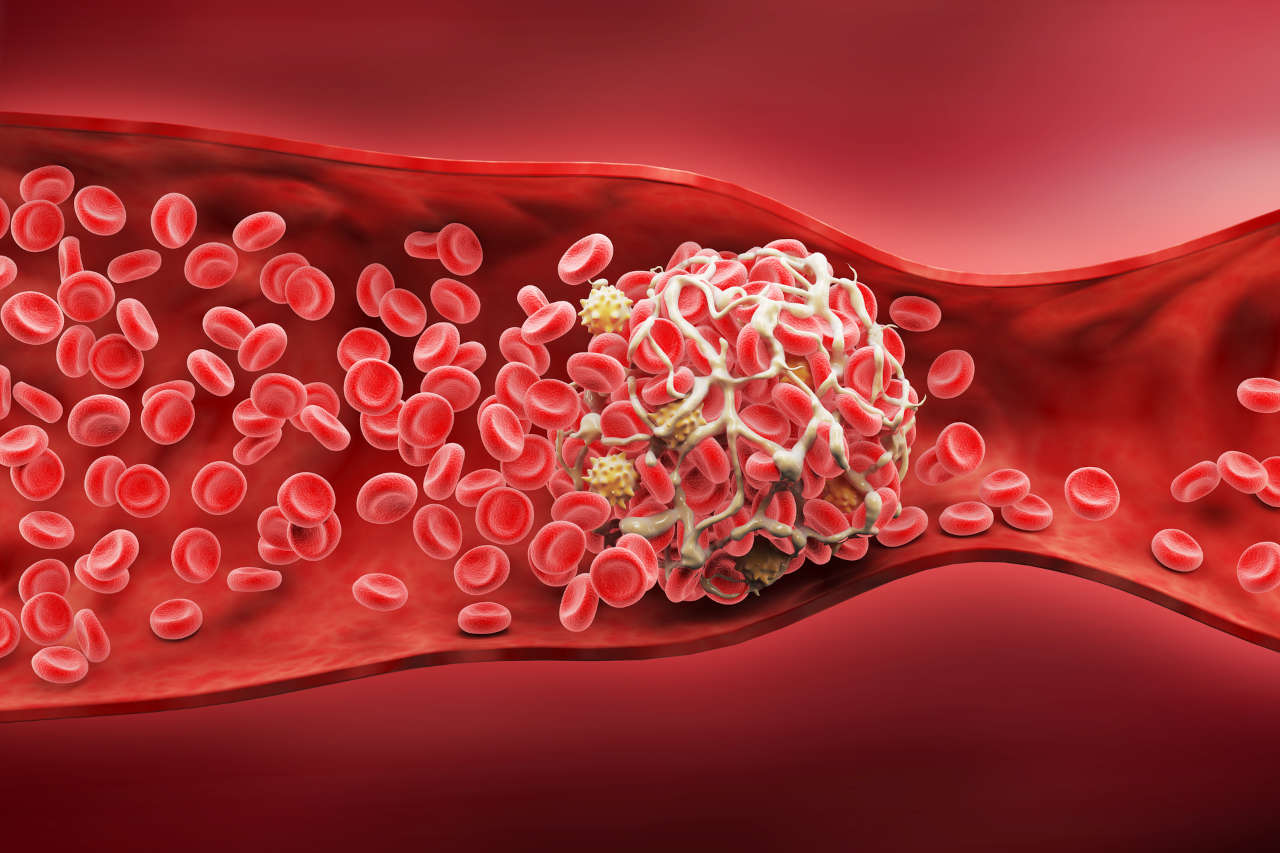
Thrombate III (antithrombin III [human]) is approved for use in adults and children with hereditary antithrombin deficiency (hATd) to treat and prevent thromboembolism. Thromboembolism occurs when a blood clot forms, breaks loose, and travels through the bloodstream, potentially blocking another blood vessel.
Thrombate III can be administered to help prevent thromboembolism before, during, and after surgery (perioperative) and around childbirth (peripartum).
Warning for Patients or Caregivers
Thrombate III is made from donated human blood. Although donated plasma is screened and Thrombate III undergoes manufacturing processes designed to reduce the risk of transmitting infections, a small risk of transmitting viruses or other infectious agents remains. You can talk to your care team if you have questions about the risk of infection.
Mode of Action
People with hereditary antithrombin deficiency (hATd) have a higher risk of developing an abnormal blood clot during surgery or childbirth due to a lack of sufficient antithrombin (AT) protein.
Thrombate III temporarily replaces the missing or deficient antithrombin protein, helping regulate blood clotting and reduce the risk of abnormal blood clots.
Thrombate III: Drug Form
Thrombate III (antithrombin III [human]) is available in a lyophilized powder form and is supplied as a single-dose vial. Each Thrombate III vial contains approximately 500 IU of antithrombin, which is mixed with 10 ml of sterile water before administration.
Dosage and Administration
The dose of Thrombate III you receive is based on your body weight and the amount of antithrombin in your blood before therapy starts. The Thrombate III regimen involves three phases:
- Loading dose (first dose): The doctor calculates and administers the first dose to raise the antithrombin activity level to approximately 120% of normal. For example, if the patient’s antithrombin level is 50%, the doctor calculates the dose needed to raise it to 120%.
- Dose adjustment: After giving the medicine, the doctor checks the patient’s blood to see how much the antithrombin level has increased. The target is to maintain the level between 80% and 120% of normal. If the level is too low or too high, the doctor adjusts the dose as needed.
- Maintenance dose (follow-up doses): The follow-up dose is initially about 60% of the first dose, usually given every 24 hours. The doctor may change the dose depending on blood test results. The target is still to maintain the level between 80% and 120% of normal.
Thrombate III is administered through an intravenous (IV) infusion by a healthcare provider. It may take 10–20 minutes for the full dose to enter the bloodstream through an IV line.
Get Copay Assistance Now
Interaction With Other Drugs
Thrombate III can interact with heparin, an anticoagulant. When Thrombate III is administered with heparin, it can increase heparin’s anticoagulant effects and raise the risk of excessive bleeding.
If you’re taking heparin, your doctor may reduce your heparin dose and monitor you closely to help prevent bleeding.
Reported Side Effects

Side effects reported in patients receiving Thrombate III include:
- Change in taste
- Chest discomfort
- Chills or fever
- Dizziness
- Muscle pain or cramps
- Nausea
Although these side effects usually do not require immediate medical attention, consult your healthcare provider if they continue or are bothersome.
In rare cases, Thrombate III may cause some severe adverse effects which include:
- Allergic reactions such as skin rash, itching, hives, swelling of the face, lips, tongue, or throat
- Vomiting blood or brown material that looks like coffee grounds
- Red or dark brown urine
- Small red or purple spots on the skin
- Unusual bruising or bleeding
- Transmission of infectious agents, including the agent responsible for variant Creutzfeldt-Jakob disease (vCJD)
Seek immediate medical attention if you experience difficulty breathing, swelling of the face or throat, or other signs of a severe allergic reaction.
Precautionary Measures
Before receiving Thrombate III, tell your healthcare provider if you:
- Have had an allergic reaction to antithrombin III or any other medication.
- Are pregnant or trying to get pregnant. It is not known if Thrombate III will harm your unborn baby.
- Are breastfeeding or plan to breastfeed. It is not known if Thrombate III passes into breast milk.
- Take other medications, including anticoagulants such as heparin, over-the-counter medicines, vitamins, or herbal supplements.
Speak to a Specialist
About Copay AssistanceEstimated Cost
The cost of Thrombate III can vary depending on several factors, including the number of doses required, the duration of treatment, your location, and your insurance coverage. According to a 2017 report, a 500 IU vial of Thrombate III cost approximately $2,330 at the time.
Contact us if you are interested in possible financial assistance or copay assistance for Thrombate III.
REFERENCES:
- THROMBATE III® (antithrombin III [human]) Prescribing Information. Grifols. https://grifolsug-pi.com/inserts/Thrombate.pdf
- US Food and Drug Administration (FDA). THROMBATE III® (antithrombin III [human]) Prescribing Information: https://www.fda.gov/media/188338/download?attachment
- Rodgers, G. M., & Mahajerin, A. (2023). Antithrombin Therapy: Current State and Future Outlook. Clinical and Applied Thrombosis/Hemostasis, 29, 10760296231205279. https://doi.org/10.1177/10760296231205279
- Ciolek, A., Lindsley, J., Crow, J., Nelson-McMillan, K., & Procaccini, D. (2017). Identification of Cost-Saving Opportunities for the Use of Antithrombin III in Adult and Pediatric Patients. Clinical and Applied Thrombosis/Hemostasis, 24(1), 186. https://doi.org/10.1177/1076029617693941