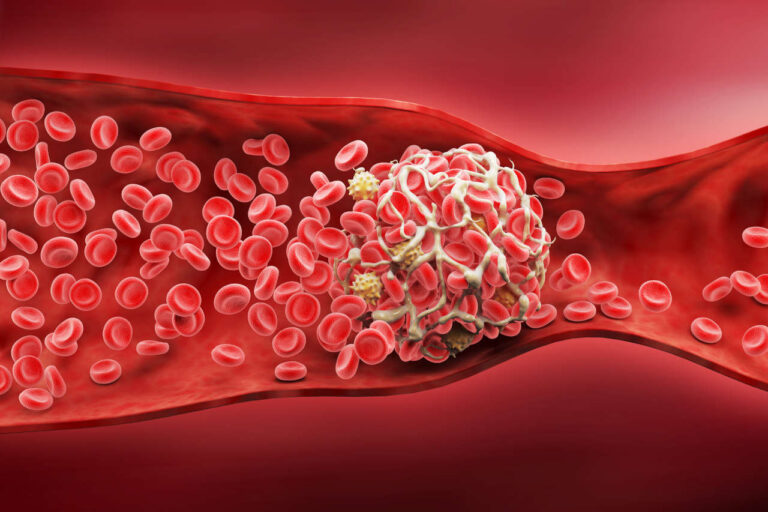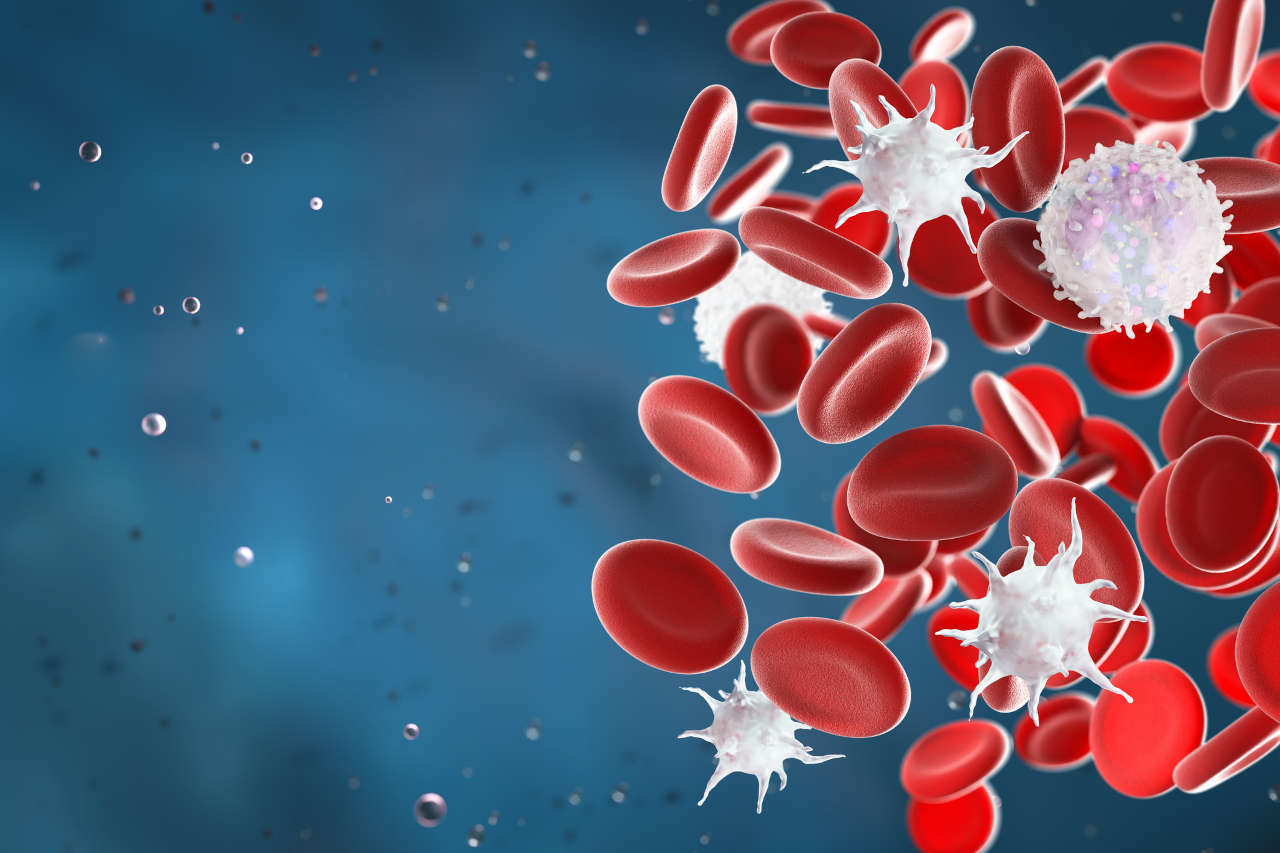
Eltrombopag (brand name Promacta) is an oral medication prescribed to increase platelet counts in people with certain blood disorders, including chronic immune thrombocytopenia (ITP). Platelets are blood cell fragments that help form clots and stop bleeding.
Do You Qualify for $0 Copay?
Find Out NowIn 2008, eltrombopag (Promacta) received approval from the Food and Drug Administration (FDA) to treat certain adults with chronic immune thrombocytopenia (ITP). The FDA later expanded its approved uses to include other conditions associated with low blood cell counts. Common side effects of this drug may include nausea, headache, diarrhea, urinary tract infections, upper respiratory tract infections, and fever.
This article discusses eltrombopag (Promacta), including its uses, available forms, administration, recommended dosages, and potential side effects.
Eltrombopag (Promacta): FDA-Approved Uses
The FDA has approved eltrombopag (Promacta) for several conditions associated with low platelet or blood cell counts, including persistent or chronic immune thrombocytopenia (ITP) in adults and children aged 1 year and older. Its approved uses include:
- To treat adults and children aged 1 year and older with persistent or chronic ITP who have not responded adequately to corticosteroids, immunoglobulins, or splenectomy. It should be used only in patients whose condition and degree of thrombocytopenia increase their risk of bleeding.
- To treat low platelet counts in patients with chronic hepatitis C who need to start and maintain interferon-based therapy.
- As first-line treatment in combination with standard immunosuppressive therapy for adults and children aged 2 years and older with severe aplastic anemia (SAA).
- To treat patients with severe aplastic anemia (SAA) who have not responded adequately to immunosuppressive therapy.
Promacta (eltrombopag) is not recommended to treat patients with myelodysplastic syndromes (MDS).
Mechanism of Action (MOA)
Eltrombopag (Promacta) belongs to the class of medicines called thrombopoietin receptor (TPO) agonists. It activates thrombopoietin receptors in the bone marrow, stimulating the production of platelets.
By increasing platelet production, eltrombopag (Promacta) can help reduce the risk of bleeding in patients with low platelet counts. In patients with severe aplastic anemia, it may also improve red and white blood cell counts.
Drug Form
Promacta (eltrombopag) comes in two forms. One is an oral tablet available in 12.5 mg, 25 mg, 50 mg, and 75 mg strengths. The other is a powder packet available in 12.5 mg and 25 mg strengths that you mix with water to create an oral suspension (liquid).
Recommended Dosage
The dosage of eltrombopag (Promacta) varies depending on the condition being treated, the patient’s age, liver function, and response to treatment. Below are the recommended dosages for adult and pediatric patients indicated by the FDA.
Dosage for Persistent or Chronic ITP
The recommended starting dose for most adults and children aged 6 years and older with persistent or chronic ITP is 50 mg orally once daily. For children aged 1 to 5 years, the recommended starting dose is 25 mg once daily.
Dosage for Chronic Hepatitis C-associated Thrombocytopenia
For patients with chronic hepatitis C-associated thrombocytopenia, the recommended starting dose of Promacta is 25 mg orally once daily. The dose may be adjusted based on platelet counts and treatment response.
First-line Severe Aplastic Anemia
The dosage of Promacta in combination with standard immunosuppressive therapy for the treatment of severe aplastic anemia is as follows:
- For pediatric patients aged 2 to 5 years: Promacta orally once daily at 2.5 mg/kg
- For pediatric patients aged 6 to 11 years: one 75 mg tablet once a day
- For patients aged 12 years and older: 150 mg orally once daily, concurrently with standard immunosuppressive therapy.
Get Copay Assistance Now
Refractory Severe Aplastic Anemia
The recommended starting dosage for patients with refractory severe aplastic anemia is 50 mg orally once daily. The dose may be adjusted based on blood counts and treatment response.
Patients with liver problems or East- or Southeast-Asian ancestry may require a lower starting dose of Promacta. However, dosage adjustments vary depending on the condition being treated. Your healthcare provider will determine the appropriate dose and adjust it based on your response to treatment.
Eltrombopag (Promacta): When and How it Should be Taken
Eltrombopag should be taken as prescribed by your healthcare provider. You should take this medicine without a meal or with a meal low in calcium (50 mg or less). Also, take your dose at least 2 hours before or 4 hours after calcium-rich foods, dairy products, antacids, or mineral supplements containing calcium, iron, magnesium, aluminum, or zinc.
- Eltrombopag (Promacta) Tablets
Swallow Promacta tablets whole. Do not split, chew, or crush tablets, and do not mix with food or liquids.
- Eltrombopag (Promacta) Oral Suspension
If your healthcare provider prescribes Promacta oral suspension (liquid), make sure you understand how to prepare and measure a dose.
Always follow the preparation instructions provided with the medication and use the supplied mixing bottle and oral dosing syringe. The Promacta powder packets must be mixed with cool or cold water only. Do not use hot water to prepare the oral suspension.
Take the dose of oral suspension right away after mixing with water. If the medicine is not taken within 30 minutes, you will need to prepare a new dose. Throw away (discard) the unused mixture into the trash.
Possible Side Effects

Commonly reported side effects of Promacta vary depending on the condition being treated and may include:
- Low levels of red blood cells (anemia)
- Nausea
- Fever
- Abnormal liver function tests
- Cough
- Feeling tired
- Headache
- Diarrhea
- Rash
- Skin discoloration (hyperpigmentation)
Patients taking Promacta (eltrombopag) can also experience serious side effects during treatment such as:
- Severe allergic reactions
- Liver damage (hepatotoxicity)
- High platelet counts and an increased risk of blood clots
- Worsening liver function in patients with chronic hepatitis C who receive Promacta with interferon and ribavirin
- Increased risk of cataracts or worsening progression from myelodysplastic syndrome (MDS) to acute myeloid leukemia (AML)
Promacta carries an FDA boxed warning for serious liver problems. Patients with chronic hepatitis C who take Promacta with interferon and ribavirin may experience worsening liver function. Promacta can also cause severe liver damage. Your healthcare provider will monitor your liver function before and during treatment.
Tell your healthcare provider if you experience side effects that persist or worsen. Seek immediate medical attention if you develop symptoms of a serious allergic reaction, blood clot, or liver injury.
Speak to a Specialist
About Copay AssistanceSafety Measures
To determine whether eltrombopag (Promacta) is safe for you or your child, tell your healthcare provider about your medical history, current medications, and any health conditions, including if you:
- Have liver problems
- Have myelodysplastic syndrome (MDS), as Promacta is not approved to treat this condition and may increase the risk of progression to acute myeloid leukemia (AML)
- Have or have had a blood clot
- Have a history of cataracts
- Have had surgery to remove your spleen (splenectomy)
- Have bleeding problems
- Are pregnant or plan to become pregnant. Promacta may harm an unborn baby.
- Are breastfeeding or plan to breastfeed. Breastfeeding is not recommended during treatment with Promacta and for at least 7 days after the last dose.
- Are taking any prescription or over-the-counter medicines, including statins, antacids, mineral supplements, multivitamins, or herbal products. Some of these products can interact with Promacta.
Your healthcare provider will also monitor your platelet counts and liver function during treatment. Regular blood tests help determine whether the medication is working and whether your dosage needs to be adjusted.
Eltrombopag (Promacta): Cost
Eltrombopag (Promacta) can be expensive, although generic versions of eltrombopag tablets are now available and may cost less than the brand-name medication. Patients should check with their pharmacy or insurance provider for current pricing.
Your out-of-pocket cost may also vary depending on your insurance benefits, dosage, and treatment duration. Contact us if you are interested in financial assistance or copay assistance for eltrombopag (Promacta).
REFERENCES:
- US Food and Drug Administration (FDA). Eltrombopag (PROMACTA) Prescribing Information: https://www.accessdata.fda.gov/drugsatfda_docs/label/2008/022291lbl.pdf
- Eltrombopag: MedlinePlus Drug Information. (n.d.). https://medlineplus.gov/druginfo/meds/a609011.html
- PROMACTA® (eltrombopag) | Prescribing Information Novartis. (n.d.). https://www.novartis.com/us-en/sites/novartis_us/files/promacta.pdf
- Ahmed, H. a. W., Masoud, A. T., Han, J., Sofy, A. A., Ahmed, A. S., Abdesattart, A. T., Drokow, E. K., & Sun, K. (2021). Eltrombopag Effectiveness and Tolerability in Chronic Immune Thrombocytopenia: A Meta-Analysis. Clinical and Applied Thrombosis/Hemostasis, 27, 10760296211005555. https://doi.org/10.1177/10760296211005555