CIDP and Physical Therapy: How Supervised Exercises Can Help Improve Quality of Life

Chronic inflammatory demyelinating polyneuropathy (CIDP) reduces your ability to perform activities that are considered “standard” or “normal” for a healthy person to complete. This is called exercise intolerance. Physical therapy uses individualized exercise programs to help you carry out daily activities. 

Speak to a Specialist About Copay Assistance

(877) 778-0318

CIDP and Physical Therapy: Understanding the Basics

CIDP (chronic inflammatory demyelinating polyneuropathy) is a neurological disorder. 

People with this condition experience progressive loss of muscle strength and senses in their arms and legs. As a result, they have problems with balance and gait, which can affect their ability to perform their normal daily activities. 

CIDP also raises your chances of developing depression and anxiety [1]. If you have symptoms of these conditions, seek immediate medical care. 

Medical treatments for CIDP include immunosuppressants, steroids, IVIG, and plasmapheresis. Rehabilitative interventions include physical therapy, occupational therapy, adaptive equipment, and emotional support. Medical and rehabilitative therapies go hand-in-hand and are typically used together. 

Physical therapy is a critical component of rehabilitative intervention that can help:

  • Maintain muscle strength 
  • Prevent complications such as contractures or respiratory failure
  • Improve mobility and functional independence

Physical therapy uses specific exercises and physical activities to help you move better and improve muscle strength. 
 

CIDP and Physical Therapy: What To Expect

Before recommending a CIDP exercise program, your physical therapist will assess your:

  • Strength
  • Baseline fitness level
  • Perceived barriers to exercise

Based on this information, they will customize exercises for CIDP to help you meet your unique needs. 
 

CIDP and Physical Therapy: What Are the Benefits?

Physical therapy benefits anyone with CIDP, regardless of the stage (severity) of the disease. 

Physical Therapy During a Flare-up

Nurse helping CIDP patient in wheelchair

Most people are unable to move during a CIDP flare-up. In such cases, your physical therapist will educate you and your caregiver about ways to prevent muscle tightness and bedsores. These include:

  • Avoiding prolonged hip and knee flexion (bending)
  • Changing your position every two hours in bed
  • Supporting weak upper limbs using armrests or pillows

In addition, they will teach you how to use assisted devices and perform breathing exercises. During this period, you will do passive exercises, such as gentle body movements. These exercises help improve circulation and reestablish nerve connections. 

Physical Therapy During Recovery

As you begin to regain sensation and strength, you will likely be upgraded to active-assisted exercises, such as wrist bends. These exercises aim to help restore muscle strength and range of motion.  

Then, you will be allowed to perform more demanding and independent movements. These exercises can mimic daily activities, such as feeding, dressing, writing, typing, etc. 

Most CIDP physical therapy guidelines recommend starting all exercises at low repetitions and resistance with frequent breaks. This is because exercising to exhaustion can delay recovery [2].

Once your strength and sensations have been sufficiently restored, your therapist may recommend home-based exercises. At this point, you may also be able to do strength training and aerobic exercises. 

Inpatient physical therapy typically lasts 4 weeks. Then, you may continue therapy on an outpatient basis for up to 4 months.

Can IVIG help? | Free IVIG Treatment Info

Schedule a Consultation

CIDP and Physical Therapy: Continuation Is the Key to Long-Lasting Gains

Many individuals lose their gains in muscle strength and breathing capacity after discontinuing an exercise program. Thus, it is best to stay physically active even if your symptoms have improved [3].
 

How Effective Is Physical Therapy for CIDP?

It is important to understand that CIDP treatment involves specialists from multiple disciplines. 

Though physical therapy is an integral part of a comprehensive CIDP treatment program, it is just a piece of the puzzle. It works best when you take medications as prescribed, eat a healthy diet, and engage in regular physical activity. 

Several studies have established the role of physical therapy in CIDP management and recovery. 

For instance, a 2004 study reported improved physical fitness, functional ability, and quality of life following a 12-week bicycle training. The participants in this study completed 3 training sessions (30 minutes each), every week for 12 weeks [4].

Additionally, a 2018 case study found that regular exercise improved gait and balance in people with CIDP [5].

How Do You Exercise With CIDP?

Start with a passive exercise, which involves gentle body movements. Once you have gained enough strength, perform active-assisted exercises, then active exercises. The last item on the list is resistance training. Remaining active even if you feel better is crucial to long-lasting gains. 
Plasmapheresis for Guillain-Barre Syndrome: Benefits, Risks, and Dose

Considering plasmapheresis for Guillain-Barre syndrome? Get insights into its advantages, side effects, optimal dosage, and associated expenses. 

Speak to a Specialist About Copay Assistance

(877) 778-0318

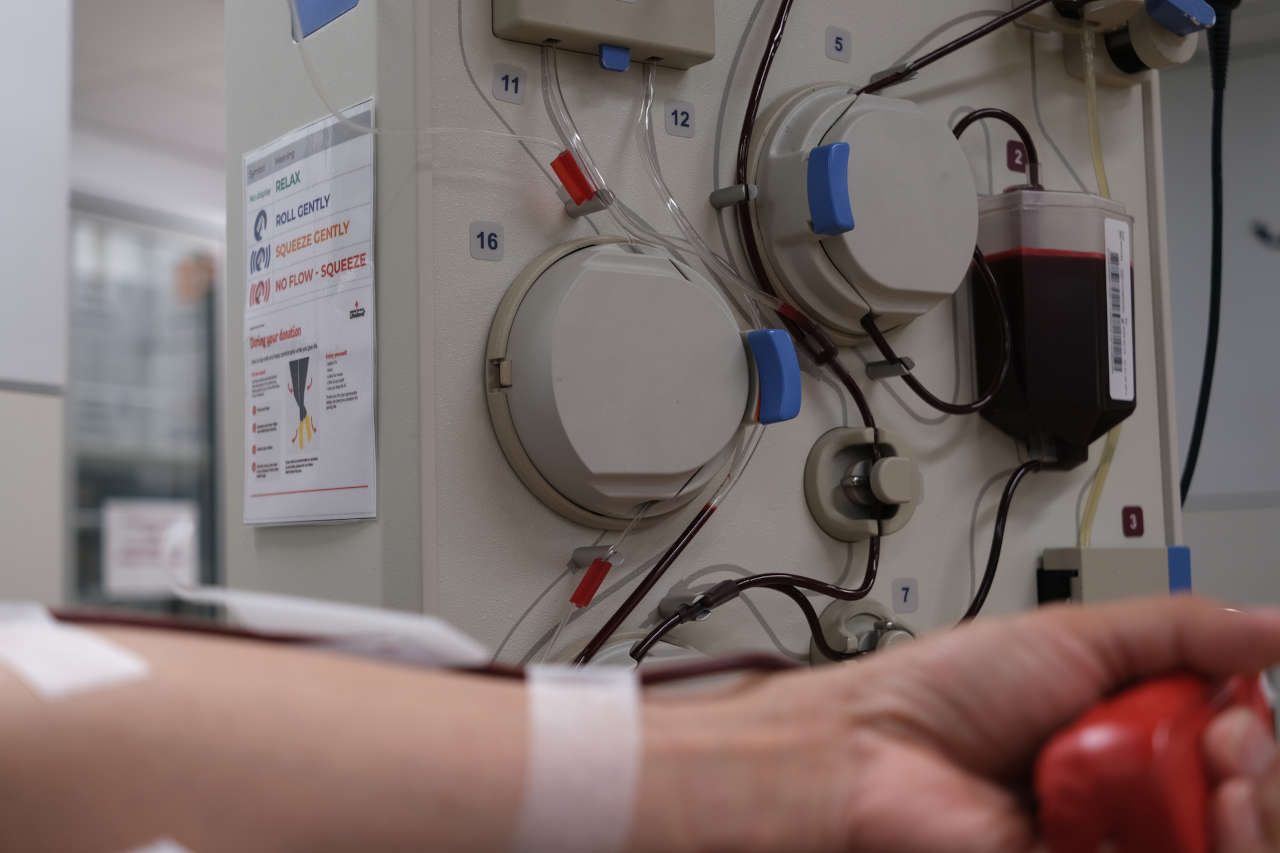
Plasmapheresis is one of the two effective treatments for Guillain-Barre syndrome (GBS), with the other being IVIG [1]. Plasmapheresis can also be called plasma exchange (PE), and it involves the following steps:

  • Withdrawal: Whole blood is removed from a large vein and sent to a special machine. 
  • Separation: The machine separates plasma (the liquid part of the blood) from blood cells. 
  • Replacement: Purified plasma or a plasma replacement fluid (like albumin) with the blood cells is infused back into the bloodstream. 

In addition to GBS, healthcare providers may use plasmapheresis to treat other medical conditions, including:

Plasmapheresis for Guillain-Barre Syndrome: Why Is It Done?

In GBS, the immune system produces proteins called (auto)antibodies that attack the peripheral nerves. Plasmapheresis removes these antibodies from the blood. 

Plasmapheresis works best when it is initiated early, typically within 7 days after the characteristic symptoms appear. However, you can expect the benefits even when you start it up to 4 weeks after the symptoms appear [2].

According to the American Society for Apheresis (ASFA) Guidelines 2019, plasmapheresis [3]:

  • Speeds recovery
  • Reduces time on the ventilator
  • Benefits individuals with both mild and severe disease

Plasmapheresis is also useful in relapses, which occur in up to 5% to 10% of individuals receiving plasmapheresis or IVIG [3]. 

Experts do not recommend combining plasmapheresis and IVIG in sequential order. Also, there is insufficient evidence to support the use of plasmapheresis after IVIG failure.

How Effective Is Plasmapheresis for Guillain-Barre Syndrome?

Plasmapheresis performed over a 10-day period helps filter out autoantibodies and other immune molecules responsible for the symptoms. It may also reduce recovery time by half. 

According to a Cochrane Review, plasmapheresis is generally safe and superior to supportive care alone in adults with GBS [4].  Plasmapheresis-treated participants are more likely to attain full recovery as well. 

It is unknown if plasmapheresis is effective in children younger than 12 and adults who receive treatment 30 days after the symptoms appear. 

Side Effects of Plasmapheresis for Guillain-Barre Syndrome

Nurse with man suffering chest pain from plasmapheresis


Plasmapheresis may cause side effects, such as [5]:

  • Abdominal pain
  • Anxiety
  • Chest pain
  • Dizziness
  • Fall in blood pressure (hypotension)
  • Headache
  • Nausea 
  • Vomiting
  • Allergic reactions to plasma (chills, fever, rash, hives, shortness of breath, and high-pitched sound while breathing)

When you receive albumin as a replacement fluid, you are more likely to experience:

  • Hypotension
  • Nausea
  • Vomiting

Get Financial Assistance

Schedule a Consultation

Dose of Plasmapheresis for GBS

The American Society for Apheresis (ASFA) Guidelines 2019 recommends exchanging 1 to 1.5 plasma volumes 5 to 6 times over 10 to 14 days [3]. However, additional treatments may be necessary in some people. 
For adults:

  • 1 plasma volume (PV) equals approximately 40 ml/kg 
  • 1.5 PV equals approximately 60 ml/kg

Plasmapheresis vs. IVIG: Which Is Better?

Both are equally effective in treating GBS, with few exceptions. Guillain-Barre syndrome (GBS) treatment should be tailored on a case-by-case basis. 

Generally, IVIG (0.4 g/kg body weight daily for 5 days) is as effective as plasmapheresis (200–250 ml plasma/kg body weight in 5 sessions). Both have similar risks of side effects [6].

However, IVIG is often preferred because it is easier to access and administer. 

How Much Does Plasmapheresis Cost?

Cost depends on various factors, including:

  • Where you live
  • The facility where the procedure is performed
  • Whether your insurance plan covers the procedure

Ask your insurance provider if your plan covers plasmapheresis for GBS or if you need prior authorization.
 

Are IVIG Products Interchangeable?

Though intravenous immunoglobulin (IVIG) products are equally efficacious, and all work to normalize the overactive or compromised immune system, they are not interchangeable, unlike typical generic drugs. Every IVIG brand is different in terms of composition, purification, and approved treatment for different medical conditions.

Speak to a Specialist About Copay Assistance

(877) 778-0318

For example, Gamunex and Privigen are both IVIG products used to treat chronic inflammatory demyelinating polyneuropathy (CIDP). However, both products are manufactured by different pharmaceutical companies and have different characteristics such as composition, purification, formulation, and tolerability profiles. 

Patients who experience a reaction to Gamunex may not have any reactions to Privigen with a different preparation. For this reason,  IVIG products are considered non-interchangeable.  

This article highlights key factors that further explain why IVIG products are not interchangeable. 

What Are IVIG Products?

IVIG products are primarily biological agents that consist of a concentrated solution of immunoglobulins (antibodies) derived from the human plasma of thousands of healthy donors. 

The US Food and Drug Administration (FDA) has approved around ten IVIG products so far for the treatment of autoimmune and immunodeficiency disorders, which are as follows: 

  1. Asceniv
  2. Bivigam
  3. Carimune NF, Nanofiltered
  4. Flebogamma DIF 5% and 10%
  5. Gammagard Liquid and Gammagard S/D
  6. Gammaplex 5% and 10%
  7. Gamunex-C, Gammaked
  8. Octagam
  9. Panzyga
  10. Privigen

Each product is indicated for the treatment of various disorders caused by immune system dysfunction. Different pharmaceutical companies manufacture these IVIG products according to their standard manufacturing protocol, which makes the IVIG products universally not interchangeable.  

Why Are IVIG Products Not Interchangeable?

3D illustration of antibodies


There are several key factors that make IVIG products non-interchangeable. 

Composition

The composition of IVIG products typically varies among the IVIG brands. Each IVIG product can have a specific immunoglobulin (antibody) type and concentration. For example, our body typically has five types of immunoglobulins: IgG, IgA, IgE, IgM, and IgD.

Among the immunoglobulins, IgG is the most abundant antibody in the human plasma and is a principal component of all IVIG products (present in 95% of the concentration).  

Other antibodies, such as IgA and IgM, are present in trace amounts in IVIG products. 

The primary antibody (IgG) also has four sub-types (IgG1, IgG2, IgG3, and IgG4), and it is possible that different IVIG products may contain varying proportions of IgG subclasses, IgA and IgM. This may also make IVIG products different in terms of their antigen specificity. 

For example, if a patient has IgA antibodies, IVIG products with a low proportion of IgA, like Flebogamma or Gammagard S/D, may be prescribed. However, if a patient with IgA antibodies also has diabetes, then the IVIG product Gammagard S/D could be potentially life-threatening to diabetic patients as it contains glucose as a stabilizing agent.

Purification Process

Pharmaceutical companies may use slightly different purification methods (such as fractionation, precipitation, and chromatography) to purify the immunoglobulins from human plasma. Variations in the purification methods may influence the levels of impurities, such as aggregates, antibodies against blood group antigens, and cytokines, which may affect the safety and tolerability of the final IVIG product. 

Get Your IVIG Dose – At-Home Infusion

Consult an IVIG Specialist

Formulation

The formulation of IVIG products also differs in terms of pH, stabilizers, and osmolality. For example, IVIG brands like Gammagard S/D contain sugar (such as glucose) as a stabilizer and higher sodium content, which is not recommended for patients with diabetes, heart disease, or kidney disease. In contrast, Gammagard liquid does not contain any sugar or sodium content. 

Though both IVIG products treat primary humoral immunodeficiency (PI) in adult and pediatric patients 2 years or older, they differ in sugar content, sodium content, pH levels, and osmolality (See Table 1). 

Hence, these variations in the formulation of IVIG products influence their stability, shelf-life, and compatibility with patient physiology. 

Since each product has a different formulation, it is recommended to consult your doctor before switching between IVIG products.

Table 1: IVIG Product Formulations

IVIG productsIgA ContentStabilizerpHOsmolalitySugar & Sodium content
Gammagard Liquid (10% solution)Average 37µg/mLGlycine (300 mM)4.6-5.1240-300 mOsmol/kgNo sugar
No sodium
Gammagard S/D<1µg/mLGlycine (250 mM)
Glucose (3g/dL)
6.4-7.2636 mOsmol/kgGlucose (2 g/dL)
Gammaplex 10%<20µg/mLGlycine (200-300mM)4.9-5.2>240 mOsmol/kgNo sucrose or maltose
Sodium: <30 mEq/L
Bivigam®≤200µg/mLGlycine (200-290mM)4.0-4.6510 mOsmol/kgNo sugar
Sodium: 100-140 mEq/L
Flebogamma 5%<50µg/mLD-sorbitol (5 g/dL)5.0-6.0240-370 mOsmol/kgD-sorbitol (5g/dL)
Sodium: trace amount
Flebogamma 10%<100µg/mLD-sorbitol (5 g/dL)5.0-6.0240-370 mOsmol/kgD-sorbitol (5g/dL)
Sodium: trace amount
Gamunex46 µg/mLGlycine (160-250mM)4.0-4.5258 mOsmol/kgNo sugar
Sodium: Trace amount
Octagam≤200 µg/mLMaltose (10 g/dL)5.1-6.0310- 380 mOsmol/kMaltose
Sodium: <30 mEq/L
PanzygaAverage 100 µg/mLGlycine (200-260 mM)4.5-5.0240-310 mOsmol/kgNo sucrose
Sodium: Trace amount
Privigen≤25 µg/mLL-proline (250 mM)4.6-5.0240-440 mOsmol/kgNo sugar
Sodium: Trace amount

Conclusion

Unlike generic drugs, IVIG products are not interchangeable. Each IVIG product has a different composition (immunoglobulin concentration), undergoes a different purification process, and has a different formulation (stabilizer, pH, osmolality, or sodium content). 
 

Decoding Graft-Versus-Host Disease: Types, Symptoms, and Treatments

Graft-versus-host disease (GvHD) is one of the common complications of allogeneic transplantation — a procedure in which healthy stem cells taken from a donor are transplanted into the patient’s body. GvHD occurs when some of the newly transplanted donor’s cells (graft) do not recognize the patient’s (host) body and attack their healthy cells. 

Speak to a Specialist About Copay Assistance

(877) 778-0318

The presence of a specific white blood cell (the T-cell) from the donor recognizes the patient’s tissues or organs as a foreign threat and initiates an immune response against them. 

The risk of graft-vs-host disease is higher in people who receive a transplant from a mismatched donor. Up to 50% of patients experience this complication during allogeneic transplantation. 

GvHD can range from mild to severe, and in some cases, it could be life-threatening if not treated soon enough. 

This article briefly explains GvHD, how it happens, and what to expect if you develop GvHD. 

How Does Graft-Versus-Host Disease Develop?

Generally, your body’s immune system trains the immune cells to distinguish between the “self” (your cells) and “non-self” cells (infected cells or pathogens). In particular, the T-cells play this important function and recognize the body’s own cells and foreign intruders. 

It does this by detecting the presence of specific proteins called human leukocyte antigens (HLA) or major histocompatibility complex (MHC proteins) in the cells. The HLA protein is like a name tag for every cell and has two types: 

  • MHC class I: Present on all nucleated cells of your body
  • MHC class II: Present only on antigen-presenting cells (immune cells)

Every individual inherits a unique pattern of HLA protein from their parents, except identical twins. 

After a stem cell (allogeneic) transplant, your bone marrow starts producing new blood cells from the donor stem cells. The new blood cells have the donor’s HLA pattern. When the newly produced T-cells encounter the HLA pattern of your body cells, they take them as foreign (non-self cells) and initiate a set of immune responses. This inflammatory response of donated cells attacks and damages the host’s tissues, sometimes leading to multiple organ failure. 

What Are the Types of Graft-Versus-Host Disease?

GvHD can manifest as acute GvHD and chronic GvHD, depending on the timing of the onset and symptom duration after transplantation. 

Acute GvHD

Woman with graft-versus-host disease suffering from nausea

Acute GvHD usually develops within 3 months after the transplantation and can affect the skin, gastrointestinal system, or liver. The symptoms of acute GvHD sometimes start later. The following are some common symptoms you can expect if you develop an acute form of GvHD:

  • Rash or blister-like lesions on the palms, soles, shoulders, and nape of the neck (seen in 70% of cases)
  • Gastrointestinal issues such as intense diarrhea, nausea, vomiting, mucosal ulceration, and abdominal pain (seen in 74% of cases)
  • Liver issues such as jaundice, elevated levels of liver enzymes (bilirubin and alkaline phosphatase), and pale-yellow urine (seen in 44% of cases).

Chronic GvHD

Chronic GvHD can develop at any time after a transplant; however, it most commonly occurs within 2 years. The symptoms of chronic disease are more severe than acute GvHD and affect multiple organs and systems of your body, such as mouth, skin, lungs, liver, genitals, GI tract muscle, and joints.  
Symptoms of chronic GvHD may include:

  • Skin changes (rash or itching)
  • Vision changes
  • Dry eyes or mouth sores
  • Joint pain
  • Fatigue
  • Gastrointestinal issues such as cramps, nausea, vomiting, or diarrhea
  • Gum disease
  • Muscle weakness
  • Recurrent infections

Can IVIG help? | Free IVIG Treatment Info

Schedule a Consultation

Who Is at High Risk of Developing GvHD?

The risk of developing GvHD is higher:

  • If you receive a transplant from an HLA-mismatched donor who is related
  • If you receive a transplant from an HLA-matched donor who is NOT related
  • If the donated stem cells have a high number of T-cells
  • If both the donor and recipient are older
  • If the donor is pregnant or has been pregnant in the past
  • If transplants occur between mismatched genders, for example, if the donor is male and the recipient is female, and vice versa

The risk of GvHD also varies depending on the source of stem cells, whether they are obtained from the donor’s bloodstream or bone marrow. 
 

How Is GvHD Diagnosed and Treated?

Diagnosis and Tests

During a physical examination, your healthcare professional may diagnose GvHD based on certain symptoms, the findings of blood testing, and biopsies. A sample of tissue or cells is taken during a biopsy, and the sample is sent to a lab for analysis.

Treatment Strategies

To prevent GvHD from occurring, your healthcare provider will start you on prophylactic (preventative) medication that will suppress the immune system. Examples of medications used include cyclosporine, methotrexate, or tacrolimus. This helps to decrease the ability of the donor’s cells to mount an immune response against the host’s tissues. 

If GvHD does occur, for mild symptoms such as skin rashes, steroid ointments are prescribed. For more severe cases, medications such as immunosuppressives (e.g., corticosteroids), anti-inflammatory medications (e.g., infliximab), and IVIG are used to dampen inflammation and ease the symptoms. These treatments will be tailored to you based on the severity and type of GvHD.

Are There Any Potential Benefits of Graft-Versus-Host Disease?

GvHD has certain advantages, even though it can have a detrimental effect on your quality of life. Any cancer cells that survive are tracked down and eliminated by the same immune system that attacked your healthy cells. We refer to this as the graft-versus-tumor effect
 

How Can GvHD Be Prevented in Patients Undergoing Allogeneic Transplantation?

GvHD can be prevented in patients by carefully selecting the match donor. HLA-typing and matching are the two methods used to select the best possible match for transplantation.
 

Hemolytic Disease of the Newborn: Causes, Symptoms, Treatment, and Prevention

Hemolytic disease of the newborn (HDN) is a blood problem that affects a newborn. It causes a baby’s red blood cells (RBCs) to break down too early. This condition was previously known as erythroblastosis fetalis, but it’s also known by other names, such as:

  • Erythroblastosis neonatorum
  • Hemolytic disease of the fetus and newborn (HDFN)
  • Anemia – HDN
  • Blood incompatibility – HDN
  • ABO incompatibility – HDN
  • Rh incompatibility – HDN

Speak to a Specialist About Copay Assistance

(877) 778-0318
In the unborn baby, the effects of HDN can range from mild anemia (low red blood cell count) to total body swelling. Likewise, HDN may lead to jaundice and rarely permanent brain damage in the newborn.   

What Is the Cause of Hemolytic Disease of the Newborn?

Hemolytic disease of the newborn (HDN) occurs when a mother’s immune system attacks and destroys the baby’s RBCs. This can happen from one of two things: Rh incompatibility or ABO incompatibility. 

Rh Incompatibility

The Rhesus factor, or Rh, is a protein found on the surface of red blood cells. Rh incompatibility is when the mother is Rh-negative, and the father is Rh-positive.  If the baby is Rh-positive, like the father, the mother’s immune system produces proteins (antibodies) that attack and destroy the baby’s RBCs.  Rh incompatibility is not much of an issue in the first pregnancy. However, in subsequent pregnancies with Rh-positive babies, it can cause severe problems. 

ABO Incompatibility

Another reason why HDN may occur is due to ABO, or blood type, mismatch.  This happens when the mother’s blood type of A, B, or O doesn’t match with the baby’s blood type. HDN is most likely to occur when the mother’s blood type is O, and the baby’s blood type is A or B.  It is less harmful to the baby than Rh incompatibility in most cases.   

Hemolytic Disease of the Newborn Symptoms

After delivery, a baby with HDN may appear swollen, pale (due to anemia), or yellow (due to jaundice). They may also have an enlarged heart, liver, or spleen.  Other symptoms can include:
  • A faster heart rate
  • Small red or brown spots on the skin
  • Difficulty breathing
 

Hemolytic Disease of the Newborn Treatment

If diagnosed after birth, treatment options for babies with HDN may include:
  • Frequent feeding and fluid administration.
  • Light therapy (phototherapy) to break down extra bilirubin.
  • IVIG to prevent the mother’s antibodies from attacking the baby’s RBCs.
  • Drugs to raise blood pressure if it is extremely low.
  • Exchange transfusion in severe cases. This involves removing the baby’s blood and replacing it with donor blood. 
  • Breathing support using a breathing machine. 
If diagnosed before birth, a healthcare provider may recommend preterm delivery. Another option may be administering blood to the baby through the umbilical cord. The blood helps treat anemia by providing the baby with red blood cells.   

Hemolytic Disease of the Newborn Prevention

A medicine called RhoGAM (Rho[D] immune globulin) is used to help prevent hemolytic disease due to Rh incompatibility. It’s given as a shot that is typically administered at around the 28th week of pregnancy and 72 hours after birth. Getting your blood checked before pregnancy or during the first prenatal visit helps your provider assess the risk. Your healthcare provider may also recommend testing for the baby’s father’s blood type.   

What Causes Hemolytic Jaundice in Newborns?

The three most common causes of hemolytic jaundice in newborn infants are:
  1. Rh hemolytic disease
  2. ABO incompatibility 
  3. Glucose-6-phosphate dehydrogenase (G-6-PD) deficiency and minor blood group incompatibility
 

Can IVIG help? | Free IVIG Treatment Info

Schedule a Consultation
 

Hemolytic Disease of the Newborn Long-Term Outlook

Hemolytic disease can range from mild to severe or even fatal.  While some babies have no signs and symptoms, others may die before or shortly after birth. The main cause of death in these cases is fluid accumulation in the vital organs.  Because it has the potential to be life-threatening, it is critical to monitor infants with HDN for at least 3 months. If anemia is severe, they may need multiple blood transfusions.  Fortunately, advancement in prenatal and postnatal care has dramatically reduced deaths due to HDN.   

Ultomiris: A Treatment for Generalized Myasthenia Gravis

If you are diagnosed with generalized myasthenia gravis (gMG), your healthcare provider might prescribe Ultomiris. 

What Is Ultomiris?

Ultomiris is an FDA-approved medication indicated for the treatment of generalized myasthenia gravis (gMG) in adult patients who are anti-acetylcholine receptor (Anti-AChR) antibody positive. 

Positive test results for anti-acetylcholine receptor (Anti-AChR) antibodies indicate the presence of these autoantibodies, which contribute to the development of myasthenia gravis. 

Ultomiris is also known by the name of the component (or active substance) it contains, called ravulizumab, and is only available to patients who are registered in the Ultomiris REMS (Risk Evaluation and Mitigation Strategy) program

What Happens in Generalized Myasthenia Gravis?

Normally, when a healthy person wants to move or lift something, their brain sends signals to muscles through nerves. These nerves release acetylcholine (a chemical), which attaches to its receptor on the skeletal muscle cell and causes muscle contraction. 

However, in people with gMG, their immune system produces autoantibodies, commonly anti-acetylcholine receptor (Anti-AChR) antibodies that target and block the acetylcholine receptor (AChR) and prevent the muscle from contracting. 

The binding of anti-AChR (autoantibody) to its target triggers the activation of the complement system, consisting of the group of immune proteins that are normally present in the blood in an inactive state. 

When the complement system is activated, it attacks and damages the healthy muscle cells and interrupts the nerve signal transmission, which results in gMG symptoms such as muscle weakness and fatigue.

The binding of anti-AChR (autoantibody) to its target triggers the activation of the complement system, consisting of the group of immune proteins that are normally present in the blood in an inactive state. 
When the complement system is activated, it attacks and damages the healthy muscle cells and interrupts the nerve signal transmission, which results in gMG symptoms such as muscle weakness and fatigue.

How Does Ultomiris Work?

Ultomiris contains an active component, “ravulizumab,” which is a monoclonal antibody specifically designed to bind and inhibit the activation of the complement system. 

Ultomiris Mode of Action

Ravulizumab, which is the active substance of Ultomiris, blocks a key protein (C5-protein) within the complement system. This key protein activates other complement proteins and damages the muscle cells in gMG. By inhibiting the C5 protein, Ultomiris blocks the activation of the complement system and prevents muscle damage in gMG. 
 

How Is Ultomiris Administered to Myasthenia Gravis Patients?

Ultomiris comes in a single-dose vial that is administered intravenously via IV infusion, starting with a loading dose. Following the loading dose, the first maintenance dose is administered 2 weeks later, and the subsequent doses are administered every 8 weeks. 
 

What Are the Recommended Doses of Ultomiris for Myasthenia Gravis Patients?

The dosage of Ultomiris is adjusted according to the patient’s body weight (Kg) and disease condition. Based on the FDA dosage guideline, the usual doses of Ultomiris for adults with gMG are as follows:
For patients weighing 40 kg to less than 60 kg:
The loading dose is 2,400 mg, followed by the maintenance dose of 3,000 mg every 8 weeks. 
For patients weighing 60 kg to less than 100 kg:
The loading dose is 2,700 mg, followed by the maintenance dose of 3,300 mg every 8 weeks. 
For patients weighing 100 kg or greater:
The loading dose is 3,000 mg, followed by the maintenance dose of 3,600 mg every 8 weeks.
 

What Are the Possible Side Effects of Ultomiris in gMG Patients?

Man with upper respiratory tract infection coughing

The most common side effects of Ultomiris reported by adult patients with generalized myasthenia are diarrhea and upper respiratory tract infection. 

Ultomiris also carries a box warning for serious meningococcal infections and sepsis, which can be life-threatening if not diagnosed and treated earlier. Therefore, it is recommended that patients receive a vaccine to protect against meningococcal infections at least 2 weeks before they start an Ultomiris infusion treatment. 

Who Should Not Take Ultomiris?

Anyone with an ongoing Neisseria meningitidis infection—the bacteria that causes meningococcal disease—should not use Ultomiris.

In addition, patients who have not received a Neisseria meningitidis vaccination should not receive the therapy unless postponing treatment would result in a greater risk of meningococcal infection.

What Precautions Should You Follow Before Taking Ultomiris Infusions?

Consult your healthcare provider in the following cases before starting the Ultomiris infusions: 

  • If you have a fever or infection, you should not receive Ultomiris because it can worsen your condition.
  • If you are pregnant or intend to become pregnant, you should not receive Ultomiris, since the effect of this drug on unborn babies is still unknown. 
  • If you are breastfeeding or planning to breastfeed, you should not receive Ultomiris.  Since it is not known if Ultomiris passes into your breastmilk, it is therefore recommended to NOT breastfeed during the treatment and after the treatment for at least 8 months.
  • If you are allergic to any Ultomiris component, you should not receive Ultomiris infusions. 
  • If you take multivitamins, herbal supplements, or over-the-counter medicines, consult your healthcare provider for dose adjustments. 

Conclusion

In summary, Ultomiris (ravulizumab) is an intravenous prescription for treating the symptoms of generalized myasthenia gravis. This drug inhibits the key protein-C5 within the complement system — a part of the immune system that disturbs the nerve signal transmission and causes gMG.  
 

Understanding TPN Electrolytes: Maintaining Vital Balance in Total Parenteral Nutrition

TPN electrolytes are a sterile, concentrated solution of essential minerals, including sodium chloride, potassium chloride, magnesium chloride, calcium chloride, and sodium acetate.

This solution is intended to be used as a supplement in the solution known as TPN (total parenteral nutrition). TPN is a concentrated form of nutrition, consisting of various amounts of amino acids (proteins), lipids (fats), and dextrose (carbohydrates) to meet a patient’s needs.  

Your IV Fluids, Always Available

Full inventory, hassle-free access
(877) 778-0318

The aim of TPN electrolytes is to maintain the electrolyte balance in the patient’s body. The adequate supply of electrolytes during TPN infusion prevents the occurrence of deficiency symptoms that would otherwise arise.

This article provides a brief guideline about TPN electrolytes, including their significance, functions, and the requisite amounts your body needs. 

What Are Electrolytes, and Why Are They Added to TPN Solutions?

Generally, your body is made up of 50 – 60% water, which in turn contains a variety of substances, including electrolytes. Electrolytes are ionic minerals with electric charges (either positive or negative) present in your body. 

On a daily basis, TPN electrolytes help maintain physiological balance such as acid-base balance and water balance in the patient’s body. The main electrolytes in the body are sodium, potassium, magnesium, calcium, phosphate, and chloride. Some of them are found inside the cells (intracellularly), and some are primarily found outside the cell (extracellularly). 

Function of Electrolytes

Each electrolyte plays a significant function in your body, as follows:

  • Sodium (Na): Sodium helps to regulate blood pressure by maintaining the water balance. It also conducts nerve impulses and aids in muscle contractions.
  • Potassium (P): Potassium contributes to normal kidney (renal) function, helps to regulate the heartbeat, nerve and muscle cell functions, and maintains a healthy blood pH level.
  • Chloride (Cl): The main function of Chloride is to help with fluid balance in the body.
  • Magnesium (Mg): Magnesium is an important cofactor for enzyme activities and contributes to the maintenance of regular nervous system activity and amino acid (protein) metabolism. 
  • Calcium (Ca): Calcium helps maintain appropriate neuromuscular function and is involved in blood coagulation and muscle contraction. 

The amount of each electrolyte is calculated according to the patient’s daily requirements.
 

What Is the Required Concentration of TPN Electrolytes?

Supplies and tubing for total parenteral nutrition

Dosage and Administration

Electrolytes are typically required by your body in low concentrations compared to dextrose and amino acid solutions. Each liter of amino acid/dextrose solution receives the addition of one 20 ml volume of TPN electrolytes (multiple electrolyte additive).

Adults normally receive two to three liters of TPN solution per day, along with additional TPN electrolytes. 

The TPN solutions with electrolytes are administered at a steady rate, ranging from 83 to 125 ml/hour, for a 24-hour period. TPN solutions containing dextrose and TPN electrolytes are injected intravenously via a central venous catheter. 

Usual Concentration of Electrolytes in TPN Mixture

Your healthcare providers calculate your daily electrolyte requirement based on your body weight during the TPN therapy. The concentration (or amount) of electrolytes per liter of TPN infusion mixture is as follows:

  • Sodium: The required amount is 100 to 150 mEq. 
  • Potassium: The required amount is 50 to 100 mEq.
  • Magnesium: The required amount is 8 to 24 mEq.
  • Calcium: The required amount is 10 to 20 mEq.
  • Phosphorus: The required amount is 15 to 30 mEq.

An imbalance in the amount of any TPN minerals can pose a significant risk to a patient’s health, ranging from mild discomfort to severe, life-threatening complications. 

Speak to a Specialist About Copay Assistance

Schedule a Consultation

What Are the Risks of TPN Electrolyte Imbalance?

The risks associated with TPN electrolyte imbalance depend on which type of mineral is imbalanced. For instance, calcium imbalance may increase the risk of hypocalcemia in patients with impaired gastrointestinal function. Similarly, sodium imbalance can cause hyponatremia, while potassium imbalance can increase the risk of hypokalemia or hyperkalemia.  

Imbalance in electrolytes also leads to various other conditions like cardiac arrhythmias, fluid imbalance, kidney dysfunction, neuromuscular complications such as muscle weakness or spasms, and metabolic disturbances.

Healthcare providers typically monitor electrolyte levels in the patient’s serum twice weekly to avoid imbalance during infusion.

What Precautions Should You Follow While Receiving TPN Electrolytes?

It is important to take certain precautions to avoid the risk of electrolyte imbalance. Some of the precautions are as follows:

  • TPN electrolytes must be diluted in TPN solution before administration.
  • Additives of potassium, sodium, calcium, magnesium, or chloride should not be used if you have pathological conditions such as anuria, hyperkalemia, heart block or myocardial damage, and severe edema due to cardiovascular, renal, or hepatic failure. 
  • It is crucial to monitor sodium, potassium, calcium, magnesium, phosphorus, and chloride levels in the blood during TPN. 
  • Acetate ions in the TPN electrolyte solution should be used with caution, as excess administration may result in metabolic alkalosis.

Considering IVIG for Polymyositis? Here’s What You Need to Know

A growing number of medical literature suggests the use of IVIG for polymyositis. IVIG may be particularly beneficial in chronic, treatment-resistant cases. 

Get IVIG Prior Authorization

(877) 778-0318

Corticosteroids and immunosuppressants are the first-line treatment for polymyositis (PM). However, they may cause severe side effects. Moreover, many patients fail to improve with these treatments. 

Therefore, your doctor may consider intravenous immunoglobulin (IVIG). 

According to the EFNS guidelines for the use of intravenous immunoglobulin in the treatment of neurological diseases, “IVIG may be considered one of the treatment options for polymyositis when first-line immunosuppressive treatment fails.” [1]

Similarly, the National Blood Authority Australia recommends IVIG to treat significant muscle weakness or difficulty swallowing in [2]:

  • Adults with biopsy-proven PM unresponsive to corticosteroids and immunosuppressants. 
  • Children with definite PM unresponsive to corticosteroids and immunosuppressants. 

IVIG for Polymyositis: Navigating the Benefits From the Past to the Present

Early reports on the use of IVIG for polymyositis appeared in 1987 [3].
In the case report published in the “Journal of American Medical Association (JAMA),” investigators observed significant improvements in muscle strength and lung function in a 15-year-old girl. The girl previously received corticosteroids and immunosuppressants without substantial benefits. 

Since then, many studies have confirmed the benefits of IVIG for polymyositis resistant to conventional therapies. 

For instance, a 2008 case report found that IVIG (0.04 kg/day for 5 days) resulted in improved muscle strength [4]. The participant was resistant to previous treatment with methylprednisolone and cyclophosphamide

According to an extensive review published in 2023, IVIG appears to be a safe and effective treatment for PM that helps [5]:

  • Improve muscle strength
  • Reduce CK (creatinine kinase) levels
  • Improve swallowing difficulty

Likewise, authors of a 2023 review conclude that IVIG may be used as a first-line, steroid-sparing drug or as an add-on to conventional therapies. They also stress the need to customize IVIG therapy relevant to specific cases [6].

IVIG for Polymyositis: Mechanism of Action

The exact mechanism of action is not fully understood. 

In polymyositis, white blood cells enter into and destroy the muscle fibers. IVIG suppresses these cells and helps improve your symptoms. 

Researchers believe IVIG may also work in other ways, such as by [7]:

  • Boosting your immune system 
  • Keeping your body from making large amounts of autoantibodies (proteins that destroy muscle fibers)
  • Blocking the action of pro-inflammatory molecules 
  • Neutralizing molecules that trigger inflammation 

IVIG for Polymyositis: How Effective Is It?

Nearly 70% of participants in a 2002 clinical trial experienced improved symptoms. The improvements were sustained in about 50% of the participants in a 3-year follow-up period after stopping IVIG therapy [8].

Case reports also support the use of IVIG for polymyositis-associated lung scarring [9].
The response may vary depending on:

  • Individual patient factors
  • Stage of the disease
  • Type of IVIG product used
  • Presence/absence of associated medical conditions

Get IVIG Copay Assistance – Speak to a Specialist

Consult an IVIG Specialist

IVIG for Polymyositis: Understanding the Potential Barriers

Though IVIG is an effective treatment for polymyositis, accessibility to IVIG products and cost remain significant barriers. 
 

What Is the Latest Treatment for Polymyositis?

Many health experts consider IVIG alone or with immunosuppressants a more effective option for treatment-refractory polymyositis. 
 

What Are Some Associated Conditions?

Polymyositis can be associated with other conditions, such as myocarditis (inflammation of the heart’s muscular walls) or lung scarring. Moreover, polymyositis may increase the risk of cancer. 
 

What Blood Test Shows Polymyositis?

Your doctor will likely order specific blood tests if your symptoms suggest polymyositis. One of these blood tests measures the levels of an enzyme called creatinine kinase (CK). CK levels are usually high in people with polymyositis. 
 

Can CIDP Be Reversed? A Closer Look at the Evidence

Though CIDP is treatable and some symptoms can be reversed, complete recovery is rare.  

Can IVIG help? | Free IVIG Treatment Info

(877) 778-0318

CIDP (chronic inflammatory demyelinating polyneuropathy) is a rare autoimmune disorder. In people with CIDP, the immune system damages the peripheral nerves (nerves outside the brain and spinal cord). 

This condition affects about 30,000 Americans [1]. Primary treatments include corticosteroids, plasmapheresis (plasma exchange-PE), and IVIG. They aim to:

  • Improve symptoms
  • Restore functionality
  • Achieve long-lasting remission (a period during which the symptoms become less severe or disappear)

Factors That Determine If CIDP or Its Symptoms Can Be Reversed

Type of CIDP

The three main types of CIDP are listed below.

  1. Monophasic: A single bout of CIDP persisting for several months or even years, followed by a period of spontaneous recovery. 
  2. Chronic relapsing: The symptoms continue to worsen, followed by remissions between relapses. 
  3. Chronic progressive: The symptoms worsen constantly and never improve. 

Age at Diagnosis

In general, younger age at diagnosis is a good predictor of a more favorable long-term prognosis. 

Symptom Type

People with symmetrical symptoms—weakness and numbness on both sides of the body—tend to have fewer relapses and better treatment outcomes [3].

The Amount of Time Symptoms Take To Worsen 

In general, the longer it takes for the symptoms to worsen, the better the long-term prognosis. 

Early Response to Treatment

A good initial response to treatment is suggestive of prolonged remission. 

Treatment Initiation

The earlier the treatment starts following diagnosis, the lower the chance of permanent nerve damage. 
 

Can CIDP Be Reversed? Recovery Is Possible But Rare

Doctor discussing CIDP with patient

Only a handful of studies suggest CIDP can be reversed. However, early and appropriate treatments have resulted in prolonged remission. 

For instance, a 2017 trial revealed that maintenance treatment with 1g/kg IVIG every 21 days resulted in sustained remission for 52 weeks in about 70% of the participants [4].

In 2018, Japanese researchers published a case report showing the restoration of nerve function in a woman. The woman received steroids at age 54, and her nerve function improved at 68, 72, and 73 years of age [5].

In a 2022 case report, a man with CIDP and MS reported full recovery of almost all symptoms following treatment with ocrelizumab [6]. Notably, the person was resistant to conventional treatments for both CIDP and MS. 

Health experts are investigating other treatment options, such as hematopoietic stem cell transplantation (HSCT), also known as bone marrow transplant. It involves administering healthy blood-forming stem cells to a person with depleted bone marrow. Anecdotal evidence suggests that HSCT may reverse CIDP in some people. However, more extensive, well-controlled studies are needed to confirm this. 

A 2023 review concludes that HSCT can be effective in treatment-resistant CIDP [7]. So far, over 70 individuals with treatment-resistant CIDP have received HSCT [8].

Speak to a Specialist About Copay Assistance

Schedule a Consultation

Does CIDP Affect Life Expectancy?

CIDP, on its own, is unlikely to affect lifespan. However, complications, coexisting medical conditions, and treatments can affect life expectancy and quality of life. 
A 2023 review suggests that nearly 1 in 2 individuals with CIDP have a favorable outcome and no disease-related disability [9].
 

Can CIDP Go Away on Its Own?

Spontaneous recovery is possible in some cases. This is a common feature of the monophasic category of CIDP. Nonetheless, early diagnosis and treatment are crucial to prevent permanent nerve damage. 
 

Has Anyone Ever Recovered From CIDP?

Although possible, complete recovery is rare. Even among individuals who recover entirely, numbness and weakness may persist indefinitely. 
 

What Is the Most Effective Treatment for CIDP?

  • Corticosteroids
  • Plasma exchange
  • IVIG
  • Immunotherapies
  • Monoclonal antibodies

Autoimmune Uveitis: Understanding the Eye Disorder That Threatens Vision

Autoimmune uveitis is an inflammatory eye disease that occurs as a result of an immune system malfunction. This autoimmune condition causes inflammation within the eye, specifically in the uvea or uveal tract, which is the middle layer of your eyes and provides blood supply to the retina.

Speak to a Specialist About Copay Assistance

(877) 778-0318

Though the condition is rare, it ranks as the fourth most prevalent cause of blindness among young individuals in developed countries. Roughly 30,000 new cases of legal blindness are thought to arise from uveitis annually in the U.S.

Autoimmune uveitis is not a serious condition, but it could be sight-threatening if not diagnosed and treated early.

This article discusses the basics of autoimmune uveitis, including its cause, types, risk factors, symptoms, diagnosis, and treatment strategies.

Basics of Autoimmune Uveitis and Its Types

Your eyes are highly sensitive organs that can be affected by internal factors (immune attack) or external factors (drugs/toxins). In autoimmune uveitis, your immune system becomes hyperactive or malfunctions, causing it to attack (initiate an inflammatory response) the uvea in your eyes because it mistakes it to be a foreign object or threat to you. This response causes the release of specific inflammatory mediators (or molecules) that cause inflammation within the eye.

Inflammation can also affect other areas of your eye. Uveitis is further categorized into four main types, which are as follows:

Anterior Uveitis

Anterior uveitis is the most common form of uveitis seen in healthy people. In this type, the inflammation occurs in the front part of the eye and causes redness and pain. It is often referred to as “iritis” because it affects the iris, which is the colored part of your eye.

Posterior Uveitis

In this type, the inflammation occurs in the back part of the eye, the choroid, which is why it is also called “choroiditis.” People with infections (parasite, fungal, or viral) and autoimmune disorders are more likely to develop posterior uveitis.

Though posterior uveitis is the least common, it is more serious than anterior uveitis because it causes scarring to the retina, the cell layer that creates images. Posterior uveitis can lead to vision loss.

Intermediate Uveitis

In intermediate uveitis, the inflammation occurs in the middle part of the eye (between the iris and choroid) called pars plana. This type of uveitis can cause floaters and blurred vision and is primarily common in people with multiple sclerosis (MS).

Pan-Uveitis

If the inflammation occurs in all major parts of the eye, it is termed pan-uveitis. People with pan-uveitis show a combination of symptoms of the three other types of uveitis.

What Are the Common Signs and Symptoms?

Young man with headache from autoimmune uveitis

The common signs and symptoms include:

  • Swelling, redness, and pain in the eye
  • Blurred vision
  • Photophobia (eye sensitivity to bright light)
  • Floaters (floating spots)
  • Headache
  • Injected conjunctiva (bloodshot eyes)

These symptoms can develop suddenly or gradually in one or both eyes over a few days. Therefore, if you experience any of the above symptoms, contact your healthcare provider immediately.

What Causes Autoimmune Uveitis?

The exact cause of autoimmune uveitis is still unclear. However, it is highly associated with immune system dysfunction, infection, and injury. 

In most cases, autoimmune uveitis is also caused by several autoimmune disorders and immunodeficiency disorders, including:

Bacterial and viral infections are another cause, which includes:

  • AIDS
  • Tuberculosis
  • Syphilis
  • Herpes
  • West Nile virus
  • CMV retinitis
  • Toxoplasmosis and histoplasmosis

Less often, autoimmune uveitis may also be caused by trauma, injury, and certain toxins.

What Are the Risk Factors for Autoimmune Uveitis?

The following are common risk factors that increase your chance of developing autoimmune uveitis:

  • Smoking
  • Gender (uveitis is more common in women than men)
  • Underlying diseases like autoimmune disorders
  • Infections
  • Genetics (presence of HLA-B27)

Diagnosis

The diagnosis of autoimmune uveitis is easy and usually done by an ophthalmologist (an eye specialist). An eye specialist performs a dilated eye test for the diagnosis of uveitis.

Moreover, an eye specialist also views the patient’s medical history to check if an underlying disease, such as an autoimmune disorder or infection, is causing this uveitis. 

How Is Autoimmune Uveitis Treated?

Healthcare providers typically prescribe steroid medication, which is a first-line treatment. Steroid medication comes in many forms, such as eye drops, pills, intravenous injections, injections in or around the eye area, and eye implants (which deliver medication in small doses). Steroid medications work by lowering eye inflammation, easing pain, and preventing the risk of vision loss.

In some cases, systemic medication is also prescribed to control the immune system, thereby controlling uveitis for the long term.

However, if autoimmune uveitis occurs due to an underlying disease, early treatment of the underlying disease will automatically cure uveitis.

Conclusion

Autoimmune uveitis is a complex and sight-threatening disease characterized by inflammation in the eye’s middle layer, called the uvea. This condition can lead to vision loss if not treated early. However, early diagnosis and a careful treatment plan can effectively treat the condition and prevent the risk of vision loss.