
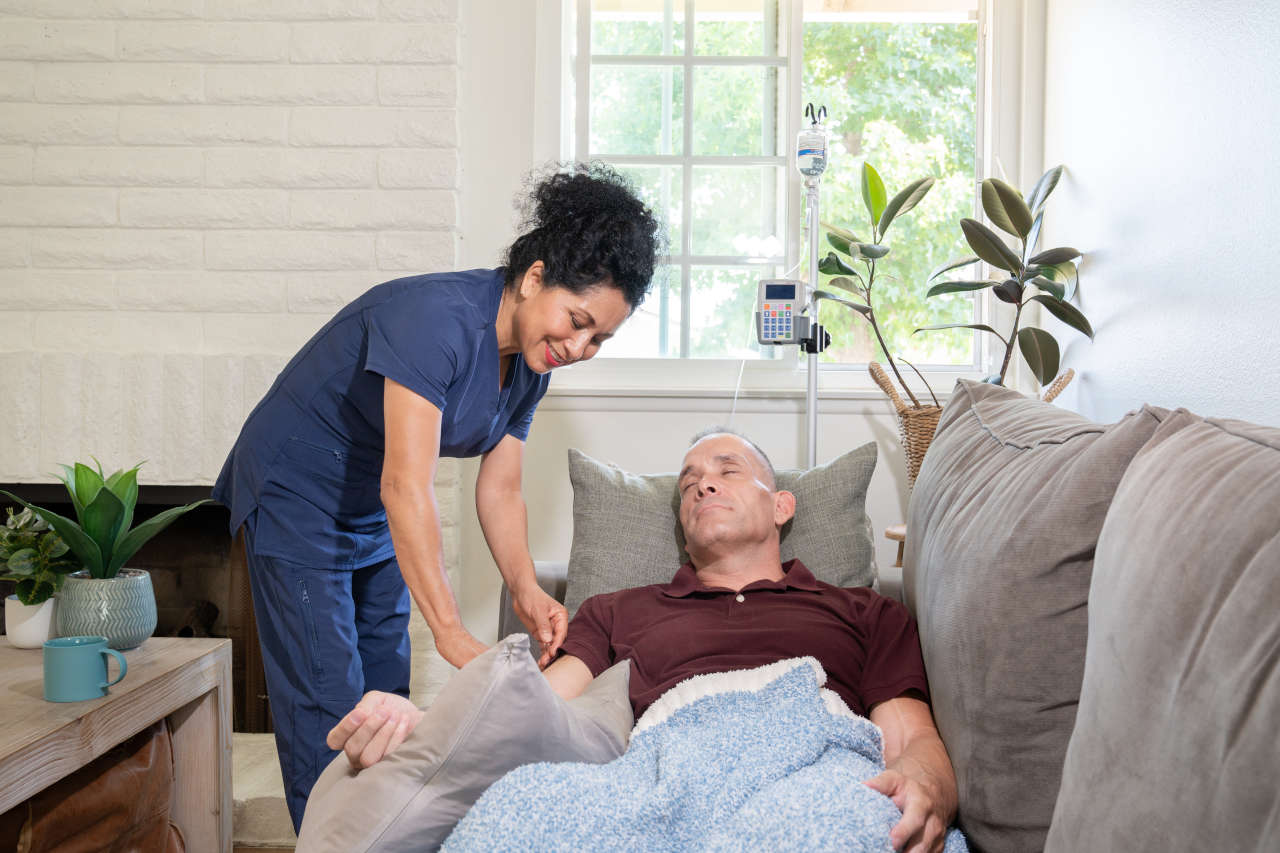
IVIG works through multiple pathways rather than a single mechanism. These mechanisms include suppression of specialized white blood cells, neutralization of autoantibodies, and regulation of immune responses.
Get IVIG Copay Assistance
What Is IVIG?
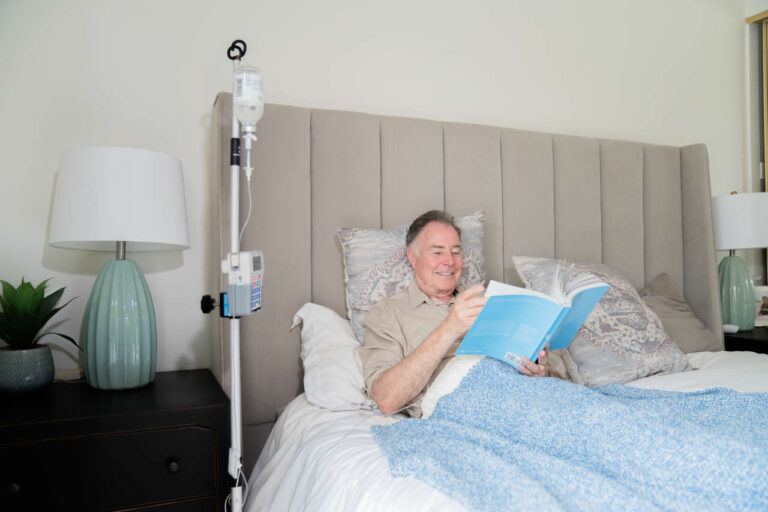
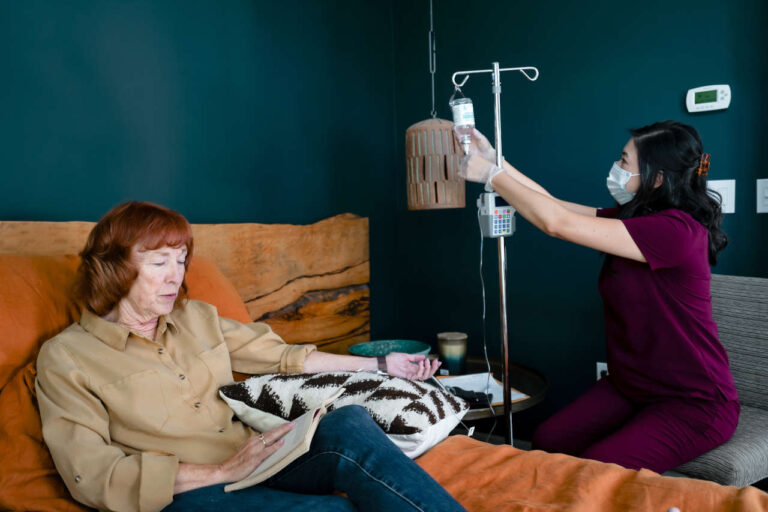
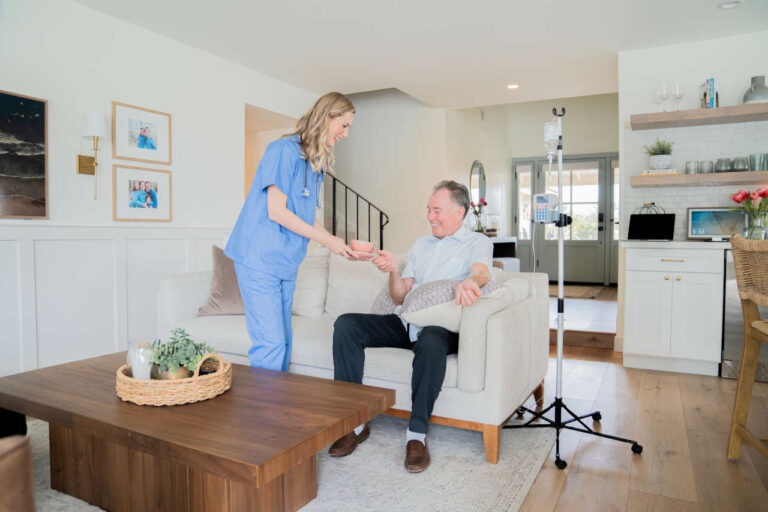
Intravenous immunoglobulin (IVIG) is a blood product administered through an intravenous (IV) infusion. It contains purified antibodies obtained from the pooled plasma of healthy donors.
When a foreign substance enters your body, your immune system produces protective proteins called antibodies or immunoglobulins (Ig). These antibodies attach to the foreign invader and eliminate it from the body.
There are five types of antibodies: IgA, IgD, IgE, IgG, and IgM. IVIG products mainly contain IgG antibodies (over 90% of the total).
Your healthcare provider may prescribe IVIG to boost the immune system, treat autoimmune conditions, and prevent infections in individuals with weakened immune systems.
IVIG Mechanism of Action
IVIG is not a single-target therapy; its effects vary depending on dose, disease, and patient factors.
For example, IVIG acts as a replacement therapy in individuals with antibody deficiencies. Also, it acts as an immunomodulator and an anti-inflammatory in many autoimmune and inflammatory disorders.
Moreover, IVIG can be both pro-inflammatory and anti-inflammatory, depending on the dose.
IVIG Mechanisms of Action in Immunodeficiencies
As a replacement therapy, IVIG primarily acts by replacing the deficient IgG. This helps neutralize pathogens and reduce recurrent infections.
For this purpose, the typical replacement dose is 200 mg/kg to 400 mg/kg body weight, administered every 3 weeks [1].
At low doses, IVIG interacts with the foreign invaders to help activate the first line of immune defense. This part of the immune system (also known as the complement system):
- Targets the foreign substance, such as bacteria
- Triggers inflammation to prevent infection
- Eliminates the foreign substance from the body
So, low-dose IVIG usually promotes inflammation to protect your body from foreign organisms [2].
Get IVIG Prior Authorization
IVIG Mechanism of Action in Autoimmune and Inflammatory Diseases

IVIG can simultaneously interact with different components of the immune system. Thus, the immunomodulatory actions of IVIG involve multiple mechanisms and vary widely among diseases.
High doses, usually 2 g/kg/month, are used in autoimmune and inflammatory diseases. Unlike replacement IVIG, high-dose IVIG is more immunosuppressive and anti-inflammatory [3].
The immunomodulatory effects of IVIG are thought to occur as a result of the following interactions [4,5,6,7,8]:
Interaction With Specific Blood Cells
Monocytes and macrophages are white blood cells that identify and remove pathogens from the body. They do so by releasing inflammatory substances and engulfing pathogens. In a healthy individual, the lifespan of these cells is tightly regulated to prevent excessive inflammation.
However, in chronic inflammatory diseases, these cells survive for longer than usual. Consequently, their accumulation further increases inflammation. IVIG binds to these cells and helps reduce inflammation.
IVIG may help reduce inflammation by suppressing T cell multiplication. T cells are white blood cells that fight off disease-causing microorganisms.
According to a 2024 study, T cells that migrate from the periphery to the site of tissue injury are involved in the development of many chronic inflammatory disorders, including [9]:
IVIG can enhance or block the activity of natural killer cells (NK cells). NK cells are white blood cells that kill virally infected cells and cancer cells. IVIG blocks NK cell activity in women experiencing recurrent spontaneous abortions, leading to favorable pregnancy outcomes.
Contrarily, IVIG enhances NK activity in Kawasaki disease and seizure disorders.
Interaction With Autoantibodies
Autoantibodies are proteins made by the immune system. They attack the body’s healthy tissues instead of foreign substances. In some individuals, they can lead to the development of autoimmune disorders.
IVIG neutralizes the pathogenic autoantibodies. By doing this, it prevents the immune system from attacking the body’s healthy tissues and organs. IVIG reduces the production of autoantibodies by blocking the expansion of B cells.
IVIG is used in many autoimmune disorders, such as:
Speak to a Specialist
About Copay AssistanceFrequently Asked Questions
What is the mechanism of action of IVIG?
IVIG mechanisms of action vary widely depending on the dose, disease being treated, and patient factors. As a replacement therapy, IVIG works by replacing the missing antibodies in individuals with immunodeficiencies. As an immunomodulator, IVIG affects various immune cells and steps involved in immune regulation.
What are IgM, IgG, IgA, IgD, and IgE?
They are five major types of immunoglobulins (antibodies). The subclasses of IgG and IgA are IgG1, IgG2, IgG3, IgG4, and IgA1 and IgA2, respectively.
How does IVIG work to increase platelets?
Though the exact mechanism is unclear, IVIG may:
- Reduce platelet destruction
- Enhance signals for platelet production
How does IVIG work for Guillain-Barre syndrome?
Researchers have yet to determine the exact mechanism of action. However, they think IVIG can work for Guillain-Barre syndrome (GBS) by decreasing the pathogenic antibodies that attack the nerve cells.
How does IVIG work in autoimmune disease?
IVIG can help prevent tissue/organ damage in autoimmune disease by neutralizing the harmful antibodies and reducing the production of antibodies by B cells.
How does IVIG help with myasthenia gravis?
The exact mechanism is not entirely understood. However, IVIG can help improve myasthenia gravis (MG) symptoms and muscle strength by neutralizing autoantibodies that impair communication between muscles and nerves.
REFERENCES:
- Jolles, S et al. “Clinical uses of intravenous immunoglobulin.” Clinical and experimental immunology vol. 142,1 (2005): 1-11. doi:10.1111/j.1365-2249.2005.02834.x
- A Durandy, S V Kaveri, T W Kuijpers, M Basta, S Miescher, J V Ravetch, R Rieben, Intravenous immunoglobulins – understanding properties and mechanisms, Clinical and Experimental Immunology, Volume 158, Issue Supplement_1, December 2009, Pages 2–13, https://doi.org/10.1111/j.1365-2249.2009.04022.x
- Arumugham VB, Rayi A. Intravenous Immunoglobulin (IVIG) [Updated 2023 Jul 3]. In: StatPearls [Internet]. Treasure Island (FL): StatPearls Publishing; 2026 Jan-. Available from: https://www.ncbi.nlm.nih.gov/books/NBK554446/
- Patil, V. and Kaveri, S.V. (2013), The mechanisms of action of IVIG in autoimmune and inflammatory diseases. VOXS, 8: 185-188. https://doi.org/10.1111/voxs.12037
- Burns, Jane C, and Alessandra Franco. “The immunomodulatory effects of intravenous immunoglobulin therapy in Kawasaki disease.” Expert review of clinical immunology vol. 11,7 (2015): 819-25. doi:10.1586/1744666X.2015.1044980
- Shock, Anthony, et al. “Dissecting the Mechanism of Action of Intravenous Immunoglobulin in Human Autoimmune Disease: Lessons From Therapeutic Modalities Targeting Fcγ Receptors.” Journal of Allergy and Clinical Immunology, vol. 146, no. 3, July 2020, pp. 492–500, doi:10.1016/j.jaci.2020.06.036.
- Parihar, Arti et al. “Monocytes and macrophages regulate immunity through dynamic networks of survival and cell death.” Journal of innate immunity vol. 2,3 (2010): 204-15. doi:10.1159/000296507
- Velikova, Tsvetelina et al. “Intravenous Immunoglobulins as Immunomodulators in Autoimmune Diseases and Reproductive Medicine.” Antibodies (Basel, Switzerland) vol. 12,1 20. 2 Mar. 2023, doi:10.3390/antib12010020
- Giovenzana, Anna, et al. “T Cell Trafficking in Human Chronic Inflammatory Diseases.” iScience, vol. 27, no. 8, July 2024, p. 110528, doi:10.1016/j.isci.2024.110528.