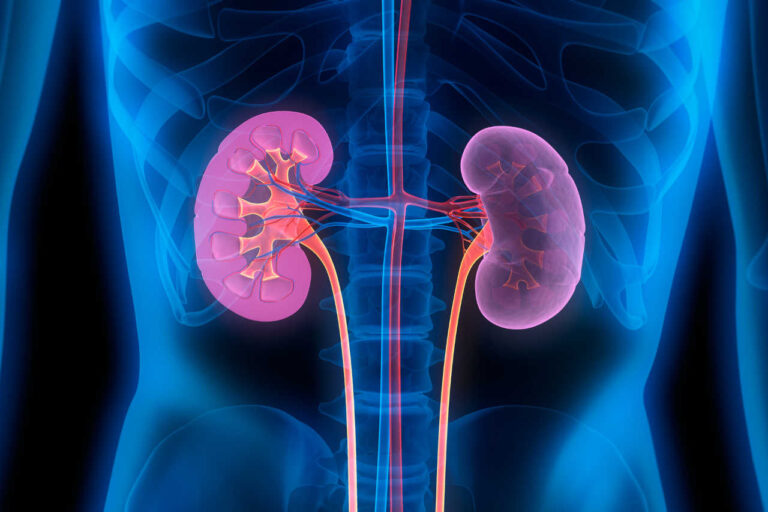




What Is Lenvatinib?
Lenvatinib (pronounced [len VA ti nib]) is also known by the brand name, Lenvima. It is an antineoplastic (anti-cancer) drug that belongs to a class called tyrosine kinase inhibitors (TKI) of vascular endothelial growth factor (VEGF) receptors. TKIs work by inhibiting the enzyme tyrosine kinase, thus blocking cell growth and division. Lenvima is a targeted therapy (a tyrosine kinase inhibitor). It is not traditional cytotoxic chemotherapy, but it is still an anti-cancer medication.
What Is Targeted Therapy?
Targeted therapy uses drugs designed to block specific signals that help cancer cells grow and survive. Lenvatinib is a targeted therapy that inhibits certain tyrosine kinases (including VEGF receptors), which can slow tumor growth and reduce tumor blood supply.
Safe Handling and Exposure Precautions
Lenvatinib is considered a hazardous medication. Capsules are designed to be swallowed whole. Do not open, crush, or chew the capsules. If a capsule is broken or leaking, avoid direct contact with the contents.
If you need to handle the capsule (especially if one is damaged), wear disposable gloves and wash hands afterward. If a capsule is damaged, contact your pharmacist for instructions on what to do next.
How Is Lenvatinib Used?
Lenvatinib is FDA-approved for several cancers, including thyroid cancer, renal cell carcinoma (kidney cancer), hepatocellular carcinoma (liver cancer), and endometrial cancer. Lenvatinib can be prescribed in combination with other anti-cancer medicines, such as pembrolizumab (Keytruda) or everolimus (Afinitor), depending on the cancer type, prior treatments, and your overall health.
For example, for endometrial carcinoma, it is typically given in combination with pembrolizumab, and for renal cell carcinoma, it is typically given with either everolimus or pembrolizumab.
Available Formulations
Lenvatinib is only available in the form of capsules as a therapy pack and must be administered orally. The capsules are available in two different strengths: 4 mg and 10 mg. The 4 mg capsules are red and imprinted with “E LENV 4 mg” on one side. The 10 mg capsules are red and yellow and imprinted with “E LENV 10 mg” on one side.
Directions for Use
Lenvatinib may be taken with or without food. While taking the capsule, swallow it whole; do not break, crush, chew, or allow it to be dissolved in your mouth. Lenvatinib may also be dissolved in a small glass (15 ml) of water or apple juice. (Put the entire capsule in liquid and leave for 10 minutes and stir for an additional 3 minutes.) Following the ingestion of the liquid, add another small amount (15 ml) of water or apple juice into the glass, swirl, and repeat a few times to ensure all contents of the capsule have been ingested.
Lenvatinib is typically dosed once a day, and the dose depends on the cancer type, your liver/kidney function, and how well you tolerate treatment. You should verify the correct dose and frequency with your provider.
Missed Dose
If you have accidentally missed a dose, do not take a missed dose within 12 hours of the next dose. If within 12 hours, skip the missed dose and return to regular administration.
Storage
Store capsules in a cool, dry place at room temperature and ensure the bottle is tightly closed.
What To Avoid While Taking Lenvatinib?
While on lenvatinib therapy, you must follow some precautions. Always tell your physician about any medication you are already taking. Do not take any drug or medicine (even herbals or over-the-counter medications) without prior consent from your physician or pharmacist, as they may have significant interactions with lenvatinib. Talk with your oncology team before getting any vaccines. Some vaccines may be recommended, while others, such as live vaccines, may not be appropriate during treatment.
Pregnancy and Lenvima
Pregnancy status must be checked prior to starting chemotherapy in women of childbearing age. Effective contraception must be used during treatment and for 1 month after the last dose. Lenvatinib may cause fetal harm and therefore, breastfeeding must be avoided during treatment and for at least 1 week after the last dose.
Side Effects
As with any other medication, you may encounter side effects while taking lenvatinib. A few things to keep in mind are:
- You may not have all the side effects listed below. Many people may experience little to no side effects.
- The severity of side effects may vary from person to person, so don’t compare your side effects with other people’s experiences.
- Most of the side effects will improve when therapy is discontinued.
- These side effects are easily manageable most of the time either by readjusting the dose of lenvatinib or by using additional medications to treat the symptoms. Consult with your physician or pharmacist to explore the available options.
- Do not hide any symptoms; when you feel any discomfort, do not hesitate to tell your physician or pharmacist about it.
Note: This is not a comprehensive list of all side effects. Talk to your doctor if you have questions.
Get urgent help right away if you have:
- Chest pain
- Sudden shortness of breath
- Coughing up blood
- One-sided weakness
- Trouble speaking
- Severe headache/vision changes
- Fainting
- Severe or persistent diarrhea
- Signs of severe bleeding
- Yellowing of the eyes/skin
- Greatly reduced urination
Some of the most common side effects of lenvatinib are:
Hair Loss
Hair thinning or changes in hair texture may occur, but complete hair loss is less common with lenvatinib than with many traditional chemotherapy drugs. Hair changes often improve after treatment is adjusted or stopped.
Nausea and Vomiting
You may exhibit acute or delayed nausea and vomiting once you start treatment. These symptoms usually disappear after a few hours or days after starting therapy. If nausea or vomiting is severe, contact your physician to see if they can add an antiemetic medication to the regimen.
Eating habits should consist of small amounts of food four to six times a day. Try to avoid eating too much at once. Maintain proper body hydration by drinking fluids throughout the day. Nausea and vomiting may result in abdominal pain and can also cause a decrease in appetite, leading to weight loss. This may help reduce nausea or vomiting frequency and severity. Patients 60 years and older may experience a greater incidence of these side effects.
Cardiac Complications
There is a risk that lenvatinib may cause high or low blood pressure. It may typically present as a very bad headache or dizziness, passing out, or a change in eyesight. Less commonly, however, it can potentially lead to blood clots, heart attacks, strokes, venous thromboembolism (VTE) or pulmonary embolism (PE) if left uncontrolled. Clots may present as chest pain or pressure, coughing up blood, shortness of breath, swelling, warmth, numbness, change of color or pain in a leg or arm, trouble speaking, or trouble swallowing. Typically these side effects are controlled with medications to treat high blood pressure.
Hand-and-Foot Syndrome
Another very conspicuous side effect of lenvatinib is hand-and-foot syndrome, also known as palmar-plantar syndrome or palmar-plantar erythrodysesthesia. This syndrome may cause redness, swelling, skin rash, or pain typically on the palms of the hands and the soles of the feet. More severe cases may be characterized by numbness, tingling, swelling, blistering, and peeling skin resulting in fingerprint loss. If you feel any of these symptoms, inform your doctor or pharmacist immediately, as a dose reduction may be required. Patients 60 years and older may experience a greater incidence of this side effect.
Diarrhea or Abdominal Pain
If you have watery stools more than four times a day or frequent loose, watery stools, you may have diarrhea. This is one of the most common side effects of lenvatinib. Abdominal pain may be associated with diarrhea. Keep hydrated and take plenty of fluids to maintain water balance in your body. Try to avoid eating raw foods, fruits, vegetables, whole-grain bread, cereals, seeds, and any other foods that may exacerbate diarrhea. Foods that will help reduce diarrheal risk include boiled or baked chicken (white meat) and white rice. In rare cases, diarrhea may become severe. If that happens, consult your doctor immediately. Patients 60 years and older may experience a greater incidence of these side effects.
Bone/Joint Pain
Another common side effect includes bone or joint pain or even back pain. This may also be a result of anemia or other side effects mentioned previously. Adequate rest and hydration may help reduce potential bone, joint, or back pain. Get a doctor’s approval prior to taking any over-the-counter medications such as Advil, Motrin, ibuprofen, and acetaminophen. These medications may interact with lenvatinib absorption.
Osteonecrosis of the Jaw (ONJ)
ONJ is an uncommon but serious condition. Symptoms can include jaw pain, swelling, loose teeth, gum sores, numbness/heaviness in the jaw, or poor healing after dental work. Inform your health care team of any medications used for bone health, and before any invasive dental procedure. Report any mouth/jaw symptoms promptly.
Thyroid Problems
Problems with the thyroid may occur, especially the underactivity of the thyroid gland (called hypothyroidism). This may result in changes in weight, feelings of tiredness or weakness, hair thinning, depression, neck or face swelling, menstrual changes, dry skin, hoarseness, muscle weakness, or sensitivity to cold.
Reversible Posterior Encephalopathy Syndrome (PRES)
This condition is reversible, and usually subsides within one week of discontinuation of therapy. Presentation of this condition includes feelings of confusion, lowered alertness, change in eyesight, loss of eyesight, seizures, or a very bad headache.
Liver or Kidney Complications
Kidney problems can be indicated with the inability to pass urine, changes in how much urine is passed, blood in the urine, or excessive weight gain. Liver problems can be indicated by the darkening of the urine, feelings of tiredness, lack of appetite, upset stomach or stomach pain, light-colored stools, or yellowing of the skin or eyes. If any of these signs or symptoms are present, contact your physician immediately.
Other common side effects may include:
- Headache
- Weight loss
- Tiredness or insomnia
- Decreased appetite
- Breathing difficulty
- Mouth irritation or mouth sores
- Change in voice
Cost
The cost of lenvatinib varies depending on your insurance and pharmacy. Contact us if you are interested in financial assistance or copay assistance for lenvatinib.
Precautions
Unless approved by your physician, lenvatinib is generally not recommended for:
- Patients with risk of high blood pressure. Blood pressure should be monitored regularly.
- Patients with severe kidney or liver impairment. If either occurs, dose reduction of lenvatinib is required, and if severe, then permanent discontinuation is recommended.
- Patients at high risk of GI perforations and fistulas or severe diarrhea. If any of these GI events occur, immediate and permanent discontinuation of lenvatinib is recommended.
- Patients with bleeding problems, blood clots, or a deficiency of calcium or potassium in the blood. Bleeding and clotting problems may include: bruising; black, tarry, or bloody stools; bleeding gums; blood in the urine; coughing up blood; cuts that take a long time to stop bleeding; nosebleeds; throwing up blood; or vomit that looks like coffee grounds.
- Patients at high risk of thrombotic events.
- Thrombotic events include heart attacks, ischemic stroke, venous thromboembolism (VTE), and pulmonary embolism (PE).
- If any of these thrombotic events occur, immediate discontinuation of lenvatinib may be recommended.
- Patients with risk of osteonecrosis of the jaw (ONJ). Lenvima therapy should be withheld before any invasive dental procedures and restarted at least 2 weeks later or once adequate healing has occurred.
- Patients undergoing elective surgery or procedures. Therapy may be suspended for at least 21 days before a surgery or procedure and may be restarted afterwards. Contact your physician regarding any scheduled surgeries or procedures.
FAQs
Is lenvatinib a chemo agent?
Lenvatinib is a targeted therapy (a tyrosine kinase inhibitor), not traditional cytotoxic chemotherapy. It is still an anti-cancer medication used to treat certain cancers, sometimes in combination with other anti-cancer drugs.
How should lenvatinib be taken?
Lenvatinib can be taken with or without food. The capsule can be swallowed whole or can be dissolved in 15 ml of water or apple juice. Allow the entire capsule (do not crush, break, or open) to dissolve in the liquid for 10 minutes and then mix for an additional 3 minutes. After drinking, add another 15 ml of liquid into the same cup, swirl, and drink again. Repeat a few more times to ensure all of the capsule’s contents have been ingested.
Can you lose your hair with lenvatinib?
Hair thinning or changes can happen, but complete hair loss is less common with lenvatinib than with many traditional chemotherapy drugs. Risk can increase depending on combination treatments and individual factors.
Can you touch lenvatinib?
Swallow capsules whole and avoid opening/crushing them. If a capsule is broken or leaking, avoid contact with the contents; wear gloves if needed and wash hands afterward. Ask your pharmacist what to do if a capsule is damaged.
REFERENCES:
Lenvatinib. In: Lexi-drugs online [database on the Internet]. Hudson (OH): Lexicomp, Inc.; 2016 [updated 29 Oct 2021; cited 4 Nov 2021]. Available from: http://online.lexi.com
Lenvatinib. In: In Depth Answers [database on the Internet]. Greenwood Village (CO): IBM Corporation; 2017 [cited 2021 Nov 4]. Available from: www.micromedexsolutions.com.
Lenvima: Uses, dosage, side effects, warnings. Drugs.com. (n.d.). Retrieved November 4, 2021, from https://www.drugs.com/lenvima.html.
Lenvima.com. 2021. Home. [online] Available at: <https://www.lenvima.com/> [Accessed 5 November 2021].