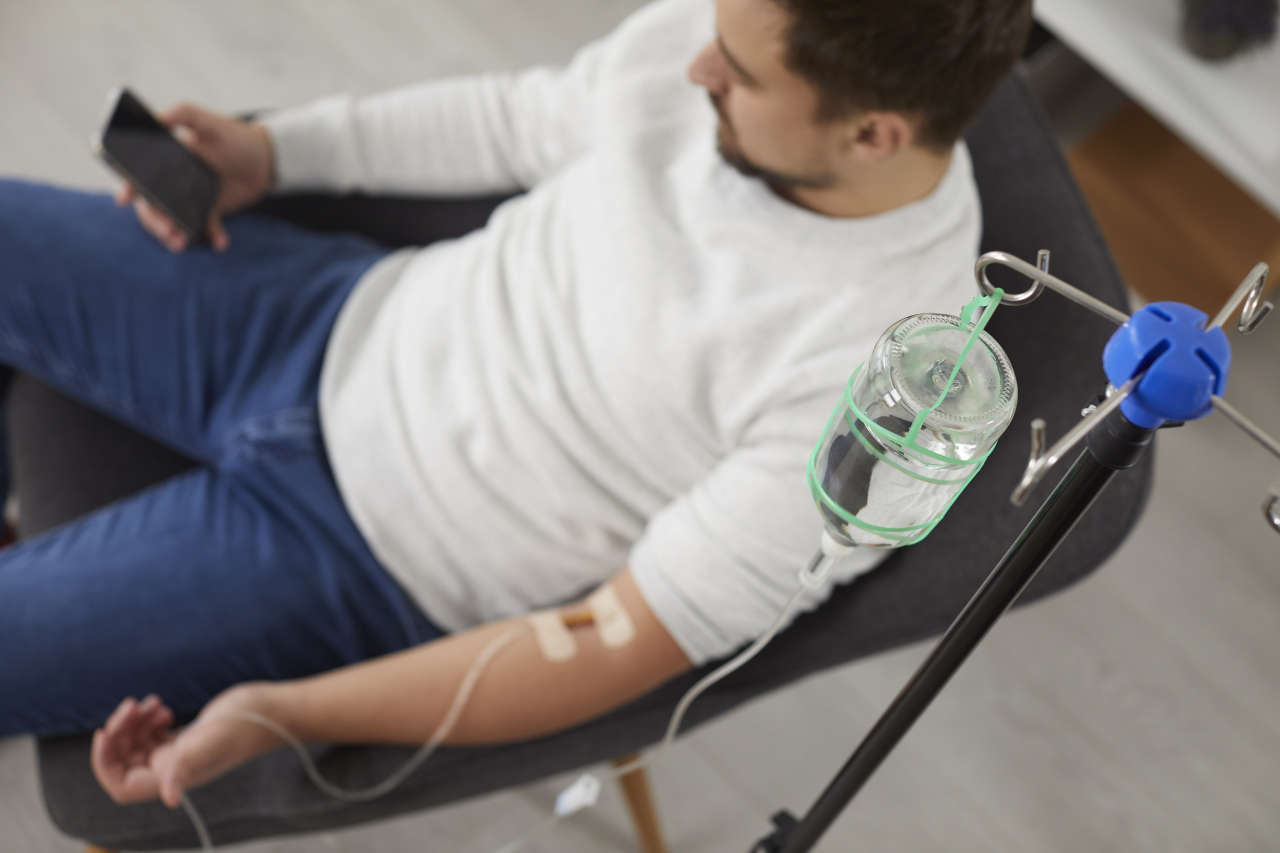
Jivi for Hemophilia A: How It Works, Benefits, and Possible Side Effects

Bleeding disorders can significantly impact your day-to-day life. One such condition is hemophilia A, which affects more than 400,000 males worldwide [1]. Hemophilia A is an X-linked condition, meaning males who carry the defective gene will become affected, whereas females with the affected gene are mildly affected, if at all.

Get Financial Assistance

(877) 778-0318

Hemophilia A occurs when your blood doesn’t clot properly. As a result, people with hemophilia A experience frequent or prolonged bleeding episodes. If you do not treat it, it may lead to serious complications such as joint damage, chronic pain, and disability. In some cases, it can even cause death.

Fortunately, there are many medications to manage hemophilia A and reduce the risk of bleeding. One such medication is Jivi (damoctocog alfa pegol). In this article, we’ll talk about everything you need to know about Jivi, including its dosage, side effects, and much more.

What Is Jivi?

Jivi (damoctocog alfa pegol) is an FDA-approved medicine used to control or prevent bleeding episodes in patients with Hemophilia A. Hemophilia A is a genetic disorder caused by a lack of clotting factor VIII (a protein needed for normal blood clotting). 

Jivi is a man-made version of clotting factor VIII that is chemically modified to last longer in the body. It was developed by Bayer, and the FDA first approved it in August 2018 for use in children and adults with Hemophilia A [2]. 

You can get this medication through an IV infusion, and it is designed to give you longer protection compared to other factor VIII products.

What Is Jivi Used To Treat?

Jivi is a factor VIII replacement medicine. Factor VIII is a protein that is needed to clot blood properly. Jivi is used to treat people with hemophilia A, a condition where the body does not have enough factor VIII. 

Jivi can be used in adults and children aged 7 or older who have taken factor VIII replacement therapy before. It is FDA-approved for [3]:

  • Treating bleeding episodes when they happen
  • Controlling bleeding during and after a surgery
  • Regular preventive treatment to reduce the frequency of bleeding episodes

Please note that Jivi is not recommended for children under 7 years of age, people who never received factor VIII therapy, or people who have Von Willebrand disease.

How Does Jivi Work?

Factor VIII is a protein that your body needs to form blood clots properly. In people with hemophilia A, the body does not produce enough functional factor VIII. As a result, they experience prolonged or frequent bleeding episodes. 

Jivi is a laboratory-made factor VIII medicine. It works by replacing the missing clotting factor VIII in people with hemophilia A. The notable feature of Jivi is that it has been modified by attaching it to a substance called PEG (polyethylene glycol). This modification slows down the rate at which Jivi is removed from the body.

As a result, Jivi stays in your bloodstream for a longer time. Thus, you get longer-lasting protection against bleeding.

Talk With a Copay Assistance Specialist

Get Started

Jivi Side Effects

Like any other medicine, Jivi can also cause side effects. Some are mild while others may be serious and require immediate medical attention. Here are some common and serious side effects [3][4]:

Common Side Effects

Boy experiencing cough, a side effect of Jivi

Here are the most common side effects of Jivi:

  • Fever
  • Cough
  • Headache
  • Abdominal pain

These side effects are usually mild and resolve within a few days. But if they persist or worsen, consult your doctor.

Serious Side Effects

Although rare, Jivi can cause serious side effects. Here are some of them:

Severe Allergic Reactions: Jivi can cause allergic reactions, which can be severe. Symptoms include rash, itching, swelling of the face or throat, difficulty breathing, nausea or vomiting, and stomach cramps. If an allergic reaction occurs, stop using Jivi immediately and contact your doctor.

Development of Factor VIII Inhibitors: You may develop inhibitors (antibodies) that reduce the effectiveness of Jivi. If bleeding does not stop as expected, your doctor may conduct a blood test to check the factor VIII levels in the blood to confirm whether they are lower than they should be.

Immune Reaction to PEG: The immune system of some patients may react to PEG (a substance in Jivi). This can lead to sudden allergic reactions or make Jivi less effective. 

Please note that this is not a complete list of all possible side effects. If you experience any unusual or severe symptoms, contact your doctor immediately.

Dosing

Jivi is available as a lyophilized powder in single-dose vials. Your doctor will reconstitute it before using. You will receive this drug through intravenous infusion. The dosage and frequency of Jivi infusion depend on your weight, the severity of your disease, and your treatment goal. Here is the usual recommended dosage of Jivi [4]:

Treatment of Bleeding Episodes and Surgical Use: The dosing is based on how much the patient’s factor VIII level needs to increase. The required dose is calculated using your body weight and the desired increase in factor VIII activity. Your doctor will determine the right dose for you.

Prevention of Bleeding: Here is the usual dosage that you must take regularly to prevent bleeding:

  • For adults and children aged 12 years or older, the usual starting dose is 30-40 IU/kg twice weekly. If bleeding continues, the dosage can be adjusted to 45-60 IU/kg every 5 days.
  • For children aged 7-11 years, the recommended starting dose is 60 IU/kg. Your doctor will adjust the dose based on clinical response and factor VIII recovery.

Get Copay Assistance Now

(877) 778-0318

Before Starting Jivi

Before you start your treatment with Jivi, you need to discuss your full medical history with your doctor. This will ensure that the medicine is safe and effective for you and reduce the risk of complications during treatment. You should tell your doctor if you: 

  • Have ever had an allergic reaction to factor VIII products or polyethylene glycol (PEG)
  • Are allergic to rodents (such as mice or hamsters)
  • Have developed factor VIII inhibitors (antibodies) in the past
  • Have any other bleeding disorder besides hemophilia A
  • Have a history of immune system disorders, as this may increase the risk of inhibitor formation
  • Are pregnant, planning to become pregnant, or breastfeeding

Make sure to always follow your doctor’s instructions carefully and never change your dose or treatment schedule without medical advice.

Jivi Cost

Jivi is available as a powder in a single-dose vial for injection. Depending on the strength, a single vial can cost several thousand dollars. Actual out-of-pocket costs vary based on dose, insurance coverage, frequency, and assistance programs. Contact us if you are interested in exploring financial assistance options or copay assistance for Jivi.  

Vasculitis: What You Need to Know

Vasculitis refers to a group of disorders characterized by inflammation of blood vessels. Many types are autoimmune, though some are triggered by infections, medications, or other conditions. While some types are extremely uncommon, overall prevalence varies depending on the specific subtype. In this article, you will learn about its causes, symptoms, diagnosis, and treatment options. Also, we will answer some of the most common questions about this condition.  

Get Financial Assistance

(877) 778-0318

What Is Vasculitis?

Synonyms: Angiitis and arteritis

Vasculitis is not a single disease. It is a group of disorders that involve swelling and irritation of blood vessels. When the blood vessels are inflamed and narrowed, they cannot supply enough blood to the organs and tissues. As a result, these organs and tissues can become damaged. 

Vasculitis can affect the following types of blood vessels in the body:

  • Arteries (Arteries deliver oxygen-rich blood to different organs and tissues)
  • Veins (Veins take oxygen-poor blood to the heart)
  • Capillaries (Tiny vessels that carry oxygen and nutrients to cells in the body)

While many types of vasculitis exist, most are rare. Depending on the type of blood vessel affected, this condition may affect one or several organs. 

What Causes Vasculitis?

Researchers have yet to determine the exact cause of vasculitis. Your genes might be responsible for some types, while others might result from your immune system mistakenly attacking the blood vessels. 

Several factors may be responsible for such immune reactions:

  • Infections (Hepatitis B and hepatitis C)
  • Blood cancers
  • Immune disorders like rheumatoid arthritis, lupus, and scleroderma
  • Reactions to certain drugs, including quinolones, clarithromycin, furosemide, NSAIDs, and TNF-α inhibitors

Risk Factors

Anyone can get this condition. However, some factors may increase the risk, such as:

  • Age: Giant cell arteritis typically affects people older than 50. Kawasaki disease is most common in children below 5 years old.
  • Lifestyle factors: Use of tobacco and cocaine may increase the risk of certain types of vasculitis, especially in men younger than 45. 
  • Infections and autoimmune conditions: Certain infections and autoimmune disorders can trigger your immune system to attack healthy blood vessels. 

Speak to a Specialist

About Copay Assistance
Schedule a Consultation

What Are the Symptoms of Vasculitis?

Patient experiencing headache, a symptom of vasculitis

Symptoms common to most types of vasculitis are:

  • Fever
  • Headache
  • Tiredness
  • Weight loss
  • Aches and pains

Symptoms specific to the part of the body affected can include:

Digestive system

  • Pain after eating
  • Ulcers
  • Blood in stool 

Ear

  • Dizziness
  • Ringing in the ears
  • Sudden hearing loss

Eyes

  • Itching, burning, and redness in the eyes 
  • Double vision
  • Temporary or ongoing blindness

Hands or feet

  • Numbness or weakness in hands or feet
  • Swollen palms or soles 

Lungs

  • Shortness of breath 
  • Blood in cough 

Skin

  • Red spots due to bleeding under the skin 
  • Open sores or lumps 

How Is Vasculitis Diagnosed?

Diagnosis involves a medical history and physical exam. 

Your healthcare provider may order tests to diagnose vasculitis or exclude other conditions with overlapping symptoms. Tests can include:

  • Blood tests: They help detect inflammatory markers and certain antibodies (proteins) in your body. 
  • Imaging tests: Tests like X-rays, ultrasounds, CT scans, MRIs, and PET scans can help determine the location of the affected blood vessels and organs. 
  • Angiography: This test helps your healthcare provider observe early inflammatory changes in your blood vessels. 
  • Biopsy: During a biopsy, a healthcare professional removes a small piece of tissue from the affected area. The tissue is further tested in a lab to look for signs of vasculitis. 

Get Copay Assistance Now

(877) 778-0318

What Are the Treatments for Vasculitis?

No cure for vasculitis is currently available. However, appropriate treatments can help you enter symptom-free periods (remission). Remission can last for years or months. 

Treatments help manage your symptoms and prevent damage to your blood vessels and organs. They can include:

Corticosteroids

Prednisone, a corticosteroid, is the most commonly used medication to reduce inflammation. Corticosteroids are typically used during active disease to achieve remission. 

Corticosteroids, especially when used for prolonged periods, can cause side effects, such as:

  • Weight gain 
  • Elevated blood sugar
  • Weakened bones 

Immunosuppressants

These medications help prevent your immune system from attacking the blood vessels. They are used to keep you in remission for as long as possible. Examples include azathioprine, methotrexate, and mycophenolate.

Other medications that may be used based on the type of vasculitis include:

Surgery 

Surgery may be an option if you have:

  • Aneurysms (balloonlike bulges in the wall of a blood vessel)
  • Blocked arteries 

Can You Use IVIG for Vasculitis?

Your healthcare provider may prescribe IVIG for vasculitis, but only in specific cases. 

Medications such as rituximab, methotrexate, and azathioprine can lead to favorable outcomes for most patients. However,  IVIG may be an option when a patient cannot take an immunosuppressant because they already have a compromised immune system. (Note: IVIG is an immunomodulatory agent, not an immunosuppressant.)

Moreover, IVIG is generally safe during pregnancy, and it might be the better option for certain pregnant women with vasculitis. 

Lastly, IVIG may be used to counteract hypogammaglobulinemia caused by rituximab. 

Frequently Asked Questions

What to avoid if you have vasculitis?

Things to avoid if you have vasculitis:

  • Processed foods
  • Added sugars
  • Alcohol
  • Excessive salt
  • Smoking 

What’s the life expectancy of people with vasculitis?

There’s no single answer. Moreover, we don’t have data on the link between specific types and lifespan. Some types are mild, while some are more severe. Types that affect vital organs like the brain, lungs, or kidneys can be life-threatening, particularly during the active disease state. Treatments that suppress the immune system may increase the risk of infections. With early diagnosis and modern treatments, many people with vasculitis live normal or near-normal lifespans.  

Can you recover from nerve damage caused by vasculitis?

Your chances of nerve recovery are higher if the treatment is started early. Sadly, in most cases, only partial recovery is possible. 

Should you follow a specific diet for vasculitis?

It’s hard to pinpoint and recommend a particular diet for a patient without knowing their unique individual situations. In general, it’s best to follow the American Heart Association’s dietary guidelines, which include:

  • Plenty of whole grains, fruits, and vegetables
  • Limited intake of added sugars, alcohol, and ultra-processed foods.

ARALAST NP: Uses, Dosage, Side Effects, Cost, and Safety Information

ARALAST NP is used to treat adults with symptoms of emphysema caused by alpha-1 antitrypsin deficiency (AATD). It was initially approved by the U.S. FDA in 2002. Baxalta Inc. (now a subsidiary of Takeda Pharmaceutical Company) manufactures this medication. 

Get Copay Assistance Now

(877) 778-0318

In this article, you will learn about its mechanism of action, dosage, side effects, cost, and more.

Important Warnings and Precautions

Allergic Reactions

This medication may cause severe allergic reactions, which can be fatal. Seek emergency medical care if you experience:

  • Hives
  • Itching
  • ­Chest tightness
  • Shortness of breath
  • Wheezing
  • Faintness
  • ­Low blood pressure

Infection Transmission Risk

This medication is made using donated human plasma. Thus, it may carry a risk of spreading viruses or other infectious agents. Talk to your healthcare provider about any potential risks of disease transmission. 

Contraindication

Don’t use this medication if you have IgA deficiency with antibodies against IgA.

Before Taking ARALAST NP

Before you receive your first dose, inform your healthcare provider if you:

  • Have or had any medical issues.
  • Are allergic to this product, any product component, or any other medications.
  • Have IgA deficiency with antibodies to IgA.
  • Have or had liver disease or chronic obstructive pulmonary disease (COPD).
  • Are pregnant or planning to get pregnant. It is unknown if this medication harms your unborn baby. 
  • Are breastfeeding. It is unknown if this medication is present in breast milk, and if it can harm the baby.

ARALAST NP Information and Uses

ARALAST NP injection is a brand-name prescription product. It contains the active ingredient “Alpha1-Proteinase Inhibitor (Human)”, which is in a medication class known as blood derivatives. 

A healthcare provider may prescribe this medication for adults with symptoms of emphysema caused by severe alpha1-antitrypsin deficiency (AATD). 

Alpha1-antitrypsin deficiency (AATD) is an inherited condition. Over time, it can damage the lungs, liver, skin, and blood vessels. People with AATD have either insufficient or faulty alpha1-antitrypsin. 

Alpha1-antitrypsin is a protein made in the liver. This protein protects the lungs from smoke, dust, or pollution. When you have insufficient or faulty alpha1-antitrypsin, your lungs are not fully protected, which may cause emphysema. 

Emphysema is a chronic lung condition. Symptoms can include:

  • Shortness of breath
  • Wheezing
  • Coughing
  • Chest tightness or heaviness
  • Excessive tiredness

Talk With a Copay Assistance Specialist

Schedule a Call

ARALAST NP Mechanism of Action

ARALAST increases the levels of alpha1-antitrypsin in the blood and lungs. By doing this, it helps prevent certain substances in the lungs from damaging the tiny air sacs (alveoli) in the lungs. 

ARALAST Dosage

This medication is supplied as a white or off-white to slightly yellow-green or yellow powder in single-dose vials. Each vial contains 0.5 g or 1 g of functional Alpha1-proteinase inhibitor. The vials are included in the kit. 

Each ARALAST NP kit contains:

  • An appropriate volume of Sterile Water for Injection
  • USP diluent (25 ml for 0.5 g vial and 50 ml for 1 g vial)
  • One sterile double-ended transfer needle
  • One sterile 20 micron filter needle 
  • One package insert

The recommended dosage is 60 mg/kg body weight once weekly by intravenous (IV) infusion. Your healthcare provider may change the infusion rate, depending on your response and level of comfort. 

They may lower the infusion rate or stop the infusion if severe reactions occur. Infusion may be resumed after the symptoms go away. 

You may receive your weekly dose in any of the following settings:

  • In the clinic by a healthcare provider 
  • At an outpatient infusion center
  • At home with a healthcare provider

ARALAST NP Side Effects

Common Side Effects

Young woman suffering from side effects from taking ARALAST
  • Cold symptoms such as a runny or stuffy nose, sneezing, cough, and sore throat
  • Headache
  • Muscle or joint pain
  • Tiredness
  • Flushing
  • Diarrhea
  • Nausea
  • Bruising or bleeding at the injection site

Severe Side Effects

Talk to your healthcare provider immediately if you experience:

  • Seizure
  • Yellowing of your skin or eyes
  • Chest pain, breathing difficulty, and wheezing
  • Sudden weakness on one side of the body
  • Blurred vision or eye pain/swelling
  • Slurred speech
  • Problems with balance or coordination

Get Financial Assistance

(877) 778-0318

Storage and Handling

  • Store this product at temperatures below 25°C (77°F).
  • Avoid freezing.
  • Never use after the expiration date printed on the label.
  • Store in the original carton to prevent sun exposure.

ARALAST NP Cost

Cost can vary depending on your insurance plan, location, and pharmacy. Contact your insurance provider to determine whether your plan covers this medication and whether prior authorization is required.

If you qualify, you may enroll in the Takeda Patient Support Co-Pay Assistance Program. Contact us if you are interested in exploring financial assistance opportunities for ARALAST NP. 

ARALAST vs. ARALAST NP

ARALAST NP is a newer, modified form of ARALAST. 

Both products have the same active alpha1-proteinase inhibitor components and identical formulations. Structurally, they are slightly different. However, the effects of these structural differences on drug efficacy are unknown. 

ARALAST is no longer available in the U.S. 

ARALAST NP vs. GLASSIA

Both products are prescribed for alpha1-proteinase inhibitor deficiency. However, they differ in formulations and strengths. 

GLASSIA is available as a ready-to-use liquid in a single-dose vial. Each vial contains 1 g, 4 g, or 5 g of functional Alpha1-proteinase inhibitor. 

On the other hand, ARALAST NP is supplied as a white or off-white to slightly yellow-green or yellow powder in single-dose vials. Each vial contains 0.5 g or 1 g of functional Alpha1-proteinase inhibitor. 

ARALAST must be reconstituted before administration. The reconstituted liquid is colorless or slightly yellow to yellow-green.

TPN After Bariatric Surgery: Indications and Potential Side Effects

Though not routinely used after bariatric surgery, TPN (total parenteral nutrition) may help certain patients with surgery-related complications and severe malnutrition. 

Get Copay Assistance Now

(877) 778-0318

What Is TPN? 

Total parenteral nutrition (TPN) is a feeding method that bypasses the digestive tract. It involves administering a special formula directly into your bloodstream through a vein. The formula contains fats, sugar, protein, salts, vitamins, minerals, and water. Thus, TPN provides most nutrients your body needs to function. 

What Is Bariatric Surgery?

Bariatric surgery (also called weight loss surgery or metabolic surgery) is a type of obesity treatment. It involves surgical procedures that make changes in the digestive tract. These changes can help you lose weight by:

  • Limiting the number of calories you can take in and absorb
  • Reducing hunger signals 

Bariatric surgery may be done when other weight loss treatments have failed or when you have serious obesity-related health issues. According to the American Society for Bariatric and Metabolic Surgery, over 270,000 surgeries were performed in 2023 [1]. 

Bariatric Surgery Complications 

While bariatric surgery can help you lose weight, it’s no quick fix. Besides, it comes with potential side effects, such as:

  • Malabsorption (impaired absorption of nutrients by the small intestine)
  • Malnutrition (deficiency of nutrients)
  • Gallstones (hardened deposits in the gallbladder or bile ducts)
  • Bile reflux (upward flow of bile from the small intestine into the stomach)
  • Bleeding
  • Infection
  • Blood clots
  • Small bowel obstruction (blockage in the small intestine)
  • Anastomotic leaks (leaks from the surgically reconnected region of the intestine)

When May TPN Be Used After Bariatric Surgery?

TPN isn’t generally used after bariatric surgery. That said, TPN may be an option when patients have severe surgery-related complications or malnutrition following surgery. 

TPN for Post-Surgery Malnutrition

Individuals who have had bariatric surgery may have malabsorption severe enough to cause malnutrition. They may be deficient in nutrients, including [2]:

  • Vitamins like A, D, B12, thiamine, and folic acid
  • Minerals like zinc, copper, and iron
  • Protein (often causing hair loss)
  • Fat 

Speak to a Specialist

About Copay Assistance
Get Started

Moreover, some people who have undergone bariatric surgery may develop something called “failure to thrive” or FTT. This is a potentially life-threatening condition characterized by extensive weight loss, frequent vomiting, and malnutrition. 

Extremely low albumin (a protein) levels in the blood are another complication associated with certain types of weight-loss surgery [3].

TPN can help correct deficiencies and increase weight and serum albumin levels. In a 2016 study, researchers analyzed the data of 54 patients with a history of bariatric surgery who were given home parenteral nutrition (HPN). 

By the end of the HPN treatment, they found that participants who received HPN had significantly higher weight gain and serum albumin levels [4].

Considering these benefits, parenteral nutrition may be used to:

  • Correct nutritional deficiencies 
  • Increase serum albumin levels
  • Prepare patients for revisional bariatric surgery (surgical procedures after weight loss surgery to reduce side effects)

TPN for Surgery-Related Complications

An anastomotic leak is an early complication associated with bariatric surgery. It can cause bowel contents to leak into the abdominal cavity, potentially leading to infection. Leakage occurs from the surgically reconnected region of the intestine. 

TPN is often the most preferred feeding method in such cases because it allows anastomotic leaks to heal by providing rest to the gut. Some healthcare providers may find TPN easier to administer than other feeding methods [5].

TPN for Chronic Intestinal Failure After Bariatric Surgery

Individuals who have had weight loss surgery may be at a higher risk of developing chronic intestinal failure, which requires long-term parenteral support. 

Chronic intestinal failure is a long-term condition. Individuals with this condition cannot absorb the bare minimum of nutrients, water, and salts necessary to maintain health or growth. So, they require TPN for extended periods, until other remedial actions are taken. 

Note: Chronic intestinal failure is different from intestinal insufficiency, which doesn’t require parenteral support for health or growth. 

In these patients, TPN is well tolerated and effective regardless of the type of weight-loss surgery [6].

What Are the Side Effects of TPN After Bariatric Surgery?

Patient suffering from TPN side effects after bariatric surgery

Side effects experienced while receiving TPN after bariatric surgery are generally similar to those associated with TPN in other settings. These may include:

  • Nausea or vomiting
  • Increased urination
  • Swelling of the hands, feet, or legs
  • Stomach pain
  • Tingling in the hands or feet
  • Fever or chills
  • Mouth sores
  • Skin changes
  • Rapid weight loss or gain
  • Muscle weakness
  • Catheter obstruction 
  • Liver disease 
  • Osteoporosis (brittle bones)

Get Financial Assistance

(877) 778-0318

Duration of TPN After Bariatric Surgery

Due to limited data, it’s not possible to pinpoint the exact duration of TPN therapy after bariatric surgery. Moreover, several factors can affect the duration, the most important being the condition for which TPN is used. 

For example, TPN treatment may last several months in a patient with intestinal failure after bariatric surgery. On the other hand, patients with infection due to anastomotic leaks may need TPN for about a month or two. 

TPN After Bariatric Surgery: Frequently Asked Questions

What are the benefits of using TPN after bariatric surgery?

TPN after bariatric surgery can help correct nutritional deficiencies, improve albumin levels, and act as a “bridge” for revisional surgery. 

What are the dietary guidelines after bariatric surgery? 

The general guidelines recommend [7]: 

Do’s:

  • Eat a balanced diet (low in calories, fats, and sugars) with small portions.
  • Record your food portions and calorie and protein intake daily. 
  • Eat slowly and chew properly.

Don’ts:

  • Eat foods that are hard to chew. These include rice, bread, raw vegetables, fresh fruits, and meat.
  • Use straws, drink fizzy drinks, or chew ice. They can cause discomfort. 
  • Consume sugar, sugar-containing foods and beverages, concentrated sweets, and fruit juices.

During the first 60 days after surgery, maintain your daily calorie intake between 300 and 600 calories. Don’t consume more than 1,000 calories a day.

What is the most common cause of death after gastric bypass surgery?

Pneumonia and other respiratory conditions are most commonly associated with death after bypass surgery. Smoking, heart disease, and high blood pressure can increase the risk.

IVIG for Collagen-Vascular Disease-Associated Secondary Immunosuppression

Collagen-vascular disease is a group of conditions that cause chronic inflammation in the collagen (a key component of connective tissue) and surrounding joints. As there is no cure for these diseases, certain immunosuppressive therapies (e.g., corticosteroids, methotrexate, and cyclophosphamide) are commonly used to control the collagen-vascular disease activity. 

Get Financial Assistance

(877) 778-0318

However, prolonged use of these therapeutic agents frequently results in significant immunosuppression, also known as secondary immunosuppression, which increases susceptibility to pulmonary and systemic infections in patients.

In such cases, IVIG therapy is used as an immune-supportive therapy to reduce the risk of opportunistic infections. Read on to understand what collagen-vascular diseases are, how secondary immunosuppression develops, the evidence supporting the use of IVIG in this setting, and which patients may benefit most from IVIG therapy.

Collagen Vascular Diseases: Brief Overview

Collagen vascular diseases, also referred to as connective tissue diseases (CTDs), include a group of immune-mediated disorders such as systemic lupus erythematosus (SLE), systemic sclerosis (SSc), idiopathic inflammatory myopathies (IIM), mixed connective tissue disease (MCTD), rheumatoid arthritis (RA), and vasculitides. 

Most of these conditions arise from immune dysregulation, in which the body’s immune system mistakenly targets its own healthy tissues, causing inflammation. The symptoms of collagen vascular diseases can vary among patients, depending on the type of autoimmune disease they have. 

But most forms of collagen vascular disease do share some common symptoms, for instance, fatigue, muscle weakness, skin rash, body aches, fever, and joint pain. 

Understanding Secondary Immunosuppression in Collagen-Vascular Diseases

Secondary immunosuppression refers to a weakened immune system that happens not because the immune system is dysregulated, but because it is being suppressed, usually as a result of treatments used to control the autoimmune disease itself. 

Many people with collagen-vascular diseases are treated with strong immunosuppressive drugs (like steroids, cyclophosphamide, or newer biologic medicines). These treatments help reduce harmful inflammation but also make the immune system weaker to fight infections. 

Hence, in collagen-vascular diseases (or CTDs), the most common and clinically significant cause of secondary immunosuppression is long-term exposure to immunosuppressive medications. For example, high-dose corticosteroids reduce lymphocyte activity and impair antigen-presenting cell function, which increases the risk of uncontrolled growth of even weakly pathogenic bacteria, viruses, fungi, and mycobacteria.

Likewise, conventional immunosuppressive agents such as methotrexate, cyclophosphamide, azathioprine, mycophenolate mofetil, and biologics (e.g., rituximab) suppress lymphocyte proliferation and antibody production, particularly immunoglobulin G (IgG), which further compromises immune defense.

Treatment-Induced Hypogammaglobulinemia

A key manifestation of secondary immunosuppression in collagen-vascular diseases is hypogammaglobulinemia (reduced IgG levels) that occurs as a result of:

  • B-cell depletion
  • Impaired plasma cell survival
  • Suppressed immunoglobulin synthesis

In fact, a retrospective study of pediatric patients with systemic lupus erythematosus (SLE) found that approximately 7% developed hypogammaglobulinemia (IgG < 500 mg/dL) during follow-up, indicating clinically relevant secondary immunosuppression.

Although collagen-vascular diseases are often associated with autoantibody production, total protective immunoglobulin levels may decline over time, particularly following prolonged immunosuppressive therapy. This creates a paradoxical state in which patients exhibit ongoing autoimmune activity alongside reduced effective humoral immunity, leading to an increased risk of recurrent infections.

Consult an IVIG Specialist

Schedule a Consultation

Clinical Consequences of Secondary Immunosuppression

Many patients with collagen-vascular diseases-associated secondary immunosuppression may experience serious clinical complications, including:

  • Hypogammaglobulinemia (a hallmark of secondary immunosuppression)
  • Recurrent respiratory infections
  • Opportunistic infections
  • Increased rates of hospitalization
  • Delayed recovery from infections
  • Limitations on the use of further immunosuppressive therapies

These complications often necessitate treatment modification or the addition of immune-supportive therapies, such as intravenous immunoglobulin (IVIG), to restore immune competence while allowing continued disease control.

Clinical Use of IVIG for Secondary Immunosuppression in Collagen Vascular Diseases

Various studies reported that IVIG therapy can help manage the clinical consequences occurring as a result of secondary immunosuppression in patients with collagen vascular diseases. 

IVIG in Hypogammaglobulinemia and Reduction of Infection Risk

Since IVIG supplies a concentrated and purified form of IgG antibodies, it can help restore serum immunoglobulin levels in patients with secondary hypogammaglobulinemia. This passive immunity prevents bacterial, viral, and opportunistic infections, which are a major cause of morbidity and mortality in collagen vascular disease patients. 

For instance, a retrospective study showed that most systemic lupus erythematosus (SLE) pediatric patients with low immunoglobulin levels received IVIG replacement to reduce infection risk or active infectious complications. 

Similarly, another retrospective cohort study of autoimmune disease patients treated with rituximab reported that many developed secondary hypogammaglobulinemia, and IVIG replacement was initiated primarily due to recurrent infections or high infection risk, rather than for autoimmune disease control. 

Hence, this and various other studies across autoimmune and inflammatory conditions demonstrate that IVIG significantly reduces the frequency and severity of infections in patients with secondary antibody deficiency, including those receiving B-cell-depleting therapies.

Immune Homeostasis Without Further Suppression

Unlike cytotoxic agents, IVIG does not increase infection risk; instead, it supports immune recovery while allowing continued disease-directed therapy when needed.

Patient Selection and Clinical Considerations

Though IVIG is not a first-line treatment for collagen-vascular diseases or for immunosuppression, it is specifically considered in patients who meet the following criteria:

  • Documented hypogammaglobulinemia
  • Recurrent or severe infections
  • Ongoing need for immunosuppressive therapy
  • Contraindications to further immune suppression

In research studies, optimal dosing for secondary immunosuppression typically follows replacement regimens (e.g., 400–600 mg/kg every 3–4 weeks), rather than high immunomodulatory doses used for autoimmune flares.

Speak to a Specialist

About Copay Assistance
(877) 778-0318

Risks and Limitations of IVIG

Patient experiencing fever after IVIG treatment

IVIG is generally well-tolerated, but some people can have side effects, including:

  • Headaches
  • Fever
  • Fatigue
  • Nausea
  • Rarely more serious issues like allergic reactions or kidney stress

The Bottom Line

The standard treatments to control inflammation in patients also pose a unique challenge of secondary immunosuppression. While IVIG is not a cure for collagen-vascular diseases, it is being used as a supportive therapy for those with documented hypogammaglobulinemia and who are at risk of recurrent or severe infections. 

If you are considering IVIG, you should discuss the potential benefits and risks with your healthcare provider to determine if it is the right option for you.

Ixinity (Recombinant Factor IX): Uses, Dosage, Side Effects, and How It Works for Hemophilia B

Ixinity is a prescription medication that is given as an intravenous (IV) infusion to hemophilia B patients. Ixinity helps to manage and prevent prolonged bleeding caused by injuries, surgery, or even spontaneous internal bleeding in people with hemophilia B. 

Get Financial Assistance

(877) 778-0318

It is also known by its generic name, coagulation factor IX (recombinant), and received its first approval from the U.S. Food and Drug Administration (FDA) in April 2015 as an on-demand treatment for managing bleeds in hemophilia B patients (ages 12 years and older). Later, in March 2024, the FDA expanded Ixinity approval to include children younger than 12 years old with hemophilia B. 

If a healthcare provider has prescribed Ixinity to you or your child, then it is important to understand key information about this medication, including what it is, how it works, how it is used, and what to expect during treatment. 

Ixinity: Usage or Indication

Ixinity (coagulation factor IX) is commonly used to treat and prevent certain types of bleeding episodes in people with hemophilia B. These bleeding episodes can occur due to an injury or surgery, or without any clear cause. 

Ixinity is prescribed to both adults and children with hemophilia B under the following conditions:

  • To treat bleeding episodes when they occur
  • To manage excessive bleeding before, during, or after a surgical procedure
  • For routine prophylaxis to prevent or reduce the frequency of bleeding episodes 

You should NOT take Ixinity if you have hemophilia A with factor VIII deficiency. 

Working Mechanism 

To understand how Ixinity works, let’s first briefly review what hemophilia B is.

Hemophilia B is an inherited bleeding disorder caused by a deficiency in coagulation factor IX (a protein that causes blood clotting). This results in more frequent bleeding into joints, muscles, or internal organs, either spontaneously or as a result of accidental or surgical trauma. 

Ixinity is a lab-produced version of human coagulation factor IX that closely mimics the natural protein (factor IX) found in the body. When a person with Hemophilia B receives Ixinity, the infused recombinant factor IX enters the bloodstream and temporarily replaces the missing or low levels of natural factor IX.

Once in circulation, Ixinity helps the blood to clot more efficiently and prevents excessive blood loss in hemophilia B patients.  

Ixinity: Dosage Forms and Strengths

Ixinity comes as a lyophilized powder in single-use, color-coded glass vials that contain six different dosage strengths: 

  • Yellow vial: 250 international units (IU)
  • Blue vial: 500 IU
  • Green vial: 1,000 IU
  • Orange vial: 1,500 IU
  • Red vial: 2,000 IU
  • Brown vial: 3,000 IU

Ixinity lyophilized powder is mixed in the provided diluent (sterile water) before infusion. 

Note: IU (International Unit) tells how much clotting power a dose of factor IX provides.

Consult With a Copay Assistance Specialist

Schedule a Consultation

Dosage and Administration

The dose and frequency depend on the patient’s body weight (kg), severity of factor IX deficiency, extent of bleeding, and whether it is used for treatment or for surgery.

The recommended dose is first mixed with a diluent and administered through intravenous (IV) infusion (injected directly into a vein). 

1. Ixinity Dosage for Routine Prophylaxis

For routine prophylaxis, Ixinity is typically administered twice a week at 40-70 international units per kilogram of body weight (IU/kg), in people aged 12 years and older, and at 35-75 IU/kg for children younger than 12. 

Children often clear clotting factors more quickly, so their doses may be adjusted within this range to maintain good protection against bleeding. 

2. Dosage for On-Demand Treatment 

When Ixinity is used to treat active bleeding rather than for routine prevention, doses are calculated to raise the person’s factor IX level to a desired target based on the severity of the bleed. Treatment is given until healing is achieved. For:

  • Minor bleeds: Factor IX levels are raised to 30–60 IU/dl, with Ixinity given once every 24 hours for 1–3 days. 
  • Moderate bleeds: Factor IX levels are increased to 40–60 IU/dl, with dosing every 24 hours for 2–7 days.
  • Major or life-threatening bleeds: Higher factor IX levels of 60–100 IU/dl are needed, with Ixinity given every 12–24 hours for 2–14 days or longer under medical supervision.

3. Dosage To Control Bleeding Surrounding Surgery

Ixinity is also used to control bleeding before or after surgery in hemophilia B patients. For a minor surgical procedure, Ixinity is given every 24 hours after surgery to maintain factor IX activity levels at 30–80 IU/dl. 

For major surgical procedures, higher and more carefully controlled factor IX levels are required. Before surgery, levels are raised to 60–80 IU/dl. After surgery, factor IX levels are maintained at 40–60 IU/dl during the early recovery period, gradually reduced to 30–50 IU/dl, and then to 20–40 IU/dl as healing continues. 

Possible Side Effects

Patient suffering from headache from taking Ixinity

The most common side effect observed in >2% of patients in clinical trials was headache. Though it’s rare, Ixinity may also cause serious side effects, which include:

  • Allergic reactions: Signs of an allergic reaction may include swelling, hives, chest or throat tightness, low blood pressure, lethargy, nausea, vomiting, difficulty swallowing, abnormal sensations, wheezing, or difficulty breathing.
  • Kidney problems (nephrotic syndrome)
  • Blood clots (thromboembolism)

Warnings

Patients who have had a history of anaphylactic or severe hypersensitivity (allergic) reactions to hamster (CHO) protein, which is present in trace amounts in the Ixinity, should not take this drug. 

Some patients may develop neutralizing antibodies (inhibitors) to Ixinity that can reduce the effectiveness of factor IX treatments. If there is a chance of this happening, your healthcare provider may perform an assay to measure factor IX inhibitor concentration. 

Do You Qualify for $0 Copay?

Talk to a Specialist To Find Out
(877) 778-0318

Precautionary Measures 

Always consult your healthcare provider before taking Ixinity if you:

  • Are pregnant or plan to become pregnant (because Ixinity may harm your unborn baby)
  • Are breastfeeding or plan to breastfeed
  • Have any allergies, including allergies to hamster (CHO) protein
  • Are taking any over-the-counter or prescription medications, especially  other coagulation factors like carfilzomib, efgartigimod alfa, or rozanolixizumab, supplements, or herbal products
  • Have or have had any medical problems
  • Have been told that you have inhibitors to factor IX (because Ixinity may not work for you)

Ixinity: Estimated Cost

Ixinity is generally expensive because it is a specialized biologic medication. However, some insurance plans and manufacturer programs may help reduce out-of-pocket costs for patients. For instance, Ixinity’s savings programs can provide up to $12,000 per year in support for people with commercial insurance, and there may be trial offers or assistance options available. Contact us if you are interested in exploring financial assistance opportunities for Ixinity.

IVIG for Major Burns Associated Secondary Immunosuppression

One of the most severe forms of trauma that you can experience is major burns. Beyond the visible damage to skin and tissues, major burns can deeply disrupt your immune system, causing secondary immunosuppression. As a result, you become more vulnerable to serious infections, sepsis, and multiple organ failure [1]. In fact, infections are one of the leading causes of death in major burn patients.

Do You Qualify for $0 Copay?

Talk to a Specialist to Find Out
(877) 778-0318

Fortunately, over the years, burn care has improved a lot. Advances in surgical techniques, intensive care, and infection control have improved survival rates. Besides these advancements, intravenous immunoglobulin (IVIG) has emerged as an effective supportive therapy for managing burn-related immunosuppression. In this article, we’ll explore everything you need to know about IVIG for major burn-associated secondary immunosuppression.

Major Burns Associated Secondary Immunosuppression: Overview

In normal conditions, your skin acts as a physical barrier against bacteria, viruses, and fungi. In major burns (burns covering more than 20-30% of total body surface area), this barrier is severely compromised.

Besides this, just immediately after a burn, your body enters a strong inflammatory state. In this state, your body releases massive amounts of stress hormones and inflammatory substances. Although this response is initially protective, it does not last. Soon, your immune system becomes overwhelmed and overstimulated. As a result, immune cells such as T lymphocytes, B cells, and neutrophils either stop working properly or decrease in number [2].

This immune dysfunction is known as secondary immunosuppression. Patients in this state are at a much higher risk of developing infections. Their wound may also heal more slowly, and in severe cases, this can lead to life-threatening infections such as sepsis.

Signs and Symptoms of Burn-Related Immunosuppression

In major burn patients, secondary immunosuppression is not always apparent. However, the following warning signs may indicate its presence [1][2]:

  • Frequent or persistent wound infections
  • Frequent episodes of pneumonia or bloodstream infections
  • Delayed wound healing
  • Sepsis
  • Prolonged hospital or ICU stay
  • Increased need for antibiotics

Infections remain one of the leading causes of death in major burn patients. That’s why early immune support is very important.

Treatment Options for Major Burns Associated Secondary Immunosuppression

There is no single cure for major burn-related immunosuppression. The current standard of treatment focuses on infection prevention, treatment, and supportive care. Here are some of the standard treatment options [3][4]:

Early Wound Excision and Skin Grafting: Your doctor will promptly remove damaged tissues and perform skin grafting to reduce bacterial growth and lower the risk of infections.

Broad-Spectrum Antibiotics: Doctors use antibiotics to treat or prevent infections.

Nutritional Support: Diets rich in protein, vitamins, and micronutrients will support your immune function and promote wound healing.

Strict Infection Control Measures: Special infection control practices (sterile wound care, isolation when needed, etc.) in the burn unit help minimize infection risks.

Despite these standard measures, many patients still develop immune dysfunction. In such cases, intravenous immunoglobulin (IVIG) serves as an important supportive therapy. 

Get IVIG Copay Assistance

Contact Us

How Does IVIG Help Patients With Major Burns Associated Secondary Immunosuppression?

A patient at home receiving IVIG for Major Burns Associated Secondary Immunosuppression

Intravenous immunoglobulin (IVIG) is a purified blood product that contains antibodies from thousands of healthy plasma donors. When given intravenously, it provides passive immune support. In major burn patients with immune dysfunction, IVIG can support the immune system in several ways:

It Restores Antibody Levels: Major burns can reduce antibody levels and weaken antibody function. IVIG provides ready-made antibodies that help neutralize bacteria and toxins [5].

It Reduces Infection Rates: Burn patients are highly vulnerable to serious infections such as sepsis. Studies suggest that IVIG can reduce the frequency and severity of infections by strengthening your immune system [6].

It Modulates Excessive Inflammation: Burn injuries trigger uncontrolled inflammatory cytokine release. IVIG helps regulate this response by reducing harmful inflammation [7].

It Improves Immune Cell Functions: IVIG enhances the function of key immune cells, such as neutrophils and macrophages [5].

It May Reduce Sepsis-Related Mortality: Some evidence suggests that IVIG may lower death rates in major burn patients by decreasing infection-related complications [6].

Overall, IVIG is not a replacement for standard burn treatment. But doctors can use it as part of a comprehensive treatment plan to significantly strengthen immune defense in patients with major burn-related secondary immunosuppression. 

Effectiveness of IVIG for Major Burns Associated Secondary Immunosuppression: What Studies Say

In recent years, many studies have been conducted on IVIG use in burn-related immunosuppression. However, the overall results remain mixed. Most of the evidence came from small clinical trials and observational studies rather than large, well-controlled trials.

Many studies have shown the benefits of using IVIG in patients with major burns. For example, one study concluded that patients treated with IVIG in addition to antibiotic therapy had a significantly lower risk of death due to infections [12]. Similarly, another study suggested that IVIG can reduce infection rates in burn patients [9]. A severe complication of major burn is sepsis. It is a life-threatening infection. According to a study, IVIG is an effective adjunct therapy in treating sepsis [8]. 

In addition to reducing infections, IVIG may help correct underlying immune deficiencies caused by major burns. Severe burns typically cause a rapid reduction in immunoglobulin (IgG) levels. A study suggested that IVIG administration can correct low IgG levels [11]. Also, some non-burn specific studies showed that IVIG can improve immune functions, such as enhancing neutrophil activity and balancing harmful inflammatory cytokines [7][10].

However, not all studies showed clear benefits. Some research found no significant difference in infection rates or mortality between patients who received IVIG and those who did not [11][13].

In summary, IVIG is not a universally effective treatment for all burn patients. However, the available evidence suggests it may be especially helpful in severely burned patients with frequent infections or signs of immune failure.

Consult an IVIG Specialist

(877) 778-0318

Who Should Take IVIG for Major Burns Associated Secondary Immunosuppression?

IVIG is not suited for every burn patient. Your doctor will consider IVIG if you:

  • Have extensive burns and experience repeated infections
  • Had a history of low immunoglobulin levels
  • Have sepsis that does not respond to standard therapy
  • Show evidence of immune dysfunction

Risks and Limitations

While IVIG is generally safe, it is not without drawbacks. It can cause some side effects. Here are some of them [14]:

  • Headache
  • Nausea and vomiting
  • Chest and back pain
  • Fever
  • Muscle pain
  • Allergic or infusion-related reactions

In addition to side effects, IVIG has some limitations when used for major burn-related immune suppression. Here are some of them:

  • It is not a replacement for antibiotics
  • Benefits may vary between patients
  • Limited high-quality evidence in the burn population

The Bottom Line

Severe burns can weaken your immune system and cause life-threatening infections. IVIG may help some patients by supporting immune functions, but it is not recommended for all burn cases. When used carefully, IVIG can be a valuable addition to standard burn care.

Nivestym Drug Information: How It Works, Who Needs It, and What To Expect

In the U.S., about 2 million new cancer cases are diagnosed each year. Chemotherapy is the most common and effective treatment for cancer, but it comes with many side effects. One such side effect is that it causes a condition known as neutropenia, in which the level of neutrophils (a type of white blood cell) becomes very low. When this happens, you become more likely to develop infections, which can be fatal if not managed well. 

Get Financial Assistance

(877) 778-0318

Fortunately, drugs such as Nivestym (filgrastim-aafi) can help restore white blood cells after chemotherapy. In this article, we’ll talk about everything you need to know about Nivestym in a clear and easy-to-understand way.

What Is Nivestym?

Nivestym (filgrastim-aafi) is an FDA-approved medicine used to treat neutropenia (low levels of neutrophils, a type of white blood cell) caused by chemotherapy, bone marrow transplant, or some other condition. It is a synthetic version of the naturally occurring protein called granulocyte colony-stimulating factor (G-CSF), which promotes white blood cell production. 

The FDA first approved Nivestym on July 20, 2018, as a biosimilar to Neupogen [1]. This means that there is no clinical difference between Nivestym and Neupogen, but Nivestym is less expensive.  

What Is Nivestym Used To Treat?

Nivestym (filgrastim-aafi) is a medicine that helps your body make more white blood cells, which help fight infections. It is FDA-approved for the following purposes [2][3]:

Chemotherapy-Induced Neutropenia: This medication can reduce the risk of infection in cancer patients receiving intensive chemotherapy that can lower white blood cell counts and cause fever.

Acute Myeloid Leukemia: Nivestym can help white blood cells recover faster and shorten the duration of fever in patients with acute myeloid leukemia (AML) after extensive chemotherapy.

Bone Marrow Transplant: After a bone marrow transplant, Nivestym can speed up white blood cell recovery and reduce the duration of severe neutropenia. 

Peripheral Blood Progenitor Cell Collection: Nivestym is used to move blood-forming stem cells into the bloodstream so they can be collected and used later for treatment.

Severe Chronic Neutropenia: Nivestym can help patients with long-term neutropenia, including congenital neutropenia‚ cyclic neutropenia‚ or idiopathic neutropenia. It can reduce infections and related problems, such as fever and mouth sores.

How Does Nivestym Work?

Neutrophils are a kind of white blood cell that fight bacterial and fungal infections. They are produced in your bone marrow. Unfortunately, chemotherapy and radiation therapy can harm your bone marrow, which can reduce or stop neutrophil production. This increases your chance of having serious infections.

Nivestym is a synthetic version of a naturally occurring protein called granulocyte colony-stimulating factor (G-CSF). It works by encouraging your bone marrow to:

  • Produce more neutrophils
  • Speed up neutrophil production
  • Release neutrophils into the bloodstream

As a result, your neutrophil count increases faster, reducing the time your immune system is weakened after chemotherapy. 

Side Effects

Like any other medication, Nivestym can also cause some side effects. Most are mild to moderate, but some can be severe. Here are some of the side effects of Nivestym [2][3]:

Common Side Effects

Patient experiencing muscle pain, a side effect of using Nivestym
  • Bone Pain
  • Muscle Pain
  • Headache
  • Fatigue
  • Nausea
  • Injection site reaction (redness, swelling, or pain)
  • Diarrhea and vomiting

Bone pain is the most common side effect because your bone marrow is working harder to produce more white blood cells. It is usually manageable with mild pain medicines. 

Speak to a Specialist

About Copay Assistance
Schedule a Consultation

Severe Side Effects

Serious side effects from Nivestym are rare but can happen. Here are some serious side effects of Nivestym:

Spleen Rupture: In rare cases, Nivestym can cause rupture in your spleen, which can be fatal. Symptoms include pain in the upper left abdomen or shoulder.

Acute Respiratory Distress Syndrome (ARDS): Nivestym can cause ARDS in some patients. Symptoms include shortness of breath, rapid breathing, and low oxygen levels.

Serious Allergic Reactions: You may experience allergic reactions to Nivestym, particularly with the initial dose. Symptoms include rash, swelling of the face or throat, dizziness, or difficulty breathing. 

Capillary Leak Syndrome: This is a rare but serious condition where fluid leaks from your blood vessels. This leads to low blood pressure and swelling.

Sickle Cell Disorders: Nivestym can cause sickle cell crisis in patients with sickle cell disorder. This can be fatal. Discontinue Nivestym if a sickle cell crisis occurs.

Low Platelet Count: Nivestym can lower your platelet count, which can be severe.

Kidney Problems: Nivestym can cause inflammation in your kidneys. Symptoms include dark-colored urine and swelling in the face, hands, or feet.

Please note that this is not a complete list of all possible side effects. Consult your doctor immediately if you experience any severe side effects of Nivestym.

Dosing Information

The dosage of Nivestym depends on your body weight and medical condition. Your doctor will determine the right dosage for you based on your condition. Here is the usual recommended dosage [3]:

For Cancer Patients Receiving Chemotherapy (including AML treatment): The usual starting dose is 5 micrograms per kilogram of your body weight per day (5 mcg/kg/day). 

For Cancer Patients Undergoing a Bone Marrow Transplant: The recommended dose is 10 mcg/kg/day. It is given as an IV infusion that lasts no longer than 24 hours.

For Patients Undergoing Autologous Stem Cell Therapy: The recommended dose is 10 mcg/kg/day. You will receive it as an injection under the skin. Your doctor will start at least 4 days before the first stem cell collection and continue until the final collection is completed.

For Patients With Congenital Neutropenia: The starting dose is 6 mcg/kg. You will receive it via an injection under your skin twice daily.

Patients with Cyclic or Idiopathic Neutropenia: The recommended starting dose is 5 mcg/kg/day.

Before Starting Nivestym

Before you start your treatment with Nivestym, have a detailed discussion with your doctor to ensure that the medicine is safe and appropriate. Tell your doctor if you:

  • Have osteoporosis (a bone disease that causes bones to become weak and prone to fracture)
  • Have allergies to filgrastim or pegfilgrastim
  • Have sickle cell disease because Nivestym can trigger life-threatening complications.
  • Have a history of bone marrow disorders
  • Have kidney problems
  • Have ever had an enlarged spleen or splenic rupture
  • Experience difficulty breathing or cough
  • Are pregnant or planning to become pregnant. There is limited data on its safety during pregnancy. You should only use this medication during pregnancy if your doctor thinks the potential benefits outweigh the risks.
  • Are breastfeeding
  • Are taking other prescription medicines, over-the-counter drugs, or herbal supplements

Talk With a Copay Assistance Specialist

(877) 778-0318

Cost

Nivestym is available in single-dose vials and prefilled syringes in various strengths. One common option is 300 mcg/ml, where a package of 10 single-dose vials (1 ml each) costs around $2,147 [4]. However, the actual price depends on your insurance plan, location, and the pharmacy you visit. Contact us if you are interested in exploring financial assistance options or copay assistance for Nivestym.

IVIG for Hematologic Malignancy-Associated Secondary Immunosuppression: Key Insights, Based on the Latest Evidence

IVIG for hematologic malignancy-associated secondary immunosuppression may be an option when patients have severe or recurrent infections. Discover how IVIG is administered and find answers to the most common questions. 

Talk With a Copay Assistance Specialist

(877) 778-0318

Highlights

  1. Hematologic malignancy-associated secondary immunosuppression means a weakened immune system caused by hematologic malignancies or their treatments. 
  2. IVIG is widely used to prevent recurrent and severe infections in patients with hematologic malignancies. 
  3. A patient may switch from IVIG to SCIG in certain situations. 

What Is Hematologic Malignancy-Associated Secondary Immunosuppression?

Let’s first break down the term “hematologic malignancy-associated secondary immunosuppression.” 

Hematologic Malignancy

These cancers originate in the bone marrow or the cells of the immune system. The three main groups of hematologic malignancy are:

  1. Leukemia: Leukemia occurs when the bone marrow produces abnormally high amounts of white blood cells. 
  2. Lymphoma: Lymphoma originates in the part of the immune system called the lymphatic system. Lymphoma affects white blood cells known as lymphocytes. 
  3. Multiple myeloma: This is a rare cancer that causes an overgrowth of specialized white blood cells called plasma cells. 

Secondary Immunosuppression

Secondary immunosuppression refers to a weakened immune system due to:

  • Disorders of blood or bone marrow
  • Medications
  • Cancer treatments
  • Certain cancers
  • Malnutrition 
  • Infectious diseases

Hematologic malignancy-associated secondary immunosuppression occurs when hematologic malignancies or their treatments cause a weakened immune system. A weakened immune system puts patients at a higher risk of getting recurrent or severe infections. 

IVIG (intravenous immunoglobulin) is one of the treatment options for hematologic malignancy-associated immunosuppression. Other management options include:

  • Preventive antibiotic treatment and vaccination
  • Reduced immunosuppression
  • Treatment of the underlying condition

Do You Qualify for $0 Copay?

Talk to a Specialist to Find Out
Schedule a Consultation

IVIG for Hematologic Malignancy-Associated Secondary Immunosuppression: What We Know So Far

Smiling IVIG nurse standing next to an IV pole

IVIG is widely used to help reduce the risk of severe infections in patients with hematologic malignancies. In these patients, IVIG can prevent recurrent and severe infections [1]. A healthcare provider may consider IVIG for hematologic malignancy-associated secondary immunosuppression when [2,3]:

  • Patients have severe or recurrent infections
  • Antibiotics are ineffective
  • IgG level is less than 4g/l
  • Patient is receiving CAR-T Cell therapy

Further Reading: IVIG for CAR-T Therapy-Related Hypogammaglobulinemia: Uses, Benefits, Dosage, and More

However, the use of IVIG for hematologic malignancy-associated secondary immunosuppression is still not clear because:

  • The benefits of IVIG for hematologic malignancy-associated secondary immunosuppression come from small clinical trials; robust evidence from large controlled trials is lacking. 
  • There are no specific clinical treatment guidelines on the use of IVIG in this patient population.

Due to cost and limited supply of IVIG, it is typically recommended for therapy to be individualized based on the patient’s condition and type of cancer therapy. 

Treatment Considerations and Dosing

Administering IVIG for hematologic malignancy-associated secondary immunosuppression involves several steps. 

First, a healthcare provider will measure the IgG levels before or during cancer treatment. Second, they will determine when to start IVIG therapy, which typically relies on the IgG levels. Lastly, they will determine the dose based on the body weight. 

Step 1: Measuring IgG Levels

According to the European expert consensus, in patients with hematologic malignancies [4]:

  • Measuring IgG levels before starting cancer treatment can help estimate the patient’s risk of developing infections. 
  • A healthcare provider may also measure Ig levels during routine visits if the patient has already started cancer treatment. 

For patients younger than 21 years, a healthcare provider will interpret the IgG levels based on what’s considered normal for their specific age

Get Financial Assistance

(877) 778-0318

Step 2: Starting IVIG Therapy

The ideal candidates for IVIG for hematologic malignancy-associated secondary immunosuppression are those with:

  • IgG levels less than 4 g/l who have received antimicrobial therapy. IVIG should be started during or after a single severe infection or recurrent infection. 
  • IgG levels less than 4 g/l who have severe or recurrent infections even after they have received antimicrobial therapy. 

While not all experts agree, patients with IgG levels between 4 g/l and 6 g/l who have severe or recurrent infections even after they have received antimicrobial therapy may also receive IVIG treatment. 

Step 3: IVIG Dosing

IVIG dose depends on body weight. If the patient is obese, dosage adjustment according to the ideal body weight specific to the patient is necessary.

The dosing regimen of IVIG for hematologic malignancy-associated secondary immunosuppression is as follows [3]:

  • The starting dose of IVIG is 0.4 g/kg body weight every 3 to 4 weeks. 
  • The maintenance dose of IVIG is 0.4 to 0.8 g/kg body weight every 3 to 4 weeks. 

IVIG for Hematologic Malignancy-Associated Secondary Immunosuppression: Special Considerations

  • When starting IVIG therapy, a healthcare provider may consider stopping antimicrobial treatment if the infection is under control. 
  • If the patient doesn’t have an infection for a significant period of time (typically 6 months), a healthcare provider may stop IVIG therapy. 
  • Patients who no longer use IVIG should get their IgG levels tested during routine visits. 
  • Should severe or persistent infections recur in patients who no longer use IVIG, IVIG treatment can be restarted. 
  • IVIG typically causes mild infusion-related reactions, such as headache, nausea, and muscle aches. 
  • Rare but severe side effects include severe allergic reactions, kidney failure, and rupture of red blood cells. A healthcare provider will closely monitor patients during IVIG therapy if they have risk factors for these serious side effects.

IVIG for Hematologic Malignancy-Associated Secondary Immunosuppression: Can A Patient Switch to Subcutaneous Immune Globulin (SCIG)? 

A patient can switch to SCIG after discussing the potential benefits and risks with their healthcare provider. The major benefit is that they can self-administer SCIG at home after proper training. SCIG typically also has fewer side effects than IVIG. They may choose to switch to SCIG if:

  • They are ready to take charge of their health.
  • Other forms of treatment fail to provide adequate IgG levels.
  • Specific immunoglobulin formulations are unavailable.

Get Copay Assistance Now

Get Started

Frequently Asked Questions

What hematologic malignancy is associated with secondary immunosuppression?

Chronic lymphocytic leukemia and multiple myeloma are often associated with secondary immunosuppression. 

Which type of virus has been associated with hematologic malignancies?

Viruses associated with hematologic malignancies include HIV, Epstein–Barr virus (EBV), and Kaposi sarcoma–associated herpesvirus (KSHV), also known as human herpesvirus 8 (HHV-8).

What is the most common cause of secondary immunodeficiency?

The most common causes of secondary immunodeficiency are:

  • Blood or bone marrow disorders
  • Cancer treatments
  • Certain cancers

Altuviiio: A Once-Weekly Treatment for Hemophilia A

FDA-approved in February 2023, Sanofi’s Altuviiio is a long-acting antihemophilic factor (recombinant) used to treat hemophilia A in children and adults. Learn about its mechanism of action, dosage, side effects, cost, and more. 

Do You Qualify for $0 Copay?

Talk to a Specialist to Find Out
(877) 778-0318

Important Warnings and Precautions

Allergic Reactions

This medication may cause allergic reactions, which can be fatal. Seek emergency medical care if you experience:

  • Shortness of breath
  • Wheezing
  • Hives
  • Chest tightness
  • Low blood pressure
  • Itching

Inhibitor Production

In some cases, your body can make proteins called “inhibitors”, which can stop this medication from working as intended. 

If your immune system makes inhibitors, you will need special treatment to help control bleeding episodes. Talk to your healthcare provider to learn more about inhibitors and tests to measure your inhibitor level. 

Before Taking Altuviiio

Before you receive your first dose, inform your provider if you:

  • Have or had any medical issues.
  • Are allergic to this product, any product component, or any other medications.
  • Are pregnant or planning to get pregnant. It is unknown if this medication harms your unborn baby. 
  • Are breastfeeding. It is unknown if this medication is present in breast milk, and if it can harm the baby. 

Altuviiio Introduction and Uses

Altuviiio injection is a brand-name prescription product. It contains the active ingredient “recombinant clotting factor VIII”, also called the recombinant antihemophilic factor. Altuviiio belongs to a class of medications called antihemophilic factors. 

A healthcare provider may prescribe this medication for children and adults with hemophilia A to: 

  • Control and prevent bleeding episodes
  • Prevent bleeding during surgery
  • Reduce the frequency of bleeding episodes

In people with hemophilia A, blood doesn’t clot properly because they have a deficiency of coagulation factor VIII. Factor VIII deficiency increases the risk of unexplained bleeding or, in severe cases, potentially fatal internal bleeding. 

This medication shouldn’t be used to treat another similar bleeding disorder called von Willebrand disease.

Get Financial Assistance

Get Started

Altuviiio Mechanism of Action

Blood sample tube and paper order request for factor VIII test analysis

Three components in Altuviiio work together to stop the bleeding. They are:

  • Fc Fusion, which helps Factor VIII recirculate in the blood. 
  • XTEN Technology, which helps prevent the early breakdown of Factor VIII. 
  • vWF Fragments, which help Factor VIII stay longer in the blood.

Altuviiio’s half-life is three to four times greater than other Factor VIII products. This means the medication remains in the body for longer, enabling a once-weekly dosing schedule. 

Altuviio Dosage

This medication is supplied as a sterile white-to-off-white powder for reconstitution prior to intravenous (IV) injection in single-dose vials. 

The following strengths are available in the US: 

  • 250 IU
  • 500 IU
  • 750 IU
  • 1,000 IU
  • 2,000 IU
  • 3,000 IU
  • 4,000 IU

Before administering this medication, your healthcare provider will use a specific formula to determine the dose. Then, they will prepare the liquid for injection according to the instructions on the package. 

The dose and duration of treatment depend on:

  • Body weight
  • Severity of factor VIII deficiency
  • Desired factor VIII level

Dosing for Routine Prophylaxis (Prevention)

For children and adults: 50 IU/kg of Altuviiio administered once weekly. 

Dosing for Control of Bleeding Episodes

  • Minor and moderate bleeding: Single dose of 50 IU/kg. 
  • Major bleeding: Single dose of 50 IU/kg. 

Dosing for Preventing Bleeding During Surgery

  • Minor surgery: Single dose of 50 IU/kg. An additional dose of 30 or 50 IU/kg may be considered 2 to 3 days after surgery (post-operative dose).
  • Major surgery: Single dose of 50 IU/kg. If needed, a healthcare provider may administer additional doses of 30 or 50 IU/kg every 2 to 3 days.

Speak to a Specialist

About Copay Assistance
(877) 778-0318

Altuviiio Side Effects

Headache and joint pain are the most common side effects. Inform your healthcare provider if other side effects occur. 

Altuviiio Proper Use

Your healthcare provider will teach you or your caregiver how to mix and administer Altuviiio when used for the first time. 

Important Things To Know Before Injecting Altuviiio

  • Read all instructions carefully. If you have any questions, talk to your healthcare provider. 
  • Before injecting, you should mix Altuviiio powder with liquid that comes in a prefilled syringe. 
  • The solution is administered intravenously. 
  • Don’t use Altuviiio if it has been damaged, the solution is cloudy, or if the syringe cap is not securely attached. 

Altuviiio Storage and Handling 

Before Preparing the Solution

  • Store in the original package.
  • Maintain storage temperature between 2°C and 8°C (36°F and 46°F). Avoid freezing.
  • You may store this medication at room temperature (maximum temperature 30°C or 86°F) for up to 6 months in a row.
  • After you remove the product from the refrigerator, allow the vial and prefilled syringe to come to room temperature before injecting. 
  • Never put the vial or prefilled syringe in hot water. 
  • Once at room temperature, avoid returning the product to the refrigerator.
  • Keep the product away from direct sunlight. 

After Preparing the Solution

  • Avoid direct sun exposure. 
  • Use the solution within 3 hours after mixing. 
  • Don’t refrigerate after preparing the solution. 

Altuviiio Cost

Cost can vary depending on your insurance plan, location, and pharmacy. Contact your insurance provider to determine whether your plan covers this medication and whether prior authorization is required.

Sanofi Corporation, the manufacturer of Altuviiio, offers financial assistance through its HemAssist™ program. You can also enroll in the copay assistance program and the free-trial program. 

Click here to talk about your options with one of our financial assistance specialists. 

Get Copay Assistance Now

Contact Us

Altuviiio vs. Hemlibra

Both medicines are used to help prevent bleeding in people with hemophilia A. But these medicines differ in their mechanism of action and route of administration. According to a 2024 study, Altuviiio may be superior to Hemlibra in preventing bleeding in certain patients with hemophilia A [1]. Your healthcare provider will help determine the most appropriate medication for your condition.