


What Is Total Parenteral Nutrition (TPN)?
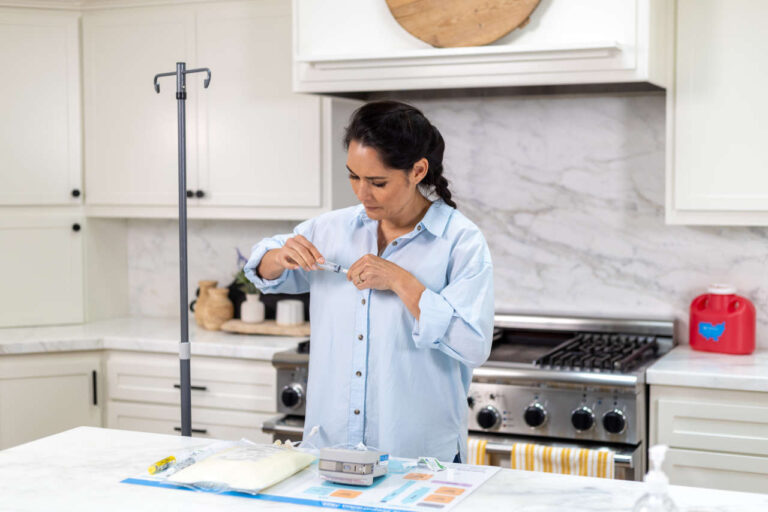
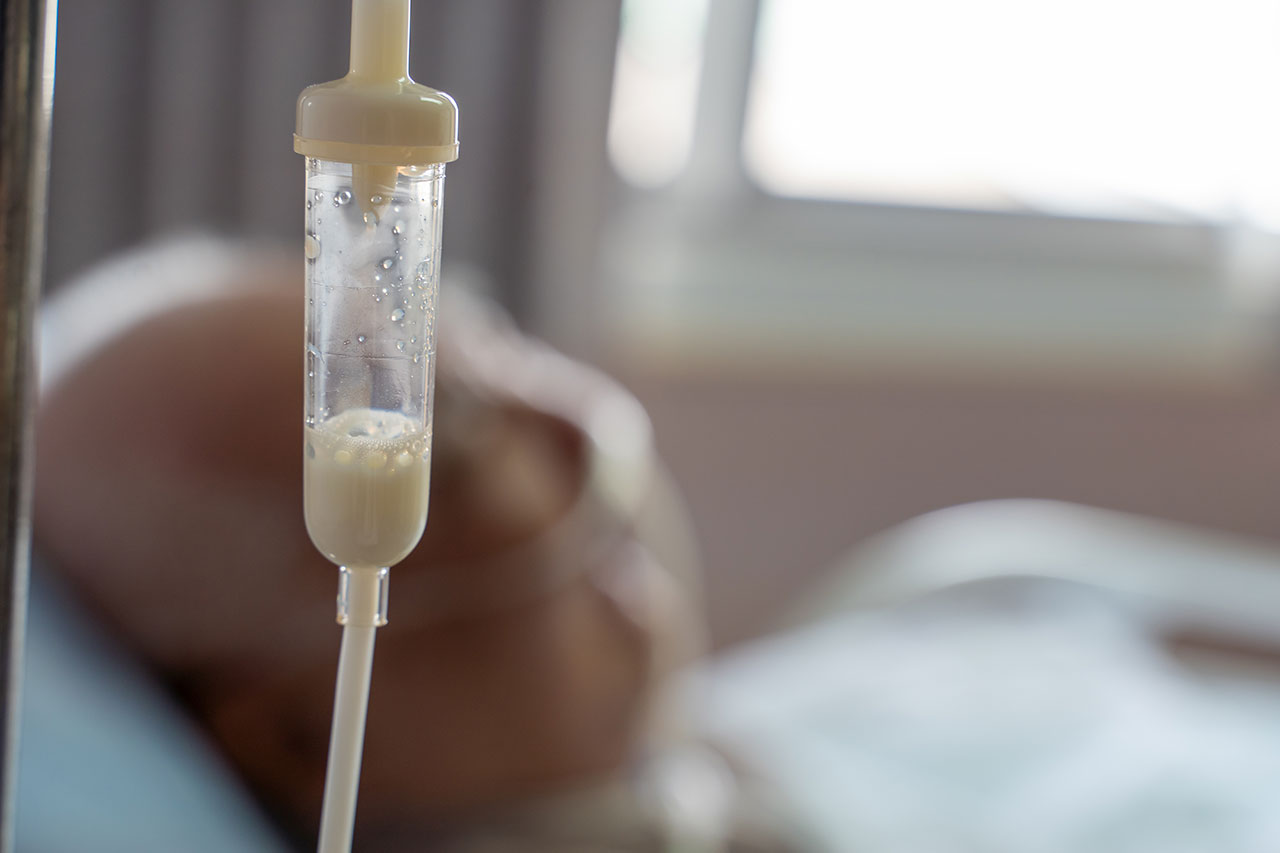
Total parenteral nutrition (TPN) is a nutritional support method that delivers essential nutrients intravenously into a patient’s bloodstream rather than through the gastrointestinal tract. TPN solution includes nutrients like glucose, minerals, proteins, carbohydrates, lipids, vitamins, and electrolytes. This method is also known as IV or intravenous nutrition feeding. It is commonly used for patients who cannot eat due to their medical conditions. Common indications include:
- Intestinal obstruction
- Infants with immature gastrointestinal tracts or congenital gastrointestinal malformations
- Chronic diarrhea or vomiting
- Severely malnourished patients requiring surgery or chemotherapy
- Severe injury
- Ulcerative colitis
- Crohn’s disease
- Short bowel syndrome
- Patients who are nothing by mouth (NPO) for more than 7 days
- Patients with a nonfunctional or paralyzed gastrointestinal system [1]
IV Fluids Fully in Stock
Reliable supply for uninterrupted careMethod of TPN Administration
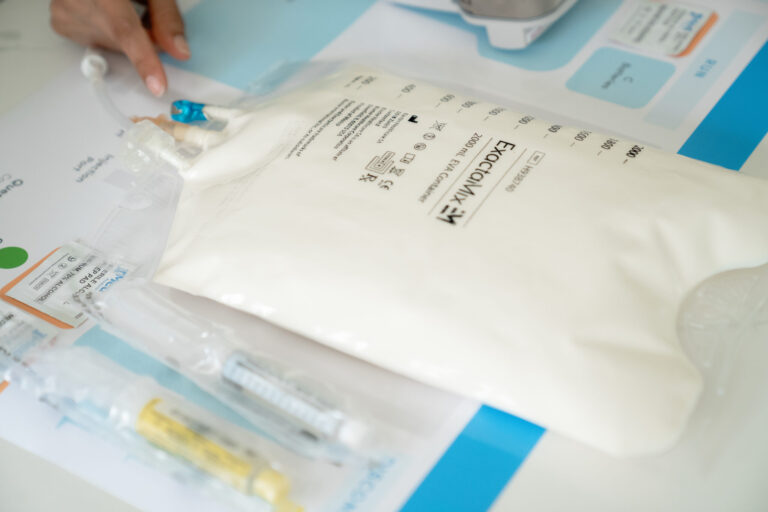
TPN involves a formula that is individualized for each patient based on weekly lab results. Once the formula is determined by a physician or pharmacist, the components are compounded into a daily infusion bag, which is administered using a small, portable infusion pump. TPN is administered over 24 hours initially and, if tolerated well, can be cycled down to a daily 12–14 hour infusion. For long-term therapy, TPN is typically administered through a central venous catheter (CVC).
TPN may be short-term or long-term, depending on a patient’s diagnosis and needs. For short-term use, nutrition can be administered through a peripheral line inserted by a nurse and replaced every 3–5 days. This is called peripheral parenteral nutrition (PPN). Because it is administered through smaller peripheral veins, PPN is intended for partial nutritional support rather than full replacement, and its use is typically limited to no more than 2 weeks.
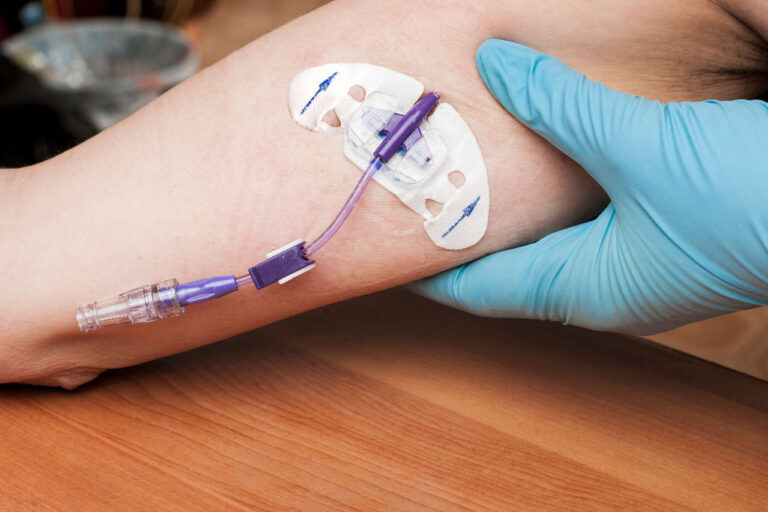
Common types are peripherally inserted central catheter (PICC), tunneled CVC, and implanted port.
Peripheral Inserted Central Catheter (PICC)
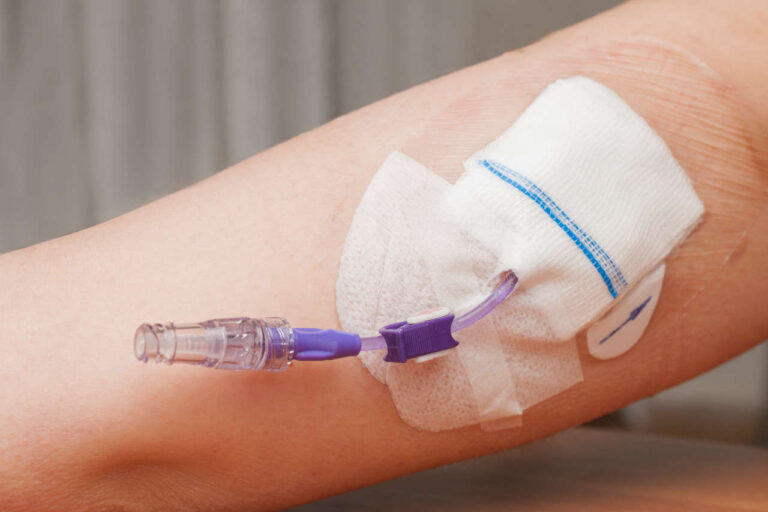
PICC lines are inserted by a nurse or physician into one of the upper arm veins (basilic, brachial, cephalic, or medial cubital veins). The catheter is inserted peripherally and guided by radiographic imaging until its tip reaches the superior vena cava (the vein above the heart). Once placed, the catheter tube will extend outside the skin. PICC lines can be used for TPN for up to 6 months, provided the catheter and insertion site remain stable and free of complications. After 6 months, these catheters will need to be replaced. Upon completion of treatment, PICC lines can safely be removed immediately by a nurse.
AmeriPharma® Specialty Care
Total Parenteral Nutrition | Leader In TPN AssistanceTunneled CVC
Tunneled CVCs are surgically placed by a nurse or doctor into a vein, usually in the neck or chest (jugular or subclavian vein). The catheter is passed under the skin through a small incision and is then guided by radiographic imaging until the tip ends in the superior vena cava (vein above the heart). To secure it, the catheter is sutured at the exit site, and like a PICC line, a portion of the catheter extends outside the skin. Tunneled catheters can stay in for years. Once it needs to be removed, the patient must be referred back to interventional radiology, and it will be removed by a healthcare professional.
Implanted Port
An implanted port is more commonly known as a medi-port or port-a-cath. It is surgically placed, usually on the right side of the chest under the skin. The catheter attached to the reservoir is short and also ends in the superior vena cava (vein above the heart). Once placed, you will only see a small, palpable bump under the skin. There will not be any visible catheters sticking out of the skin. When access is needed, a special type of needle called a Huber needle is inserted into the port by a nurse. Ports may stay placed indefinitely as long as the catheter remains stable. Removing a port also requires a referral back to interventional radiology, and it will be removed by a healthcare professional.
Referring a patient for home TPN? Download the TPN referral form (PDF) →
Administering at home? Use our daily checklist.
REFERENCES:
- Total Parenteral Nutrition. Accessed on June 30, 2022. https://opentextbc.ca/clinicalskills/chapter/8-8/
- Central Venous Catheters: PICC Lines versus Ports. Accessed on June 30, 2022. https://www.healthline.com/health/breast-cancer-navigator/central-venous-catheters-picc-lines-versus-ports