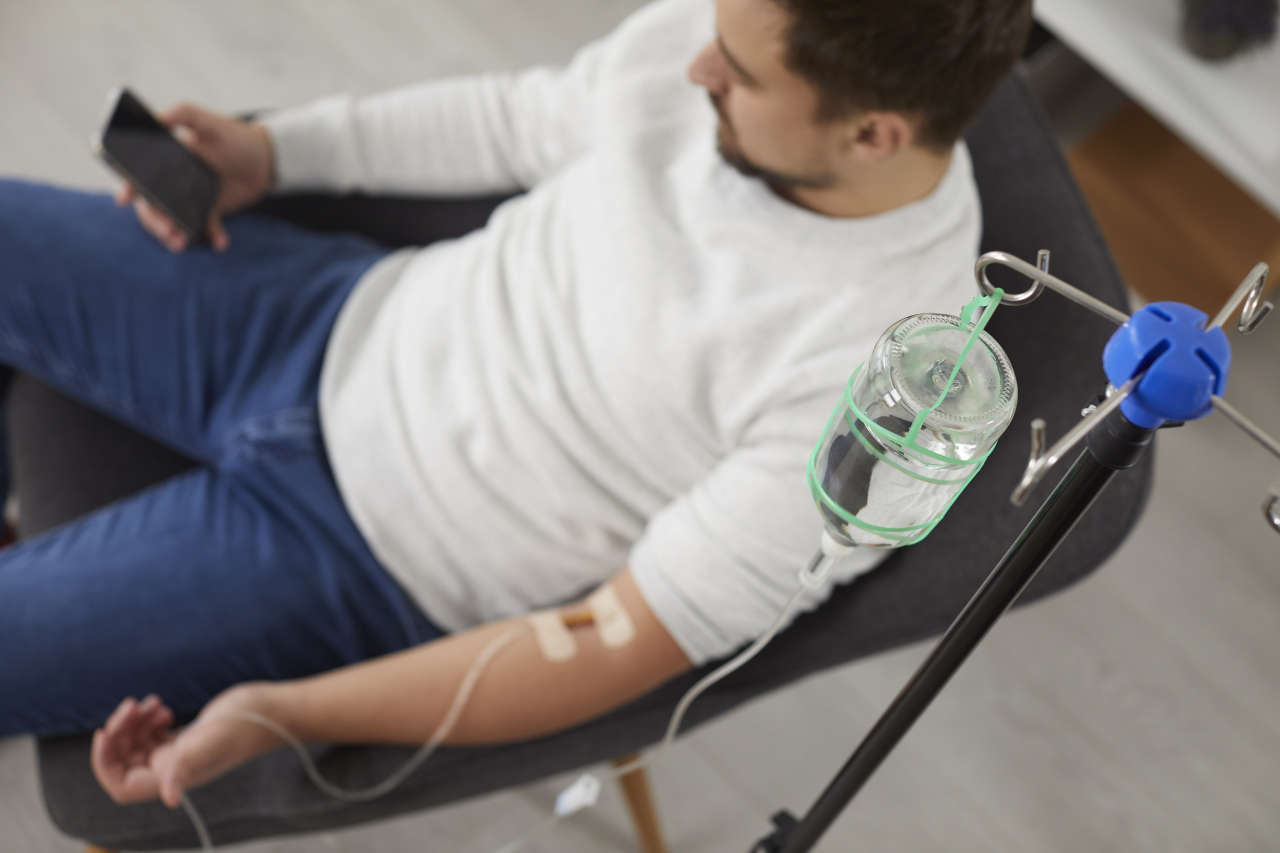
Xeljanz for Autoimmune Diseases: How It Works, Who It’s For, and What to Expect

  • Xeljanz (tofacitinib) is an FDA-approved medicine for autoimmune diseases like rheumatoid arthritis, ulcerative colitis, and psoriatic arthritis.
  • It works by inhibiting JAK enzymes, reducing inflammation, pain, and joint damage.
  • Common side effects of Xeljanz include headaches, diarrhea, and high blood pressure. Severe risks involve infections, blood clots, and cancer.
  • The cost of Xeljanz can exceed $6,000 per month without insurance, but financial assistance programs may help manage expenses.

Are you living with autoimmune conditions such as rheumatoid arthritis, ulcerative colitis, or psoriatic arthritis, and finding that the medications you’ve taken haven’t provided enough relief? If so, Xeljanz might be the solution you’re looking for.

This FDA-approved medicine can help reduce inflammation, ease pain, and improve the quality of your daily life. In this article, we’ll cover everything you need to know about Xeljanz, including its uses, dosing, side effects, cost, and much more.

What Is Xeljanz?

Xeljanz (tofacitinib) is an FDA-approved medicine used to treat certain autoimmune and inflammatory conditions. The FDA first approved this medication on November 6, 2012 [1]. 

Xeljanz can treat rheumatoid arthritis, polyarticular juvenile idiopathic arthritis, ulcerative colitis, ankylosing spondylitis, and psoriatic arthritis. You can use it when other treatments haven’t worked well or caused too many side effects.

This medication belongs to a class of drugs known as Janus kinase (JAK) inhibitors. It works by blocking specific enzymes that play a role in causing inflammation in the body. 

By doing so, it helps reduce inflammation, relieve pain, and improve daily life in people with the above-mentioned diseases.

What Are the Uses of Xeljanz?

Xeljanz (tofacitinib) is a prescription medication. It is FDA-approved to treat the following conditions in patients who have received one or more TNF (tumor necrosis factor) blocker medications without adequate relief of symptoms or intolerable side effects [2]:

Rheumatoid Arthritis: This is a long-term autoimmune condition that causes inflammation in your joints. Doctors can use Xeljanz to treat adult patients with moderate to severe rheumatoid arthritis.

Psoriatic Arthritis: This is a long-term condition that causes joint pain, stiffness, and swelling. Xeljanz is used to treat adult patients with active psoriatic arthritis.

Ulcerative Colitis: Ulcerative Colitis is a chronic disease that causes inflammation in your colon and rectum. You may experience symptoms like stomach pain, diarrhea, pain in the rectum, etc. Doctors use Xeljanz to treat adult patients with moderate to severe ulcerative colitis.

Ankylosing Spondylitis: This is a form of arthritis in which your spine and other areas of your body become inflamed. Xeljanz is approved to treat adult patients with active ankylosing spondylitis.

Polyarticular Course Juvenile Idiopathic Arthritis: This is a type of arthritis that affects children. In this condition, five or more joints become inflamed. Pediatric patients who are 2 years of age or older can be prescribed this medication and use Xeljanz Oral Solution to manage this condition.

How Does It Work?

Autoimmune diseases occur when your immune system mistakenly attacks your own body. This leads to inflammation in your joints, intestines, skin, and other organs. A group of enzymes called Janus kinases (JAKs) helps send signals inside cells that lead to inflammation.

The active ingredient in Xeljanz is tofacitinib, which is a JAK inhibitor. It works by blocking the action of JAK enzymes. This helps reduce the production of inflammatory chemicals in your body, which in turn lowers inflammation, pain, and joint damage [2].

Side Effects

a woman holding a tissue and her aching throat

Like any other medication, Xeljanz can also have some side effects. Here are some common and severe side effects [2][3]:

Common Side Effects

  • Headache
  • Diarrhea
  • High blood pressure
  • Acne
  • Upper respiratory tract infections, such as the common cold
  • Increased cholesterol levels
  • Herpes zoster, also known as shingles

Severe Side Effects

If you are someone who uses Xeljanz, you should be aware of the drug’s possible severe side effects.

Serious Infection

Xeljanz can increase your risk of developing serious infections, including tuberculosis (TB), shingles, pneumonia, and fungal infections. The risk is even higher if you also take immunosuppressant drugs like corticosteroids.

Cancer

Xeljanz is a medicine that can increase your risk of developing certain cancers, like lymphoma and lung cancer, by changing how your immune system works. 

If you are a current or past smoker, the risk is even higher. Some symptoms of cancer include unexpected weight loss, repeated infections, and fatigue.

Blood Clots

Xeljanz can increase the risk of blood clots in your lungs, legs, or arms. This can be deadly. The risk is even higher if you are 50 years of age or older with at least one heart disease risk factor. 

Symptoms of blood clots include shortness of breath, chest pain, and pain and swelling in your arms or legs.

Tears in the Stomach

Xeljanz is a medication that may increase the risk of tears in your stomach or intestines. The risk is even higher if you take corticosteroids, nonsteroidal anti-inflammatory drugs (NSAIDs), or methotrexate. 

If you have any signs of tears, such as persistent stomach pain, fever, or changed bowel habits, contact your doctor immediately.

Heart Problems

Xeljanz can increase the risk of a heart attack or stroke, especially in patients aged 50 or above who have at least one heart disease risk factor. 

Symptoms of a heart attack or stroke include chest pain, sudden weakness on one side of your body, a feeling of lightheadedness, and slurred speech.

Please note that this is not a complete list of all possible side effects of Xeljanz. Contact your doctor right away if you encounter any severe side effects.

Dosing of Xeljanz

The dosage of Xeljanz differs based on who uses it. It depends on several factors, including your age, condition, and kidney or liver function. It is available as an oral tablet and oral solution.

Here is the usual recommended dosages [2]:

Rheumatoid Arthritis, Psoriatic Arthritis, and Ankylosing Spondylitis

The recommended dose is Xeljanz 5 mg twice daily or Xeljanz XR (extended-release) 11 mg once daily. If you have moderate to severe kidney problems or moderate liver problems, then the dose would be 5 mg once daily.

Ulcerative Colitis

The starting (induction) dose is Xeljanz 10 mg twice daily or Xeljanz XR 22 mg once daily for 8 weeks. If needed, you can continue this dose for a maximum of 16 weeks. After that, you have to switch to the maintenance dose, which is Xeljanz 5 mg twice daily or Xeljanz XR 11 mg once daily.

Polyarticular Course Juvenile Idiopathic Arthritis

Xeljanz Oral solution is preferred. The dose is 5 mg twice daily or a weight-based equivalent (determined by your doctor) twice daily.

Please note that the dosage needs to be adjusted if you have kidney or liver problems or if you are taking certain other medications. Always follow your doctor’s advice.

Cost

Xeljanz is a high-cost medication. In the United States, a 30-day supply of Xeljanz 5 mg (60 tablets) can cost over $6,000 if you don’t have insurance [4].

However, the actual cost of treatment will depend on your insurance coverage, location, treatment plan, and the pharmacy you visit.

How AmeriPharma® Specialty Can Support Your Treatment

Managing autoimmune conditions with Xeljanz can be complex, but you don’t have to go through it alone. If you are someone who uses Xeljanz, AmeriPharma® Specialty Pharmacy is here for you. 

Our ACHC-accredited specialty pharmacy offers hard-to-find medicines such as Xeljanz with full-service coordination, copay assistance, and 24/7/365 support. Contact us today to learn how we can help you manage your condition more effectively.

FAQs

Here are some frequently asked questions about this medication:

1. Is Xeljanz an Immunosuppressant?

Yes. Xeljanz (tofacitinib) is an immunosuppressant medicine. It lowers your body’s ability to fight off infections. That is why regular monitoring and caution are important during your treatment with this medication.

2. How long does it take for Xeljanz to work?

The response time to Xeljanz varies depending on the individual who uses it and the condition being treated. 

  • For ulcerative colitis, it can take up to 8 weeks or longer to work. 
  • In the case of arthritis-related conditions, some patients may begin to experience symptom relief within 2 weeks, while others may take 3 to 4 months to see noticeable results [2].

3. Can I take Xeljanz during pregnancy and breastfeeding?

No. Xeljanz may harm your unborn child, so you should not take the medication during pregnancy. Also, breastfeeding is not recommended while taking Xeljanz and for at least 18 hours after the last dose, as the medication can pass into breast milk and may affect your baby [2].

4. Can I take vaccines while on Xeljanz?

Xeljanz is a medicine that weakens your immune system’s ability to fight foreign pathogens like viruses and bacteria.

This is why you should avoid live vaccines while on this medication. However, non-live vaccines are generally considered safe, and you can receive them. Always consult your doctor before getting any vaccine while on Xeljanz.

Managing Bleeding Disorders: How Wilate Helps Treat VWD and Hemophilia A

  • Wilate is a plasma-derived medication containing VWF and FVIII, used to treat VWD and hemophilia A by promoting blood clotting.
  • It’s safe for repeated use, controls bleeding effectively, and undergoes rigorous viral inactivation to reduce infection risks.
  • Side effects range from mild (headache, fever) to severe (allergic reactions).

Speak to a Specialist

About Copay Assistance
Get Started

Bleeding disorders like von Willebrand disease (VWD) and hemophilia A can make your life difficult. In these conditions, your blood doesn’t clot properly. As a result, you may experience heavy bleeding, even from minor cuts and injuries.

These diseases are not curable. Fortunately, modern medicine has given us several treatment options for patients to manage these conditions and lead active lives. One of them is Wilate.

In this article, we’ll break down everything you need to know about Wilate, including the medication’s side effects, dosing, benefits, and much more.

What Is Wilate?

Wilate injections (von Willebrand Factor/Coagulation Factor VIII Complex [Human]) are used to control major and minor bleeding episodes in those with von Willebrand disease (VWD). It is also used in adolescents and adults with hemophilia A for routine prophylaxis (prevent bleeding episodes) and on-demand treatment of bleeding episodes [1]. 

Octapharma, a Swiss pharmaceutical company, developed Wilate, and the FDA first approved the drug on December 8, 2009 [2]. Those with VWD have a lack or abnormality of a protein called von Willebrand factor (VWF). People with hemophilia A have a lack or abnormality of a protein called factor VIII (FVIII). 

Wilate is a plasma-derived concentrate that contains both von Willebrand factor (VWF) and factor VIII (FVIII). So, by replacing these missing factors, the medication helps with blood clotting in patients with von Willebrand disease (VWD) and hemophilia A.

Unlike some other treatments, Wilate is free of albumin (which can cause side effects like allergic reactions). All plasma-derived products carry the risk of virus transmission. To reduce this risk, Wilate undergoes two separate viral inactivation processes [4].

What Is Wilate Used To Treat?

Wilate is an FDA-approved medication for treating the following conditions [3]:

Von Willebrand Disease (VWD)

This is a lifelong bleeding disease in which your blood doesn’t clot properly. A protein in our blood called von Willebrand factor helps platelets stick together and form blood clots.

People with von Willebrand disease (VWD) lack enough von Willebrand factor to clot properly.

Wilate is used in children and adults with all types of VWD for on-demand treatment and controlling bleeding episodes. Wilate injections are also used before any surgery to prevent bleeding. Wilate is approved for routine prophylaxis in adults and in children aged 6 years and older with VWD to reduce the frequency of bleeding episodes.

Hemophilia A

This is a condition in which your blood doesn’t clot properly because you lack a protein called clotting factor VIII (FVIII).

Wilate is used in children and adults with hemophilia A for routine prophylaxis (preventing bleeding episodes) and on-demand treatment of bleeding.

How Does Wilate Work?

Wilate is a human plasma-derived drug that contains a balanced 1:1 ratio of von Willebrand factor (VWF) and factor VIII (FVIII). These are proteins that are critical for blood clotting.

VWF helps the platelets to stick to the site of a blood vessel injury and to each other. This forms the initial blood clot. FVIII works with other clotting proteins to form a stable fibrin clot.

People with von Willebrand disease have a lack of VWF, and people with hemophilia A have a lack of FVIII. Wilate works by replacing both. It helps blood to clot normally and stops or prevents bleeding episodes.

Benefits of Wilate

Wilate is a medication specially designed to help people with von Willebrand disease (VWD) and hemophilia A. Here are some key advantages of using Wilate [4]:

Low Recommended Dosing: Wilate works effectively with a low recommended dose.

Safe for Repeated Use: If you take repeated doses of a VWF/FVIII product, such as before and after surgery, your FVIII levels can rise temporarily. This is known as FVIII accumulation, which might increase your risk of blood clots. However, clinical trials showed no FVIII accumulation after repeat dosing with Wilate [5], so it is safe for repeated use.

Controls Bleeding Effectively: Wilate can effectively control both major and minor bleeding episodes [5].

Purified for Safety: An advanced purification process is used to make the medication, which helps remove unwanted proteins and impurities.

Double Viral Protection: To reduce the risk of viral transmission and ensure your safety, the drug undergoes two separate viral inactivation processes.

Get Financial Assistance

(877) 778-0318

Side Effects of Wilate

Like any other medication, Wilate can also have some side effects. These side effects range from mild to severe. Here are some common to severe side effects of Wilate [1][3]:

Common Side Effects

A woman with a headache holding her temples

Some common side effects of Wilate include:

  • Fever
  • Dizziness
  • Headache
  • Hives
  • Chest discomfort
  • Wilate injection site reactions (redness, swelling, pain)

Severe Side Effects

In some cases, Wilate can cause severe side effects. Here are some of the severe side effects of Wilate:

Hypersensitivity Reaction: In rare cases, you may encounter serious allergic reactions to Wilate after taking the drug. Symptoms include rash, itching, shortness of breath, chest tightness, and swelling of the face or throat. Inform your doctor immediately if you experience these symptoms.

Blood Clots: In rare cases, continued treatment with Wilate in patients with VWD can increase the risk of blood clots.

Inhibitor Development: Patients with VWD and hemophilia A may develop antibodies (inhibitors) that make Wilate less effective or ineffective over time. In such cases, you need to consider other treatment options.

This is not a list of all possible side effects. Contact your doctor immediately if you experience any severe side effects of Wilate.

Dosing of Wilate

The dosage of Wilate depends on several factors, including your age, weight, disease type, and the severity of your condition. Your doctor will determine the right dosage for you based on your situation. Here are some typical dosing regimens of Wilate [3]:

Dosing for Von Willebrand Disease (VWD)

The dosing varies based on your situation and treatment purpose. The recommended dosage is given below:

For On-Demand Treatment and Control of Bleeding: For minor bleeding, the recommended starting Wilate dosage is 20 to 40 IU of the medication per kg of body weight. After that, a 20 to 30 IU/kg maintenance dose is usually given every 12 to 24 hours. For major bleeding, the recommended starting dose is 40 to 60 IU/kg of Wilate injection. Then, to maintain proper clotting levels, doctors usually give 20 to 40 IU/kg every 12 to 24 hours.

For Surgery: The recommended starting dose of Wilate for minor surgeries (including tooth extractions) is 30 to 60 IU/kg body weight. After that, a 15 to 30 IU/kg maintenance dose is given every 12 to 24 hours for up to 3 days. For major surgeries, the starting dose of Wilate is 40 to 60 IU/kg, and the drug’s maintenance dose is 20 to 40 IU/kg every 12 to 24 hours for up to 6 days or more.

Get Copay Assistance Now

Learn More

Dosing for Hemophilia A

The recommended dosage of Wilate for hemophilia A is given below:

For Routine Prophylaxis: To prevent bleeding episodes in adolescents and adults, the usual dose of the medication is 20 to 40 IU/kg of Wilate every 2 to 3 days.

For On-Demand Treatment of Bleeding Episodes: If you start bleeding, you can use Wilate to stop it. The dosage depends on how severe your bleeding is. 

  • For minor bleeding, the recommended dose is 30 to 40 IU/kg, repeated every 12 to 24 hours until the bleeding stops. 
  • For moderate bleeding, the recommended dose is 30 to 40 IU/kg. You have to repeat it every 12 to 24 hours for 3 to 4 days or more until the bleeding stops. 
  • For major bleeding, the dose is 35 to 50 IU/kg body weight, repeated every 12 to 24 hours. You have to continue this dose for 3 to 4 days or more, depending on the severity.

AmeriPharma® Specialty, Your Partner in Bleeding Disorder Care 

If you are suffering from a bleeding disorder such as VWD or hemophilia A, you can rely on AmeriPharma® Specialty Pharmacy for access to specialty medications like Wilate.

Our LegitScript-certified specialty pharmacy provides hard-to-find medications for complex conditions to individuals in over 40 U.S. states and territories. 

Book a call with us today to learn more about Wilate and its cost. Start receiving specialty care at home with full-service coordination, copay assistance, and 24/7/365 support.

FAQs

Here are some frequently asked questions about Wilate:

1. 1. How is Wilate different from other clotting factor medications?

Wilate is the first VWF/FVIII drug developed especially for von Willebrand disease (VWD) (per Octapharma and initial FDA approval data). It is made from human plasma and contains both von Willebrand factor (VWF) and factor VIII (FVIII) in a balanced 1:1 ratio. It is double virus-inactivated and does not contain albumin, making it a safe and effective option [3][6].

2. Can I use Wilate at home?

Yes. Home administration of Wilate injections is possible, which is convenient and time-saving. But first, you or your caregiver has to undergo training by a healthcare provider.

3. Can I use Wilate during pregnancy or breastfeeding?

There is still no data available to recommend or limit the use of Wilate for hemophilia A or VWD during pregnancy and breastfeeding [3]. Your doctor will weigh the benefits and risks before prescribing it during pregnancy or breastfeeding.

4. What if I experience side effects after using Wilate?

If you have mild side effects like a headache or nausea, they may go away on their own. But if you experience allergic reactions (rash, swelling, trouble breathing) or signs of a serious problem like blood clots, contact your doctor or seek emergency care immediately.

Acquired Hemophilia: Causes, Symptoms, and Treatment

  • Acquired hemophilia is a rare autoimmune disorder where the body attacks its own clotting factors, leading to unpredictable and potentially severe bleeding.
  • Various factors can trigger this condition, including autoimmune disorders, malignancies, certain medications, pregnancy, and infections.
  • Diagnosis relies on laboratory tests to identify the clotting factor deficiency and the presence of autoantibodies.
  • Treatment involves controlling bleeding episodes with bypassing agents and eradicating the autoantibodies through immunosuppressive therapies.

Get Financial Assistance

(877) 778-0318

Acquired hemophilia is a rare and complex bleeding disorder that can emerge unexpectedly, even in those with no prior history of clotting issues.

Unlike the classic forms of hemophilia, this condition develops when the body’s immune system mistakenly attacks essential clotting factors. Early recognition and prompt treatment of acquired hemophilia are vital to prevent life-threatening bleeding complications.

In this guide, we will examine the causes and risk factors of acquired hemophilia. We will also explore available medications and review the challenges that must be addressed. Keep reading to learn more about this condition and how to manage it.

What is Acquired Hemophilia?

Acquired hemophilia (AH) is a rare autoimmune disorder characterized by the development of autoantibodies, also called inhibitors, that target and neutralize clotting factor VIII. This factor is a crucial protein in blood clot formation.

AH occurs in 1.5 per million people each year. It differs from inherited hemophilia, which is a genetic condition present from birth due to a faulty gene.

Despite its rarity, AH is a serious condition that requires immediate diagnosis and specialized care, as it can lead to spontaneous or severe bleeding episodes that can be life-threatening.

Causes and Triggers of Acquired Hemophilia

Autoantibody production against factor VIII is the primary cause of acquired hemophilia. The immune system’s misguided attack against this clotting protein disrupts the body’s ability to form blood clots.

While the exact reason for this autoimmune response is not always clear, it may be triggered by various factors. The ideal treatment for acquired hemophilia may differ based on the triggering cause.

Let’s look at the most common triggers and underlying conditions that may induce AH.

Autoimmune Disorders

Conditions like lupus, rheumatoid arthritis, multiple sclerosis, and Sjögren syndrome can predispose individuals to develop acquired hemophilia due to a hyperactive immune system.

Malignancies

Hematologic malignancies such as leukemia, lymphoma, and multiple myeloma, along with solid tumors like lung or breast cancer, have been associated with increased risk of autoimmune hemophilia due to abnormal immune activity.

Medications

Certain drugs, including penicillin, interferon, and chloramphenicol, can trigger immune responses that lead to autoantibody formation against factor VIII.

Pregnancy and the Postpartum Period

The postpartum period carries a heightened risk of acquired hemophilia. This increased risk is likely due to immune system adjustments during pregnancy and recovery. However, AH often resolves in these cases.

Infections and Other Triggers

Infections such as hepatitis C and B, respiratory illnesses, and adverse drug reactions can act as environmental triggers, initiating autoimmune responses that target clotting factors.

Idiopathic Cases

In about 50% of cases, no identifiable cause or trigger is found. The disorder arises spontaneously without an apparent underlying condition.

Risk Factors of Acquired Hemophilia

AH can occur at any age in both males and females. However, the following factors can act as contributing causes and increase the risk of acquired hemophilia:

  • Age: AH primarily affects older adults, especially people over the age of 65.
  • Sex: There is a small increase in incidence for women during pregnancy.
  • Comorbidities: Pre-existing medical conditions, such as the ones listed above, can increase the risk of AH.

Speak to a Specialist

About Copay Assistance
Get Started

Symptoms of Acquired Hemophilia

Autoimmune hemophilia often presents with bleeding that can be spontaneous or triggered by minor events. Unlike the typical joint bleeds seen in inherited hemophilia, bleeding in the acquired form commonly manifests in other areas of the body.

The severity of bleeding can vary widely, from minor bruising to life-threatening hemorrhage. Those diagnosed with acquired hemophilia must receive timely treatment to avoid the severe consequences.

Here is a closer inspection of this condition’s symptoms:

  • Typical presentation: Spontaneous or provoked bleeding
  • Common bleeding manifestations:
    • Muscle bleeds
    • Nosebleeds (epistaxis)
    • Bruising and ecchymoses
    • Spontaneous subcutaneous hematomas
    • Bleeding in the gastrointestinal and urogenital tracts
  • Severe cases:
    • Intracranial hemorrhage (potentially life-threatening)

How is Acquired Hemophilia Diagnosed?

A gloved hand holding a hemophilia-positive test tube

Diagnosing acquired hemophilia requires a thorough understanding of its causes and comprehensive clinical evaluation with specific laboratory tests.

Most healthcare teams rely on a combination of the following assessments to diagnose the disease.

Laboratory Tests

  • Prolonged aPTT with normal prothrombin time: This indicates a problem in a specific part of the clotting pathway.
  • Mixing studies to differentiate deficiency vs. inhibitor: This test helps determine if the issue is a missing factor or an antibody blocking it.
  • Factor VIII activity measurement: This measures the functional level of the affected clotting factor.
  • Inhibitor titer determination (Bethesda units): This quantifies the strength of the autoantibody.

Get Copay Assistance Now

(877) 778-0318

Additional Assessments

  • Underlying cause investigation: Healthcare providers look for any associated medical conditions or triggers that may have induced acquired hemophilia.
  • Rule out other bleeding disorders: Tests are performed to exclude other potential causes of bleeding.

Acquired Hemophilia Treatments

Managing AH requires a two-pronged approach: controlling bleeding episodes and eradicating the autoantibody causing the condition.

Treatment is highly individualized and tailored to each patient’s bleeding severity and inhibitor levels. It often involves hemostatic agents and immunosuppressive strategies to restore coagulation function.

Here is an overview of the current hemophilia medications and treatment strategies healthcare teams recommend.

Managing Bleeding Episodes

Controlling bleeding is a critical first step in managing acquired hemophilia. The approach depends on the severity and location of the bleeding, with prompt intervention necessary for major events.

Minor Bleeding

For people experiencing minor bleeding or those with low inhibitor titers, observation and avoiding invasive procedures may be sufficient. Discontinuing medications, such as aspirin or ibuprofen, that can worsen bleeding is also important.

In cases of low inhibitor titers (typically ≤5 Bethesda units [BU]) and factor VIII levels above 5%, desmopressin (DDAVP) may be used. This medication can temporarily increase factor VIII levels and help control minor bleeding episodes.

Major Bleeding

For severe bleeding episodes, bypassing agents are often the first-line treatment. These therapies circumvent the need for functional factor VIII to promote clotting at the bleeding site in those with acquired hemophilia.

Recombinant activated factor VII (rFVIIa), such as NovoSeven RT, is a bypassing agent. This approved treatment for acquired hemophilia is a genetically engineered protein that helps initiate clotting and is generally well-tolerated.

Activated prothrombin complex concentrate (aPCC), like FEIBA, is another bypassing agent. It contains activated clotting factors that bypass the factor VIII deficiency to form a clot. Antifibrinolytics such as epsilon-aminocaproic acid can be used alongside bypassing agents to stabilize clots.

Porcine FVIII, such as recombinant porcine FVIII (rpFVIII) like Obizur, is another option. It is a recombinant form of factor VIII derived from pigs. It is often not inhibited by human factor VIII autoantibodies.

Eradication of the Inhibitor

Eliminating the antibodies that cause acquired hemophilia is crucial for its long-term management. Doctors achieve this elimination through immunosuppressive therapies, such as:

  • Corticosteroids (Prednisone): Prednisone at 1 mg/kg/day is a first-line immunosuppressant for acquired hemophilia. It reduces inhibitor titers and promotes immune tolerance.
  • Cyclophosphamide: This alkylating agent is used in combination with corticosteroids to accelerate inhibitor eradication. It modulates immune responses and increases the likelihood of achieving remission.
  • Rituximab: This anti-CD20 monoclonal antibody is used either as first-line therapy in combination with other agents or as a second-line option for those who do not respond to initial treatment. It targets B cells, which produce the autoantibodies.

Emerging Treatments for Acquired Hemophilia

A nurse checking a woman’s blood pressure

Several promising agents are under investigation. These agents focus on more targeted ways to manage acquired hemophilia. Some of these emerging treatments include:

  • Bispecific antibodies mimic factor VIII to promote clotting without needing the factor.
  • Engineered cofactor mimetics enhance clotting independently of factor VIII.
  • Recombinant porcine FVIII provides a targeted replacement with less susceptibility to human antibodies.

These advancements offer hope for more effective and convenient treatments in the future.

Get Financial Assistance

Get Started

Challenges in Treating Acquired Hemophilia

Managing AH has several challenges, such as:

  • Delayed diagnosis causes uncontrolled bleeding and increased risks.
  • Complex treatment in the elderly or individuals with comorbidities requires careful risk balancing.
  • Bypassing agents pose a thrombotic risk, especially in older adults with acquired hemophilia.
  • Immunosuppressive therapy causes side effects like infections and organ toxicity.
  • There is the possibility of relapse, which necessitates long-term monitoring.

Future studies should address these challenges and make living with AH more manageable.

Manage Hemophilia with AmeriPharma® Specialty Pharmacy

AH is a rare but serious condition that can have life-threatening consequences. While the exact causes of acquired hemophilia are unclear, understanding its symptoms and treatments can help affected individuals manage it better.

If you or someone you care for is diagnosed with acquired hemophilia, AmeriPharma® Specialty Pharmacy is here to help. Our URAC-accredited specialty pharmacy provides access to hard-to-find medications for those with complex conditions such as AH.

Contact us today to get started and receive AH treatment with full-service coordination, copay assistance, and 24/7/365 support.

IVIG for Systemic Lupus Erythematosus

About 1.5 million Americans are living with lupus, with an estimated 16,000 new cases each year. It is a lifelong condition that can make your life challenging as it affects multiple body systems. Fortunately, advances in modern medicine have given us many treatment options, like corticosteroids or immunosuppressive drugs. However, if you do not respond to these medications, or in certain other cases, IVIG (intravenous immunoglobulin) can be beneficial to you. In this article, we’ll discuss everything you need to know about IVIG for systemic lupus erythematosus.

Get IVIG Copay Assistance

(877) 778-0318

Systemic Lupus Erythematosus (SLE): Overview

Systemic lupus erythematosus (SLE) is the most common type of lupus. It is a long-term autoimmune disease where your body’s immune system mistakenly attacks its own tissues and organs. This can lead to damage to the skin, joints, kidneys, heart, lungs, brain, or blood cells [1].

Signs and symptoms of systemic lupus erythematosus (SLE) can vary widely from person to person and can include:

  • Joint pain and swelling
  • Extreme fatigue
  • Swelling around the eyes and in the feet
  • Skin rashes (commonly butterfly-shaped rashes on the cheeks/bridge of nose)
  • Fever
  • Sensitivity to sunlight or fluorescent light
  • Chest pain
  • Fingers/toes turning white or blue when exposed to cold or stress (Raynaud’s Syndrome)

Experts still do not fully understand the causes of SLE. However, many experts believe that a combination of factors is involved in causing SLE, including genetics, hormones (especially estrogen), environment (like sunlight or infection), and immune system dysfunction.

Unfortunately, there is no cure for SLE, but some treatment options are available to manage your condition. These include:

Corticosteroids: Corticosteroids are very powerful anti-inflammatory drugs that can quickly control your flare-ups (periods when the symptoms suddenly worsen or reappear after being stable). However, you can not use them long-term because of side effects.

Nonsteroidal anti-inflammatory drugs (NSAIDs): These drugs can help you with pain, inflammation, and fever.

Antimalarial drugs (like hydroxychloroquine): These drugs help manage skin rashes, joint pain, and fatigue in lupus by regulating immune system activity.

Immunosuppressants: Immunosuppressants can prevent organ damage in moderate to severe lupus cases by reducing immune system overactivity.

If these treatments are ineffective for you or cause significant side effects, your doctor may recommend intravenous immunoglobulin (IVIG).

Ask About IVIG Home Infusion

Schedule a Consultation

How Does IVIG Help Patients With Systemic Lupus Erythematosus (SLE)?

IVIG (Intravenous Immunoglobulin) is a product containing human antibodies from thousands of healthy blood donors. It regulates and balances the immune system in various autoimmune diseases.

In systemic lupus erythematosus (SLE), your immune system mistakenly attacks your own tissues and organs. IVIG can help you with this condition by:

Blocking the activity of harmful autoantibodies: In SLE, autoantibodies attack the body’s own cells. IVIG contains normal antibodies that bind to these autoantibodies or their receptors. Then, IVIG blocks these autoantibodies from causing inflammation and harm.

Reducing inflammation: IVIG has anti-inflammatory effects. It can reduce inflammation caused by the overactive immune system. As a result, you can feel relief from pain, swelling, and organ stress.

Offering a rapid response to severe flares: In patients with severe or treatment-resistant SLE, IVIG can act quickly to control flare-ups (periods when the symptoms suddenly worsen or reappear after being stable). 

Neutralizing inflammatory molecules: Some molecules present in the body cause inflammation, such as cytokines. These molecules play a major role in SLE flare-ups and inflammation. IVIG binds to these molecules and neutralizes them.

Modifying immune cell function: In SLE, some immune cells, especially B cells and T cells, are overactive. IVIG alters the activity of these overactive immune cells. In this way, IVIG helps to calm the immune response.

Helping with platelet counts: In some lupus patients, IVIG improves low platelet counts (thrombocytopenia) by blocking the immune system from attacking them.

Another positive thing about IVIG is that it doesn’t broadly suppress the immune system like other standard treatments for SLE. Therefore, it can be a much safer option in certain cases, especially where infections are a concern.

Effectiveness of IVIG in Systemic Lupus Erythematosus (SLE) Found in Clinical Trials

Patient at home receiving IVIG for systemic lupus erythematosus

IVIG is not considered a first-line treatment for systemic lupus erythematosus (SLE). However, in clinical trials, it has shown promise in severe cases and as an adjunct therapy in patients who do not respond to traditional medications. 

For instance, a 2006 study showed that IVIG is safe and beneficial for SLE patients who are resistant to conventional treatment [2]. Another 2005 study stated that high-dose IVIG is safe and beneficial [3]. A more recent study involving 31 patients also concluded that IVIG is effective in treating refractory SLE (not responding to standard treatment) [4].

In addition, IVIG can have certain other benefits for SLE patients who have the following conditions:

Severe Thrombocytopenia (Low Platelet Count): This is a serious condition in some SLE patients characterized by a very low level of platelets in the blood, which increases the risk of bleeding. Recent medical trials have shown that IVIG can rapidly increase platelet counts [5][6].

Neuropsychiatric Systemic Lupus Erythematosus (NPSLE): This is a condition where your SLE affects your brain and nervous system. It leads to symptoms that include seizures and psychosis. IVIG can benefit you by reducing inflammation in the brain. A study reported a 20-year-old woman with NPSLE who experienced complete resolution of symptoms (including depression, mania, and psychosis) within 48 hours of a 5-day IVIG treatment course [7].

Lupus Nephritis: Lupus nephritis is a serious condition where the kidneys become inflamed and damaged due to systemic lupus erythematosus (SLE). A 2022 systematic review of 2,328 articles found that IVIG has a 60-70% efficacy for lupus nephritis patients who didn’t respond well to first-line treatments [8].

Speak to a Specialist

About Copay Assistance
(877) 778-0318

FAQs

Here are some frequently asked questions about IVIG for systemic lupus erythematosus:

1. Is IVIG a long-term solution for systemic lupus erythematosus (SLE)?

Not really. IVIG is mainly used as a short-term therapy to manage flare-ups or when traditional medicines fail. Long-term use of IVIG is uncommon due to its cost and availability [9].

2. How quickly does IVIG work in systemic lupus erythematosus (SLE)?

IVIG usually works very quickly. You may experience improvements in your symptoms, like fatigue, joint pain, or platelet counts, within days. Achieving the full benefit may take a week or more. 

3. What is the cost of IVIG treatment for systemic lupus erythematosus?

IVIG is a very costly therapy. Your total cost will depend on factors such as weight, IVIG brand, country of treatment, healthcare facility, and insurance coverage. In the U.S., the price of IVIG ranges from $100 to over $350 or more per gram [10]. So, if you weigh 70 kg and receive a 2 g/kg dose (140g total), the cost of the drug alone may range between $14,000 to $49,000 per treatment cycle. 

4. What is the dosage of IVIG for systemic lupus erythematosus (SLE)?

The dosage of intravenous immunoglobulin (IVIG) for systemic lupus erythematosus (SLE) varies depending on several factors, including the patient’s overall health and the severity of the condition. 

5. Is IVIG Safe During Pregnancy and Breastfeeding?

Yes. You can take IVIG during pregnancy and breastfeeding because clinical trials have shown that it doesn’t harm you or your baby. Moreover, IVIG has been used safely in pregnant women with lupus to prevent complications like miscarriage, especially in those with antiphospholipid antibodies [12].

Kogenate FS Uses, Dosage, and Side Effects: What Patients Should Know

  • Kogenate FS is a recombinant factor VIII therapy used to treat and prevent bleeding in those with hemophilia A.
  • Dosing varies by age, severity of the disease, and bleeding type, with specific guidelines for prophylaxis, bleeding control, and surgery.
  • Common side effects include infusion reactions, nausea, rash, and rare severe reactions like allergic responses or blood pressure drops.

Get Financial Assistance

(877) 778-0318

Kogenate is a recombinant version of the antihemophilic factor (also known as factor VIII, or FVIII), which is used to control and prevent bleeding episodes in patients with classic hemophilia (hemophilia A). Antihemophilic factor is a natural protein in the blood that’s needed to help form clots.

Patients with hemophilia usually have little to no production or function of FVIII. This can cause excessive bleeding as a result of an injury.

Internal bleeding into joints and muscles due to trauma or surgical procedures is typical in these patients and can lead to long-term joint damage or disability. 

Kogenate FS works to raise the level of FVIII so that blood can form clots properly, and the chances of spontaneous or excessive bleeds are reduced. 

Usage or Indication

Kogenate is typically prescribed to children and adults with hemophilia A who either lack coagulation factor VIII or have a lower-than-normal level. 

The Food and Drug Administration (FDA) has approved Kogenate to be used in hemophilia A patients in the following circumstances:

  • To treat bleeding episodes when they occur.
  • To manage excessive bleeding related to a surgical or dental procedure.
  • To prevent or reduce the frequency of bleeding episodes in children with hemophilia A and, in children without pre-existing joint damage, to reduce the risk of joint damage.
  • To prevent or reduce the chances of bleeding episodes in adults with hemophilia A. 

Kogenate should NOT be used to treat von Willebrand disease because it does not contain von Willebrand factor.

Mode of Action

Kogenate FS (Antihemophilic Factor [Recombinant]) is produced using recombinant DNA technology. It contains an active ingredient that has a similar activity to that of the natural FVIII coagulation factor and helps the blood clot more efficiently. 

In short, Kogenate temporarily replaces the missing natural factor VIII, thus giving temporary control of bleeding in hemophilia A patients. 

Kogenate FS: Dosage Forms and Strengths

The drug comes as a lyophilized powder in a single-dose vial. Each vial is labeled with the recombinant antihemophilic factor activity expressed in IU (international units) per vial. Currently, this drug is available in five different strengths:

  • 250 IU
  • 500 IU
  • 1,000 IU
  • 2,000 IU
  • 3,000 IU

Kogenate FS is reconstituted in the provided diluent and should be administered within 3 hours after reconstitution. 

Speak to a Specialist

About Copay Assistance
Schedule a Consultation

Dosage and Administration

The dose of Kogenate is recommended based on the patient’s clinical condition, age, body weight (in kg), severity of factor VIII deficiency, and location and extent of bleeding.

The dose is first mixed with diluent and then administered as an intravenous injection (into a vein through an IV).

Typically, it takes 1 to 15 minutes to infuse the whole dosage of Kogenate into the hemophilia patient. However, your healthcare provider will determine the best administration rate for you.

1. Dosage for Routine Prophylaxis

The recommended dosing range of Kogenate FS for adult patients is 25 IU/kg three times a week. For children under 12, the recommended dose is 25 IU/kg, every other day.

2. Dosage for Control and Prevention of Bleeding Episodes

The dose of Kogenate depends on how severe the bleeding is and where it’s happening:

  • For minor bleeds (such as minor muscle or oral bleeds): a dose of 10 to 20 IU/kg until the bleeding stops.
  • For moderate bleeds (e.g., muscle and joint bleeds): a dose of 15 to 30 IU/kg every 12 – 24 hours until the bleeding stops.
  • For severe bleeds (e.g., fractures, head trauma, or stomach bleeding): an initial dose of 40 to 50 IU/kg, followed by a repeated dose of 20 to 25 IU/kg, given every 8 – 12 hours until the bleeding is resolved.

3. Dosage to Control Bleeding During or After Surgery

Kogenate maintains the factor VIII activity levels at or above the target range to control bleeding during or after surgery. For example:

  • For minor surgical procedures (e.g., tooth extraction): a dose of 15 to 30 IU/dl is administered every 12 – 24 hours to maintain FVIII activity levels between 30 – 60 IU/dl until healing is complete. 
  • For major surgical procedures (e.g., hip replacement surgery or brain surgery): a dose of 50 IU/kg is administered before surgery and every 6 – 12 hours to maintain FVIII levels in the desired range until healing is complete. 

Common Side Effects of Kogenate FS:

a child holding his stomach in pain

Some side effects are minor and temporary, while some could be severe and require immediate medical attention. The most common side effects reported by >4% of people receiving Kogenate during prophylaxis trials include:

  • Nausea
  • Infusion-site reactions (e.g., inflammation, pain)
  • Central venous access device (CVAD)-associated infections
  • Rash or hives
  • Itching
  • Drop in blood pressure
  • Lightheadedness 
  • Difficulty breathing

Always consult your healthcare provider or hemophilia treatment center if you experience any side effects after taking Kogenate FS.

Get Copay Assistance Now

(877) 778-0318

Kogenate Contraindications and Warnings

Patients allergic to Kogenate FS or any inactive ingredients in the vial should not take this drug. 

When using Kogenate FVIII, patients may develop inhibitors (antibodies) against Factor VIII, which may stop this drug from working properly. 

Precautionary Measures You Should Take

Always consult your healthcare provider before taking Kogenate for hemophilia if you are/have:

  • Pregnant or breastfeeding 
  • An allergic reaction to any of the Factor VIII products 
  • Taking any prescription or non-prescription medications, such as over-the-counter medications, supplements, or herbal products
  • Any medical problems, like heart disease or being at risk for heart disease
  • Inhibitors against factor VIII

Estimated Cost of Kogenate FS

The cost of Kogenate FS (recombinant factor VIII) varies significantly depending on the dosage strength, country, and access programs.

Currently, Kogenate is no longer available in the U.S., as Bayer discontinued the product in 2022 due to a shift toward newer treatments like Kovaltry and Jivi. Patients should consult their healthcare provider to discuss alternatives.

Take the Next Step Toward Better Hemophilia Management

At AmeriPharma® Specialty Pharmacy, we understand the challenges of living with hemophilia. That’s why we offer comprehensive services, from medication access to ongoing care coordination, so you can focus on what matters most.
Book a call with our specialty pharmacy today to learn more about hemophilia medications such as Kogenate FS and start receiving specialty care at home.

IVIG for Autoimmune Neutropenia (AIN)

Intravenous immunoglobulin (IVIG) is typically recommended as an alternative treatment for autoimmune neutropenia when first-line treatments like growth factors (such as granulocyte colony-stimulating factor [G-CSF]) and antibiotics fail to improve the patient’s condition. 

Get Financial Assistance

(877) 778-0318

Autoimmune neutropenia (AIN) is a rare medical condition that can affect both children and adults. This autoimmune condition makes it difficult for the body to fight against potentially lethal infections due to the decreased neutrophil count (less than 1,500/microliter) in the blood. 

If your doctor has suggested IVIG therapy to you or your child, it is vital to understand how this therapy works. This article explains everything you need to know about IVIG and how it helps patients with autoimmune neutropenia. 

Autoimmune Neutropenia (AIN): Overview

Autoimmune neutropenia is a rare autoimmune condition in which a patient has a low neutrophil count. This mainly happens due to the autoantibodies produced by the immune system that target and destroy the healthy neutrophils

Neutrophils are a  type of white blood cell that helps the body fight infections by killing pathogens like bacteria and fungi. However, the elimination of neutrophils by immune cells reduces the total number of this type of cell in the bloodstream. When these cells are low, people with neutropenia are more likely to contract infections than healthy individuals.

Autoimmune neutropenia is classified as primary or secondary depending on what exactly is causing the low neutrophil level. For instance: 

Primary Autoimmune Neutropenia 

This occurs as a standalone disorder, meaning it is caused by the abnormal immune attack and is primarily common in children and toddlers. Primary autoimmune neutropenia affects around 1 in 100,000 children under 10. 

Secondary Autoimmune Neutropenia

This type is mostly common in older adults and occurs as a secondary effect of other underlying causes, like autoimmune disorders (such as lupus or rheumatoid arthritis), or even blood cancers (in rare cases) that prompt your immune system to destroy the neutrophils. 

How Does IVIG Help Patients With Autoimmune Neutropenia?

IVIG is a treatment made from the blood plasma of thousands of healthy donors. This plasma contains immunoglobulins (antibodies) that are collected, purified, and given to patients through a vein (intravenously).

The antibodies help to calm down the overactive immune system in patients with autoimmune neutropenia. IVIG helps in several ways:

1. It Suppresses Autoantibody Production

Since the immune system mistakenly attacks healthy cells, like neutrophils, by producing autoantibodies, IVIG suppresses the production of these abnormal antibodies to prevent further damage. 

2. It Prevents the Binding of Autoantibodies to the Target Cells

The immunoglobulins provided through the IVIG therapy bind to the autoantibodies and prevent them from binding to the surface receptors of the neutrophil cells, helping to protect these essential cells.

3. It Reduces Inflammation

IVIG also has anti-inflammatory effects. It helps reduce swelling and tissue damage that can happen when the immune system is in overdrive.

4. It Supports the Immune System

Because neutropenia puts people at higher risk of infections, IVIG can provide extra antibodies to help the body fight off germs.

5. It Temporarily Boosts Neutrophil Count

In many cases, IVIG temporarily increases the number of neutrophils, which can reduce the risk of infections and related complications.

Speak to a Specialist

About Copay Assistance
Schedule a Consultation

How Effective Is IVIG for Autoimmune Neutropenia Patients: Clinical Evidence

The research studies on the use of IVIG for treating autoimmune neutropenia are limited. However, several small clinical studies and case reports suggest that IVIG may be a safe and effective treatment option for childhood autoimmune blood disorders, including neutropenia.

For instance, a study published in the “American Journal of Medicine” reported that six infants under two with severe infections and persistent neutropenia (ANC 300/mm³) were treated with IVIG (1 g/kg) until counts exceeded 1,000/mm³. The neutrophil boost lasted about 14 days, which indicated that IVIG can result in  rapid, temporary neutrophil recovery in severe infant neutropenia.

Similarly, another study showed that 16 children with autoimmune blood disorders — including two with autoimmune neutropenia — responded well to IVIG treatment. These patients received between 1 and 50 IVIG infusions over a period of 1 to 30 months. Likewise, a case report of a patient with Hodgkin’s disease who developed autoimmune neutropenia showed a temporary increase in neutrophil level after high-dose IVIG (instead of steroids). 

Though the overall response of IVIG is generally short-lived, it provides an opportunity to treat severe underlying infections.

Who Needs IVIG for Autoimmune Neutropenia?

IVIG is not always the first treatment option. Many people with mild neutropenia do well with close monitoring and good hygiene practices. However, IVIG may be recommended if:

  • The person has frequent or serious infections
  • The neutrophil count is extremely low
  • Other treatments, like G-CSF, antibiotics, or steroids, are not working or are not suitable
  • Neutropenia is linked with other autoimmune diseases or immune system disorders

Doctors will usually perform blood tests, monitor infection history, and consider overall health before deciding if IVIG is the right option.

What Can You Expect During IVIG Treatment?

Before you receive an IVIG treatment, your doctor will assess your health and check for any allergies or kidney issues. Blood tests may be done to measure immune levels and neutrophil counts.

Woman experiencing nausea after IVIG therapy

During Treatment

IVIG is given through a drip (IV) over several hours. Most people tolerate it well, but it must be infused gradually  to avoid infusion-related side effects. Depending on how your body responds, you may receive IVIG once every few weeks or months.

After Treatment

It may be possible that you feel tired or experience mild side effects like headaches, chills, fever, or nausea after the IVIG session. But these side effects are usually short-lived. You can consult your healthcare provider if any of the symptoms mentioned above persist or if you experience other new symptoms. 

Ask About IVIG Home Infusion

(877) 778-0318

For patients with severe autoimmune neutropenia, IVIG may be given at up to 2 g/kg weekly (single or divided doses) for 4 weeks. Responders may receive the same dose upon relapse.

Takeaway

While IVIG is not typically the first-line treatment for autoimmune neutropenia, it can significantly reduce the risk of serious infections by improving the body’s  immune response and offering temporary support to increase neutrophil levels. Because its effects are usually short-term, long-term use should be carefully evaluated and monitored. If you’re considering IVIG as part of your treatment plan, it’s essential to thoroughly discuss it with your healthcare provider to weigh the potential benefits, risks, and alternatives based on your condition.

IVIG for Hemolytic Anemia: Is This Treatment Right for You?

Though unsupported by large human trials, IVIG for autoimmune hemolytic anemia may be an option in severe, life-threatening cases and recurrent or chronic (long-term) disease.

Get IVIG Prior Authorization

(877) 778-0318

Understanding Autoimmune Hemolytic Anemia

Autoimmune hemolytic anemia (AIHA) is a rare immune disease. Severe AIHA can be life threatening. 

Estimates suggest 1 to 3 cases per 100,000 people each year [1].

Individuals with this condition don’t have enough red blood cells (RBCs) in their blood. AIHA occurs when the immune system fails to recognize RBCs and attacks them, leading to their early death. 

RBCs stay in the body for about 120 days. However, autoimmune hemolytic anemia causes the body to remove RBCs within a few days. 

Anyone, irrespective of their age or sex, can develop AIHA. However, it’s more common in women. In about half of the cases, the exact cause is unknown (idiopathic autoimmune hemolytic anemia). In others, it may be caused by lupus, lymphoma, or certain medicines. 

The two main types are:

1. Warm AIHA 

In this type, antibodies (proteins directed against RBCs) react with red blood cells at normal body temperature, 98.6°F. This type of AIHA is more common, accounting for about 90% of all cases. 

2. Cold AIHA

Cold AIHA is also known as cold agglutinin disease (CAD). In this type, cold-agglutinin antibodies attack red blood cells at temperatures between 32° and 39.2°F.

Autoimmune Hemolytic Anemia Treatment Options: Where Does IVIG Fit?

There’s a lack of clearly defined treatment guidelines for managing autoimmune hemolytic anemia. Available treatment options rely primarily on small studies, case reports, and expert experiences and recommendations.

The first line of treatment for AIHA is steroids (along or with IVIG). 

Steroids and RBC transfusion are the first-line treatment for warm autoimmune hemolytic anemia. Steroids rarely benefit people with cold AIHA. First-line treatment for cold AIHA is a monoclonal antibody such as rituximab. Experts may also recommend high-dose IVIG and plasmapheresis; however, results may be unpredictable. 

Splenectomy (spleen removal surgery) may also be a viable recommendation, provided the patient is eligible for surgery. If surgery isn’t possible or the patient relapses after spleen removal, IVIG may be considered. 

IVIG may be used “off-label” for AIHA. Off-label drug use is when a healthcare provider prescribes a drug for conditions other than those mentioned in the prescribing information for the medication. 

IVIG for Autoimmune Hemolytic Anemia: When It May Be an Option

IVIG for autoimmune hemolytic anemia may be an option in the following situations [2]:

  • Recurrent or chronic (long-term) AIHA.
  • When steroids alone don’t work, IVIG may be used as a second-line or adjunctive therapy. 
  • Your hematologist (blood disorder specialist) may consider IVIG for autoimmune hemolytic anemia in children who don’t respond to steroids, are steroid-dependent, or relapse following the initial response. 

The “Guidelines on the Use of Intravenous Immune Globulin for Hematologic Conditions” don’t recommend routine use of IVIG for acute or chronic treatment of AIHA. According to the expert panel, IVIG may be an option (among others) for severe, life-threatening AIHA [3]. 

Recommendations from the “First International Consensus Meeting 2020” state that IVIG (with or without plasma exchange) can be considered only in severe and life-threatening cases requiring repeated transfusions [4].

Your hematologist may consider IVIG for autoimmune hemolytic anemia if you have [5]:

  • Hemolytic crisis (rapid loss of RBCs) 
  • Sepsis (a life-threatening condition caused by the immune system’s extreme response to infection)
  • An underlying autoimmune disease or primary immunodeficiency

Get IVIG Copay Assistance

Speak to a Specialist
Consult an IVIG Specialist

IVIG for Autoimmune Hemolytic Anemia: What’s the Mechanism of Action?

The exact mechanism of action is unknown. 

A dose of 2 g/kg body weight (0.4 g/kg day for 5 days or 1 g/kg for 2 days) may help prevent RBC breakdown by suppressing the immune system. IVIG may help your body remove the RBC-destroying antibodies.

IVIG for Autoimmune Hemolytic Anemia: How Effective Is This Therapy?

Results are mixed and conflicting. 

For example, according to researchers from the Department of Pediatrics, Division of Hematology/Oncology at the Baylor College of Medicine, IVIG is ineffective in AIHA [6].

Likewise, researchers of a 2015 study say that IVIG doesn’t improve treatment outcomes in individuals with AIHA. Also, they found no difference in relapse rates between participants who received IVIG and those who didn’t receive IVIG [7].

On the other hand, according to a 2024 study, IVIG (in addition to standard of care) may be used as a rescue therapy in adults with severe AIHA [8].

Likewise, IVIG (0.4–0.5 g/kg for 5 days) may benefit children with AIHA [2].
In a 2019 case report, a 25-year-old African American woman was successfully treated with prednisone, IVIG, and bortezomib. According to the researchers, she has been in remission (a period of a decrease or disappearance of symptoms) since the completion of therapy [9].

IVIG May Be Considered in Emergencies

IVIG can be an option for emergencies, but there’s little solid evidence to support its use. Other options include:

  • High-dose intravenous methylprednisolone
  • Plasma exchange
  • Emergency splenectomy
  • Partial splenic embolization

IVIG for Autoimmune Hemolytic Anemia: Limitations of Use

Several factors can limit the use of IVIG for autoimmune hemolytic anemia, such as:

  • Unpredictable and transient treatment response
  • High cost
  • Lack of large human trials and universally accepted treatment guidelines

IVIG for Autoimmune Hemolytic Anemia: What Are the Side Effects?

Man experiencing headaches from IVIG therapy

Side effects can include:

  • Systemic infusion reactions (fever, chills)
  • Headache
  • Fatigue
  • Back pain
  • Nausea
  • Acute kidney failure (rarely)

Ask About IVIG Home Infusion

(877) 778-0318

IVIG for Autoimmune Hemolytic Anemia: Frequently Asked Questions

How does IVIG work in hemolytic anemia?

Researchers have yet to understand the exact mechanism of action. Nonetheless, they believe IVIG may work by suppressing the immune system and increasing the removal of antibodies from the body. 

What is the best treatment for autoimmune hemolytic anemia?

Corticosteroids, which are effective in about 80% of patients, are the primary treatment for warm AIHA [10].

Can IVIG cause anemia?

IVIG-induced anemia is often transient with no symptoms. However, in some cases, severe hemolytic anemia may occur. The risk is higher among those with known risk factors like non-O blood group, high total dose of IVIG, and underlying autoimmune disorder [11].

Jevtana: Essential Things to Know About This Prostate Cancer Medication

  • Jevtana (cabazitaxel) is an FDA-approved chemo medication for advanced prostate cancer.
  • Common side effects include low white blood cell count, hair loss, and gastrointestinal issues.
  • Jevtana dosing involves intravenous infusions every 3 weeks, with dosage adjustments based on blood counts and the patient’s health.

Get Copay Assistance Now

(877) 778-0318

Jevtana injection is an FDA-approved chemo medication. Doctors prescribe Jevtana with prednisone to treat prostate cancer that has previously been treated with other medications. Learn about Jevtana’s mechanism of action, dosage, side effects, cost, and more in today’s blog.

Important Jevtana Warnings

Premedication: Before each infusion, patients receive an antihistamine, a corticosteroid, and an H2 blocker to help prevent allergic reactions.

Growth-factor support: Primary G-CSF (granulocyte colony-stimulating factor) is recommended for patients at higher risk of neutropenia (such as those aged 65+) and should be considered for all patients receiving the higher 25 mg/m² dose.

Low White Blood Cell Count

Jevtana chemotherapy medication can cause dangerously low levels of white blood cells (infection-fighting blood cells), leading to potentially fatal infections. Men 65 years or older may be at a higher risk of serious infections. 

Your healthcare provider will order regular blood tests to check the number of white blood cells during treatment with this medication. 

You may need to take a lower dose of Jevtana, take it less often, or stop treatment, depending on your white blood cell count. Also, you may need to take other cancer medications to help prevent complications if your white blood cell count is too low. 

Talk to your healthcare provider immediately if you experience:

  • Fever
  • Cough
  • Burning when urinating
  • Muscle aches
  • Diarrhea

Severe Allergic Reactions

Severe allergic reactions may occur during the first few minutes of starting Jevtana treatment. Talk to your healthcare provider immediately if you experience any of the following symptoms during or after a Jevtana chemo infusion:

  • Rash or itching
  • Dizziness or fainting
  • Tightness in your chest or throat 
  • Skin redness
  • Breathing difficulties
  • Swollen face

Every patient receives premedication before each infusion to lower the chance of a reaction.

Severe Stomach and Intestine Problems

This medication may cause severe diarrhea, vomiting, and dehydration, potentially leading to death. Call your healthcare provider immediately if you develop diarrhea, vomiting, or your condition worsens. 

Potentially fatal reactions, such as leaks in the stomach/intestine, intestinal blockage, and bleeding in the digestive tract, have been reported during treatment with Jevtana. Call your healthcare provider immediately if you have:

  • Severe stomach pain
  • Constipation
  • Fever
  • Blood in the stool

Kidney Failure

Kidney failure may result from severe infection and dehydration during chemotherapy treatment. Call your healthcare provider immediately if you develop:

  • Swelling of your face or body
  • Decreased urine output
  • Blood in urine

Swelling of the Urinary Bladder and Blood in the Urine

Some patients may need to pause or stop an infusion because of severe inflammation of the bladder and blood in the urine. These problems are more likely to occur if you have received pelvic radiation therapy. 

Tell your healthcare provider immediately if you have:

  • Blood in urine
  • Burning or pain when urinating
  • Frequent or urgent need to pass urine

Breathing Difficulties

Potentially fatal breathing problems may occur in some individuals, especially among those with lung disease, before starting Jevtana chemo treatment. 

Tell your healthcare provider immediately if you have:

  • Trouble breathing
  • Shortness of breath
  • Chest pain
  • Cough 
  • Fever

Speak to a Specialist

About Copay Assistance
Schedule a Consultation

Before Taking Jevtana

Before the first infusion, inform your provider if you:

  • Are older than 65
  • Had allergic symptoms in the past
  • Have kidney, liver, or lung problems
  • Are a male with a female partner of childbearing age

Introduction and Uses

Jevtana is a brand-name chemo medication. The active ingredient in this product is cabazitaxel, which is in a medication class called microtubule inhibitors.

Jevtana is FDA-approved to treat males with advanced prostate cancer that:

  • Metastasized (spread to other body parts)
  • Is resistant to testosterone-lowering medicine or surgery
  • Has previously been treated with docetaxel

Get Financial Assistance

(877) 778-0318

Jevtana Mechanism of Action

Jevtana chemotherapy medication is a microtubule inhibitor. Microtubules are cellular components essential for cell division.

During cell division, a cell divides into two identical daughter cells. Microtubules facilitate cell division by splitting cellular components into two. Jevtana blocks the activity of microtubules, which leads to cancer cell death. 

Jevtana Chemo Drug Contraindications

You shouldn’t receive this medication if you have:

  • Neutrophil counts less than or equal to 1,500/mm3
  • A history of severe allergic reactions to this medication or polysorbate 80
  • Severe liver disease

Jevtana Dosing

Jevtana is available for prostate cancer patients as a kit that contains:

  • Cabazitaxel injection 60 mg/1.5 ml in a single-dose vial. The liquid is viscous and clear yellow to brownish-yellow. 
  • Diluent 5.7 ml of 13% (w/w) ethanol in water in a single-dose vial. The liquid is clear and colorless.

A healthcare provider will inject Jevtana into your vein (intravenous) over an hour. The recommended dosage is 20 mg/m2 intravenously over an hour every 3 weeks with 10 mg oral prednisone daily throughout the treatment. A higher dose, 25 mg/m2, may be used in some patients. 

Your healthcare provider may lower the dose or delay treatment if you have:

  • Low white blood cell count
  • Diarrhea
  • Kidney or liver disorders

Jevtana Side Effects

Common Side Effects

An upset man thinking in front of his plate

Call your healthcare provider if the following symptoms worsen or don’t go away after Jevtana chemo treatment: 

  • Heartburn
  • Change in taste
  • Loss of appetite
  • Weight loss
  • Swelling or sores in the mouth
  • Headache
  • Joint, back, or bone pain
  • Pain in arms or legs 
  • Muscle pain or spasms
  • Numbness, burning, or tingling in the hands, arms, feet, or legs
  • Hair loss

Speak to a Specialist

Get Started

Serious Side Effects

Call your healthcare provider immediately if you experience the following symptoms or those mentioned in the “Patient Information” section of Jevtana’s package insert:

  • Nausea
  • Diarrhea
  • Vomiting
  • Severe stomach pain
  • Constipation
  • Swelling of the face, arms, hands, feet, ankles, or lower legs
  • Decreased amount of urine
  • Blood in the urine or stool
  • Frequent, burning, or painful urination
  • Signs of dehydration, such as decreased sweating and dry skin
  • Irregular heartbeat
  • Chest pain
  • New or worsening cough
  • Shortness of breath
  • Pale skin
  • Unusual tiredness or dizziness
  • Easy bruising or bleeding
  • Bone fracture

Use During Pregnancy and Lactation 

The FDA has approved Jevtana for use only in adult men with advanced prostate cancer. Males with female partners of childbearing age should use effective contraception during Jevtana chemotherapy treatment and for 4 months after the last dose. 
Exposure to Jevtana chemo drug during pregnancy may result in harm to the developing baby and even pregnancy loss. 

Jevtana Cost

The price of Jevtana can vary depending on your insurance plan, location, and pharmacy. Contact us today if you are interested in receiving financial assistance for Jevtana.

Take Control of Your Condition With AmeriPharma® Specialty

Managing advanced prostate cancer with Jevtana requires comprehensive support and coordination. AmeriPharma® Specialty Pharmacy is here to help you navigate this journey with personalized support.

Our URAC-accredited specialty pharmacy serves over 40 U.S. states and territories, providing hard-to-find medications and at-home treatments. Contact us today to learn how we can support your treatment with full-service coordination and copay assistance.

IVIG for BK Virus-Associated Nephropathy (BKVN)

People who have received a kidney transplant often develop a condition called BK virus-associated nephropathy (or BKVN). This is a serious kidney problem that’s caused by the BK virus. If not treated properly, it can contribute to kidney failure or premature graft loss in kidney transplant recipients (a person who received a healthy kidney from a donor). 

Ask About IVIG Home Infusion

(877) 778-0318

Currently, there isn’t a standard therapy for managing BKVN. The only option is to lower the dose of immunosuppression, which is not always possible or effective in certain patients. 

However, using IVIG can help manage BK virus-associated nephropathy. Read on to learn how IVIG therapy works. 

BK Virus-Associated Nephropathy: Basic Overview

Most people get exposed to the BK virus during childhood, and it usually stays inactive (dormant or latent) in the kidney and urinary tract. In the dormant state, the BK virus does not cause any problems. 

However, the BK virus reactivates (wakes up) in kidney transplant recipients when they take immunosuppressants (or antirejection agents) to prevent organ rejection. Unfortunately, these medications  also weaken the body’s immune system, which creates an ideal environment for the virus to multiply and infect the transplanted kidney cells. 

The infection causes inflammation and injury to kidney tissues (nephropathy), leading to a decline in transplanted kidney function and, eventually, progressing to graft failure.

Standard Treatments for BK Virus-Associated Nephropathy

The standard treatment for BKVN is to reduce the dosage of immunosuppressive medications to allow the patient’s immune system to fight off the BK virus more effectively. However, this strategy is a bit challenging as it can raise the risk of transplant rejection. Also, in some cases, this treatment strategy becomes ineffective in certain patients. 

Researchers are now exploring alternative treatments, like IVIG, to manage the BKVN in kidney transplant recipients. 

IVIG for BK Virus-Associated Nephropathy (BKVN): Research Evidence

Nurse preparing IVIG for BK Virus-Associated Nephropathy (BKVN)

Though the research on IVIG treatment for BKVN is ongoing, various small clinical studies and case reports have reported promising results. For instance, a retrospective single-center study published in the Journal of Kidney Transplantation and Transplant Immunology reported that IVIG effectively clears the BK virus and maintains normal graft function in pediatric kidney transplant recipients. 

Similarly, a case report published in 2024 found that IVIG can effectively treat BKVN when standard treatment fails. A 37-year-old kidney transplant patient showed no improvement after reducing immunosuppressants, but after two doses of IVIG, his viral load dropped from over 2 million to 5,500 copies/ml. This suggests IVIG may be a useful second-line option for managing BKVN.

Another study reported that IVIG is a promising treatment to improve the severity of BKVN, especially in cases where a dose reduction of immunosuppressants was found to be effective. 

Efficacy of IVIG in Combination With Other Drugs

Research has also been done to study the impact of IVIG in combination with other medications  in kidney transplant recipients. For instance, a study published in the Journal of Transplantation Proceedings reported that a high dose of IVIG (1 g/kg) combined with leflunomide significantly decreased BK viral load within 1 month of treatment. 

Likewise, another study involving 50 patients with BKVN showed that 1 g/kg of IVIG in addition to immunosuppression adjustment appears to be more effective in clearing the BK virus from blood and renal transplant tissue.

In other words, IVIG alone or combined with traditional treatment has proven effective in improving kidney function and lowering the BK virus level in recipients. 

Consult an IVIG Specialist

Get IVIG Treatment Assistance
Learn More

How Does IVIG Manage BK Virus-Associated Nephropathy (BKVN)?

IVIG therapy, which provides patients with antibodies, is thought to manage BKVN in two ways:

1. Direct Neutralization

The antibodies (IgG) provided by IVIG therapy can counteract the different strains of the BK virus. When IgG antibodies bind to the BK virus, they prevent the virus from infecting the kidney cells. 

In fact, an experimental study reported that commercially available IG contains potent neutralizing antibodies , which are capable of neutralizing all major BKV genotypes.

2. Immune System Modulation

It is believed that IVIG can modulate the immune system by boosting the body’s anti-viral response. This also helps calm down the harmful inflammation in the kidney and prevents further tissue damage. 

One significant advantage of IVIG is that its dual action can control virus replication without increasing the risk of transplant rejection. 

Note: IVIG is not a cure but is only used as an adjunctive therapy to manage the BK virus-associated nephropathy condition. 

When Is IVIG Used?

Healthcare providers  typically consider IVIG treatment when a BK viral load increases in the patient’s urine and blood, and their kidney function starts to worsen even after lowering the dose of  immunosuppressive medications. 

IVIG Administration and Side Effects

IVIG is usually infused slowly through a vein (intravenous or IV) over several hours in a hospital or clinic setting. The frequency of the IVIG doses can vary among kidney transplant recipients. 

If you’re receiving IVIG treatment, it is possible you may experience some mild side effects like headaches, chills, and fatigue. Your healthcare provider might even give you pre-medications to take before your IVIG dose to help prevent infusion-relation reactions or side effects. These side effects are temporary and resolve over a short period of time. Moreover, serious effects like allergic reactions or blood clot formation occur rarely.

We recommend that you consult your healthcare provider immediately if you experience any of the above side effects. 

The Bottom Line

BK virus-associated nephropathy poses a significant threat to kidney transplant recipients. However, early detection and timely treatment can help prevent this infection and improve the transplant success rate in individuals who receive kidney transplants.

Idelvion: A Drug With Proven Long-Lasting Bleed Protection for Hemophilia B Patients

Idelvion is an injectable drug that is typically prescribed to children and adults with Hemophilia B (also called congenital Factor IX deficiency or Christmas disease).

It contains a recombinant version of clotting factor IX, which helps to control and prevent bleeding episodes in Hemophilia B patients.

Speak to a Specialist

About Copay Assistance
(877) 778-0318

Also known by its generic name, “Coagulation Factor IX (Recombinant), Albumin Fusion Protein,” this drug was approved by the U.S. Food and Drug Administration in 2016. It can only be obtained through a doctor’s prescription.

If your doctor has prescribed Idelvion infusions to you or someone you care about, you should know how it works in the body, the side effects it may cause, and what precautionary measures need to be taken.

Usage or Indication

Idelvion is normally prescribed to Hemophilia B patients (children and adults) who either lack coagulation factor IX or have a lower-than-normal level.

Coagulation factor IX helps clot the blood, and if you have Hemophilia B, your blood takes longer to clot, thus creating a bleeding episode. Bleeding episodes can happen after an injury or surgery, or sometimes without any obvious cause.

Idelvion infusions are used to manage these situations, including:

  • Treating bleeding episodes when they occur
  • Managing excessive bleeding before, during, or after a surgical procedure
  • For routine prophylaxis to prevent or reduce the frequency of bleeding episodes

Idelvion should not be used to induce immune tolerance in patients with Hemophilia B. Immune tolerance induction is a treatment that helps the immune system accept the clotting factor, preventing it from rejecting it.

Composition and Mechanism of Action

Idelvion is made up of a genetically fused recombinant coagulation factor IX and recombinant albumin. This fusion extends the time it lasts in the body, which means it stays longer and can be given less frequently than other factor products.

In terms of its mechanism of action, the drug’s active substance, albutrepenonacog alfa, works the same way as a human coagulation factor and helps the blood clot more efficiently.

It replaces the missing factor IX, thus temporarily controlling bleeding in those with Hemophilia B.

Dosage Forms and Strengths

Idelvion comes as a lyophilized powder in a single-dose vial reconstituted in the diluent (sterile water) provided. Currently, Idelvion infusions are available in five different strengths:

  • 250 international units (IU)
  • 500 IU
  • 1,000 IU
  • 2,000 IU
  • 3,500 IU

Get Financial Assistance

Learn More

Dosage and Administration

Your doctor will prescribe a dose based on your:

  • Age
  • Body weight (kg)
  • Clinical condition
  • Severity of factor IX deficiency
  • Location and extent of bleeding

The dose is mixed with diluent and administered intravenously (an injection into a vein).

1. Dosage for Routine Prophylaxis

The recommended dosing range of Idelvion for patients (≥12 years of age) is 20 – 45 IU per kg body weight, administered every 7 days.

Patients who are well-controlled on a 7-day regimen may be switched to a 14-day interval at 50 – 75 IU per kg body weight.

For children under age 12, a dose of 40 – 55 IU per kg is administered every 7 days.

2. Dosage for On-Demand Treatment

When a bleed happens, a single dose of Idelvion is often enough to stop it. The exact dose of Idelvion infusions depends on how serious the bleeding is and where it’s happening. For example:

  • For mild to moderate bleeds (like in the joints or muscles), the drug is administered every 48 to 72 hours to achieve factor IX levels of 30 – 60 IU/dl until the bleeding stops.
  • For severe bleeds (like in the brain or stomach), the drug is administered every 48 to 72 hours for the first week to achieve factor IX levels of 60 – 100 IU/dl, followed by 7 to 14 days of treatment to heal properly.

3. Dosage to Control Bleeding Surrounding Surgery

To control bleeding during or after surgery, Idelvion is used to maintain the factor IX activity levels at or above the target range. For example:

  • For Minor Surgical Procedures (e.g., Tooth Extraction): To maintain factor IX activity levels between 50 and 80 IU/dl, Idelvion infusions should be administered every 48 to 72 hours for a minimum of one day until healing is complete.
  • For Major Surgical Procedures (e.g., Hip Replacement or Brain Surgery): To maintain factor IX activity levels between 60 and 100 IU/dl, Idelvion should be administered every 48 to 72 hours for the first week, followed by an additional 7 to 14 days until recovery is complete.

Common Side Effects of Idelvion

All medicines can have side effects. Some side effects are minor and temporary, while some could be severe and require immediate medical attention. The most common side effects reported by >1% of people during prophylaxis trials include:

  • Rash
  • Eczema
  • Dizziness
  • Headache
  • Hypersensitivity (allergic reaction)

Always consult your doctor or hemophilia treatment center if you experience any side effects after taking Idelvion.

Get Copay Assistance Now

(877) 778-0318

Contraindications and Warnings

Patients with a history of anaphylactic or severe hypersensitivity reactions to Idelvion, human coagulation factor IX recombinant, albumin fusion protein, or any of the inactive ingredients in the vial should not take this drug.

When using Factor IX-containing products, patients may develop thromboembolism (e.g., pulmonary embolism, venous thrombosis, and arterial thrombosis).

Precautionary Measures You Should Take

Always consult your healthcare provider before administering Idelvion infusions if you are/have:

  • Pregnant or plan to become pregnant (because the drug may harm your unborn baby)
  • Breastfeeding or plan to breastfeed
  • Had an allergic reaction to any of the Factor IX products before taking Idelvion
  • Taking any over-the-counter medications or other coagulation factors like carfilzomib, efgartigimod alfa, or rozanolixizumab, supplements, or herbal products
  • Had any medical problems
  • Inhibitors against coagulation factor IX (because the drug may not work for you)

Estimated Cost of Idelvion

The price of one Idelvion recombinant albumin fusion protein intravenous kit may vary depending on your insurance coverage. Copay assistance programs are available through the manufacturer. Contact us if you want to explore financial assistance options.

How AmeriPharma® Specialty Pharmacy Can Support Your Hemophilia B Treatment

Managing Hemophilia B with Idelvion infusions can help reduce bleeding episodes and improve quality of life.

If you’re suffering from Hemophilia B or your child has been diagnosed with the condition, you can rely on AmeriPharma® Specialty Pharmacy for support. Our ACHC-accredited specialty pharmacy offers hard-to-find medications and at-home infusions for hemophilia patients.

We service over 40 U.S. states and territories with full-service coordination, copay assistance, and 24/7/365 support. Book a call with us today to get started with Idelvion treatment.