



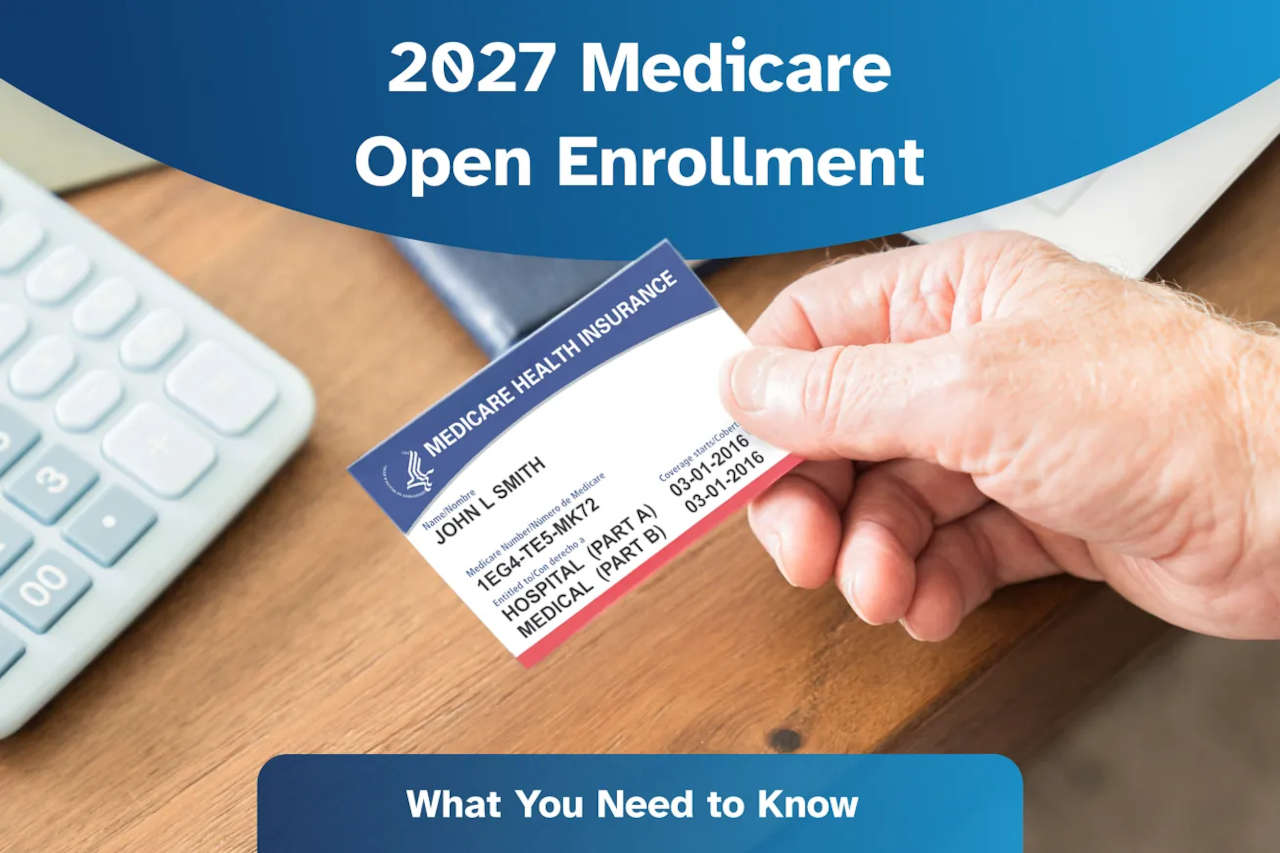
Insights from AmeriPharma Specialty’s Billing and Insurance Coverage Support Team
If you’re on a specialty medication like IVIG, TPN, oncology, or biologics, the 2027 open enrollment period is one of the most important windows of the year to review your insurance plan.
At AmeriPharma Specialty Care, our team supports thousands of patients across Medicare, Marketplace, and commercial insurance plans. Each year, we help patients avoid coverage gaps, uncover assistance opportunities, and resolve issues that could have been prevented with earlier planning.
This guide shares the top questions we hear, the most common mistakes we see, and what you need to know to protect your access to treatment in 2027.
| We guide. You decide. |
| AmeriPharma helps you understand how your therapy is covered and where to look for financial assistance. AmeriPharma is not an insurance agent, and we do not recommend specific plans. |
Key Open Enrollment Dates (for 2027 Coverage)
- Medicare Annual Open Enrollment (AEP):
October 15 – December 7, 2026
Changes take effect January 1, 2027. - ACA Marketplace Plans:
Marketplace enrollment is separate from Medicare. Dates and effective-date rules vary by state and marketplace; verify the current 2027 schedule at HealthCare.gov or your state marketplace. People who have Medicare generally should not purchase Marketplace coverage. - Employer Plans:
Dates vary, but most are in October–December
How to Compare Plans for Specialty Therapies
1. Ask These Three Questions First
Every year, we speak to patients who chose plans based on monthly premiums — only to discover that their medication isn’t covered, or they’re locked into a pharmacy that can’t meet their needs.
Before selecting any plan, we recommend confirming these three things:
- Is my medication on your formulary? What tier is it?
- Do I have to use a specific specialty pharmacy? If yes, can I request an exception?
- For Medicare Advantage plans: Does my provider work with the specified plan?
These three answers affect access, cost, and whether your prescriber and preferred specialty pharmacy can support you. Too often, patients skip this step—only to discover later that their plan won’t allow them to use their preferred pharmacy, or that starting treatment will be delayed while a new pharmacy is arranged.
2. Look at the Whole Cost — Not Just the Premium
Each year during open enrollment, we see patients choose plans with the lowest monthly premium, thinking they’re saving money — only to be surprised by higher out-of-pocket costs, pharmacy restrictions, or treatment delays once the year begins.
The reality is: A low premium doesn’t always mean a low total cost—especially if you’re on a specialty therapy.
Before selecting any plan, we recommend confirming these three things:
- Is my medication on your formulary? What tier is it?
- Do I have to use a specific specialty pharmacy? If yes, can I request an exception?
- For Medicare Advantage plans: Does my provider work with the specified plan?
These three answers affect access, cost, and whether your prescriber and preferred specialty pharmacy can support you. Too often, patients skip this step—only to discover later that their plan won’t allow them to use their preferred pharmacy, or that starting treatment will be delayed while a new pharmacy is arranged.
What To Ask When Comparing Plans
To get the full picture, ask the plan to help you estimate your total yearly cost, including:
- Monthly premium — what you pay each month
- Annual deductible — what you must pay before coverage begins
- Copays or coinsurance — for your specific medication
- Annual out-of-pocket limits — compare medical and drug benefits separately. For covered Medicare Part D drugs, the 2027 annual out-of-pocket threshold is $2,400; it does not include plan premiums or Part B medical costs.
These numbers vary significantly between plans—and even small differences can add up quickly when you’re managing high-cost medications.
What We See Go Wrong
- Patients thinking they must use their plan’s preferred specialty pharmacy: This is one of the most common misconceptions. When patients enroll in a new plan, they often receive letters stating they must use the plan’s preferred specialty pharmacy. Many assume this is mandatory and may even request to cancel their service with the existing specialty pharmacy — believing their plan “requires” it. In reality, this is rarely the case. Patients usually have the right to choose their specialty pharmacy and should feel empowered to speak up about who they want to provide their care.
- High coinsurance for medical-benefit therapies: Part B and Medicare Advantage medical cost sharing can be substantial and is not subject to the Part D $2,400 cap. An example are 50/50 coinsurance with no max: You pay half the drug cost indefinitely, with no cap on your spending.
- High deductibles: You may owe costs before coverage begins. The 2027 defined standard Medicare Part D deductible is $700, although individual plans may have different deductibles.
- Mandated or excluded pharmacies: You could be forced to switch pharmacies or lose access entirely.
- Delays from insurance approvals or site-of-care rules: Added steps can delay or block time-sensitive treatments.
When a Higher Premium Makes Sense
Sometimes, paying more per month gives you:
- Better cost-sharing (like 80/20 instead of 50/50)
- Lower coinsurance for infusions or injectables
- Access to your preferred specialty pharmacy
- Faster approvals with fewer administrative hurdles
Key Takeaway
Don’t shop by premium alone. Look at your total annual costs for your therapy and choose a plan that supports your therapy during Medicare open enrollment, minimizes delays, and keeps your out-of-pocket costs predictable.
3. Understand Plan Types
Some plans may restrict where you can get your treatment or how it’s billed:
| Plan Type | What to Know |
| HMO | Typically requires network providers and referrals or authorizations for some services; emergency exceptions apply. |
| EPO | Often has limited out-of-network coverage other than emergencies; confirm specific plan terms. |
| PPO | More flexible. May allow out-of-network care and pharmacy exceptions. |
| Medicare Advantage (Part C) | One card for A, B & in most cases D, but may limit access to preferred pharmacies or sites of care. |
| Original Medicare + Medigap + Part D | Often best for specialty therapies. Medigap covers the 20% coinsurance under Part B but does not cover any out-of-pocket expenses under Part D. |
4. Confirm How Your Therapy Is Billed
Ask the plan whether your medication is billed under:
- Pharmacy Benefit (e.g., Part D or commercial pharmacy):
Covers most self-administered drugs or some specialty meds. OON options are sometimes available. - Medical Benefit (e.g., Part B or commercial medical):
Applies to many infused therapies like IVIG, TPN, and oncology treatments. Coverage rules vary and may require strict network use or prior authorization.
Understanding how your therapy is billed can help avoid surprises with network status, authorizations, and costs.
Medicare: What’s New in 2027
Medicare Part D: Out-of-Pocket Cap
Medicare introduced the annual Part D out-of-pocket cap of $2,000 in 2025. It increased to $2,100 in 2026 and will be $2,400 in 2027.
For 2027, the Part D annual out-of-pocket threshold is $2,400 for covered Part D drugs. Once the threshold is reached under Part D’s applicable counting rules, there is no additional cost sharing for covered Part D drugs for the remainder of the calendar year. Premiums and drugs not covered under Part D are not included in this cap.
This limit applies only to Part D medications (not Part B infusions) and helps patients on high-cost therapies predict their maximum drug costs.
💡 Why this matters: The Part D cap helps limit eligible prescription drug spending, but it does not limit the cost of Part B infusions or other medical services.
What to Know About the Monthly Payment Plan (Smoothing)
The Medicare Prescription Payment Plan, introduced in 2025, is a voluntary option offered by Medicare drug plans. It spreads eligible out-of-pocket Part D prescription costs into monthly bills from your plan instead of paying those amounts at the pharmacy.
For 2027, the Part D out-of-pocket threshold is $2,400. The payment plan does not reduce drug costs or change the annual cap; it only changes when you pay. Your monthly bill can vary depending on prescription spending and the number of months remaining in the year.
Enrolling does not mean you automatically owe the full $2,400. You owe only your actual eligible Part D cost-sharing amounts, up to the applicable annual limit.
Before enrolling into the Medicare Prescription Payment Plan (MPPP) for 2027 ask your provider whether there are any other copayment assistance options available? Ameripharma has a team dedicated to finding financial assistance solutions for your care.
If you receive Extra Help or other financial assistance, ask your plan and assistance program how payments and eligibility interact. Medicare beneficiaries generally cannot use manufacturer copay coupons for federally covered prescriptions; independent charitable assistance may have different rules.
Before enrolling, it’s a good idea to speak with an AmeriPharma Financial Assistance specialist who can walk you through how smoothing might affect your total cost. Depending on your situation, it may not be the best option. Smoothing might sound helpful, but depending on your diagnosis, income, and medication, it could limit your access to assistance programs—and end up costing more.
Speak With a Specialist Today
Navigating Medicaid
We’re here to help you avoid treatment delays, explore financial assistance, and make confident insurance choices for 2027.
Medicaid rules vary by state. In most states, Medicaid does not cover out-of-network pharmacies—even for specialty drugs. However:
- Medi-Cal (California Medicaid) may cover medications under the pharmacy benefit, which allows more flexibility.
- Other states: Coverage is often limited or not accepted by our pharmacy. Contact us to check eligibility.
Medicare Tips for Specialty Patients
- Original Medicare + Medigap + Part D
Often the smoothest experience for specialty care. Medigap helps cover what Parts A & B don’t, and Part D handles outpatient prescriptions. - Medicare Advantage (Part C)
These plans bundle A, B & D under a private insurer. They may require stricter prior authorization, mandate specific pharmacies, or limit your site of care. - Medi-Medi (Medicare + Medicaid)
This setup can work well if Medicaid is truly secondary, but coverage rules and allowed amounts vary by state.
Navigating Employer & Marketplace Plans
If you’re reviewing a plan from your employer or the ACA Marketplace:
- Start with the formulary: Is your drug covered? What tier? Any PA or quantity limits?
- Ask about pharmacy mandates: Some plans require you to use a specific specialty pharmacy.
- Watch out for:
- 50/50 coinsurance with no cap
- High deductibles (makes first fills expensive)
- 50/50 coinsurance with no cap
💡 Tip: Even if a plan is out-of-network, we may still be able to help—especially if your medication is under the pharmacy benefit. About 98% of patients in this situation are still covered when processed through pharmacy billing.
Financial Assistance: How We Can Help
- External help first: We explore manufacturer copay programs and disease-specific foundations.
- Internal help next: If external help isn’t available, we’ll check our internal support options.
- What matters most:
- Household income
- Diagnosis
- Medication prescribed
- Insurance benefit type (Part B vs Part D)
- Household income
Please avoid enrolling in Medicare Part D payment plans (smoothing) before talking to us—it can block access to some assistance programs.
Quick Checklist Before You Choose a Plan
Confirm your medication, strength, and site of care
Ask: Is it covered? What tier? Any limits or prior auth?
Ask: Do I have to use a specific pharmacy?
Confirm if it’s billed under pharmacy or medical benefit
Estimate total cost: premium + deductible + coinsurance
Know your annual cap ($2,100 for Part D)
Start prior auth early to avoid treatment gaps
Ask about manufacturer or foundation assistance
Call us before signing up for Part D payment plans
Speak with an Insurance Coverage Specialist
We’re here to help you review your coverage, check your benefits, and find out what assistance may be available. We’ll also help you prepare for insurance approvals so you don’t miss a dose when January 1 rolls around — especially if you’re making changes during Medicare Open Enrollment.
Call Now To Speak With a Specialist