



Temozolomide (pronounced [te moe ZOE loe mide]) is also known by the brand name Temodar. Temozolomide is an antineoplastic (anti-cancer) drug that belongs to a class called alkylating agents. It is a type of chemotherapy that prevents cancer cells from multiplying and slows down their growth.
What Is Chemotherapy?
Chemotherapy is a cancer treatment that uses medicines to damage or kill rapidly dividing cells, including both cancer and healthy cells.
Protection From Chemotherapy
Temozolomide is considered a hazardous drug. Do not open, crush, or chew capsules. If a capsule is damaged or leaking, do not inhale the powder and avoid contact with the skin, eyes, or mouth. Follow your pharmacy’s handling instructions and consider wearing gloves. It is essential to take appropriate precautions for receiving, handling, storing, administering, and disposing of this medication. If possible, pour the capsule directly from the bottle cap into your mouth to minimize touching it.
For the injectable solution, avoid inhalation or contact with skin if damaged or accidentally opened.
What Is Temozolomide Used For?
Temozolomide has been approved by the Food and Drug Administration (FDA) to treat glioblastoma or anaplastic astrocytoma (brain cancer), and many other cancers for off-label use.
Available Formulations
Temozolomide is available in the form of oral capsules and as a solution for intravenous infusion. The capsules are available in six different strengths: 5 mg, 20 mg, 100 mg, 140 mg, 180 mg, and 250 mg. The intravenous solution is available in 100 mg strength and contains a polysorbate 80 ingredient.
Directions for Use
Take temozolomide with a full glass of water, preferably on an empty stomach or at bedtime. Taking it on an empty stomach or at bedtime may help ease nausea. It should be taken at the same time each day. If you are receiving radiation therapy, follow your oncology team’s instructions on when to take temozolomide. The dose should not be more or less than what is prescribed.
While taking the capsule, swallow it whole; do not open, break, crush, chew, or allow it to be dissolved in your mouth. Swallow the capsules whole with water. If vomiting occurs, do not readminister the dose again and wait until the next scheduled dose. If the capsules are opened or damaged, avoid inhalation or contact with the skin or mucous membranes.
If you receive temozolomide by IV, it is given by a healthcare professional as an intravenous infusion over 90 minutes.
Missed Dose
Temozolomide is taken on a set schedule. If you miss a dose, contact your oncology team or pharmacist for instructions. If you vomit after taking a dose, do not take an extra dose — take your next dose at the regular scheduled time.
Storage
Store capsules in a cool, dry place at room temperature and ensure the bottle is tightly closed. If you receive temozolomide by IV infusion, it will be prepared and stored by the clinic/pharmacy in accordance with the product instructions.
What To Avoid While Taking Temozolomide?
While taking temozolomide therapy, you must follow some precautions. Always tell your physician about any medications you are already taking. Do not take any drug or medicine (even herbals, vitamins, or over-the-counter medications) without prior consent from your physician or pharmacist. They may have some significant interactions with temozolomide.
Pregnancy and Temozolomide
Pregnancy status must be checked prior to starting temozolomide therapy in women of childbearing age, and effective contraception must be used during treatment and for 6 months after the last dose. Males with female partners of reproductive potential should use effective contraception during treatment and for 3 months after the last dose. Temozolomide may cause fetal harm and is therefore not recommended for women who are breastfeeding during therapy. Breastfeeding should also be avoided for at least 1 week after the last dose.
Temozolomide Side Effects
As with any other medication, you may encounter side effects while taking temozolomide. A few things to remember are:
- You may not have all the side effects listed below. Many people may experience little to no side effects.
- The severity of side effects may vary from person to person, so don’t compare your side effects with other people’s experiences.
- Most of the side effects will improve when therapy is discontinued.
- These side effects are easily manageable most of the time, either by readjusting the dose of temozolomide or using additional medications to treat the symptoms. Consult with your physician or pharmacist to explore available options.
- Do not hide any symptoms; if you feel any discomfort, do not hesitate to tell your physician or pharmacist about it.
Note: This is not a comprehensive list of all side effects. Talk to your doctor if you have questions.
Some of the more serious side effects of temozolomide are listed below:
Vomiting
Temozolomide is associated with a high potential for vomiting. For the prevention of nausea and vomiting, the use of antiemetic therapy is highly recommended. Consult with your physician to see available options.
Hair Loss
One of the most conspicuous side effects of chemotherapy encountered is hair loss. This happens because most chemotherapies, including temozolomide, act on rapidly dividing cancerous cells as well as healthy cells of the body like hair cells. However, the hair usually grows back once the chemotherapy is stopped.
Liver Complications
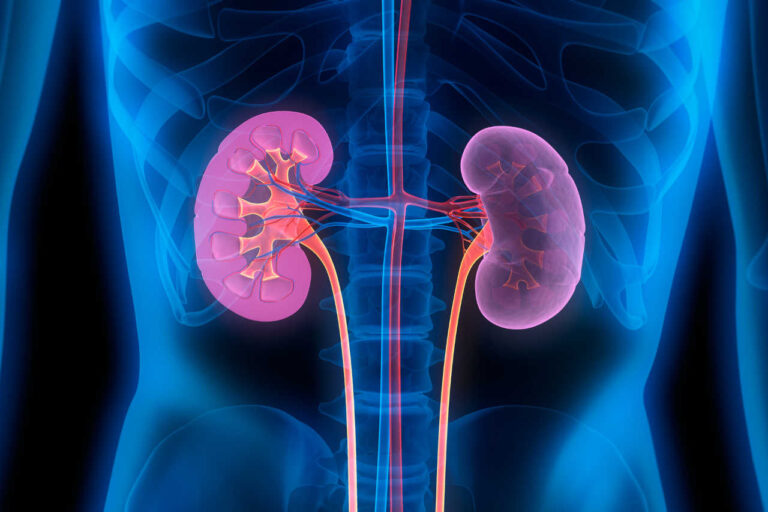
In certain cases, temozolomide can affect the liver and cause liver damage. The condition of the liver is monitored through blood tests that are able to detect liver function. Contact your physician immediately if you experience liver problems like dark urine, fatigue, lack of appetite, nausea, abdominal pain, light-colored stools, vomiting, or yellow skin or eyes. These may be indications of liver complications.
Pneumocystis Pneumonia (PCP)
PCP is a serious infection caused by a fungus that is very typical in patients who have a weakened immune system. Temozolomide lowers white blood cells, which weakens the immune system and increases the risk of PCP. The risk of PCP is increased in those receiving corticosteroids alongside temozolomide. In some treatment plans (for example, certain regimens used with radiation or newly diagnosed glioblastoma), your provider may prescribe PCP prophylaxis to reduce the risk of this infection. During therapy, if you experience difficulty breathing, fever, chills, or dry cough, contact your physician immediately.
Secondary Malignancies
It is possible that temozolomide can give rise to a secondary type of cancer during treatments, including myeloid leukemia. Continuous monitoring during treatment for new malignancies may be necessary.
Bone Marrow Suppression
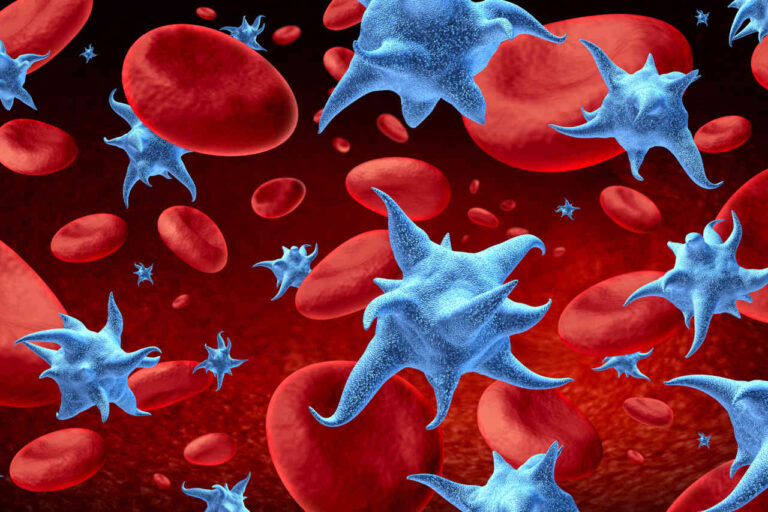
It is essential to keep up with regular blood tests, especially the complete blood count test (CBC). The CBC blood test is capable of detecting potential side effects of temozolomide, including leukopenia (low white blood cell levels), thrombocytopenia (low platelet count), and anemia (low red blood cells), all of which are potential side effects from the use of temozolomide. Patients over 65 years of age should take extra precautions with temozolomide use, as they may have a higher risk for bone marrow suppression.
Allergic Reactions
Allergic reactions are another rare side effect of temozolomide. A mild allergic reaction can include a rash on the skin, skin becoming itchy, etc. Severe side effects may include swelling under the eyes, lips, or hands and swelling of the throat or tongue with disturbed breathing. Immediately contact your physician if any signs of an allergic reaction are present.
Other common side effects may include:
- Diarrhea or constipation
- Dizziness or fatigue
- Change in appetite
- Muscle or joint pain
- Insomnia
- Change in taste
- Dry skin
- Nausea or vomiting
Precautions
Unless approved by your physician, temozolomide is generally not recommended in patients who have an allergy to temozolomide. Allergic reactions can cause a rash over the whole body, shortness of breath, wheezing, dizziness, swelling around your mouth or eyes, fast heart rate, trouble breathing, and sweating. If you have any of these symptoms, stop using temozolomide and call your doctor or get emergency help right away.
FAQs
Is temozolomide a chemo agent?
Temozolomide is a chemotherapy drug (an alkylating agent). It works by damaging DNA in rapidly dividing cells, which can slow or stop cancer cell growth.
How should temozolomide be taken?
Take temozolomide at the same time each day with a full glass of water, preferably on an empty stomach or at bedtime. When taking the capsule, swallow it whole; do not open, break, crush, chew, or allow it to be dissolved in your mouth.
If you receive temozolomide by IV, it is given by a healthcare professional as an intravenous infusion over 90 minutes.
Can you lose your hair with temozolomide?
Like other chemotherapeutic agents, temozolomide has the potential to cause hair loss.
Can you touch temozolomide?
Temozolomide is considered a hazardous drug, so avoid direct contact and do not open, crush, or chew the capsules. If you must handle a capsule, consider wearing gloves or pouring it directly into your mouth from the bottle cap to minimize contact. If a capsule is damaged or leaking, avoid contact with the powder and follow your pharmacy’s instructions.
REFERENCES:
- Cancer C. Temozolomide – Chemotherapy Drugs – Chemocare. Chemocare.com. https://chemocare.com/chemotherapy/drug-info/Temozolomide.aspx. Published 2022. Accessed January 28, 2022.
- Temozolomide (Temodal) | Cancer information | Cancer Research UK. Cancerresearchuk.org. https://www.cancerresearchuk.org/about-cancer/cancer-in-general/treatment/cancer-drugs/drugs/temozolomide#:~:text=Temozolomide%20is%20a%20type%20of,(GBM)%20and%20anaplastic%20astrocytoma. Published 2022. Accessed January 28, 2022.
- Temozolomide, UpToDate. Uptodate.com. https://www.uptodate.com/contents/temozolomide-drug-information?search=temozolomide&source=panel_search_result&selectedTitle=1~96&usage_type=panel&kp_tab=drug_general&display_rank=1. Published 2022. Accessed January 28, 2022.
- Temozolomide for brain cancer. National Cancer Institute. https://www.cancer.gov/news-events/cancer-currents-blog/2016/asco-temozolomide-brain. Published 2022. Accessed January 28, 2022.
- Temozolomide: Uses, Interactions, Mechanism of Action | DrugBank Online. Go.drugbank.com. https://go.drugbank.com/drugs/DB00853. Published 2022. Accessed January 28, 2022.
- Temozolomide (Oral Route) Side Effects – Mayo Clinic. Mayoclinic.org. https://www.mayoclinic.org/drugs-supplements/temozolomide-oral-route/side-effects/drg-20066228?p=1. Published 2022. Accessed January 28, 2022.
- Temodar: Uses, dosage, side effects, warnings. Drugs.com. (n.d.). Retrieved January 25, 2022, from https://www.drugs.com/Temodar.html.
- Temozolomide. In: Lexi-drugs online [database on the Internet]. Hudson (OH): Lexicomp, Inc.; 2016 [updated 16 Jan 2022; cited 25 Jan 2022]. Available from: http://online.lexi.com.
- Temozolomide. In: In Depth Answers [database on the Internet]. Greenwood Village (CO): IBM Corporation; 2017 [cited 2022 Jan 25]. Available from: www.micromedexsolutions.com.