



What Is Capecitabine?
Capecitabine (pronounced [ka pe SITE a been]) is also known by the brand name, Xeloda. Capecitabine is an antineoplastic (anticancer) drug that belongs to a class called antimetabolites (metabolic inhibitor), and it may be prescribed alone or in combination with other anticancer drugs.
Mechanism of Action
Capecitabine is a prodrug, so when a capecitabine pill is ingested, the body converts it into its active form, fluorouracil. The active drug (fluorouracil/5-FU) interferes with how rapidly dividing cells make DNA and RNA, which can slow or stop cancer cell growth. Capecitabine is a type of chemotherapy.
What Is Chemotherapy?
Chemotherapy is a cancer treatment in which certain drugs are used to kill cancerous cells. These drugs are usually cytotoxic chemical substances that are toxic to the cells, restrict their growth, prevent their division, and ultimately kill the cells.
Protection From Chemotherapy
Capecitabine is considered to be a hazardous agent, and normally, these pills are covered by a thin coating of material, but if this coating is damaged, removed, melted, or if the pill is crushed into pieces, the medication powder can be harmful with direct contact and can irritate the skin, eyes, or mucous membranes. Therefore, it is important to take appropriate precautions for receiving, handling, storing, administering, and disposing of this medication.
If someone other than the patient must handle the tablets, they should wear disposable gloves. Do not crush, split, or chew tablets. If a tablet is broken or powder is visible, avoid contact, clean the area carefully, and contact your pharmacy for guidance. Wash hands after handling. Keep this medication away from children and pets, and store it in its original container. Pregnant or breastfeeding caregivers should ask a healthcare professional before handling chemotherapy tablets.
How Is Capecitabine Used?
Capecitabine is FDA-approved for certain breast and colorectal cancer uses and is also commonly used as part of combination treatment plans based on your specific cancer type, stage, and prior therapies. In some situations, providers may prescribe capecitabine for other cancers or treatment settings (off-label use) when supported by clinical evidence. Ask your oncology team what your specific indication is and why capecitabine was chosen.
Available Formulations
Capecitabine is only available in the form of tablets and must be administered orally. The tablets are available in two strengths: 150 mg and 500 mg. The tablets are elliptical or oval-shaped, light-pink, and embossed with “XELODA” on one side and either “150” or “500” on the other side (depending on the dose).
Dosing
Capecitabine is dosed based on body surface area (BSA). BSA is calculated using height and weight. Depending on the cancer type and severity, capecitabine may be dosed once or twice a day. Verify the correct dose and frequency with your provider.
Duration of Therapy
Capecitabine is usually prescribed for 14 days, followed by 7 treatment-free days, which constitutes one treatment cycle. The treatment cycle may be either 21, 28 or 35 days, depending on the treatment plan. More than one treatment cycle may be given, depending on disease severity.
Directions for Use
Take capecitabine within 30 minutes after finishing a meal and take it with plenty of water. When taking the tablet, swallow it whole; do not crush, chew, or allow it to be dissolved in your mouth.
Missed Dose
If you have accidentally missed a dose, do not take additional tablets. Skip the missed dose and continue with your next scheduled dose.
When to Call Your Doctor Right Away (or Seek Urgent Care)
Contact your oncology team promptly if you have:
- Fever (for many patients, ≥100.4°F / 38°C is urgent—follow your clinic’s instructions)
- Diarrhea that is severe, persistent, or causes dizziness/dehydration
- Vomiting that prevents you from keeping fluids down
- Mouth sores that make it hard to eat/drink
- Unusual bleeding/bruising, black/tarry stools, or blood in vomit
- Severe rash, blistering/peeling skin, or rash with fever
- Severe hand-foot symptoms (blistering, peeling, intense pain, inability to walk/use hands)
- Chest pain, shortness of breath, fainting, or severe weakness/confusion
Storage
Store tablets in a cool, dry place at room temperature and ensure the bottle is tightly closed.
What To Avoid While Taking Capecitabine
While on the capecitabine therapy, you must follow some precautions. Always tell your physician about any medications you are already taking. Do not take any drug or medicine (even herbals, vitamins, or over-the-counter medications) without prior consent from your physician or pharmacist, as they may cause an allergic reaction when combined with capecitabine.
Minimize sun exposure and use sunblock while outside. Alcohol may worsen side effects like nausea, dehydration, or liver irritation — ask your oncology team whether alcohol is safe for you. Do not receive vaccines (especially live vaccines) without checking with your oncology team first.
Pregnancy and Capecitabine
Pregnancy status must be checked prior to starting chemotherapy in women of childbearing age. Women of childbearing age must use effective contraception during treatment and for 6 months after the last dose.
Male patients with partners who can become pregnant should use effective contraception during treatment and for 3 months after the last dose. Capecitabine may cause fetal harm and is therefore not recommended for women who are breastfeeding.
Side Effects
As with any other medication, you may encounter many side effects while taking capecitabine. A few things to keep in mind are:
- You may not have all the side effects listed below. Many people may experience little to no side effects.
- The severity of side effects may vary from person to person, so don’t compare your side effects with other people’s experiences.
- Most of the side effects will improve when therapy is discontinued.
- These side effects are easily manageable most of the time either by readjusting the dose of capecitabine or using additional medications to treat the symptoms. Consult with your physician or pharmacist to explore available options.
- Do not hide any symptoms; when you feel any discomfort, do not hesitate to tell your physician or pharmacist about it.
Note: This is not a comprehensive list of all side effects. Talk to your doctor if you have questions.
Some of the most common side effects of capecitabine are:
Hair Loss
One of the most conspicuous side-effects of chemotherapy is hair loss. This happens because most of the chemotherapy pills including capecitabine act on rapidly dividing cancerous cells as well as healthy cells of the body like hair cells. However, the hair usually grows back once the chemotherapy is stopped.
Nausea and Vomiting
You may feel acute or delayed nausea and vomiting once you start chemotherapy. These symptoms usually disappear after a few hours or days after starting therapy. If nausea or vomiting is severe, contact your physician to see if they can add an antiemetic medication to the regimen. Eating habits should consist of small amounts of food four to six times a day. Try to avoid eating too much at once. Maintain proper body hydration and drink fluids throughout the day. This may help reduce nausea or vomiting frequency and severity. Patients 60 years and older may experience a greater incidence of these side effects.
Diarrhea or Abdominal Pain
If you have watery stools more than four times a day or frequent loose, watery stools, you may have diarrhea. This is one of the most common side effects of capecitabine. Abdominal pain may be associated with diarrhea. Stay hydrated and take plenty of fluids to maintain the water balance of your body. During diarrhea, many people do better avoiding high-fiber, greasy, very spicy foods, and large meals; your care team can recommend a diarrhea-friendly diet and medicines if needed. Foods that will help reduce diarrheal risk include boiled or baked chicken (white meat) and white rice. In rare cases, diarrhea may become severe, and if this happens, consult your doctor immediately. Patients 60 years and older may experience a greater incidence of these side effects.
Skin Rash
Capecitabine, on rare occasions, may cause a severe skin reaction called Stevens-Johnson syndrome (SJS) or toxic epidermal necrolysis (TEN). This condition can lead to rashes that may appear as red, swollen, hives; itching, blistered, or peeling skin (with or without fever); red or irritated eyes; or sores in the mouth, throat, nose, or eyes. Notify your physician or pharmacist immediately of any signs of a rash or allergic reaction, including wheezing; tightness in the chest or throat; trouble breathing, swallowing, or talking; unusual hoarseness; or swelling of the mouth, face, lips, tongue, or throat.
Eyesight Weakness
Capecitabine may cause eye irritation or watery eyes. This causes excessive tearing (epiphora) where tears may spill out of your eyes even if you are not crying. If symptoms worsen with time or you feel any kind of pain, redness, or itching, immediately consult your physician as this condition may cause eyesight weakness.
Hand-and-Foot Syndrome
Another very conspicuous side effect of capecitabine is hand-and-foot syndrome, also known as palmar-plantar syndrome or palmar-plantar erythrodysesthesia. This syndrome may cause redness, swelling, skin rash, or pain typically on the palms of the hands and the soles of the feet. More severe cases may be characterized by numbness, tingling, swelling, blistering, and peeling skin resulting in fingerprint loss. If you feel any of these symptoms, inform your doctor or pharmacist immediately, as a dose reduction may be required. Patients 60 years and older may experience a greater incidence of this side effect.
Bone Marrow Suppression
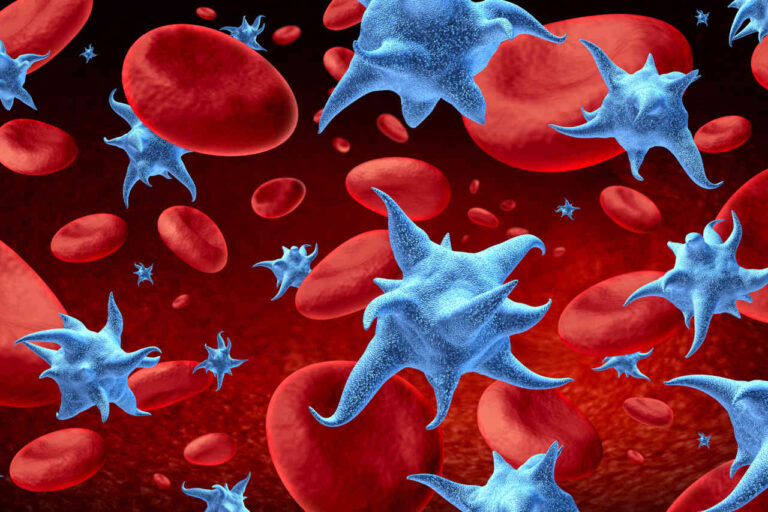
It is essential to keep up with regular blood tests, especially the complete blood count test (CBC). The CBC blood test is capable of detecting potential side effects of capecitabine, including leukopenia (low white blood cells level), thrombocytopenia (low platelet count), neutropenia (low neutrophils, a type of white blood cell), and anemia (low red blood cells).
Infection Risk
There may be a high chance of acquiring an infection while on capecitabine therapy. Infections may include fungal, bacterial (such as pneumonia), or viral infections. In order to minimize the risk of infection, it is important to avoid crowds, unhygienic street foods, and certain vaccines. Early symptoms of infection may include cough, chills, fever, flu, or trouble breathing. If you acquire any infection, immediately seek advice from your physician.
Tiredness and Fatigue
Feelings of extreme tiredness and fatigue may occur. This side effect may appear suddenly and sometimes may not go away with rest. Light and regular exercise is recommended, along with adequate sleep. Start with simple activities like walking, then gradually work up to light jogging, slow running, etc. Fatigue may also be associated with anemia, depression, and anxiety. Find ways to relieve anxiety and depression by engaging in positive activities. If fatigue symptoms become unmanageable or severe, inform your physician.
Bone/Joint Pain
Another common side effect includes bone or joint pain, or even back pain. This may also be a result of anemia or other side effects mentioned previously. Adequate rest and hydration may help reduce potential bone, joint, or back pain. Get a doctor’s approval prior to taking any over-the-counter medications such as Advil, Motrin, ibuprofen, and acetaminophen. Some over-the-counter pain/fever medicines may increase bleeding risk, affect the kidneys, or mask other symptoms. Ask your oncology team which options are safest for you and what dose to use.
Less common side effects can include:
- Constipation
- Dizziness
- Fever
- Body pain
- Insomnia (difficulty in sleeping)
- Headache
- Dry skin and brittle nails
- Mouth sores and ulcers
- Depression
Precautions
Unless approved by your physician, capecitabine is generally not recommended for:
- Patients who have an allergy to capecitabine, fluorouracil, or any component of the formulation.
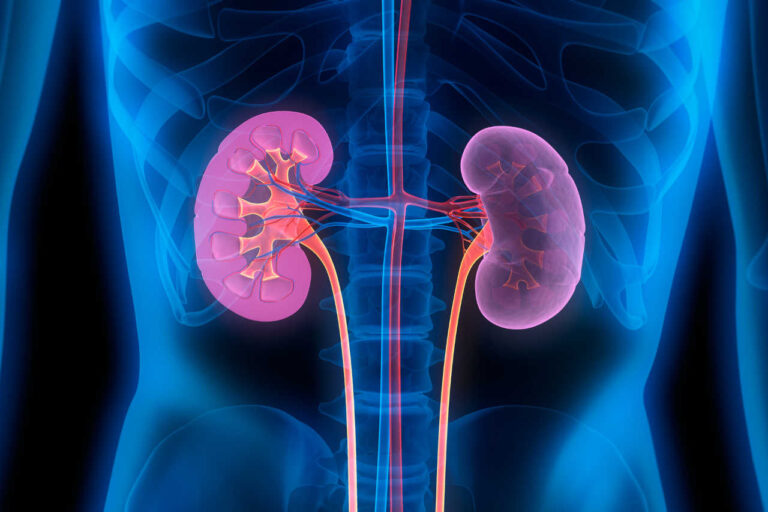
- Patients with severe kidney impairment.
Important Safety Warnings (Read This):
- DPD deficiency (rare but serious): Some people have low activity of an enzyme (DPD) needed to break down fluorouracil. This can cause severe or life-threatening toxicity from capecitabine. Tell your oncology team right away if you develop unusually severe side effects early in treatment (severe diarrhea, mouth sores, confusion, extreme weakness).
- Major drug interactions: Capecitabine can interact with several medicines. A key one is warfarin (Coumadin), which can greatly increase bleeding risk and may require very close INR monitoring and dose adjustments. Also, tell your team if you take seizure medicines (e.g., phenytoin) or any new prescription/OTC/herbal products.
- Heart-related symptoms: Capecitabine may rarely cause heart problems (such as chest pain or shortness of breath). Seek urgent medical help for chest pain/pressure, new shortness of breath, fainting, or a fast/irregular heartbeat.
FAQs
Is capecitabine a chemo agent?
Chemo drugs are those that are used in the management of various cancers. Capecitabine converts into its active form, fluorouracil, inside the body in order to kill cancer cells. Therefore, it is a chemo agent that is recommended as a treatment option for various cancer patients.
Can you lose your hair with capecitabine?
Like other chemotherapeutic agents, capecitabine has the potential to cause hair loss. When used alone, it may not cause complete hair loss. However, complete hair loss may occur when capecitabine is taken in combination with other chemotherapy drugs.
Can capecitabine remove fingerprints?
Yes, however, the loss may be temporary or permanent depending on the person, maintenance, and duration of therapy.
Can you touch capecitabine?
Chemo drugs contain chemicals that are hazardous to health, and therefore you should avoid touching them. Wear gloves or pour the drug directly into the mouth using the cap of the drug bottle to avoid or minimize direct contact.
REFERENCES:
Capecitabine. In: Lexi-drugs online [database on the Internet]. Hudson (OH): Lexicomp, Inc.; 2016 [updated 2 Nov 2021; cited 4 Nov 2021]. Available from: http://online.lexi.com
Capecitabine. In: In Depth Answers [database on the Internet]. Greenwood Village (CO): IBM Corporation; 2017 [cited 2021 Nov 4]. Available from: www.micromedexsolutions.com.
Dooley, M., & Goa, K. L. (1999). Capecitabine. Drugs, 58(1), 69-76.
Genentech: Xeloda® (CAPECITABINE) – information for patients. Genentech: Xeloda® (capecitabine) – Information for Patients. (n.d.). Retrieved November 4, 2021, from https://www.gene.com/patients/medicines/xeloda.
Koukourakis, G. V., Kouloulias, V., Koukourakis, M. J., Zacharias, G. A., Zabatis, H., & Kouvaris, J. (2008). Efficacy of the oral fluorouracil pro-drug capecitabine in cancer treatment: a review. Molecules, 13(8), 1897-1922.
Saif, M. W., Katirtzoglou, N. A., & Syrigos, K. N. (2008). Capecitabine: an overview of the side effects and their management. Anti-cancer drugs, 19(5), 447-464.
Stathopoulos, G. P., Koutantos, J., Lazaki, H., Rigatos, S. K., Stathopoulos, J., & Deliconstantinos, G. (2007). Capecitabine (Xeloda) as monotherapy in advanced breast and colorectal cancer: effectiveness and side-effects. Anticancer research, 27(3B), 1653-1656.
Van Essen, M., Krenning, E. P., Kam, B. L., de Herder, W. W., van Aken, M. O., & Kwekkeboom, D. J. (2008). Report on short-term side effects of treatments with 177 Lu-octreotate in combination with capecitabine in seven patients with gastroenteropancreatic neuroendocrine tumours. European journal of nuclear medicine and molecular imaging, 35(4), 743-748.
Van Essen, M., Krenning, E. P., Kam, B. L., de Herder, W. W., van Aken, M. O., & Kwekkeboom, D. J. (2008). Report on short-term side effects of treatments with 177 Lu-octreotate in combination with capecitabine in seven patients with gastroenteropancreatic neuroendocrine tumours. European journal of nuclear medicine and molecular imaging, 35(4), 743-748.Walko, C. M., & Lindley, C. (2005). Capecitabine: a review. Clinical therapeutics, 27(1), 23-44.
Xeloda: Uses, dosage, side effects, warnings. Drugs.com. (n.d.). Retrieved November 4, 2021, from https://www.drugs.com/xeloda.html.