


Guillain-Barre syndrome (GBS) is a rare condition that leaves patients in an acute state of symmetrical muscle weakness. As a result, the muscles in the body lack the ability to become stiff or tense. There is currently no defined cure for GBS, and patients are often left with a lack of sensation in the sensory or motor nerves of the body.
Get IVIG Prior Authorization
Medication, lifestyle changes, and medical supervision are necessary for this condition, as the main goal of treatment is to relieve secondary symptoms and prevent breathing problems from occurring. Fortunately, studies reveal there are healthy diets that can help curb the severity of the symptoms.
What Is Guillain-Barre Syndrome?
Guillain-Barre syndrome (GBS) is a severe autoimmune disorder that affects the peripheral nervous system, leading to the rapid progression of limb weakness. In most cases, GBS causes damage to the hands, limbs, and feet, ultimately leading to the lack or absence of reflex responses throughout the body.
Although the exact cause of GBS is unknown, it may be triggered by surgical procedures, bacterial infections, or viral infections. If detected early, GBS can be managed with numerous treatment options that have the potential to minimize the duration of the condition.
Guillain-Barre syndrome occurs at any age and in both genders. However, it affects adult males more than females.
Symptoms of Guillain-Barre Syndrome
According to research, in a small number of cases (approximately 1 in 20 patients), Guillain-Barre syndrome may be life-threatening. Often, the symptoms begin in the hands and feet before spreading to other parts of the body.
Symptoms of GBS include:
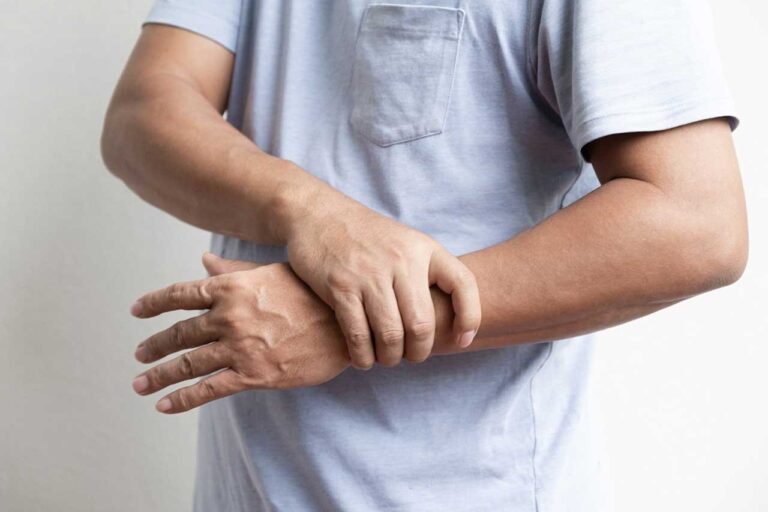
- Muscle weakness or numbness (pins and needles sensation) in the hands, limbs, and feet
- Balance or coordination problems
- Blurry vision
- Blood clots
- Paralysis of breathing muscles
- Chewing problems
- Severe swallowing issues
- High blood pressure
The symptoms may worsen over a period of a couple of weeks if the patient does not receive any medical attention. Therefore, it is best to reach out to your doctor if you notice any of the symptoms mentioned above.
Get IVIG Copay Assistance
Speak to a SpecialistBest Diet for Guillain-Barre Syndrome
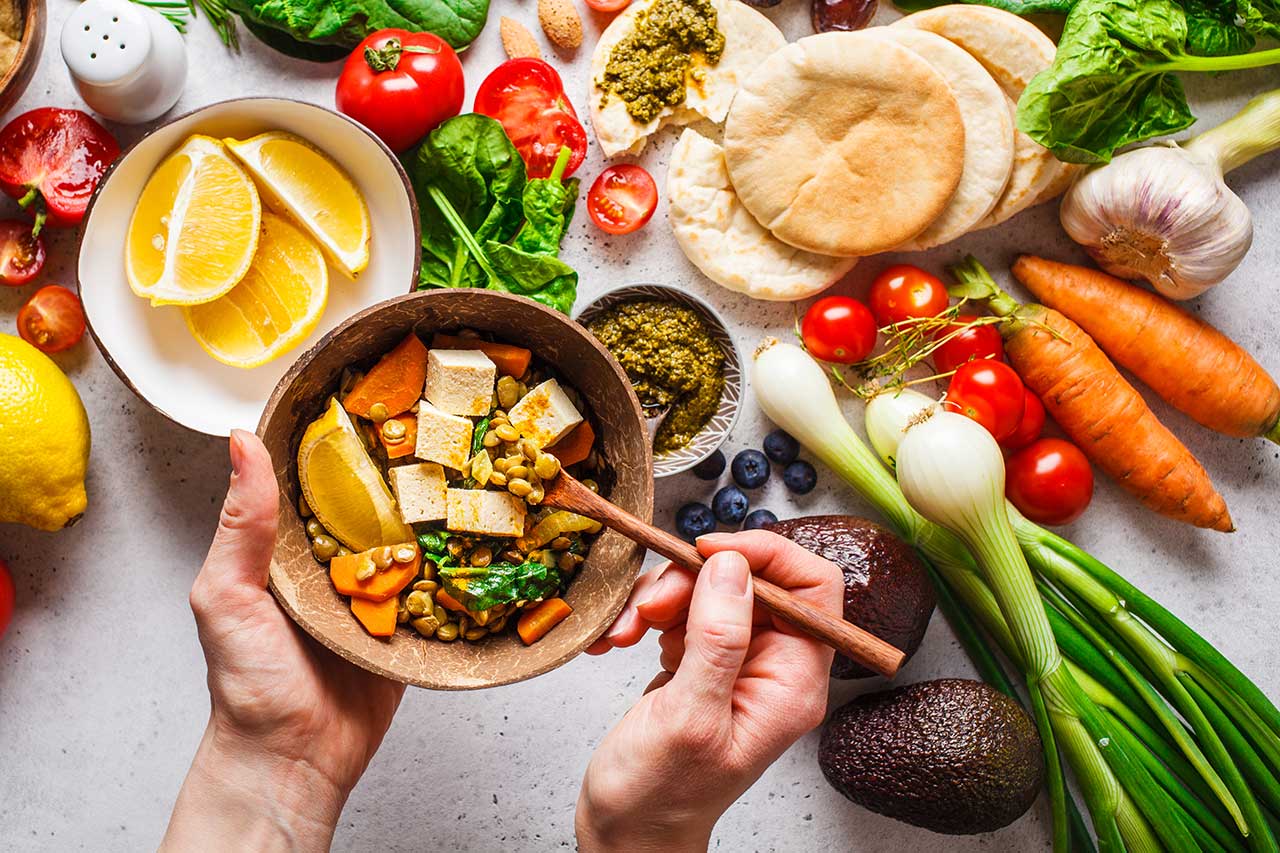
While there is no defined “cure” diet, a Guillain-Barre syndrome diet should focus on two critical goals: nerve regeneration and muscle preservation. There is evidence to suggest that a high-protein diet can help replenish muscle loss and improve resistance to lung infections. Focusing on a healthy diet can help reduce the severity of GBS. Because GBS involves the immune system attacking the myelin sheath (the protective coating of your nerves), providing the body with “neuro-protective” building blocks is essential for recovery.
Neuro-Protective Nutrients
- B-Vitamins (B12 & B6): These are the most critical vitamins for nerve health. They support the remyelination process, which helps your body rebuild the damaged nerve coatings.
- Omega-3 Fatty Acids: Found in most fish, algae, walnuts, and flaxseeds, marine and plant-based Omega-3s help reduce the systemic inflammation that drives the autoimmune response.
- Antioxidants (EGCG): Such as those found in green tea, white tea, black tea, cocoa, berries, plums, kiwis, hazelnuts, and pecans, contain natural antioxidants that help protect damaged nerve cells from further oxidative stress during the healing phase.
High-Quality Protein for Muscle Recovery
Acute GBS often leads to rapid muscle wasting. To combat this, ensure your diet for Guillain-Barre syndrome includes high-quality, easily digestible proteins such as:
- Eggs and Greek yogurt
- Lean poultry and fish
- Plant-based proteins such as tofu and lentils
Green Tea
Many teas contain nutraceuticals that can improve human health. For instance, greeen tea contains a catechin called epigallocatechin-3-gallate (EGCG), which is a natural antioxidant shown to help slow down the body’s immune response and prevent damage to the cells and body. EGCG is also found in black, white, and oolong tea as well as foods such as berries, kiwis, pears, apples, peaches, avocados, pecans, hazelnuts and pistachios.
Fermented Foods
Fermented foods such as fermented vegetables may also be helpful, as they can improve your digestive health, thus improving your immunity.
Sensitivities
Your body may not tolerate certain foods and beverages, such as specific grains, legumes, vegetables, fruit, dairy, animal products, and food additives. You will want to avoid foods that you know harm your gut health.
Get Your IVIG Dose
At-Home InfusionAre There Foods You Should Avoid To Heal From Guillain-Barre Syndrome?

Identifying specific Guillain-Barre syndrome foods to avoid is vital to prevent aggravating the immune system and worsening symptoms like high blood pressure or inflammation.
- Refined Sugars: High-sugar foods (sugar-sweetened soda, candy, syrups) can trigger pro-inflammatory cytokines, which may interfere with the body’s ability to repair nerve damage.
- Artificial Sweeteners: Some patients report that sweeteners like aspartame can exacerbate neurological sensations like “pins and needles.”
- Excessive Sodium: Since GBS can cause fluctuations in blood pressure, it is best to avoid high-sodium processed foods, snacks, and high-sodium canned goods.
- Undercooked Poultry: GBS is frequently triggered by a Campylobacter jejuni infection (often found in undercooked chicken). During recovery, it is critical to ensure all poultry is cooked to an internal temperature of 165°F to prevent a secondary infection that could cause a relapse.
Safety First: Managing Swallowing Difficulties
Many GBS patients experience dysphagia, or difficulty swallowing. If you are struggling with coordination while eating:
- The “Fork-Mashable” Rule: Only eat foods that can be easily mashed with a fork.
- Thickened Liquids: Thin liquids like water can be accidentally inhaled (aspirated). Talk to your health care provider and speech-language pathologist about using thickeners to make swallowing safer.
- Positioning: Always sit upright at a 90-degree angle while eating and for 30 minutes afterward.
Conclusion
Your diet is an important consideration when dealing with autoimmune disorders such as Guillain-Barre syndrome. Consuming a healthy diet that includes nutrient dense foods can help boost your immune system and support your wellness as you heal.
Frequently Asked Questions
Can a good diet cure Guillain-Barre syndrome?
At this time, no. However, a healthy diet can boost the body’s immune system, helping you have a higher quality of life.
Can certain foods worsen Guillain-Barre syndrome?
Yes, they can. Eating specific foods in excess or lacking certain nutrients in your diet can promote inflammation and can allow unpleasant symptoms to progress more quickly and severely.
Why should I avoid high-sodium foods with GBS?
GBS affects the autonomic nervous system, which controls blood pressure. A high-sodium diet can lead to dangerous spikes in blood pressure, making management of the condition more difficult.
Guillain-Barre Syndrome (GBS) Resources
What Is Guillain-Barre Syndrome (GBS) Disease?
What Causes Guillain-Barre Syndrome?
Guillain-Barre Syndrome Treatment Options