


Các phương pháp điều trị tự nhiên cho nhược cơ trọng lực Các thói quen sinh hoạt và điều chỉnh lối sống có thể giúp kiểm soát các triệu chứng và cải thiện chất lượng cuộc sống. Chúng có thể bao gồm châm cứu, trị liệu ngôn ngữ/nuốt, chế độ ăn uống cân bằng và tập thể dục có sự giám sát. Tuy nhiên, chúng không nên thay thế liệu pháp y tế tiêu chuẩn.
Nhận hỗ trợ tài chính
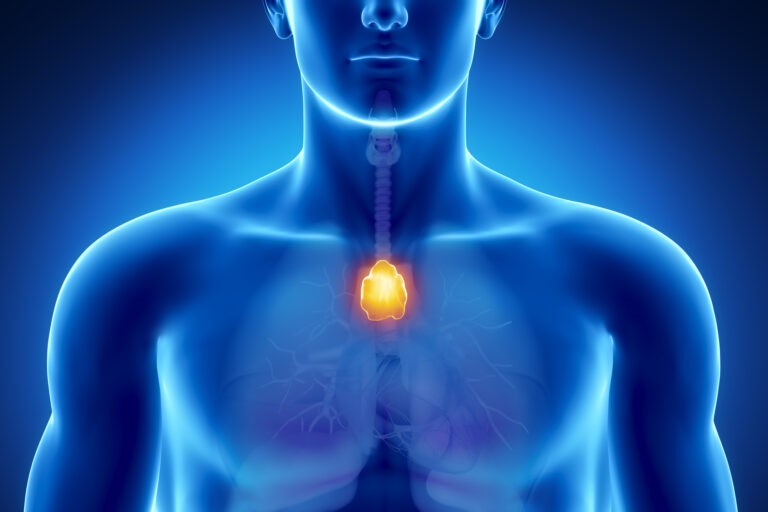
Bệnh nhược cơ (Myasthenia gravis - MG) là một rối loạn tự miễn dịch mãn tính. MG gây ra tình trạng yếu cơ mà bạn có thể điều khiển được, đặc biệt là các cơ ở mắt, mặt, cổ họng, cổ và tứ chi. Bệnh xảy ra khi hệ thống miễn dịch làm gián đoạn sự liên lạc giữa các dây thần kinh và cơ bắp.
Các phương pháp điều trị tiêu chuẩn cho bệnh nhược cơ bao gồm thuốc, phẫu thuật, thay huyết tương và... immunoglobulin tiêm tĩnh mạch (IVIG).
Các phương pháp điều trị tự nhiên cho bệnh nhược cơ: Cái nhìn sâu hơn về bằng chứng
Các phương pháp điều trị tự nhiên có thể giúp một số người mắc bệnh nhược cơ cải thiện chất lượng cuộc sống. Tuy nhiên, chúng không nên thay thế các phương pháp điều trị nhược cơ thông thường.
Châm cứu
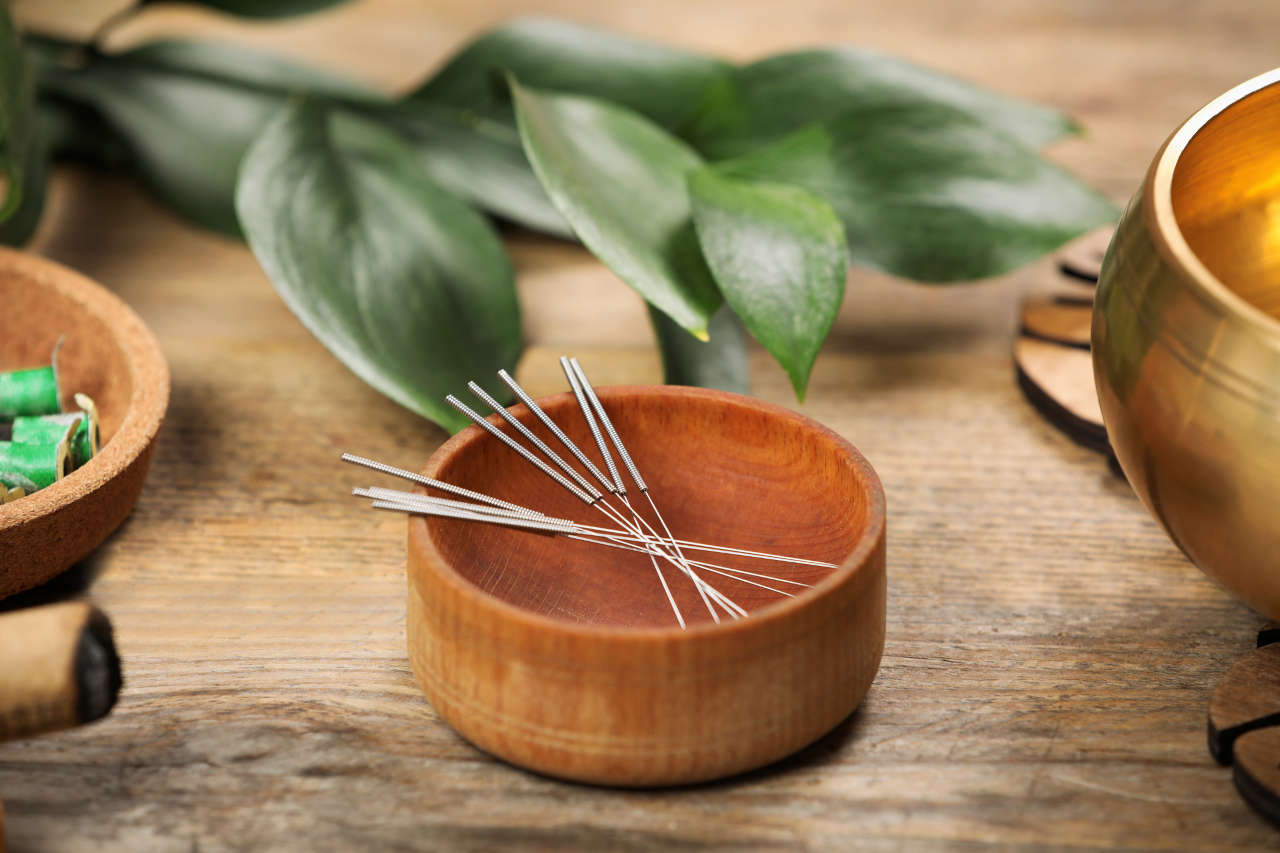
Châm cứu là một hình thức của y học cổ truyền Trung Quốc. Trong một buổi châm cứu, người hành nghề sẽ dùng kim nhỏ châm vào các điểm cụ thể trên cơ thể. Theo các chuyên gia châm cứu, việc này sẽ giúp cân bằng lại dòng chảy "sinh lực" trong cơ thể.
Châm cứu chủ yếu được sử dụng để điều trị:
- Đau răng
- Đau cổ
- Đau lưng dưới
- cơn đau chuyển dạ
- Đau bụng kinh
- Đau khớp
Châm cứu có thể giúp giảm mức độ nghiêm trọng của các triệu chứng và cải thiện chất lượng cuộc sống ở một số bệnh nhân MG bằng cách kích thích các dây thần kinh tại chỗ.
Ví dụ, trong một nghiên cứu tổng quan năm 2024, các nhà nghiên cứu nhận thấy rằng châm cứu (kết hợp với các phương pháp điều trị thông thường) có thể mang lại lợi ích cho bệnh nhân MG như một liệu pháp hỗ trợ. Trong nghiên cứu này, châm cứu có liên quan đến việc cải thiện chất lượng cuộc sống và giảm mức độ nghiêm trọng của các triệu chứng.1].
Tương tự, những người tham gia một thử nghiệm nhỏ năm 2025 đã báo cáo sự cải thiện các triệu chứng MG sau khi châm cứu hai lần một tuần trong 12 tuần. Theo các nhà nghiên cứu, châm cứu an toàn và khả thi đối với bệnh nhân MG.2].
Tuy nhiên, đây là một lĩnh vực nghiên cứu đang được tiếp tục. Cần có các nghiên cứu quy mô lớn và chất lượng cao để khẳng định châm cứu là một phương pháp điều trị MG hiệu quả.
Trị liệu ngôn ngữ và nuốt
Người mắc bệnh nhược cơ (MG) thường gặp khó khăn trong việc nói và nuốt. Những vấn đề này có thể xảy ra do MG làm suy yếu đáng kể các cơ ở đầu, cổ và họng. Một nghiên cứu năm 2025 cho thấy những người mắc bệnh MG có nguy cơ gặp khó khăn trong việc nói và nuốt cao hơn đáng kể so với dân số nói chung.3].
Các vấn đề về giọng nói thường gặp bao gồm mệt mỏi giọng nói, giọng đơn điệu hoặc giọng mũi quá mức, và các giai đoạn mất giọng.
Liệu pháp ngôn ngữ có thể giúp những người mắc bệnh nhược cơ cải thiện độ rõ ràng trong lời nói. Hơn nữa, họ có thể học các chiến lược bù trừ để tăng khả năng hiểu lời nói, chẳng hạn như [4]:
- Sử dụng các cụm từ ngắn
- Nghỉ giải lao thường xuyên để tránh mệt mỏi giọng nói.
- Phát triển các phương thức giao tiếp thay thế
- Sử dụng cử chỉ hoặc biểu cảm khuôn mặt để giao tiếp hiệu quả
- Tránh nói chuyện ở những nơi ồn ào.
Các vấn đề thường gặp khi nuốt bao gồm ho hoặc nghẹn trong hoặc sau khi ăn, ăn chậm và khó thở khi ăn hoặc uống.
Liệu pháp nuốt là một phương pháp dựa trên bằng chứng khoa học. Chương trình phục hồi chức năng này có thể giúp giảm nguy cơ nghẹn, hỗ trợ ăn uống hiệu quả và tăng cường các cơ liên quan đến quá trình nuốt.
Nói chuyện với một chuyên gia
Về Trợ cấp đồng thanh toánLuyện tập cơ hô hấp
Đôi khi, bệnh nhược cơ có thể làm suy yếu các cơ tham gia vào quá trình hô hấp, chẳng hạn như cơ hoành và các cơ liên sườn. Nếu điều này xảy ra, người bệnh có thể bị khó thở.
Luyện tập cơ hô hấp (RMT) có thể giúp tăng sức bền cơ hô hấp, cải thiện kết quả chức năng và giảm mệt mỏi ở bệnh nhân nhược cơ.5,6].
Chuyên viên trị liệu hô hấp có thể đề nghị các bài tập thở, chẳng hạn như:
- Thở bằng bụng
- Luyện tập cơ hô hấp
- Thở bằng môi mím
Các biện pháp thay đổi lối sống đối với bệnh nhược cơ
Tìm cách tiết kiệm năng lượng
Mệt mỏi là một triệu chứng phổ biến, thường gây suy nhược ở bệnh nhược cơ. Để tiết kiệm năng lượng, hãy thử những điều sau:
- Lên lịch các công việc quan trọng hoặc đòi hỏi nhiều sức lực một cách hợp lý.
- Hãy ngồi nhiều hơn là đứng.
- Hãy nghỉ ngơi khi cần thiết.
- Hãy nhờ giúp đỡ khi bạn cần.
- Hãy cố gắng ăn khi bạn cảm thấy khỏe nhất.
- Hãy sử dụng các công cụ để tiết kiệm năng lượng.
Quản lý các tác nhân gây kích hoạt tiềm tàng
Căng thẳng, nhiễm trùng, nhiệt độ cao và gắng sức quá mức có thể làm trầm trọng thêm các triệu chứng của bệnh nhược cơ. Hãy thực hiện các biện pháp để tránh những tác nhân gây bệnh này. Chúng có thể bao gồm:
- Nên tránh nhiệt độ quá cao nếu có thể.
- Tránh tiếp xúc với những người có dấu hiệu nhiễm bệnh.
- Tiết kiệm năng lượng để giảm mệt mỏi.
- Hãy tham khảo ý kiến chuyên gia y tế trước khi sử dụng thuốc mới hoặc tiêm vắc-xin.
Các triệu chứng cũng có thể trở nên tồi tệ hơn trong thời kỳ mang thai. Hãy thông báo cho bác sĩ nếu bạn đang mang thai hoặc dự định mang thai.
Bài tập

Vì tập thể dục có thể làm tăng mệt mỏi, nhiều người mắc bệnh nhược cơ thường tránh hoạt động thể chất. Tuy nhiên, tập thể dục vẫn rất quan trọng đối với sức khỏe tổng thể, tâm trạng, sự cân bằng và sức mạnh.
Nếu bạn bị nhược cơ ở mức độ nhẹ đến trung bình, hãy cân nhắc một hoạt động phù hợp để đạt mục tiêu 150 phút tập thể dục mỗi tuần. Luôn luôn tham khảo ý kiến bác sĩ trước khi bắt đầu bất kỳ hoạt động mới nào. Ngoài ra, hãy đảm bảo bạn không gắng sức quá mức. Các bài tập nhẹ nhàng như bơi lội, đi bộ hoặc yoga rất hiệu quả và ít gây áp lực lên cơ thể.
Một chế độ ăn uống lành mạnh
Chế độ ăn uống lành mạnh là nền tảng của sức khỏe. Mặc dù không có hướng dẫn dinh dưỡng cụ thể nào cho bệnh nhược cơ, nhưng những nguyên tắc cơ bản về ăn uống lành mạnh vẫn được áp dụng.
Chúng tôi có cả một bài viết dành riêng cho chế độ ăn uống lành mạnh khi bạn mắc bệnh nhược cơ. Hãy đọc thêm về điều đó tại đây. Chế độ ăn tốt nhất cho bệnh nhược cơ.
Hãy nói chuyện với chuyên viên hỗ trợ đồng chi trả
Các phương pháp điều trị tự nhiên cho bệnh nhược cơ: Câu hỏi thường gặp
Bệnh nhược cơ có thể được chữa khỏi hoàn toàn không?
Không. Các phương pháp điều trị hiện có giúp kiểm soát triệu chứng và ngăn ngừa biến chứng, nhưng không chữa khỏi bệnh nhược cơ.
Có những loại thực phẩm chức năng tự nhiên nào dùng để điều trị bệnh nhược cơ không?
Một số bằng chứng hạn chế cho thấy một số bài thuốc Đông y và thực phẩm bổ sung vitamin có thể mang lại lợi ích bổ sung. Tuy nhiên, không có bằng chứng nào cho thấy những phương pháp điều trị này ảnh hưởng đáng kể đến tiến trình bệnh. Luôn luôn tham khảo ý kiến bác sĩ trước khi sử dụng bất kỳ loại thực phẩm bổ sung nào.
Những loại thuốc nào có thể gây ra bệnh nhược cơ?
Một số loại thuốc kháng sinh, thuốc huyết áp và thuốc chống co giật có thể làm trầm trọng thêm tình trạng bệnh. Triệu chứng MG.
Tôi nên tránh những loại thực phẩm nào nếu bị nhược cơ?
Các loại thực phẩm cần tránh đối với người mắc bệnh nhược cơ bao gồm:
- Các loại thực phẩm khó nuốt, chẳng hạn như thực phẩm khô/giòn/dễ vỡ.
- Các sản phẩm bánh mì khô như bánh mì tròn (bagel), bánh muffin và bánh mì kẹp.
- Thịt dai, khó nhai và khó nuốt
- Thực phẩm siêu chế biến, có hàm lượng muối hoặc đường bổ sung cao.
- Các loại thực phẩm chứa nhiều caffeine, chẳng hạn như cà phê và nước ngọt.
- Thức ăn cay, nóng
Vitamin B12 có lợi ích gì cho người mắc bệnh nhược cơ không?
Không có bằng chứng nào cho thấy vitamin B12 ảnh hưởng đến hoạt động của bệnh nhược cơ hoặc việc bổ sung vitamin B12 có thể cải thiện các triệu chứng.
TÀI LIỆU THAM KHẢO:
- Xue, Hua và cộng sự. “Tác dụng của điều trị châm cứu đối với bệnh nhược cơ: Tổng quan hệ thống và phân tích tổng hợp.” PloS one tập 19,1 e0291685. 2 tháng 1 năm 2024, doi:10.1371/journal.pone.0291685
- Herrmann AA, Chrenka EA, Chung LP, et al. Điều trị bằng châm cứu cho người mắc bệnh nhược cơ – Một thử nghiệm lâm sàng ngẫu nhiên thí điểm. Những tiến bộ toàn cầu trong y học tích hợp và sức khỏe. 2025;14. doi:10.1177/27536130251375341
- Gallagher, Tyler J., và cộng sự. “Tỷ lệ mắc chứng rối loạn ngôn ngữ và nuốt và các biện pháp can thiệp ở những người mắc bệnh nhược cơ.” OTO Open, tập 9, số 1, tháng 1 năm 2025, trang e70077, doi:10.1002/oto2.70077.
- Myasthenia Gravis Association of Queensland Inc. Myasthenia Gravis and Speech. Aug. 2024, www.mgaq.org.au/sites/default/files/2024-08/All%20MGAQ-MG-Speech-Flyers1.pdf
- Bi, Zi-Ting và cộng sự. “Tác dụng của luyện tập cơ hô hấp đối với chức năng hô hấp và kết quả chức năng ở bệnh nhân nhược cơ: một đánh giá hệ thống.” Frontiers in neurology tập 16 1667400. 25 tháng 9 năm 2025, doi:10.3389/fneur.2025.1667400
- Hsu, Che-Wei và cộng sự. “Tập luyện cơ hô hấp cải thiện kết quả chức năng và giảm mệt mỏi ở bệnh nhân nhược cơ: Một nghiên cứu tiền cứu dựa trên bệnh viện tại một trung tâm duy nhất.” Nghiên cứu Y sinh quốc tế, tập 2020, số 2923907. Ngày 19 tháng 3 năm 2020, doi:10.1155/2020/2923907