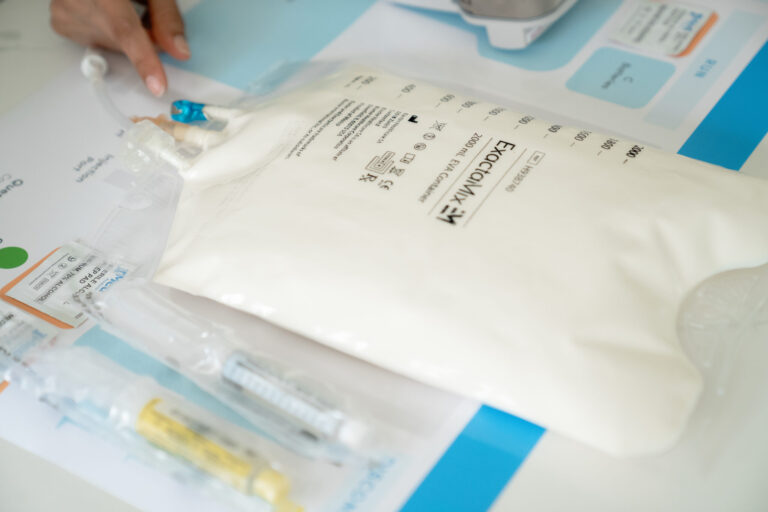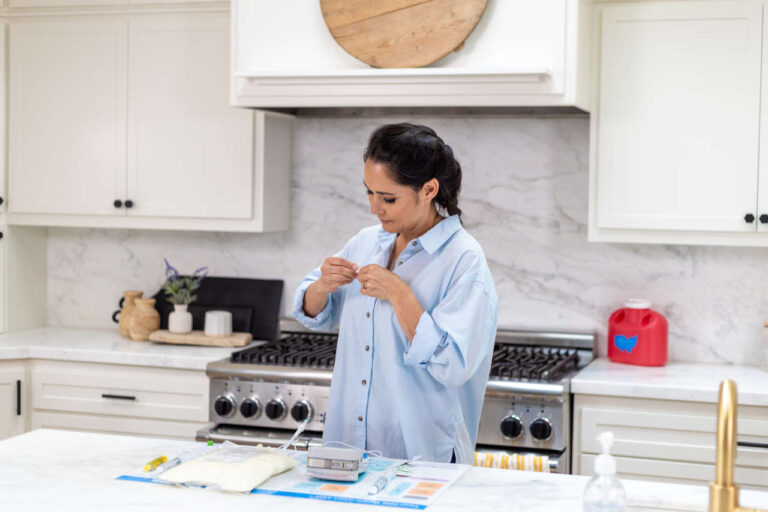



If you or your loved one is receiving home infusion therapy like total parenteral nutrition (TPN), following strict hand hygiene and proper care steps is the best way to protect yourself from infections.
Ask About TPN Home Infusion
Although TPN is a life-saving treatment for individuals who cannot ingest food orally or enterally, it also carries a significant risk when a central venous access device (CVAD) or central line is used. This device not only provides direct access for delivering essential nutrition to your body, but it also creates a direct pathway for germs to enter your bloodstream.
Central-line-associated bloodstream infections, or CLABSIs, are one of the common and severe complications that cause thousands of deaths in the United States every year. Fortunately, most of the CLABSI cases are preventable if careful daily practices are followed.
This article is designed to give both new and current TPN patients a practical, step-by-step guide to central line care. By following these practices, you can keep your line safe, reduce complications, and ensure that your treatment is effective.
What Is a Central Venous Access Device (CVAD)?
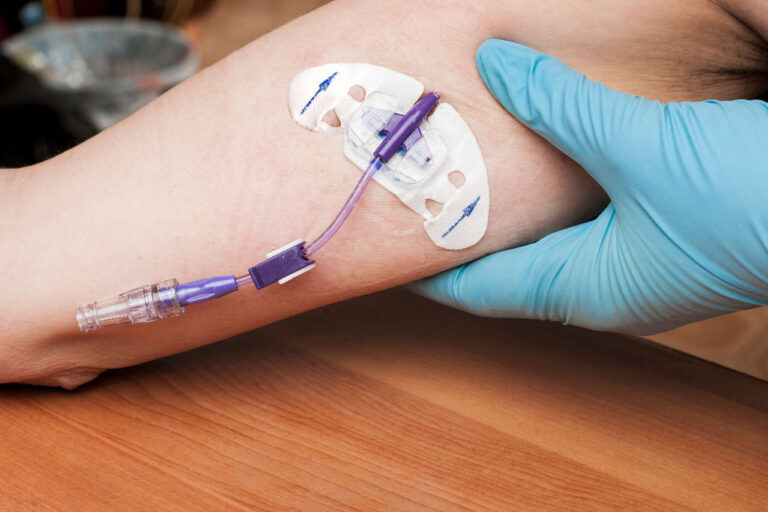
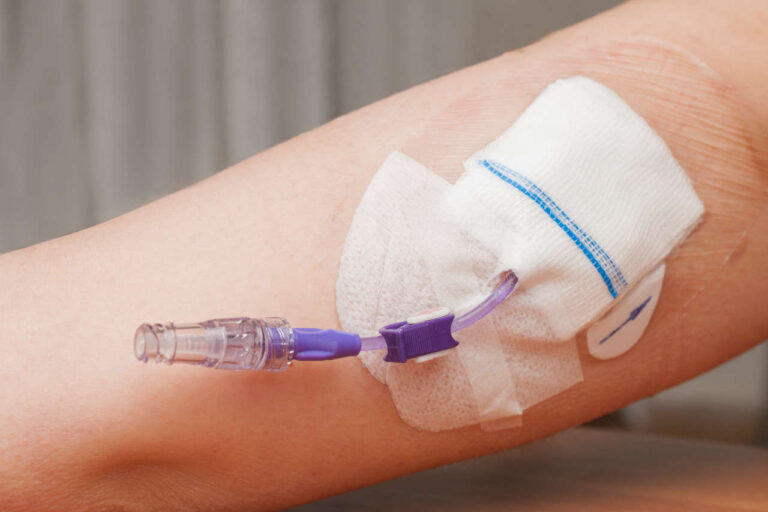
A central venous access device (CVAD) or central venous catheter (CVC), often described by healthcare professionals as a “central line,” is a thin, flexible tube that is placed into a large vein, typically in the chest, neck, or arm.
Unlike short, temporary IV catheters, which are inserted in the hand, arm, or foot for venous access, central lines access a major vein and can remain in place for months or even years.
A central line serves as a long-term access point for:
- Delivering TPN (nutrition through the vein)
- Giving medications or fluids
- Drawing blood samples
- Receiving blood transfusions
Types of Central Venous Access Devices (CVAD) or Central Lines
There are four general categories of CVADs, which include:
- PICC lines (peripherally inserted central catheters): Inserted through a vein in the arm.
- Tunneled catheters (Hickman, Broviac): Surgically placed under the skin, often in the chest.
- Non-tunneled catheters: Typically for short-term use and are placed directly into a large vein.
- Implanted ports (port-a-cath): Small device placed under the skin, accessed with a special needle. This type is not visible like other catheters and does not require as much daily care as a PICC line or tunneled catheter might.
Why Proper Central Line Care Matters
Consistent, careful central line care helps you:
- Prevent infections that can be life-threatening
- Keep your line working properly, so nutrition and medication flow smoothly
- Avoid complications, like clots, leaks, or accidental dislodgement
- Extend the life of your CVADs
- Stay out of the hospital and continue your treatment safely at home
However, without proper care, the line may become infected, blocked, or even dislodged, and your risk of developing CLABSI may also increase.
Speak to a Specialist
About Copay AssistanceCentral Line-Associated Bloodstream Infection (CLABSI) Basics
Central Line-Associated Bloodstream Infection (CLABSI) is a severe infection. It occurs when bacteria or other germs, like fungi or viruses, enter the bloodstream through your central line.
Why It Matters
- Infections can spread quickly and increase the risk of mortality by 2.27-fold.
- Infections can add up to 3 extra weeks to a hospital stay.
- Infections can delay your TPN treatment and cause serious setbacks for your health.
Warning Signs of CLABSI
People with CLABSI may experience:
- Fever and chills
- Redness, swelling, pain, or drainage around the insertion site
- A sluggish or blocked line
- Confusion, dizziness, or feeling faint
If you notice any of these, call your healthcare provider right away. In an emergency, dial 911.
6 Essential Daily Steps for Central Line Care and Preventing Infection

1. Practice Strict Hand Hygiene
- Always wash your hands with soap and water for at least 20 seconds before and after touching your line.
- If soap and water are unavailable, use alcohol-based hand sanitizer.
2. Protect Your Line From Water
- Never submerge your line in water (avoid baths, hot tubs, or swimming).
- Cover your line with a waterproof dressing before showering.
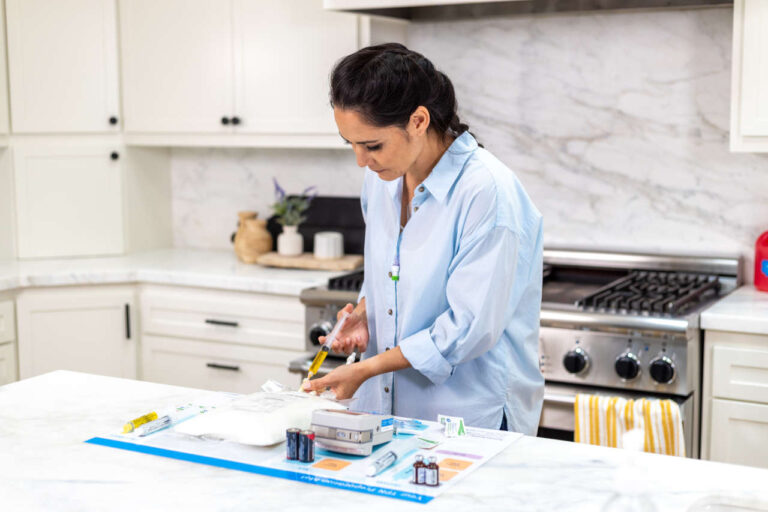
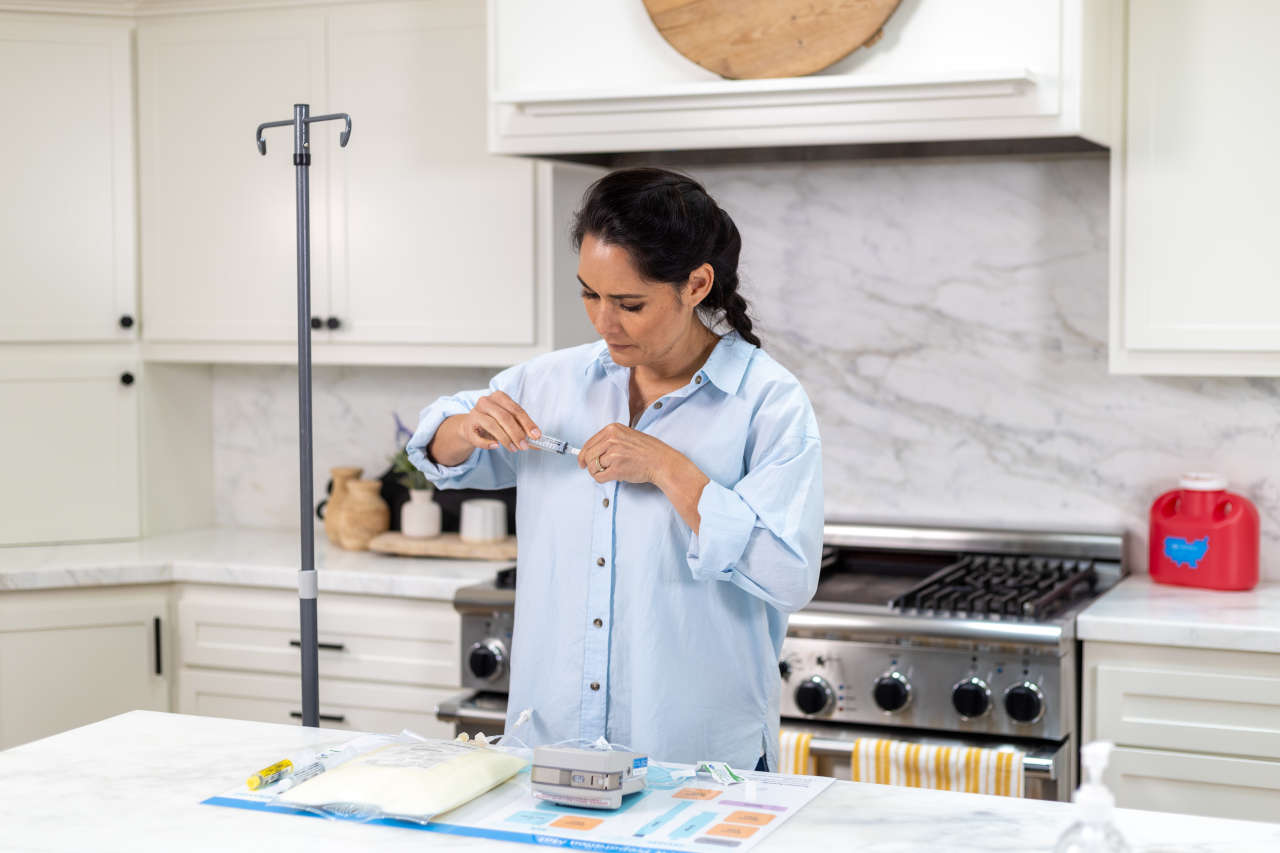
- Keep your supplies in a clean, designated space at home.
3. Check the Site Daily
Look for early warning signs:
- Redness, swelling, warmth, or pain around the site
- Drainage or leaking fluid
- Fever or chills
Report changes promptly to your healthcare provider.
4. Flush Your Line Properly
Flushing keeps the catheter open and prevents sluggish or clogged lines.
- Use the technique your nurse taught you, with sterile saline or heparin as instructed.
- Scrub the hub for at least 15 seconds with an alcohol wipe before each flush.
- Always use a new syringe for each flush.
- Flush at the times prescribed (often once daily or before and after each use).
- Use a slow push-pause method; never force a flush.
Get Financial Assistance for TPN
5. Change the Dressing on Schedule
The dressing protects the insertion site from infection.
- Your nurse will change your dressing every 7 days, or sooner if it becomes loose, wet, dirty, or bloody.
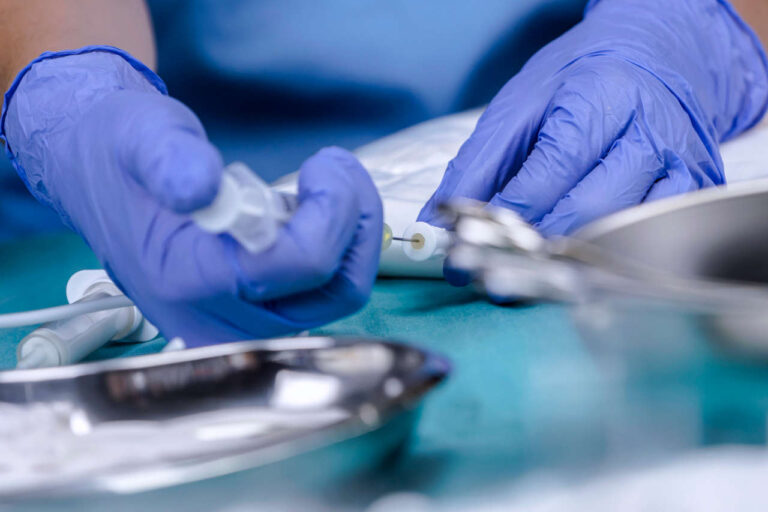
- The infusion pharmacy will provide special dressing change kits for the nurse to use.
- If your dressing falls off, place clean gauze over the site, tape it in place, and call your healthcare provider right away.
6. Follow Safe Tubing Practices
- Always disinfect the IV hub by scrubbing with an alcohol wipe for at least 15 seconds and letting it air-dry before connecting anything.
- Use new tubing with each new TPN or hydration bag.
- Protect tubing connections from water and dirt.
Activity and Lifestyle Guidelines
Living with a central line requires some adjustments, but you can still enjoy life safely.
- Avoid heavy lifting or activities that could pull on your line.
- Wear loose clothing to prevent irritation or tugging.
- Never use scissors near your line, as accidental cuts can damage the catheter.
- Do not touch the catheter tip; it must stay sterile.
- Keep emergency contact information handy at all times.
When To Call Your Healthcare Provider
Seek immediate help if you experience:
- Fever (100.4°F / 38°C or higher)
- Redness, swelling, pain, or discharge at the site
- Difficulty flushing or infusing TPN
- A cracked, leaking, or dislodged line
- Sudden dizziness, shortness of breath, or chest pain
It’s always better to ask than risk complications. Keep your care team’s number, emergency contacts, and after-hours information handy at all times.
Preventing Complications Beyond Infection
Though infection prevention is the main priority, central line care also involves avoiding mechanical problems like:
- Clotting: Inadequate flushing can cause clots inside the line.
- Breakage or leakage: Rough handling or use of sharp objects nearby may damage the catheter.
- Dislodgment: Accidental pulling or tugging can move the line out of place.
If any of these occur, stop using the line and contact your care team right away.
REFERENCES:
- Haddadin, Y., Annamaraju, P., & Regunath, H. (2022, November 26). Central Line–Associated bloodstream infections. StatPearls – NCBI Bookshelf. https://www.ncbi.nlm.nih.gov/books/NBK430891/
- Ball, M., & Singh, A. (2023, July 31). Care of a central line. StatPearls – NCBI Bookshelf. https://www.ncbi.nlm.nih.gov/books/NBK564398/
- Buetti, N., Marschall, J., Drees, M., Fakih, M. G., Hadaway, L., Maragakis, L. L., Monsees, E., Novosad, S., Rupp, M. E., Wolf, J., Yokoe, D., & Mermel, L. A. (2022). Strategies to prevent central line-associated bloodstream infections in acute-care hospitals: 2022 Update. Infection Control and Hospital Epidemiology, 43(5), 553. https://doi.org/10.1017/ice.2022.87
- Jarding, E. K., & Flynn Makic, M. B. (2021). Central Line Care and Management: Adopting Evidence-Based Nursing Interventions. Journal of PeriAnesthesia Nursing, 36(4), 328-333. https://doi.org/10.1016/j.jopan.2020.10.010