



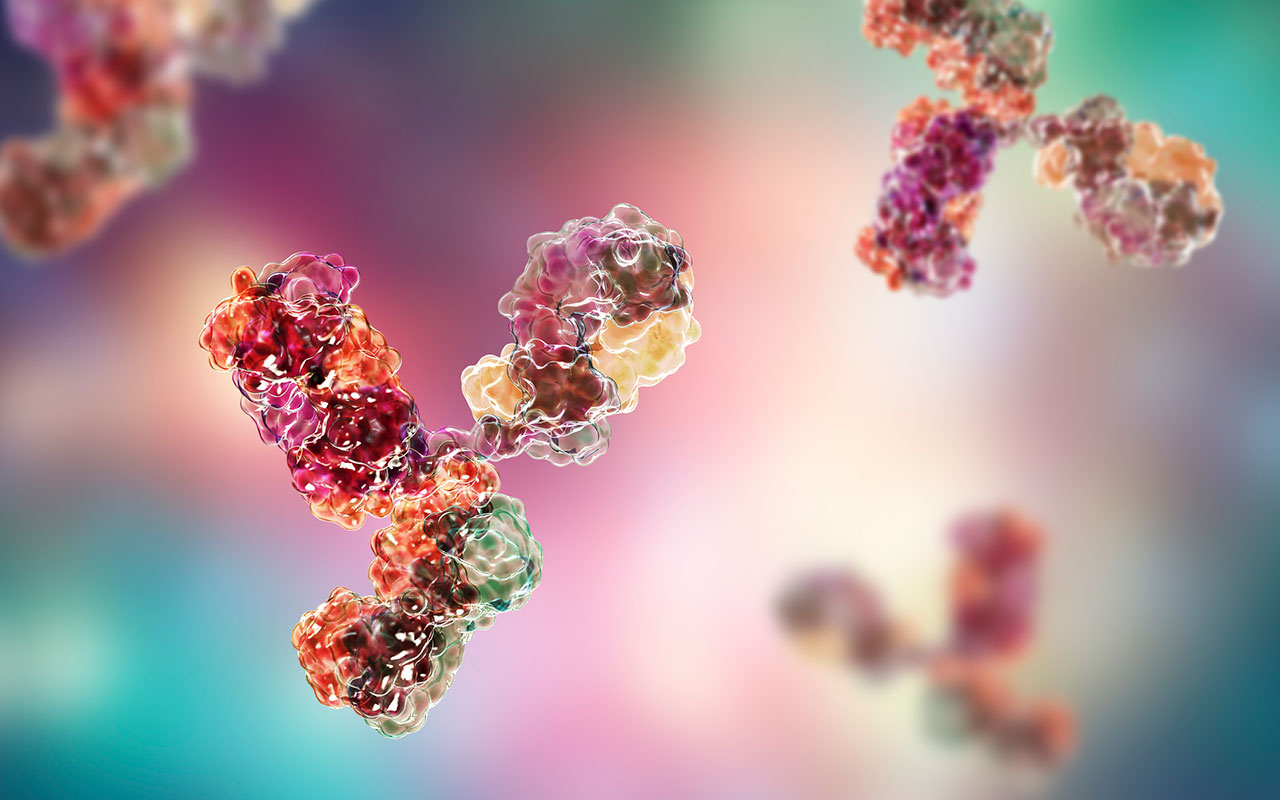
What Is Immunoglobulin A?
Immunoglobulin A is also known as IgA, which is an antibody found in our blood. Antibodies are substances created by the immune system that recognizes and fights off infectious agents. IgA is a type of antibody that helps fight infections in the gastrointestinal tract, respiratory tract, mucus membrane, and blood. There are five different types of antibodies our body creates, which are IgE, IgA, IgD, IgG, and IgM. Each antibody has a different function within our bodies.
Get IVIG Prior Authorization
IgA antibodies are mainly located in the linings of the mucus membrane, gastrointestinal tract, and respiratory tract. They are also found in saliva, tears, and breast milk. IgA is the first line of defense against foreign substances that your body encounters. It neutralizes bacterial toxins and viruses both intracellularly and extracellularly by preventing viral and bacterial adhesion to epithelial cells. IgA antibodies work to protect the body and fight infections in the areas of the body where they are found.
There are two types of IgA in our bodies:
- IgA1, found in serum
- IgA2, also known as secretory IgA, found in mucus secretions
What Is IgA Deficiency?
Apart from IgA, there are other antibodies responsible for protecting us against infections, such as the IgG and IgM antibodies. IgA deficiency (also known as selective IgA deficiency) is when a person has low or nonexistent levels of IgA in their blood. It is considered a primary immunodeficiency. Selective IgA deficiency is the most common primary immunodeficiency, and many individuals remain asymptomatic throughout their lives.
Most patients suffering from immunoglobulin A deficiency have normal levels of other immunoglobulins that protect them from infections and help them stay healthy. This is why IgA deficiency is not always serious, and in most patients, it only causes minor gastrointestinal or respiratory infections.
Who Can Get IgA Deficiency?
Several different factors can contribute to low IgA levels in the blood, including:
Health Conditions:
Certain conditions may temporarily lower IgA levels in saliva; however, selective IgA deficiency is typically a primary (often genetic) immunodeficiency rather than a result of lifestyle factors.
Autoimmune diseases (when your immune system attacks its own tissues and organs) may also decrease IgA levels. Autoimmune diseases that may decrease IgA levels include:
- Rheumatoid arthritis
- Inflammatory bowel disease
- Lupus
- Celiac disease
Inheritance:
Hereditary factors also play a role in causing low IgA levels. Although rare, those with a family history of IgA deficiency are more likely to develop low IgA levels.
Medications:
Some medications also lead to low IgA levels, including:
- Thyroxine
- Sulfasalazine
- Phenytoin
- Valproic acid
- Cyclosporin
- D-Penicillamine
- Captopril
- Chemotherapy drugs
Get IVIG Copay Assistance
Speak to a SpecialistIgA Deficiency Effects
Most individuals with selective IgA deficiency experience mild or no symptoms. However, some may develop complications, including severe allergic reactions (anaphylaxis), particularly in response to blood products containing IgA.
For example, people with selective IgA deficiency may frequently suffer from infections of the respiratory system, gastrointestinal tract, and lungs. This is because IgA is mainly located in the blood and the mucus secretions of these organs and the lack of IgA in these areas increases the risk of infection as there are little to no antibodies to fight off infections.
Common gastrointestinal infections associated with immunoglobulin A deficiency can include:
- Giardiasis (a diarrheal disorder)
- Inflammatory bowel disease (chronic inflammation in the gastrointestinal tract)
- Nodular lymphoid hyperplasia (presence of small nodules on the stomach, large intestine, or rectum)
- Celiac disease (a digestive and autoimmune disorder that causes an immune reaction in the small intestine from eating gluten)
Patients with immunoglobulin A deficiency may also experience autoimmune disorders and allergic reactions.
Signs and Symptoms
The primary clinical feature of immunoglobulin A deficiency is an increased susceptibility to recurrent infections, particularly affecting the respiratory and gastrointestinal tracts. More commonly, IgA deficiency may often be asymptomatic (no apparent signs or symptoms). If symptoms are present, they may vary from patient to patient, for example:
- Some patients experience no illness and appear healthy.
- Some patients encounter slight to moderate infections.
- Some patients may become more prone to allergic reactions or asthma from immunoglobulin A deficiency.
- Some patients encounter frequent infections and may need long-term antibiotic treatment.
- Some patients with severe recurrent infections and additional antibody deficiencies (such as IgG subclass deficiency) may require immunoglobulin replacement therapy (IVIG). However, IVIG does not replace IgA specifically and is not routinely used for isolated selective IgA deficiency.
Symptoms of IgA Deficiency can include:
- Fatigue or unusual tiredness (the most common and frequent symptom)
- Susceptibility to infections
- Pneumonia and respiratory infections
- Gastrointestinal inflammation
- Bacterial infections
- Conjunctivitis
- Chronic diarrhea
- Mouth infection
- Bronchitis
- Otitis media
- Allergies
- Asthma
Get Your IVIG Dose
At-Home InfusionDiagnosis
The diagnosis of IgA deficiency is mainly made by evaluating frequent and recurring infections or symptoms associated with immunoglobulin A deficiency.
Blood tests are also available to diagnose selective IgA deficiency. Selective IgA deficiency is diagnosed when serum IgA levels are significantly reduced (typically <7 mg/dL) in individuals over 4 years of age, while levels of IgG and IgM remain normal.
Some patients with selective IgA deficiency may have slightly lower levels of other antibodies in their blood, but the condition may vary from patient to patient.
Complications
Complications from immunoglobulin A deficiency occur when the problems associated with this condition become severe and life-threatening.
IgA deficiency may lead to asthma and allergies. An anaphylactic reaction (severe allergic reaction) is the most common complication. People with IgA deficiency may develop sensitivity to blood products, and this can increase the chances of an anaphylactic reaction.
Severe complications that can require immediate medical attention include:
- Anaphylactic reactions on receiving blood products like IVIG (intravenous immunoglobulin)
- Autoimmune disorders like rheumatoid arthritis, celiac disease, systemic lupus erythematosus, or inflammatory bowel disease
- Severe otitis media (ear infection)
- Malabsorption syndrome
- Growth retardation
- Chronic diarrhea
- Bronchiectasis
Home Infusion
We Come To YouTreatment Options
There is no permanent cure for IgA deficiency; however, treatment focuses on preventing and managing infections, monitoring for autoimmune conditions, and supporting overall immune health. Symptoms and conditions may vary from patient to patient, so the treatment plan may differ accordingly.
Patients with immunoglobulin A deficiency encountering frequent infections may need to use antibiotics. Those who constantly suffer from chronic bronchitis or sinusitis may need to stay on long-term preventative antibiotic treatment. In rare cases where selective IgA deficiency is associated with additional immunoglobulin deficiencies or severe recurrent infections, immunoglobulin replacement therapy (IVIG) may be considered. However, IVIG does not replace IgA specifically and is not routinely recommended for isolated IgA deficiency.
Treatment focuses on preventing infections, managing complications, and monitoring for associated autoimmune or allergic conditions.
General strategies to support immune health include:
Dietary Modifications:
Vitamin A plays an important role in maintaining mucosal immune function. Adequate intake through a balanced diet may help support normal immune defenses, although it does not correct selective IgA deficiency.
Maintaining a healthy body weight through balanced nutrition and regular physical activity supports overall immune health. However, there is no established dietary intervention that reliably increases IgA levels in individuals with selective IgA deficiency.
Lifestyle Changes:
Chronic stress may negatively impact immune function in general. Managing stress can support overall health, although it does not reverse genetic IgA deficiency.
Smoking cessation is strongly recommended, as tobacco use impairs respiratory immune defenses and increases susceptibility to infections.
Prognosis
The life expectancy and prognosis of immunoglobulin A deficiency may rely upon the individual’s immunodeficiency, its type, and severity. Those who get many severe infections will have a worse outlook than those who don’t get as many infections. The prognosis for selective IgA deficiency is generally favorable, especially in individuals who experience mild or infrequent infections. Management with appropriate antibiotic treatment and monitoring for complications significantly improves quality of life.
REFERENCES:
- Selective IgA Deficiency Symptoms, Diagnosis & Treatment | AAAAI. Aaaai.org. https://www.aaaai.org/Conditions-Treatments/primary-immunodeficiency-disease/selective-iga-deficiency. Published 2022. Accessed March 18, 2022.
- Immunoglobulin A Deficiency. Hopkinsmedicine.org. https://www.hopkinsmedicine.org/health/conditions-and-diseases/immunoglobulin-a-deficiency#:~:text=Having%20an%20IgA%20deficiency%20means,part%20in%20asthma%20and%20allergies. Published 2022. Accessed March 18, 2022.
- Selective IgA deficiency – Symptoms and causes. Mayo Clinic. https://www.mayoclinic.org/diseases-conditions/selective-iga-deficiency/symptoms-causes/syc-20362236. Published 2022. Accessed March 18, 2022.
- Selective IgA Deficiency | Immune Deficiency Foundation. Primaryimmune.org. https://primaryimmune.org/about-primary-immunodeficiencies/specific-disease-types/selective-iga-deficiency. Published 2022. Accessed March 18, 2022.