



One of the most severe forms of trauma that you can experience is major burns. Beyond the visible damage to skin and tissues, major burns can deeply disrupt your immune system, causing secondary immunosuppression. As a result, you become more vulnerable to serious infections, sepsis, and multiple organ failure [1]. In fact, infections are one of the leading causes of death in major burn patients.
Do You Qualify for $0 Copay?
Talk to a Specialist to Find OutFortunately, over the years, burn care has improved a lot. Advances in surgical techniques, intensive care, and infection control have improved survival rates. Besides these advancements, intravenous immunoglobulin (IVIG) has emerged as an effective supportive therapy for managing burn-related immunosuppression. In this article, we’ll explore everything you need to know about IVIG for major burn-associated secondary immunosuppression.
Major Burns Associated Secondary Immunosuppression: Overview
In normal conditions, your skin acts as a physical barrier against bacteria, viruses, and fungi. In major burns (burns covering more than 20-30% of total body surface area), this barrier is severely compromised.
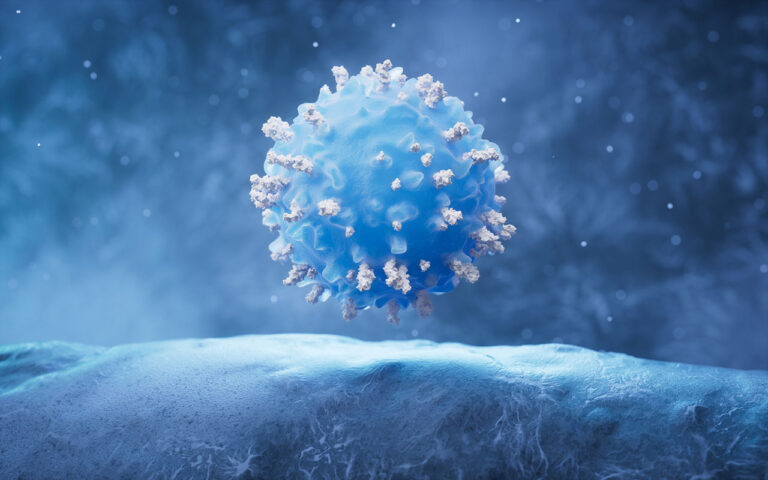
Besides this, just immediately after a burn, your body enters a strong inflammatory state. In this state, your body releases massive amounts of stress hormones and inflammatory substances. Although this response is initially protective, it does not last. Soon, your immune system becomes overwhelmed and overstimulated. As a result, immune cells such as T lymphocytes, B cells, and neutrophils either stop working properly or decrease in number [2].
This immune dysfunction is known as secondary immunosuppression. Patients in this state are at a much higher risk of developing infections. Their wound may also heal more slowly, and in severe cases, this can lead to life-threatening infections such as sepsis.
Signs and Symptoms of Burn-Related Immunosuppression
In major burn patients, secondary immunosuppression is not always apparent. However, the following warning signs may indicate its presence [1][2]:
- Frequent or persistent wound infections
- Frequent episodes of pneumonia or bloodstream infections
- Delayed wound healing
- Sepsis
- Prolonged hospital or ICU stay
- Increased need for antibiotics
Infections remain one of the leading causes of death in major burn patients. That’s why early immune support is very important.
Treatment Options for Major Burns Associated Secondary Immunosuppression
There is no single cure for major burn-related immunosuppression. The current standard of treatment focuses on infection prevention, treatment, and supportive care. Here are some of the standard treatment options [3][4]:
Early Wound Excision and Skin Grafting: Your doctor will promptly remove damaged tissues and perform skin grafting to reduce bacterial growth and lower the risk of infections.
Broad-Spectrum Antibiotics: Doctors use antibiotics to treat or prevent infections.
Nutritional Support: Diets rich in protein, vitamins, and micronutrients will support your immune function and promote wound healing.
Strict Infection Control Measures: Special infection control practices (sterile wound care, isolation when needed, etc.) in the burn unit help minimize infection risks.
Despite these standard measures, many patients still develop immune dysfunction. In such cases, intravenous immunoglobulin (IVIG) serves as an important supportive therapy.
Get IVIG Copay Assistance
How Does IVIG Help Patients With Major Burns Associated Secondary Immunosuppression?
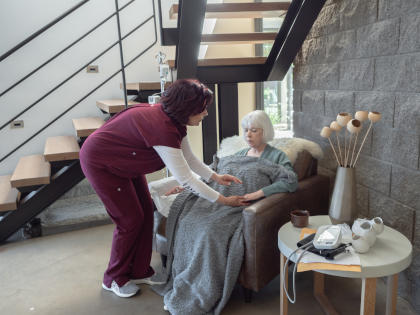
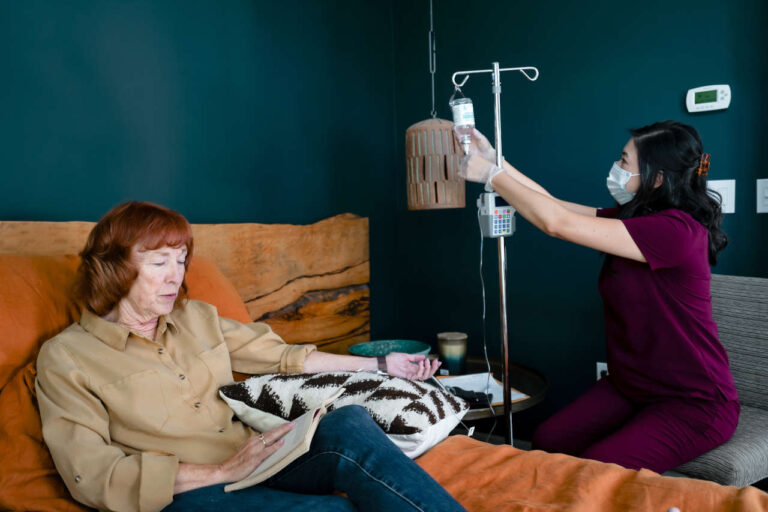
Intravenous immunoglobulin (IVIG) is a purified blood product that contains antibodies from thousands of healthy plasma donors. When given intravenously, it provides passive immune support. In major burn patients with immune dysfunction, IVIG can support the immune system in several ways:
It Restores Antibody Levels: Major burns can reduce antibody levels and weaken antibody function. IVIG provides ready-made antibodies that help neutralize bacteria and toxins [5].
It Reduces Infection Rates: Burn patients are highly vulnerable to serious infections such as sepsis. Studies suggest that IVIG can reduce the frequency and severity of infections by strengthening your immune system [6].
It Modulates Excessive Inflammation: Burn injuries trigger uncontrolled inflammatory cytokine release. IVIG helps regulate this response by reducing harmful inflammation [7].
It Improves Immune Cell Functions: IVIG enhances the function of key immune cells, such as neutrophils and macrophages [5].
It May Reduce Sepsis-Related Mortality: Some evidence suggests that IVIG may lower death rates in major burn patients by decreasing infection-related complications [6].
Overall, IVIG is not a replacement for standard burn treatment. But doctors can use it as part of a comprehensive treatment plan to significantly strengthen immune defense in patients with major burn-related secondary immunosuppression.
Effectiveness of IVIG for Major Burns Associated Secondary Immunosuppression: What Studies Say
In recent years, many studies have been conducted on IVIG use in burn-related immunosuppression. However, the overall results remain mixed. Most of the evidence came from small clinical trials and observational studies rather than large, well-controlled trials.
Many studies have shown the benefits of using IVIG in patients with major burns. For example, one study concluded that patients treated with IVIG in addition to antibiotic therapy had a significantly lower risk of death due to infections [12]. Similarly, another study suggested that IVIG can reduce infection rates in burn patients [9]. A severe complication of major burn is sepsis. It is a life-threatening infection. According to a study, IVIG is an effective adjunct therapy in treating sepsis [8].
In addition to reducing infections, IVIG may help correct underlying immune deficiencies caused by major burns. Severe burns typically cause a rapid reduction in immunoglobulin (IgG) levels. A study suggested that IVIG administration can correct low IgG levels [11]. Also, some non-burn specific studies showed that IVIG can improve immune functions, such as enhancing neutrophil activity and balancing harmful inflammatory cytokines [7][10].
However, not all studies showed clear benefits. Some research found no significant difference in infection rates or mortality between patients who received IVIG and those who did not [11][13].
In summary, IVIG is not a universally effective treatment for all burn patients. However, the available evidence suggests it may be especially helpful in severely burned patients with frequent infections or signs of immune failure.
Consult an IVIG Specialist
Who Should Take IVIG for Major Burns Associated Secondary Immunosuppression?
IVIG is not suited for every burn patient. Your doctor will consider IVIG if you:
- Have extensive burns and experience repeated infections
- Had a history of low immunoglobulin levels
- Have sepsis that does not respond to standard therapy
- Show evidence of immune dysfunction
Risks and Limitations
While IVIG is generally safe, it is not without drawbacks. It can cause some side effects. Here are some of them [14]:
- Headache
- Nausea and vomiting
- Chest and back pain
- Fever
- Muscle pain
- Allergic or infusion-related reactions
In addition to side effects, IVIG has some limitations when used for major burn-related immune suppression. Here are some of them:
- It is not a replacement for antibiotics
- Benefits may vary between patients
- Limited high-quality evidence in the burn population
The Bottom Line
Severe burns can weaken your immune system and cause life-threatening infections. IVIG may help some patients by supporting immune functions, but it is not recommended for all burn cases. When used carefully, IVIG can be a valuable addition to standard burn care.
REFERENCES:
- Jeschke, M. G., Mlcak, R. P., Finnerty, C. C., Norbury, W. B., Gauglitz, G. G., Kulp, G. A., & Herndon, D. N. (2007). Burn size determines the inflammatory and hypermetabolic response. Critical Care, 11(4), R90. https://doi.org/10.1186/cc6102
- Korkmaz, H. I., Flokstra, G., Waasdorp, M., Pijpe, A., Papendorp, S. G., De Jong, E., Rustemeyer, T., Gibbs, S., & Van Zuijlen, P. P. M. (2023). The complexity of the Post-Burn immune Response: An overview of the associated local and systemic complications. Cells, 12(3), 345. https://doi.org/10.3390/cells12030345
- Church, D., Elsayed, S., Reid, O., Winston, B., & Lindsay, R. (2006). Burn wound infections. Clinical Microbiology Reviews, 19(2), 403–434. https://doi.org/10.1128/cmr.19.2.403-434.2006
- Emergency care of moderate and severe thermal burns in adults – UpToDate. (n.d.). UpToDate. https://www.uptodate.com/contents/emergency-care-of-moderate-and-severe-thermal-burns-in-adults?utm_source=copilot.com
- Kazatchkine, M. D., & Kaveri, S. V. (2001). Immunomodulation of Autoimmune and Inflammatory Diseases with Intravenous Immune Globulin. New England Journal of Medicine, 345(10), 747–755. https://doi.org/10.1056/nejmra993360
- Lyons, J. M., Davis, C., Rieman, M. T., Kopcha, R., Phan, H., Greenhalgh, D., Palmieri, T., & Kagan, R. (2006). Prophylactic intravenous immune globulin and polymixin B decrease the incidence of septic episodes and hospital length of stay in severely burned children. Journal of Burn Care & Research, 27(6), 813–818. https://doi.org/10.1097/01.bcr.0000245421.54312.36
- IV immunuglobulin. (n.d.). https://rheumatology.org.au/For-Patients/Adult-Medication-Information/H-M/IV-Immunuglobulin?utm_source=copilot.com
- Jarczak, D., Kluge, S., & Nierhaus, A. (2020). Use of Intravenous immunoglobulins in Sepsis Therapy—A Clinical View. International Journal of Molecular Sciences, 21(15), 5543. https://doi.org/10.3390/ijms21155543
- Stuttmann, R., Hartert, M., & Petrovici, V. (1987). Prophylaxe mit einem Pseudomonas-Immunglobulin bei Brandverletzten. Infection, 15(1), 80–84. https://doi.org/10.1007/bf01646129
- Jang, J., Hidalgo, A., & Frenette, P. S. (2012). Intravenous immunoglobulins modulate neutrophil activation and vascular injury through FCΓRIII and SHP-1. Circulation Research, 110(8), 1057–1066. https://doi.org/10.1161/circresaha.112.266411
- Waymack, J., Jenkins, M. E., Alexander, J., Warden, G., Miller, A. C., Carey, M., Ogle, C. K., & Kopcha, R. (1989). A prospective trial of prophylactic intravenous immune globulin for the prevention of infections in severely burned patients. Burns, 15(2), 71–76. https://doi.org/10.1016/0305-4179(89)90132-0
- INTRAVENOUS IMMUNOGLOBULIN IN SEVERELY BURNED PATIENTS FIVE YEARS OF SUCCESSFUL EXPERIENCE. (n.d.). http://www.medbc.com/annals/review/vol_6/num_1/text/vol6n1p20.htm
- Munster, A. M. (1993). Clinical effects of immunoglobulin administration in patients with major burn injury. In Host Defense Dysfunction in Trauma, Shock and Sepsis (pp. 1187–1191). https://doi.org/10.1007/978-3-642-77405-8_153
- Professional, C. C. M. (2025, October 31). IVIG (Intravenous immunoglobulin). Cleveland Clinic. https://my.clevelandclinic.org/health/treatments/ivig-intravenous-immunoglobulin