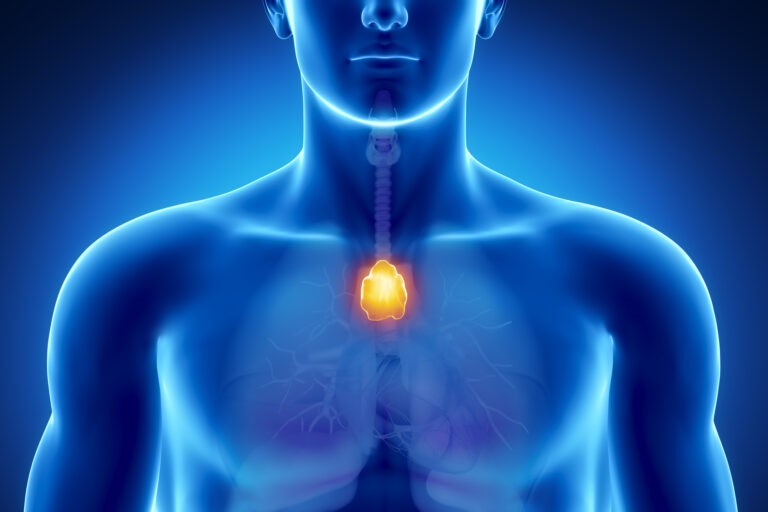




For many years, people living with miastenia gravis (MG) have avoided exercise or intense physical activity because they think that it could worsen síntomas or even trigger flare-ups.
Habla con un especialista
Acerca de la asistencia para copagosIt’s possible that exercise can make symptoms worse, but staying inactive with this fear isn’t the best approach either.
You need to move your body regularly. A sedentary lifestyle can lead to muscle deconditioning, in which your muscles weaken and lose strength over time. It also increases the risk of other health conditions (e.g., heart disease, osteoporosis, and obesity), which can affect your overall physical and mental well-being.
The latest investigación suggests that exercise can help maintain muscle function, improve physical fitness, and support overall quality of life in people with myasthenia gravis.
In this article, we’ve listed some suitable physical activities and shared practical tips that can help you stay active and healthy without worsening your symptoms.
Understanding Myasthenia Gravis (MG) and Muscle Function
Myasthenia gravis is a progressive autoimmune condition that affects the connection between your nerves and muscles, leading to severe weakness and fatigue. This chronic condition mainly affects the voluntary muscle functions involved in walking, lifting, chewing, and even breathing.
The symptoms of MG can get worse when an individual does repetitive movements. But symptoms often improve with rest. Because of this unique pattern, exercise often feels quite challenging for MG patients, as they experience greater fatigue and muscle weakness than the average person.
Myasthenia Gravis and Exercise: What Research Says
Recently, several studies and case reports have demonstrated that low-to-moderate exercise can be safe and effective for people with clinically stable myasthenia gravis. In fact, people with mild myasthenia gravis can stay active, just like anyone else, by following the WHO guideline of exercising at least 150 minutes per week.
A 2026 study reported that regular physical activity can reduce secondary muscle deconditioning, improve functional outcomes, and enhance quality of life in patients with myasthenia gravis.
De manera similar, una 2023 review of nine studies found that MG patients who participated in structured exercise programs experienced improvement in muscle strength, balance, and mobility.
Otro estudiar involving 159 patients with generalized myasthenia gravis disease reported improvements in muscle strength, functional capacity, and quality of life.
Various other studies have supported the beneficial effects of exercise in people with myasthenia gravis. However, large-scale studies are still needed to strengthen these findings.
Types of Exercises That Are Good for Myasthenia Gravis
Currently, there are no established guidelines for exercise intensity, duration, or loads for individuals with MG. But regular low-impact exercises can actually reduce fatigue in patients with MG.
Below is the list of exercises that are generally safe and may help you stay active and healthy.
Aerobic (Endurance) Exercise
Aerobic exercise, such as walking, gentle jogging, or light treadmill use, can help improve endurance, reduce fatigue, and support a better quality of life in patients with MG.
Por ejemplo, una ensayo controlado aleatorio of 40 patients with mild-to-moderate myasthenia gravis showed that regular 30-minute walks, in addition to standard MG treatment, significantly improved their quality of life.
Resistance (Strength) Training
Light resistance exercises, such as sit-to-stand or wall push-ups, can help maintain muscle tone and improve daily functional tasks like climbing stairs or lifting objects. For example, one small study of 11 patients with mild MG found that 8 weeks of resistance training led to a 10% increase in knee strength.
Respiratory (Breathing) Exercises

Since myasthenia gravis also affects breathing muscles, it is important to focus on respiratory exercises to improve pulmonary function and inspiratory muscle strength.
Balance and Coordination Training
Individuals with MG can experience balance and coordination problems, which often increase the risk of falls. To avoid this, you can focus on standing-balance exercises or on Tai Chi to improve balance and coordination.
Obtenga asistencia financiera
Flexibility and Stretching Exercises
Stretching exercises, such as gentle full-body stretching, yoga-based stretching, or range-of-motion exercises, can help maintain joint mobility and reduce stiffness, making daily movements easier.
Always consult a physical therapist before starting any exercise, as they can help you in planning a physical activity routine based on your functional capacity and MG state.
Key Benefits of Exercise for People with Myasthenia Gravis
Current research indicates that consistent physical activity can offer several important benefits for people with mild-to-moderate MG. For instance, it can:
- Improve fuerza muscular and endurance needed for daily activities.
- Give you better balance and mobility.
- Improve breathing patterns and respiratory muscle strength.
- Improve mental health, which may, in turn, reduce depression-associated fatigue.
- Help prevent weight gain and muscle wasting from standard MG treatments such as immunosuppressive medications.
- Enhance independence and quality of life.
- Promote faster recovery in people who undergo surgery to remove the thymus gland, called timectomía.
- Reduce the risk of secondary chronic conditions such as muscle deconditioning, osteoporosis, and heart disease.
Practical Tips for Staying Active and Healthy With Myasthenia Gravis
Here are some practical tips for exercising safely while living with myasthenia gravis:
1. Start Slow and Build Gradually
If you’re new to exercise, start with light activities like 5–10 minutes of short walks, either outside or on a treadmill, and gradually increase the duration and intensity.
2. Find a Friend
If possible, you can plan an exercise session with your friend, as they can help you in emergencies, such as a crisis miasténica that requires immediate medical attention.
3. Listen to Your Body
The symptoms of MG can fluctuate daily. Pay close attention to your body signals. Do not work out beyond your body’s limits. If you feel increased weakness, dizziness, or excessive fatigue, you should stop activity immediately.
4. Plan Rest Breaks
Always take short breaks between workouts to prevent overexertion. You can talk with your physical therapist or exercise physiologist to learn how often you should take breaks during physical activity.
5. Exercise at the Right Time of Day
Choose the right time of exercise when your energy levels are high. You can exercise in the morning, as most MG people feel strongest at that time.
Also, always exercise in a cool environment and stay hydrated during the activity.
6. Stay Consistent
Always do regular, gentle activity, as it is more beneficial than occasional intense workouts.
7. Work With Professionals
A doctor or physical therapist can help you develop an individualized plan that you can follow to perform new activities safely.
Hable con un especialista en asistencia para copagos
Conclusión clave
In the beginning, you may find exercise a bit challenging due to weakness, fatigue, or other symptoms. But as you stay consistent, you’ll start to see improvements in your overall physical and mental well-being.
It’s important to always follow the exercise plan designed by your doctor, physical therapist, or exercise physiologist to stay safe and active.
REFERENCIAS:
- Glaubitz, S., Meyer, S., Loris, J., Zeng, R., Kummer, K., Garfias-Veitl, T., Seraji, A., Hassoun, L., Rohleder, D., Hunger, I., & Zschüntzsch, J. (2025). Physical activity and its effects in myasthenia gravis: A patient-reported study on habits and impact. BMC Neurology, 26, 38. https://doi.org/10.1186/s12883-025-04590-x
- Vinciguerra, C., Leale, I., Rini, N., Orlando, F. T., Bevilacqua, L., Barone, P., Brighina, F., Di Stefano, V., & Battaglia, G. (2025). Physical Exercise in Myasthenia Gravis: A Systematic Review. Cuidado de la salud, 14(8), 1100. https://doi.org/10.3390/healthcare14081100
- Peng, S., Meng, L., Fang, R., Shen, Q., Tian, Y., Xiong, A., Li, S., Yang, Y., Chang, W., Ni, J., & Zhu, W. (2024). Current state of research on exercise for the treatment of myasthenia gravis: A scoping review. Complementary Therapies in Medicine, 81, 103033. https://doi.org/10.1016/j.ctim.2024.103033
- Westerberg, E., & Punga, A. R. (2020). Myasthenia Gravis and Physical Exercise: A Novel Paradigm. Fronteras en Neurología, 11, 553642. https://doi.org/10.3389/fneur.2020.00675
- Gilhus, N. E. (2020). Physical training and exercise in myasthenia gravis. Trastornos neuromusculares, 31(3), 169–173. https://doi.org/10.1016/j.nmd.2020.12.004
- Chen, S., Li, X., Wu, Y., Li, Y., Cao, P., Yin, Y., & Chen, Z. (2023). Preoperative respiratory muscle training combined with aerobic exercise improves respiratory vital capacity and daily life activity following surgical treatment for myasthenia gravis. Journal of Cardiothoracic Surgery, 18(1), 160. https://doi.org/10.1186/s13019-023-02283-5
- Misra, U. K., Kalita, J., Singh, V. K., Kapoor, A., Tripathi, A., & Mishra, P. (2021). Rest or 30-Min walk as exercise Intervention (RESTOREX) in myasthenia gravis: a randomized controlled trial. European Neurology, 84(3), 168–174. https://doi.org/10.1159/000513668
- Shi, J., Tan, Y., Huang, Y., Yan, J., & Guan, Y. (2025). Exercise and myasthenia gravis. Rare Disease and Orphan Drugs Journal, 4(2). https://doi.org/10.20517/rdodj.2024.42