




Sorafenib (pronounced [sor AF e nib]) is also known by the brand name, Nexavar. Sorafenib is available under the brand name Nexavar and as generic sorafenib. It is an antineoplastic (anti-cancer) medicine and a kinase inhibitor (a type of targeted therapy) that blocks multiple enzymes involved in tumor growth and tumor blood vessel formation. It is used to treat certain types of cancer, including liver, kidney, and thyroid cancers. Nexavar can slow cancer growth by blocking signals that help tumor cells grow and by reducing the growth of blood vessels that supply tumors.
Speak to a Chemo Specialist
Safe Handling
Sorafenib is considered a hazardous drug; avoid crushing/breaking tablets and minimize direct contact. Avoid contact during pregnancy or while nursing. If a tablet is damaged, follow your pharmacy’s handling instructions and consider wearing gloves.
How Is Nexavar Used?
Nexavar has been approved by the Food and Drug Administration (FDA) to treat different types of cancers, including hepatocellular, renal cell, and thyroid cancers. Your provider may prescribe Nexavar alone or with other cancer treatments, depending on your diagnosis and treatment plan. The recommended dose is 400 mg (two 200 mg tablets) taken twice daily without food (at least 1 hour before or 2 hours after a meal), unless your provider adjusts it. The dose should not be more or less than what is prescribed.
Available Formulations
Nexavar tablets are taken by mouth and are supplied as 200 mg oral tablets. The 200mg Nexavar brand-name tablets are round, biconvex, red, film-coated tablets debossed with the “Bayer cross” on one side and “200” on the other side. However, as there are several FDA-approved generic formulations available, the tablets may look different. Consult your healthcare provider or pharmacist with any questions you may have regarding the appearance of your tablets.
Directions for Use
Administer Nexavar on an empty stomach (at least 1 hour before or 2 hours after a meal). If you cannot swallow the tablets, do not crush or dissolve Nexavar unless your oncology team/pharmacist specifically instructs you to. Ask your pharmacist for the safest preparation method to reduce dosing errors and caregiver exposure.
Missed Dose
If you have accidentally missed a dose, skip the missed dose and go back to your regular schedule. Do not double dose. Do not take more than your prescribed dose of Nexavar each day.
Storage
Store tablets in a cool, dry place at room temperature and ensure the bottle is tightly closed.
What To Avoid While Taking Nexavar?
While taking Nexavar therapy, you must follow some precautions. Always tell your physician about any medications you are already taking. Do not take any drug or medicine (even herbals, vitamins, or over-the-counter medications) without prior consent from your physician or pharmacist. They may have some significant interactions with Nexavar.
Speak to a Specialist About Copay Assistance
Pregnancy and Nexavar
Pregnancy status must be checked prior to starting Nexavar therapy in women of childbearing age, and effective contraception must be used during treatment and for 6 months after the last dose. Males with female partners of reproductive potential should use effective contraception during treatment and for 3 months after the last dose. Nexavar may cause fetal harm and is therefore not recommended for women who are breastfeeding during therapy. Breastfeeding should also be avoided for at least 2 weeks after the last dose.
Side Effects
As with any other medication, you may encounter side effects while taking Nexavar. A few things to remember are:
- You may not have all the side effects listed below. Many people may experience little to no side effects.
- The severity of side effects may vary from person to person, so don’t compare your side effects with other people’s experiences.
- Most of the side effects will improve when therapy is discontinued.
- These side effects are easily manageable most of the time, either by readjusting the dose of Nexavar or using additional medications to treat the symptoms. Consult with your physician or pharmacist to explore available options.
- Do not hide any symptoms; if you feel any discomfort, do not hesitate to tell your physician or pharmacist about it.
Note: This is not a comprehensive list of all side effects. Talk to your doctor if you have questions.
Some of the more serious side effects of Nexavar are listed below:
Cardiac Complications
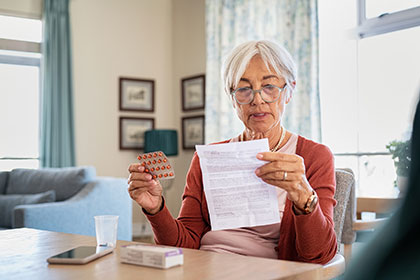
Nexavar may worsen any preexisting cardiac conditions and could potentially cause cardiac complications like high blood pressure, ventricular arrhythmias, heart attack, or heart failure. Blood pressure should be monitored during the first 6 weeks of treatment. If hypertension arises, it can be managed with antihypertensive therapy, and Nexavar interruption may be warranted.
Bleeding or GI Complications
Bleeding can vary from mild to serious. More serious hemorrhage can include GI bleeding, vomiting blood, bleeding from the brain, nose bleeds, or vaginal bleeding. GI complications like GI perforation, although rare, may occur with Nexavar use.
Hand-and-Foot Syndrome
Another side-effect of Nexavar is hand-and-foot syndrome. This syndrome may cause redness, swelling, skin rash, or pain, typically on the palms of the hands and the soles of the feet. More severe cases may be characterized by numbness, tingling, swelling, blistering, and peeling skin, resulting in fingerprint loss. If you experience any of these symptoms, inform your doctor or pharmacist immediately; a dose reduction may be required. This side effect typically appears within 6 weeks of treatment. To reduce hand-foot symptoms, minimize exposure to hot water, avoid constrictive footwear, and avoid excessive skin friction. It may also be advisable to wear thick cotton gloves or socks and shoes with padded insoles.
Get Chemotherapy Copay Assistance
Chemotherapy Financial AssistanceSkin Rash
On rare occasions, Nexavar may cause a serious skin reaction called Stevens-Johnson syndrome (SJS) or toxic epidermal necrolysis (TEN). These rashes may appear as red, swollen, hives; itching, blistered, or peeling skin (with or without fever); red or irritated eyes; or sores in the mouth, throat, nose, or eyes. Notify your physician or pharmacist immediately of any signs of a rash or allergic reaction, including wheezing; tightness in the chest or throat; trouble breathing, swallowing, or talking; unusual hoarseness; or swelling of the mouth, face, lips, tongue, or throat. Discontinuation of Nexavar should be warranted if SJS or TEN is suspected.
Impaired Wound Healing
Wound healing complications can be dangerous when undergoing surgery. It is recommended to withhold Nexavar for at least 10 days prior to elective surgery and avoid its use until at least 2 weeks after any surgery and until the wound is fully healed. Contact your physician immediately if you experience vomiting or coughing blood; vomit that looks like coffee grounds; blood in urine; black, red, or tarry stools; bleeding from the gums; abnormal vaginal bleeding; bruises without a reason or that get bigger; or any severe or persistent bleeding. These may be signs of impaired wound healing.
Thyroid Impairment
Nexavar may affect thyroid levels and can be managed with the use of thyroid replacement therapies as needed. Contact your physician immediately if you experience any abnormal changes in weight, anxiety, agitation, feelings of weakness, hair thinning, depression, neck swelling, trouble focusing, inability to handle heat or cold, menstrual changes, tremors, or sweating. These may be signs of thyroid complications.
Liver Complications
Nexavar may affect the liver and cause a condition called hepatitis (liver infection) in certain cases. This condition is identified with blood tests that are able to detect liver function. Contact your physician immediately if you experience liver problems like dark urine, fatigue, nausea, lack of appetite, abdominal pain, light-colored stools, vomiting, or yellow skin or eyes. These may be indications of liver complications.
Other common side effects may include:
- Constipation or diarrhea
- Abdominal pain or nausea
- Vomiting or upset stomach
- Fatigue
- Weight loss
- Muscle or joint pain
- Mouth irritation or mouth sores
- Change in taste
- Acne or dry skin
- Itching
- Hair loss
Consult a Chemotherapy Specialist
Get Chemotherapy Treatment AssistancePrecautions
Unless approved by your physician, Nexavar is generally not recommended in:
- Patients at risk of cardiovascular events. These events can include a history of heart disease, high blood pressure, high amounts of fat or cholesterol in the blood (dyslipidemia), a history of heart attack, stroke, or arrhythmias, etc. Nexavar is known for potentially increasing blood pressure, leading to an increased risk of cardiovascular events taking place. If any of these events occur, discontinuation or a decrease in dose may be warranted. Consult with your physician for further guidance.
- Patients with a history of serious GI perforation or hemorrhage. If GI perforation or hemorrhage occurs during treatment, it may be recommended to withhold or discontinue Nexavar.
FAQs
Is Nexavar a chemo agent?
Nexavar is a targeted cancer therapy (a kinase inhibitor). It works by blocking signals involved in tumor growth and tumor blood vessel formation.
How should Nexavar be taken?
Take Nexavar twice daily on an empty stomach (at least 1 hour before or 2 hours after a meal), unless your provider instructs otherwise. If you have trouble swallowing tablets, do not crush or dissolve them unless your oncology team/pharmacist gives you specific instructions.
Can you touch Nexavar?
Sorafenib is considered a hazardous drug, so avoid direct contact and do not crush or break the tablets. If you must handle them, consider wearing gloves or pour the tablet directly into your mouth without touching it.
REFERENCES:
- A. Bagri, H. Kouros-Mehr, K. G. Leong, and G. D. Plowman, “Use of anti-VEGF adjuvant therapy in cancer: challenges and rationale,” Trends Mol. Med., vol. 16, no. 3, pp. 122–132, 2010, doi: 10.1016/j.molmed.2010.01.004.
- L. Adnane, P. A. Trail, I. Taylor, and S. M. Wilhelm, “Sorafenib (BAY 43-9006, Nexavar®), a Dual-Action Inhibitor That Targets RAF/MEK/ERK Pathway in Tumor Cells and Tyrosine Kinases VEGFR/PDGFR in Tumor Vasculature,” Methods Enzymol., vol. 407, no. 05, pp. 597–612, 2006, doi: 10.1016/S0076-6879(05)07047-3.
- C. H. Takimoto and A. Awada, “Safety and anti-tumor activity of sorafenib (Nexavar®) in combination with other anti-cancer agents: A review of clinical trials,” Cancer Chemother. Pharmacol., vol. 61, no. 4, pp. 535–548, 2008, doi: 10.1007/s00280-007-0639-9.
- E. AbdElla and A. M. Abdelatif, “Cytological and Histological Studies on the Hepatotoxic Effects of Sorafenib (Nexavar) in Albino Rats,” Br. J. Med. Heal. Res., vol. 6, no. 3, pp. 57–73, 2019, doi: 10.46624/bjmhr.2019.v6.i03.007.
- R. C. Kane et al., “Sorafenib for the treatment of advanced renal cell carcinoma,” Clin. Cancer Res., vol. 12, no. 24, pp. 7271–7278, 2006, doi: 10.1158/1078-0432.CCR-06-1249.
- G. M. Keating, “Sorafenib: A Review in Hepatocellular Carcinoma,” Target. Oncol., vol. 12, no. 2, pp. 243–253, 2017, doi: 10.1007/s11523-017-0484-7.
- H. A. Blair and G. L. Plosker, “Sorafenib: a review of its use in patients with radioactive iodine-refractory, metastatic differentiated thyroid carcinoma,” Target. Oncol., vol. 10, no. 1, pp. 171–178, 2015, doi: 10.1007/s11523-015-0363-z.
- Nexavar: Uses, dosage, side effects, warnings. Drugs.com. (n.d.). Retrieved January 20, 2022, from https://www.drugs.com/Nexavar.html.
- Sorafenib. In: Lexi-drugs online [database on the Internet]. Hudson (OH): Lexicomp, Inc.; 2016 [updated 16 Jan 2022; cited 20 Jan 2022]. Available from: http://online.lexi.com.
- Sorafenib. In: In Depth Answers [database on the Internet]. Greenwood Village (CO): IBM Corporation; 2017 [cited 2022 Jan 20]. Available from: www.micromedexsolutions.com.