


博客

TPN

新患者家庭肠外营养指南

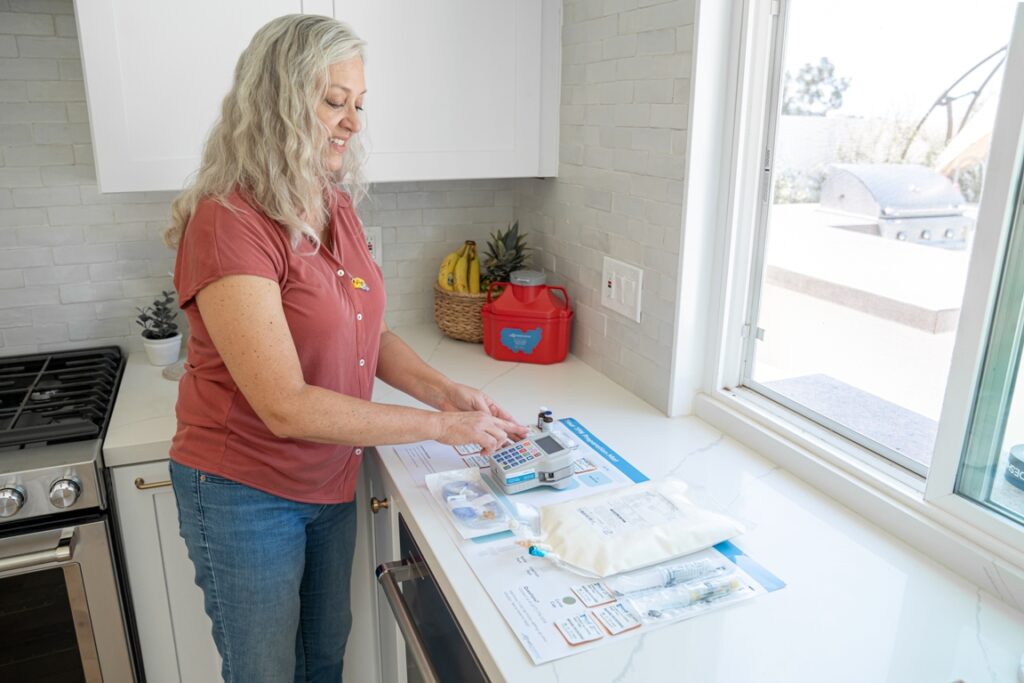
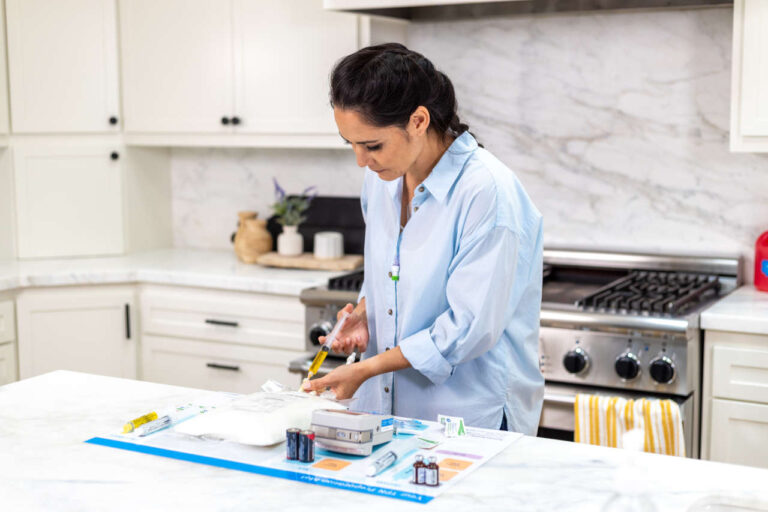
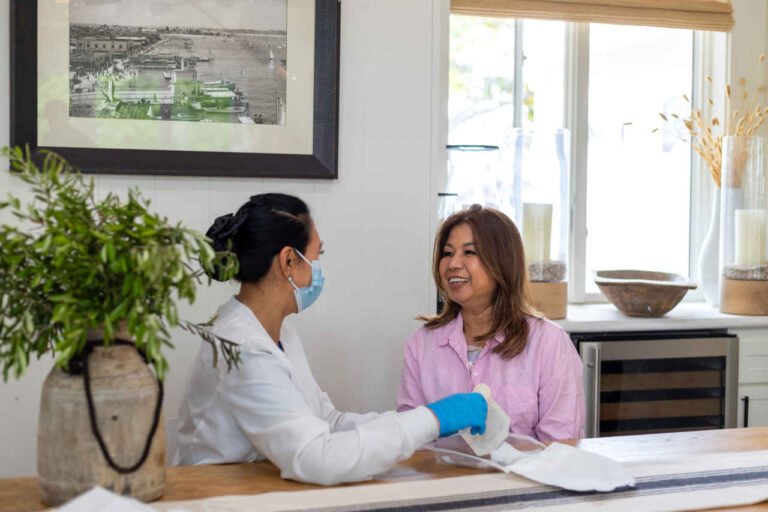
A smiling nurse preparing TPN supplies on a kitchen countertop

Home parenteral nutrition (HPN) is an essential therapy for those who can’t meet their nutritional requirements through oral intake or enteral tube feeding. It allows patients to receive parenteral nutrition at home, offering convenience and a better quality of life.

获取 TPN 的财务援助

(877) 778-0318

随着人们对医院就诊的依赖程度降低,了解家庭护理(HPN)的复杂性变得至关重要。如果您是一位即将踏上这条旅程的新患者,本指南将非常适合您。

We will provide valuable insights into this treatment’s side effects, management techniques, and more. Read on to learn what to expect when starting total parenteral nutrition 在家里。

什么是家庭肠外营养?

家庭肠外营养 (HPN) 是一种通过静脉 (IV) 导管将必需营养素直接输送到血液中的医疗疗法,完全绕过消化系统。它适用于严重胃肠功能障碍或吸收不良的患者。

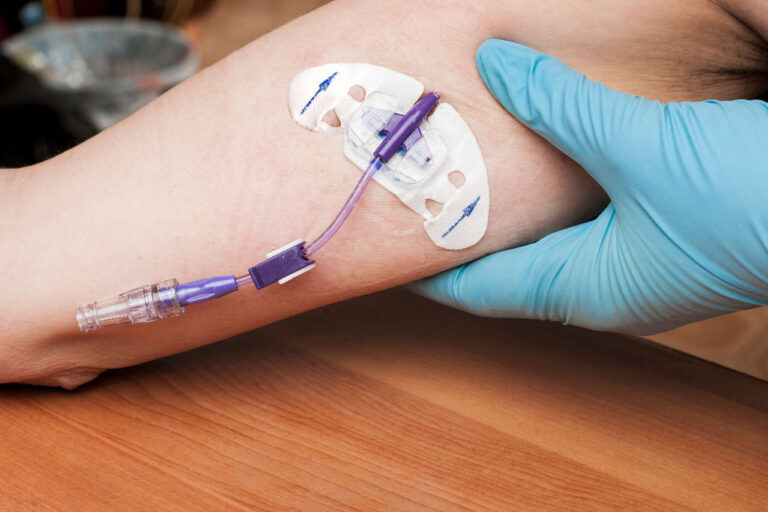
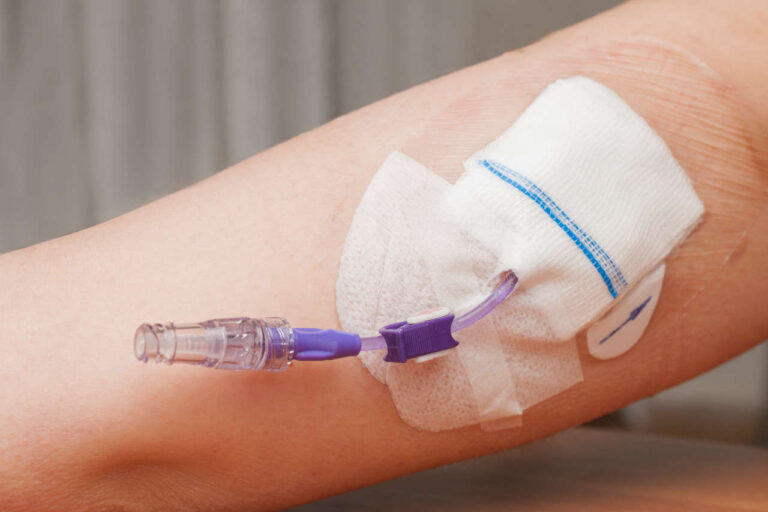
HPN is typically administered through a vascular access device: a central venous catheter, a peripherally inserted central catheter (PICC), a tunneled catheter, or an implanted port-a-cath. The treatment is ideal for conditions like short bowel syndrome, chronic intestinal failure, or severe Crohn’s disease, where oral or enteral feeding is not possible.

研究 show that parenteral nutrition offers a lower risk of mortality among malnourished patients when compared to tube feeding.

家庭肠外营养的组成部分

Patients receiving parenteral nutrition at home rely on a carefully balanced mixture of nutrients to meet their daily requirements. The components of the parenteral solution are tailored to each patient’s unique needs. When all components of nutrition are used, this is known as total parenteral nutrition (TPN). Learners should be aware that ‘TPN’ and ‘HPN’ are commonly used as if they mean the same thing, but they actually refer to different components of care. TPN often means parenteral nutrition in general. Clinically speaking, the word TPN has become shorthand for any parenteral nutrition solution that is used.

以下是这些混合物通常包含的内容的概述:

  • 宏量营养素: 这些化合物包括碳水化合物、蛋白质和脂肪,它们提供能量并支持身体功能。
  • 微量营养素: 代谢过程和整体健康所必需的维生素和矿物质。
  • 电解质: These are important for maintaining fluid balance and proper cellular function, and include sodium, potassium, and magnesium.
  • 流体: Fluids ensure adequate hydration and help transport other nutrients throughout the body.
  • 药物: These may be included to address specific health needs or to prevent complications.

谁需要家庭肠外营养?

HPN 对于特定人群来说通常是必不可少的 医疗条件 这些因素会影响他们通过传统方式吸收营养的能力。以下是一些可能需要进行家庭肠外营养 (HPN) 的最常见情况。

克罗恩氏病

克罗恩病 是一种炎症性肠病,会严重影响营养吸收,因此 HPN 成为受影响个体的重要营养来源。

溃疡性结肠炎

Like Crohn’s disease, 溃疡性结肠炎 由于无法正常消化食物,会导致营养不良。HPN 可以帮助弥补这种缺陷。

短肠综合征

患有这种疾病的患者肠道长度较短,限制了他们有效吸收营养的能力。家庭肠外营养可确保他们直接通过血液获得所需的营养。

缺血性肠病

This condition restricts blood flow to the intestines, impairing nutrient absorption. At-home parenteral nutrition can provide a reliable source of nourishment while the digestive system heals.

癌症

许多 癌症 患者体重明显减轻, 化疗的副作用是营养不良.HPN 可以满足他们在治疗和康复期间的营养需求。

准备HPN
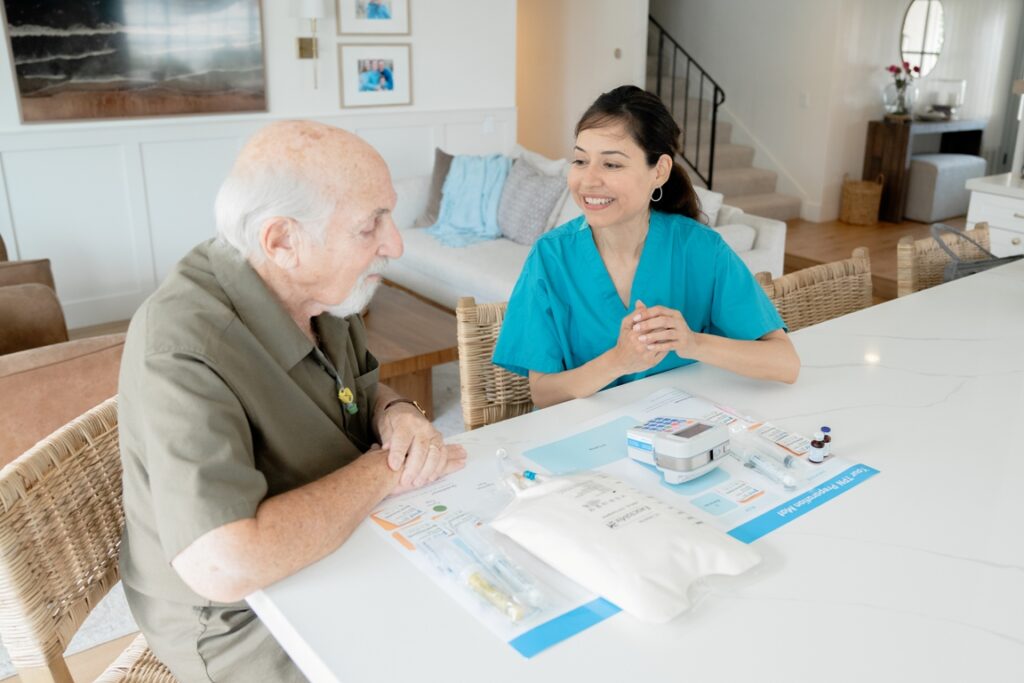
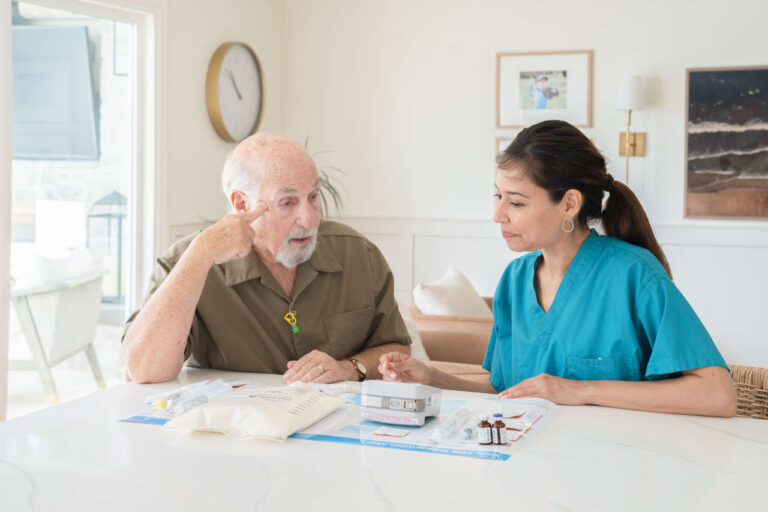
A friendly nurse offering guidance to a patient

过渡到家庭肠外营养需要精心准备,以确保顺利过渡。以下是一些准备家庭肠外营养的必要步骤。

咨询 TPN 家庭输液

安排咨询

初步评估和教育

Before starting HPN, your healthcare team will conduct a comprehensive assessment to determine your nutritional needs and suitability for home treatment. This process involves evaluating your medical history, current health status, and the specific conditions necessitating HPN.

之后,你的医生会告诉你这些好处和 HPN 的潜在挑战。您对治疗了解得越多,就越能安全地管理您的治疗。

设置家庭环境

You must receive your home parenteral nutrition in a suitable environment. Dedicate a clean and organized space in your home for the preparation of infusions. Ensure this place is quiet and away from pets and food preparation areas.

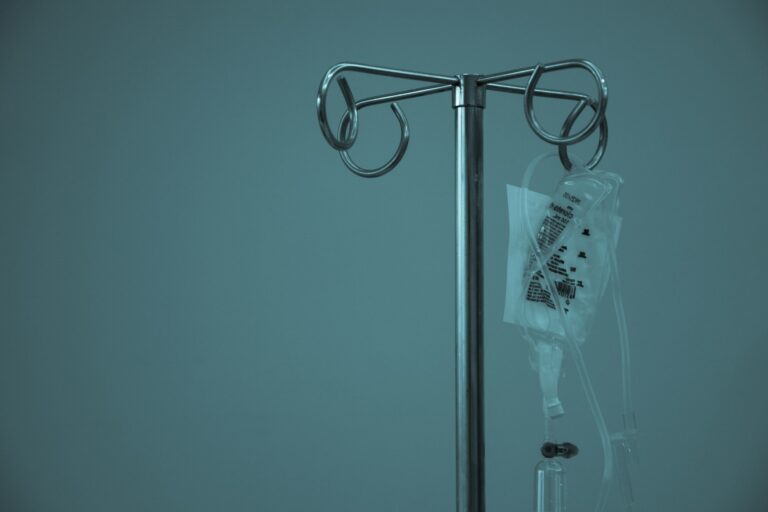
This area should include all your essential supplies, such as sterile equipment, an IV pole, and storage for HPN bags. Keep these HPN bags in a dedicated refrigerator, ideally on the top shelf at the proper temperature.

患者和护理人员培训

Proper training for patients and caregivers is vital for administering parenteral nutrition at home. The healthcare team will provide detailed instructions on handling, preparing, and administering parenteral nutrition solutions, along with guidelines for maintaining sterile techniques and identifying potential complications.

This knowledge helps build confidence in managing home parenteral nutrition infusions and enhances the overall care experience.

Importance of a Support System

身边有支持系统可以帮助你更轻松地完成输液过程。可靠的支持网络可以缓解压力,并培养社区意识。朋友和家人可以提供情感支持和实际帮助。

与你的医疗保健提供者保持开放的沟通也至关重要。他们可以提供指导并解决你可能遇到的任何问题。

如何实施 HPN?

HPN is delivered through a central venous catheter (CVC) that allows nutrients to be infused directly into the bloodstream. The frequency of administration depends on individual needs. Each infusion cycle can take anywhere from 10 to 24 hours per day.

These are the basic steps for administering home parenteral nutrition:

  1. 准备工作区: Clean a designated area with disinfectant wipes to maintain cleanliness.
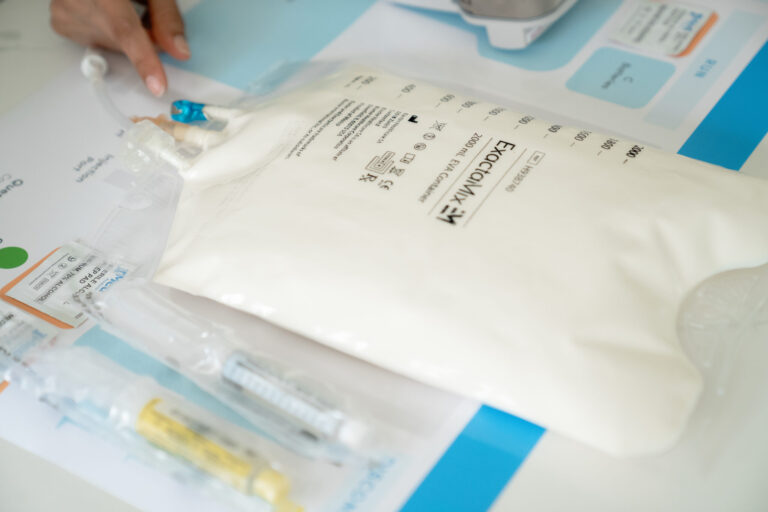
  2. 收集物资: Collect equipment, including PN bags, syringes, alcohol wipes, IV flushes, and the infusion pump.
  3. Warm to Room Temperature: Remove the PN bag from the refrigerator at least an hour before preparation of the bag. Set the bag down on a clean area, away from the sun or a heat source.
  4. Check the PN Solution: 检查袋子是否有变色、浑浊或颗粒。
  5. 洗手: Thoroughly wash your hands with soap and water before the preparation and administration of HPN.
  6. Prepare the Bag as Instructed. Multivitamins are often added to each solution bag.  
  7. 连接静脉输液管: Carefully clean the IV connection, flush your line as directed, and attach the pump tubing to the IV line as instructed by your healthcare provider.
  8. 开始输液: Start the program on the infusion pump to 管理 TPN.
  9. 监测输注速率: Regularly check for any redness or swelling around the catheter insertion area. Monitor the infusion pump and bag to make sure it is infusing properly.

与专家交谈

关于共付额援助
(877) 778-0318

家庭肠外营养的潜在风险

While HPN is a vital therapy, it’s not without risks. Some of the potential side effects of HPN that may arise during treatment include:

  • 导管部位感染: 由细菌通过导管进入引起。
  • 血栓形成: Formation of blood clots in the veins.
  • 电解质失衡: Disruptions in electrolyte levels due to clinical indications and TPN formulation.
  • 营养缺乏: Laboratory tests are frequently performed to ensure the formula/solution is adequate for the patient’s needs. 
  • 代谢并发症: 肝损伤 or hyperglycemia may occur.

Contact your pharmacy or healthcare provider immediately if you experience any signs of infection, fever, or unusual symptoms during treatment. Prompt action can help prevent more serious TPN并发症.

通过家庭肠外营养管理生活

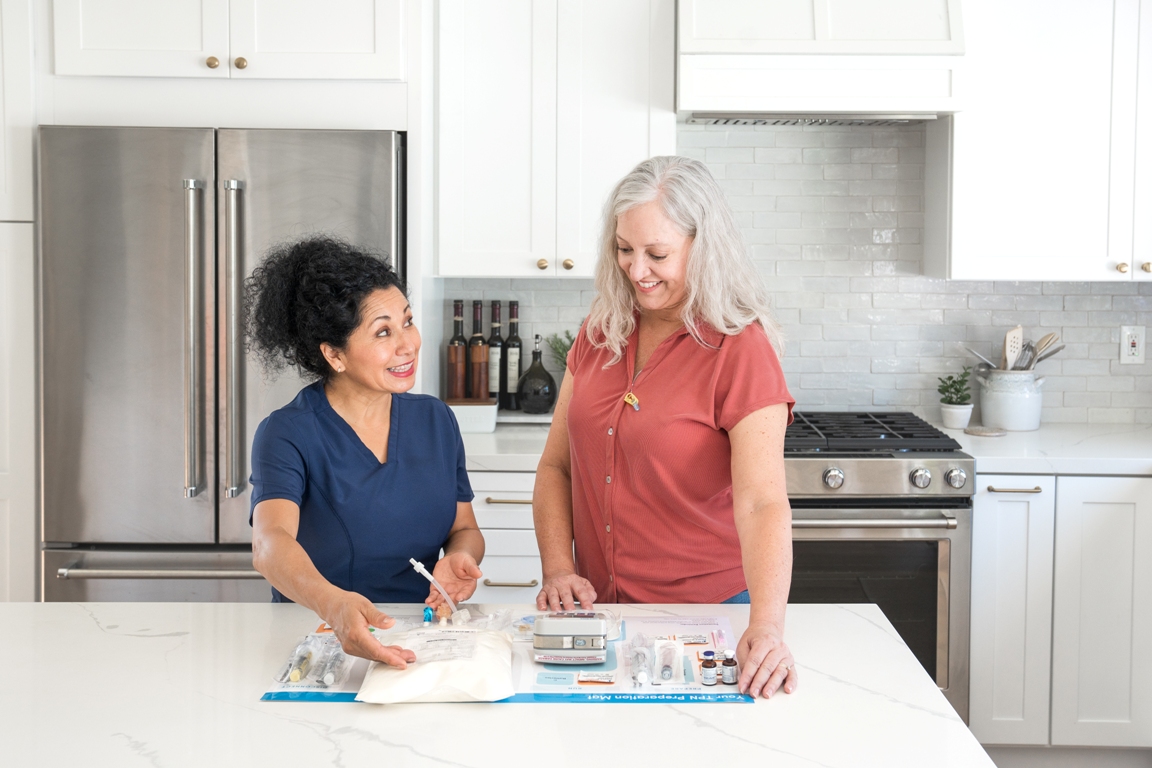
A happy woman preparing TPN supplies

Adjusting your life with HPN 需要周密的计划和积极的管理。以下是一些关键方面,可帮助您更顺利地在家进行全肠外营养。

日常生活

将HPN纳入您的日常生活可能需要进行一些调整。请制定一个适合您生活方式的输液时间表。无论白天还是夜间,每次都应在同一时间左右输注。

Consider setting reminders for preparation and infusion. Plan your activities around these sessions. Make good hygiene and sterilization practices a part of your daily life.

所有这些承诺使您能够安全有效地接受家庭肠外营养。

管理副作用

你可能会经历不同的 TPN的副作用然而,有一些有效的策略可以最大限度地减少它们的影响,并保持平衡的生活。以下是一些帮助你应对这些不利影响的技巧:

  • 保持水分: If you are able to consume orally, drink plenty of fluids or receive hydration intravenously, and monitor your hydration levels regularly.
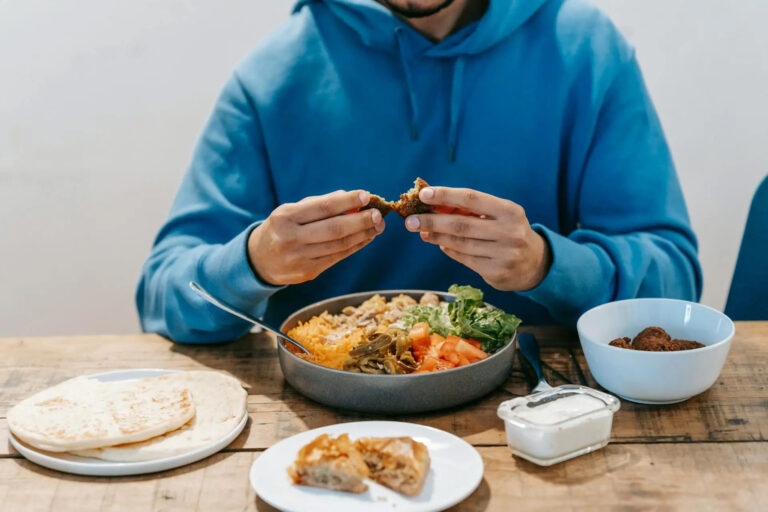
  • 保持健康饮食: Adhere to the specific diet plan as ordered by your healthcare provider. If you are able to eat by mouth, keep track of your consumption of any food or fluids in order to report it to your healthcare provider. 
  • 保持活跃: 结合步行或骑自行车等低强度运动来促进身心健康。
  • 保持良好的卫生习惯: 进行家庭肠外营养时,请遵循严格的卫生习惯,以最大限度地降低感染风险。
  • 遵循用药计划: 按时服用处方药。
  • 监测症状: Keep track of any side effects and report them to your doctor or pharmacy provider.

AmeriPharma Specialty Care

TPN援助领域的领导者
开始

定期监测和跟进

对于在家中接受全肠外营养的患者,与医疗保健提供者进行随访至关重要。定期拜访您的医疗团队,评估您的营养状况,并根据需要调整您的TPN配方。

Your doctor will order blood tests and monitor your weight to ensure your current formulation provides you with the necessary nutrients. They may also inspect the infusion site and provide tips for better administration of future home parenteral nutrition solutions.

情感和心理方面的考虑

Living with HPN comes with emotional challenges. To overcome these challenges, consider joining support groups. Connecting with people who have similar experiences can create a sense of understanding.

如果您正遭受孤独、抑郁和焦虑的困扰,不妨考虑寻求专业咨询。建立强大的支持网络有助于提升情绪健康,并在整个治疗过程中增强韧性。

在家接受全肠外营养,使用 AmeriPharma® 专业药房

家庭肠外营养可以改变需要营养支持的患者的生活,让他们能够在熟悉的环境中获取必需营养素。然而,对于新患者来说,适应家庭肠外营养的生活可能会充满挑战。

通过更多地了解这种疗法及其对您的健康的重要性,您可以更好地管理您的需求并积极参与您的护理。

如果你正在寻找可靠的 家庭输液服务AmeriPharma® 专业药房可以提供帮助。我们经 URAC 认证的 专业药房 为美国 40 多个州和地区提供家庭全肠外营养服务。

联系我们 开始接受家庭肠外营养,并提供全方位服务协调, 共同支付援助以及 24/7/365 支持。

此信息不能替代医疗建议或治疗。在开始任何新的治疗之前,请咨询您的医生或医疗保健提供者,了解您的医疗状况。AmeriPharma® Specialty Care 对所提供的信息或由此做出的任何诊断或治疗不承担任何责任,也不对其内容的可靠性负责。AmeriPharma® Specialty Care 并非运营此处列出的所有网站/组织,也不对其内容的可用性或可靠性负责。这些列表并不暗示或构成 AmeriPharma® Specialty Care 的认可、赞助或推荐。本网页可能包含对品牌处方药的引用,这些处方药是与 AmeriPharma® Specialty Care 无关的制药商的商标或注册商标。
Neil Marshall
医学审核人 Neil Marshall,DACM,BSN,LAc,RN,CRNI,NCCAOM®

Neil Marshall,DACM,BSN,LAc,RN,CRNI,东方医学文凭(NCCAOM)®,是一名注册护士,在输液治疗领域拥有超过30年的经验。他获得了输液护士协会的输液护理委员会认证,擅长静脉治疗,包括营养疗法、免疫疗法和生物制剂。他擅长管理中心静脉导管、PICC导管和植入式输液港,并高度重视患者安全和教育。患者和学生都称他为Neil博士,因为他拥有针灸和中医博士学位,是执业针灸师。他目前在洛杉矶一所中国医科大学教授未来执业医师。作为加州的初级保健医生(PCP),他提供营养和饮食相关问题的指导。Neil博士曾是ASPEN肠外营养标准/指南制定安全委员会的成员。尼尔博士来自美国中西部,现居加州。工作之余,他喜欢与家人朋友共度时光,并制作手工皂。

联系我们

If you are interested in speaking to a specialist or wish to explore financial assistance opportunities, use the contact form below to get in touch with us.

HIPAA Compliant

提交即表示您同意 AmeriPharma 的 使用条款, 隐私政策, 和 隐私惯例通知