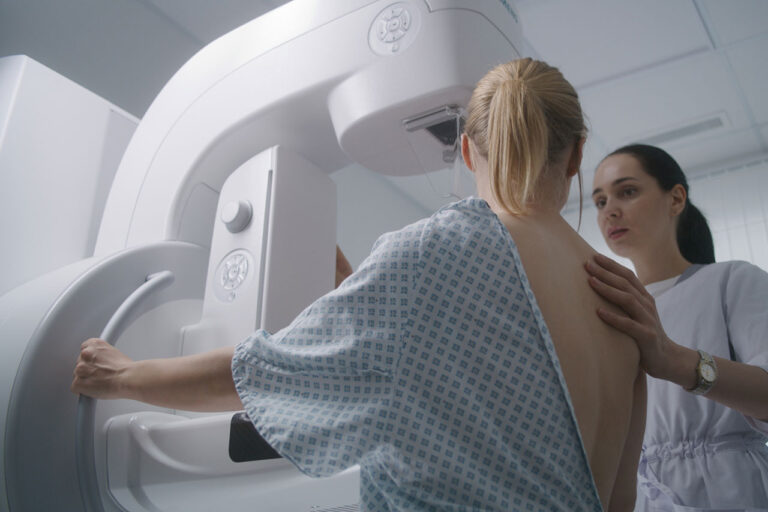




About 20 million people are diagnosed with cancer every year, which is expected to become 50 million by 2050 [1]. A cancer diagnosis is overwhelming news. It can change your life in an instant. Not only do you go through physical symptoms, but you also experience intense emotional stress. You may feel sadness, fear, loss of control, and uncertainty.
立即获得共付额援助
Stress is a natural response to cancer, but that does not mean you should ignore it. Managing stress during cancer is very important. This is because stress can affect your mental health, weaken your immune system, and reduce your ability to cope with treatment. In this article, we’ll explain everything you need to know about managing stress during cancer, including what stress is, how cancer increases stress, and practical ways to manage stress during cancer.
Understanding Stress in Cancer Patients
Stress is the mental tension or worry caused by a challenging or threatening situation. A little bit of stress is actually helpful because stress causes your body to release hormones like cortisol and adrenaline. These hormones prepare your body to handle danger. But long-term stress can harm both your physical and mental health [2].
Cancer is a very stressful event in anyone’s life. You already suffer from various painful physical symptoms. On top of that, you may worry about survival, treatment success, side effects, and the future of you and your family. According to one study, one in three people with cancer has anxiety or other mental health challenges [3]. Similarly, another study shows that women with ovarian cancer are three times more likely than the general public to be diagnosed with mental illnesses like anxiety and depression [4].
Stress is a common part of the cancer experience. If you ignore the stress, it can weaken your immune system, interfere with your treatment, and reduce your quality of life. That is why you need to recognize stress early and take proper steps.
How Stress Affects the Body During Cancer
You may think that stress only affects how a person feels emotionally. In reality, stress also triggers some physical and biological changes throughout the body. During cancer, these stress-related changes can cause the following effects:
Effects on the Immune System: Long-term stress can weaken your immune system [5]. Stress increases your cortisol (stress hormone) levels. A high level of stress hormones will reduce your body’s ability to fight infections. This is particularly concerning for cancer patients because chemotherapy already suppresses their immune systems.
Effects on Mental Health: Stress can cause anxiety, depression, irritability, and hopelessness. It can also cause sleeping problems, which makes it harder for you to rest and recover.
Effects on Cancer Treatment: Severe stress can reduce your treatment tolerance. You may not want to take medicines. You may even lose the desire to live. Patients under high stress may experience more fatigue, pain, and difficulty following treatment plans.
Signs and Symptoms of Stress in Cancer Patients
During your cancer journey, stress can appear in many different ways. It can affect your emotions, body, and everyday behavior. Therefore, you should recognize the common signs of stress before they become difficult to manage. Here are some of the common signs [6][7]:
- Extreme fear and worry
- 焦虑和抑郁
- Irritability and anger
- Difficulty with memory, concentration, and decision-making
- Guilt and blame
- Fatigue, insomnia, and loss of appetite
- Social isolation, loss of interest, and avoidance behavior
Do not ignore these symptoms. If you have them, inform your doctor.
与专家交谈
关于共付额援助Practical Ways to Manage Stress During Cancer
Living with cancer can feel overwhelming, both physically and emotionally. Your stress can be a result of treatment side effects, fear about the future, or changes in daily life. It is true that you can’t completely avoid or get rid of stress. But there are some practical ways to reduce your stress. Here are some of them [8][9][10]:
1. Mindful Breathing and Relaxation Techniques
Are you overwhelmed with anxiety and stress? Try some simple relaxation techniques that can quickly calm your body and mind. Deep breathing can lower stress hormones and help reduce tension. Here is a step-by-step, simple relaxation technique that you can follow to reduce stress:
- Find a quiet and comfortable spot. Relax your shoulders and neck.
- Inhale slowly through your nose for 4-5 seconds and allow your abdomen to expand.
- Exhale slowly through your mouth for 5-6 seconds.
- Focus on the sensation of the cool air entering and warmer air leaving.
- Continue this cycle for 3-5 minutes to reduce stress and anxiety.
2. Physical Activity and Gentle Movement

When you engage in physical activity, your brain releases endorphins (feel-good hormones). They help reduce your stress, improve your mood, and boost your energy levels [11]. Some physical activities that are suitable for cancer patients include:
- Walking at a pace that is comfortable
- Yoga or gentle stretching
- Light home-based exercise that your doctor recommends
Do not do any extensive exercise without first consulting your doctor. Always choose activities that match your energy level and medical condition.
3. Emotional Support and Communication
Do not keep your thoughts to yourself. Keeping stress inside often makes it worse. Find a friend or family member and share how you feel. Talking about your feelings can significantly reduce emotional burden. Do not think that you are alone. You can find emotional support from your family members and close friends, cancer support groups, and mental health professionals.
4. Sleep and Nutrition
You need proper sleep and nutrition to deal with the stress of cancer. If you don’t have proper sleep or nutrition, you may experience increased fatigue, irritability, and mood swings. Here are some helpful practices to reduce your stress:
- Maintain a regular sleep schedule. Have at least 8 hours of sleep every day. Try to sleep and wake up at the same time every day.
- Create a comfortable and quiet sleep environment.
- Have a balanced and nutritious diet.
- Stay well hydrated throughout the day.
获得经济援助
5. Mindfulness or Spiritual Practices
You may find deep comfort and emotional strength through mindfulness, prayer, or other spiritual practices. These practices allow many patients to connect with their inner self or higher power. Eventually, they find peace, hope, and acceptance. Examples of such practices include:
- Meditation or mindfulness exercises: These activities can help you calm your mind and reduce anxiety.
- Prayer or religious rituals: Certain rituals can help you find spiritual peace, acceptance, strength, and trust in a greater purpose.
- Journaling personal thoughts: If you find it difficult to share your feelings and thoughts verbally, try to write them down. Expressing your feelings is very helpful to reduce emotional burden.
6. Financial Management and Planning
Many people overlook it, but financial stress is a big source of anxiety during cancer. You may feel overwhelmed by the thoughts of treatment costs, travel expenses, and time away from work. Here are some practical steps to cope with this stress:
- Discuss treatment costs with your physician early and prepare accordingly.
- Check insurance coverage and payment options.
- Consult with social workers or financial counselors who can help you get financial aid.
- Explore patient assistance programs.
Have a clear financial plan. This will reduce your anxiety and allow you to focus more on recovery and well-being.
底线
Unfortunately, stress is a normal part of the cancer journey. But the good news is you don’t need to fully eliminate stress to live well. Just a small step towards reducing stress will make a meaningful difference in your day-to-day life. With the right support, coping strategies, and medical care, you can find hope, strength, and peace.
参考:
- World Health Organization: WHO. (2024, February 1). Global cancer burden growing, amidst mounting need for services. World Health Organization. https://www.who.int/news/item/01-02-2024-global-cancer-burden-growing–amidst-mounting-need-for-services
- Stress. (2026, February 3). https://www.who.int/news-room/questions-and-answers/item/stress
- (PDF) One in three patients with cancer meets the criteria for mental disorders: what does that mean? (n.d.). ResearchGate. https://www.researchgate.net/publication/280536648_One_in_Three_Patients_With_Cancer_Meets_the_Criteria_for_Mental_Disorders_What_Does_That_Mean
- Ovarian cancer patients face increased risk of mental illness | AACR | News releases. (2021, April 10). American Association for Cancer Research (AACR). https://www.aacr.org/about-the-aacr/newsroom/news-releases/ovarian-cancer-patients-face-increased-risk-of-mental-illness/?utm_source=copilot.com
- Alotiby, A. (2024). Immunology of Stress: A review article. Journal of Clinical Medicine, 13(21), 6394. https://doi.org/10.3390/jcm13216394
- Adjustment to cancer: anxiety and distress. (2025, May 14). Cancer.gov. https://www.cancer.gov/about-cancer/coping/feelings/anxiety-distress-pdq
- Distress screening in cancer patients – Premiere Education | Premier Education. (n.d.). https://premierece.com/articles/distress-screening-in-cancer-patients-10-signs-to-know
- [email protected]. (2026, January 20). Managing stress during cancer Treatment – Rocky Mountain Oncology Center. Rocky Mountain Oncology Center. https://rockymountainoncology.com/news/managing-stress-during-cancer-treatment/
- Stress management during cancer treatment | Icon Cancer Centre Indonesia. (2025, April 14). Icon Cancer Centre Indonesia. https://iconcancercentre.id/en/library/stress-management-during-cancer-treatment/
- Stress and cancer. (n.d.). Maggie’s. https://www.maggies.org/support-information/living-with-cancer/mental-health/stress-cancer/
- How Physical activity reduces stress and supports mental health. (n.d.). https://adaa.org/understanding-anxiety/related-illnesses/other-related-conditions/stress/physical-activity-reduces-st