

Although there is currently no cure for myasthenia gravis, a variety of treatments—including oral medications, injectable therapies, intravenous treatments, and surgery—can help improve symptoms and quality of life. The choice of bệnh nhược cơ phương pháp điều trị có thể khác nhau tùy theo độ tuổi, mức độ nghiêm trọng của bệnh và phản ứng với điều trị.
The primary goals of treatment are to improve muscle strength, reduce symptoms, prevent disease exacerbations, and minimize treatment-related side effects.
Nhận hỗ trợ đồng thanh toán IVIG
Nói chuyện với một chuyên giaLiệu pháp uống:
- Chất ức chế cholinesterase (anticholinesterase):
- These drugs inhibit the enzyme that breaks down acetylcholine, a chemical messenger that helps nerves communicate with muscles. By increasing the availability of acetylcholine, these medications can improve muscle strength and reduce muscle weakness.
- Thuốc: pyridostigmine (Mestinon) và neostigmine (Prostigmin).
- Corticosteroid:
- Corticosteroids suppress the immune system and help reduce the production of harmful antibodies that contribute to myasthenia gravis symptoms.
- Có thể mất từ 2 đến 4 tuần để các loại thuốc này phát huy tác dụng. Sử dụng corticosteroid lâu dài có thể gây giòn xương, lượng đường trong máu cao và tăng cân.
- Thuốc: prednisone (Deltasone).
- Thuốc ức chế miễn dịch:
- Similar to corticosteroids, these medications help control an overactive immune system and reduce the production of antibodies that interfere with nerve-to-muscle communication.
- Medications: azathioprine (Imuran), mycophenolate mofetil (CellCept), cyclosporine (Sandimmune), and tacrolimus (Prograf). In some cases, other immunosuppressive medications may also be considered.
- FcRn Inhibitors:
- FcRn inhibitors are a newer class of targeted therapies that help reduce levels of harmful antibodies involved in myasthenia gravis. These treatments may be considered for patients with generalized myasthenia gravis whose symptoms remain uncontrolled despite conventional therapies.
- Medications: efgartigimod (Vyvgart) and rozanolixizumab (Rystiggo).
Các loại thuốc và phẫu thuật khác
Các loại thuốc và phẫu thuật sau đây có thể được sử dụng riêng lẻ hoặc kết hợp với corticosteroid.
Liệu pháp tiêm tĩnh mạch (IV)
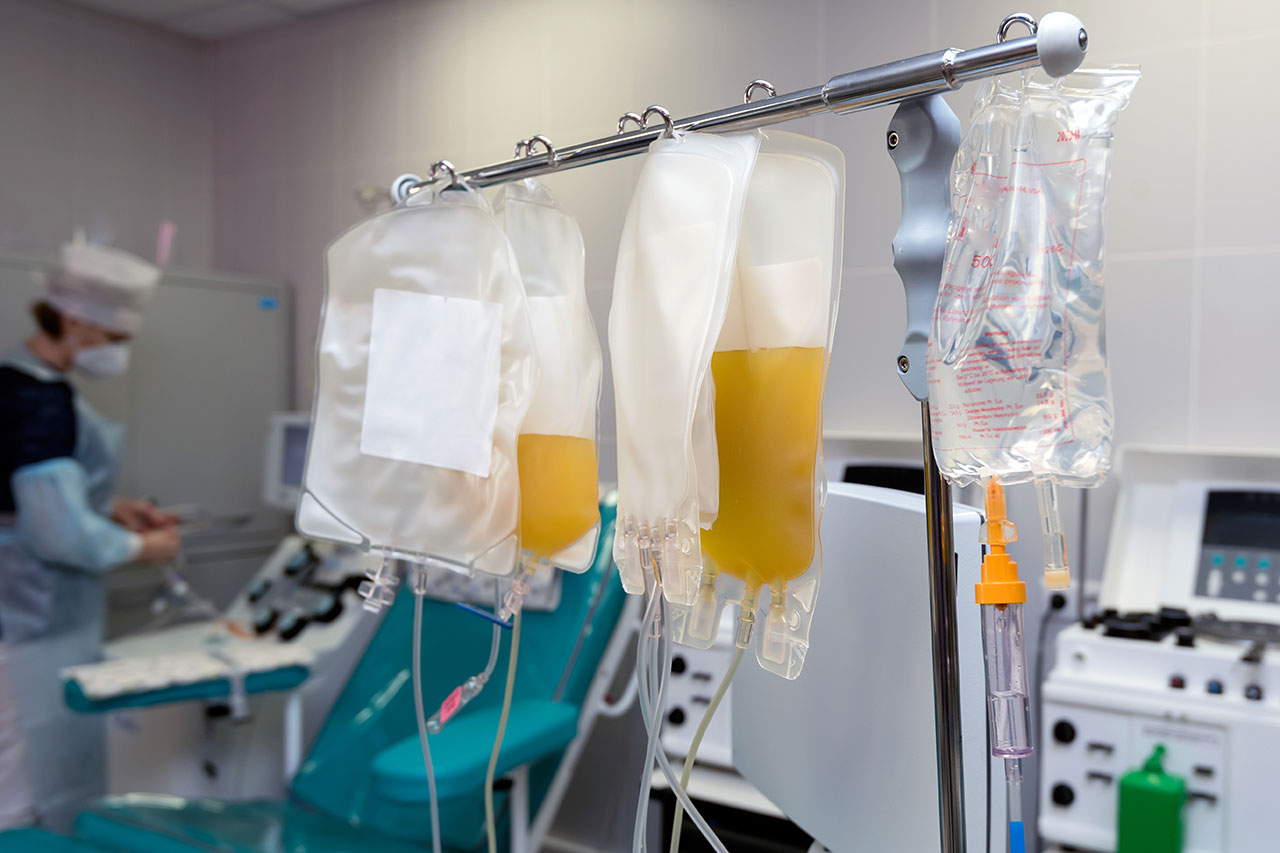
Intravenous therapy is often used as a short-term treatment for severe symptoms, myasthenic crisis, or a sudden worsening of disease activity.
- Huyết tương (trao đổi huyết tương):
- This procedure removes harmful antibodies from the bloodstream, helping improve communication between nerves and muscles.
- Các rủi ro có thể bao gồm huyết áp giảm, chảy máu và nhịp tim bất thường.
- Globulin miễn dịch tiêm tĩnh mạch (IVIG):
- IVIG is made from antibodies collected from healthy donors and helps regulate the immune system. It is typically administered intravenously over several hours each day for 2 to 5 consecutive days.
- Tác dụng phụ có thể bao gồm phản ứng tại vị trí truyền, ớn lạnh, chóng mặt, đau đầu và giữ nước.
- Targeted Biologic Therapies:
- These treatments use biologically engineered proteins to target specific parts of the immune system involved in myasthenia gravis. Depending on the medication, treatment may be administered intravenously or by subcutaneous injection.
- Medications may include rituximab (Rituxan), eculizumab (Soliris), ravulizumab (Ultomiris), and zilucoplan (Zilbrysq).
- These therapies are generally reserved for patients with generalized myasthenia gravis who have persistent symptoms despite conventional treatment.
- Some targeted therapies may increase the risk of serious infections. Your healthcare provider may recommend certain vaccinations before treatment begins.
Nhận liều IVIG của bạn
Truyền dịch tại nhàCa phẫu thuật
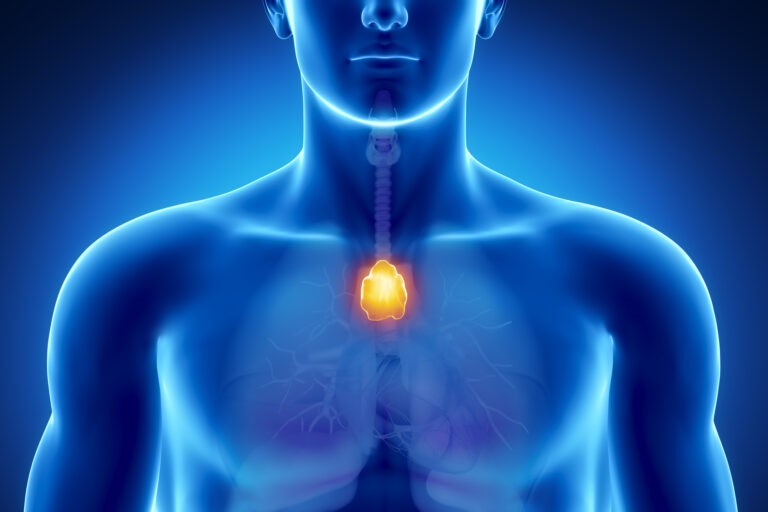
The thymus gland is an organ located in the chest. The thymus gland is part of the immune system and plays an important role in the development and maturation of T lymphocytes (T cells), a type of white blood cell involved in immune function. The thymus is believed to play an important role in the abnormal immune response that causes myasthenia gravis. Many patients with MG have thymic abnormalities, including thymic hyperplasia or thymoma (a tumor of the thymus gland).
Thymectomy may be recommended for patients with a thymoma and may also benefit certain patients with generalized myasthenia gravis even when a tumor is not present. In patients who require surgery, this involves the removal of the thymus gland (cắt bỏ tuyến ức). This procedure may help improve symptoms, reduce medication requirements, and improve long-term disease control. However, it may take months to years before the full benefits become apparent.
Minimally invasive approaches, such as video-assisted thoracoscopic surgery (VATS) and robotic-assisted thymectomy, are associated with smaller incisions, less postoperative pain, and shorter hospital stays compared with traditional open surgery.