



博客

免疫球蛋白

When to Consider IVIG for Macrophage Activation Syndrome (MAS): Key Insights, Based on the Latest Evidence

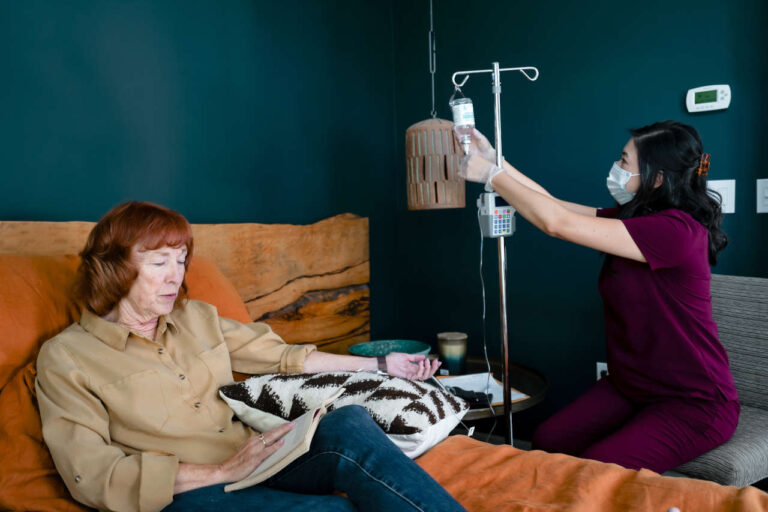
Nurse with patient receiving IVIG for Macrophage Activation Syndrome

静脉注射免疫球蛋白 (IVIG) for macrophage activation syndrome (MAS) may be an option when patients cannot use other immunosuppressive medications. Discover how IVIG works, learn about its potential benefits, and find answers to your most common questions.

亮点

  • Macrophage activation syndrome (MAS) is a rare but potentially life-threatening immune response. 
  • IVIG for macrophage activation syndrome may serve as a first- or second-line treatment, depending on the underlying trigger, the patient’s response to other medications, and the stage of macrophage activation. 
  • IVIG is usually preferred when a patient is moderately ill and has an underlying infection. 
  • How IVIG works for MAS is unclear. However, it is thought to work by suppressing macrophage activation and promoting the release of anti-inflammatory molecules. 
  • Large, controlled trials are needed to confirm clear benefits and dosage ranges. 

与专家交谈

关于共付额援助
(877) 778-0318

A Quick Overview of Macrophage Activation Syndrome (MAS)

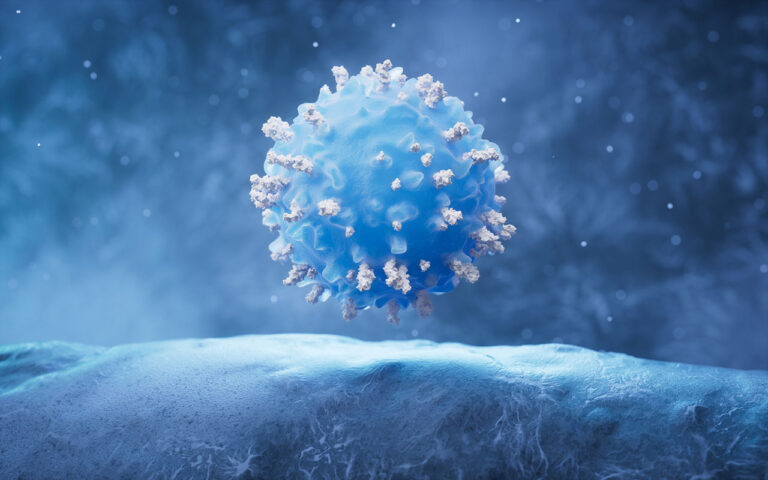
MAS is a rare but potentially fatal immune response to rheumatic disorders, cancers, infections, or medications. It occurs when your immune system floods the body with certain types of white blood cells called macrophages and T cells. 

Normally, these cells help destroy disease-causing microorganisms and cancer cells. However, in MAS, these white blood cells become ineffective. As a result, the immune system produces more of these cells, potentially leading to failure of organ systems or death. 

Studies show death may occur in 20% to 53% of cases [1].

What causes the immune system to overreact is not fully understood, and many cases occur without any identifiable triggers. Infections are thought to trigger nearly 50% of MAS cases. Additionally, 10% of children with systemic juvenile idiopathic arthritis develop full-blown MAS [2].

Other triggers can include:

The signs and symptoms of MAS can include:

  • 肝脏和脾脏肿大
  • Worsening liver function
  • Swollen lymph glands
  • Constantly high fever
  • Seizures and coma
  • 贫血(红细胞计数低)
  • 震惊
  • 皮疹

Treatment of Macrophage Activation Syndrome 

There is no consensus about specific treatment for MAS. 

Before biologics came into existence, IVIG, glucocorticoids, and cyclosporine were widely used to treat rheumatic disease-associated MAS. Currently, these medications are used alone or in combination with biologic agents [3].

获得经济援助

安排咨询

IVIG for Macrophage Activation Syndrome: What We Know So Far

Patient receiving IVIG at home with the assistance of a nurse

IVIG may benefit some patients with MAS, especially when administered early. However, success and efficacy vary widely, and studies have found mixed results. 

For example, in a 2001 study, IVIG produced partial or delayed improvement in five patients but no effects in another five patients. The total number of participants in the study was 20. 

The researchers concluded that IVIG for macrophage activation syndrome might be an option when started during the early stages of macrophage activation [4].

IVIG can be a first-line treatment for patients with chronic granulomatous disease (CGD) complicated by macrophage activation syndrome [5]. 

Researchers from a 2020 case report revealed that IVIG may be [6]:

  • First-line treatment for systemic lupus erythematosus (SLE) with macrophage activation syndrome.
  • Second-line treatment with intravenous steroids. 

Likewise, according to the 2022 EULAR/American College of Rheumatology consensus statements, high-dose glucocorticoids, anakinra with or without IVIG, could be the initial treatment for people with rapidly progressive MAS [7]. 

Available evidence suggests that the effectiveness of IVIG for macrophage activation syndrome is case-dependent. 

For example, IVIG appears to be less effective in severe or refractory cases. However, IVIG therapy should be considered for patients who are unable to receive immunosuppressive medications. IVIG is usually preferred when a patient is moderately ill and has an underlying infection. 

IVIG for Macrophage Activation Syndrome: Understanding the Mechanism of Action

The exact mechanism of action of IVIG for macrophage activation syndrome is poorly understood. 

IVIG is thought to improve MAS symptoms by [8,9]: 

  • Suppressing macrophage activation and release of inflammatory substances.
  • Activating macrophages to release large amounts of anti-inflammatory molecules.
  • Promoting degradation of inflammation-causing macrophages. 

There is no specific dose, which likely depends on the underlying illness and the patient’s response. For moderately ill patients, the usual dose is 1 g to 2 g/kg/dose IV [3].

立即获得共付额援助

(877) 778-0318

常见问题

What are the treatment options for MAS?

Treatment options for MAS are IVIG, glucocorticoids, cyclosporine, plasma exchange, and anakinra. 

What is the difference between MAS and HLH?

Macrophage activation syndrome (MAS) and 噬血细胞性淋巴组织细胞增生症 (HLH) are potentially fatal conditions with overlapping symptoms. Nonetheless, MAS is usually associated with rheumatologic disorders, such as systemic juvenile idiopathic arthritis (sJIA), while HLH is often associated with viral infections, cancers, and certain medications [10].

What is MAS in systemic JIA?

MAS is a potentially fatal complication of systemic juvenile idiopathic arthritis (s-JIA). Studies show that 1 in 10 children with s-JIA develops MAS. 

What is the life expectancy in macrophage activation syndrome (MAS)?

In a 2022 study involving 20 adults with rheumatic disease-associated MAS, overall survival at 3 and 6 months was 75.2% and 64.3%, respectively. During the study period, opportunistic infections affected nine participants, and five of them died [11].

What are the FDA-approved IVIG products for macrophage activation syndrome (MAS)?

The FDA has not yet approved any IVIG product for macrophage activation syndrome (MAS). Currently, IVIG use is off-label. In the U.S., the only FDA-approved treatment for MAS is Gamifant (emapalumab-lzsg), which is an interferon gamma-blocking antibody.

参考:

  1. Bojan, Anca et al. “Macrophage activation syndrome: A diagnostic challenge (Review).” Experimental and therapeutic medicine vol. 22,2 (2021): 904. doi:10.3892/etm.2021.10336
  2. Öztürk C, Sütçüoğlu S, Baltalı O, Türker M, Aşık Akman S, Arun Özer E. Macrophage Activation Syndrome in Children with Systemic Juvenile Idiopathic Arthritis Successfully Treated with Megadose Methyl Prednisolone Therapy. J Pediatr Res. 2015 Jun;2(2):92-95. doi: 10.4274/jpr.30602.
  3. Halyabar, O., Chang, M.H., Schoettler, M.L. et al. Calm in the midst of cytokine storm: a collaborative approach to the diagnosis and treatment of hemophagocytic lymphohistiocytosis and macrophage activation syndrome. Pediatr Rheumatol 17, 7 (2019). https://doi.org/10.1186/s12969-019-0309-6
  4. Emmenegger, Urban, et al. “Hyperferritinemia as Indicator for Intravenous Immunoglobulin Treatment in Reactive Macrophage Activation Syndromes.” American Journal of Hematology, vol. 68, no. 1, July 2001, pp. 4–10, doi:10.1002/ajh.1141.
  5. Álvarez-Cardona, Aristóteles et al. “Intravenous immunoglobulin treatment for macrophage activation syndrome complicating chronic granulomatous disease.” Journal of clinical immunology vol. 32,2 (2012): 207-11. doi:10.1007/s10875-011-9616-5
  6. Mendoza-Álvarez, Sergio Alberto et al. “Inmunoglobulina intravenosa en el síndrome de activación macrofágica asociado a lupus eritematoso sistémico” [Intravenous immunoglobulin in macrophage activation syndrome associated with systemic lupus erythematosus]. Revista medica del Instituto Mexicano del Seguro Social vol. 58,5 634-643. 1 Sep. 2020, doi:10.24875/RMIMSS.M20000094
  7. Shakoory, Bita et al. “The 2022 EULAR/ACR points to consider at the early stages of diagnosis and management of suspected haemophagocytic lymphohistiocytosis/macrophage activation syndrome (HLH/MAS).” Annals of the rheumatic diseases vol. 82,10 (2023): 1271-1285. doi:10.1136/ard-2023-224123
  8. Saha, Chaitrali, et al. “Intravenous Immunoglobulin Suppresses the Polarization of Both Classically and Alternatively Activated Macrophages.” Human Vaccines & Immunotherapeutics, vol. 16, no. 2, Apr. 2019, pp. 233–39, doi:10.1080/21645515.2019.1602434.
  9. Das, Mrinmoy, et al. “Intravenous Immunoglobulin Mediates Anti-inflammatory Effects in Peripheral Blood Mononuclear Cells by Inducing Autophagy.” Cell Death and Disease, vol. 11, no. 1, Jan. 2020, p. 50, doi:10.1038/s41419-020-2249-y.
  10. Gomez, Roberta, et al. “Macrophage Activation Syndrome Versus Hemophagocytic Lymphohistiocytosis: A Diagnostic Dilemma in a Patient With Still’s Disease and Epstein-Barr Virus Viremia.” Journal of Hematology, vol. 8, no. 2, Jan. 2019, pp. 68–70, doi:10.14740/jh495.
  11. Nam, So Hye, et al. “Macrophage Activation Syndrome in Rheumatic Disease: Clinical Characteristics and Prognosis of 20 Adult Patients.” PLoS ONE, vol. 17, no. 5, May 2022, p. e0267715, doi:10.1371/journal.pone.0267715.
此信息不能替代医疗建议或治疗。在开始任何新的治疗之前,请咨询您的医生或医疗保健提供者,了解您的医疗状况。AmeriPharma® Specialty Care 对所提供的信息或由此做出的任何诊断或治疗不承担任何责任,也不对其内容的可靠性负责。AmeriPharma® Specialty Care 并非运营此处列出的所有网站/组织,也不对其内容的可用性或可靠性负责。这些列表并不暗示或构成 AmeriPharma® Specialty Care 的认可、赞助或推荐。本网页可能包含对品牌处方药的引用,这些处方药是与 AmeriPharma® Specialty Care 无关的制药商的商标或注册商标。
Portrait of Robert H., a pharmacist sharing his expertise.
医学审核人 Robert Hakim博士,药学博士

Robert Chad Hakim 博士,药学博士,在加州北岭出生长大。他毕业于威斯康星大学麦迪逊分校药学院,获得药学学位。工作中最让他感到自豪的是积极推进临床项目,从而最大限度地提升患者护理的效果。他拥有重症监护委员会认证 (BCCCP),专业领域包括重症监护、药物信息、全科医学和心脏病学。闲暇时,他喜欢旅行。 

联系我们

If you are interested in speaking to a specialist or wish to explore financial assistance opportunities, use the contact form below to get in touch with us.

HIPAA Compliant

提交即表示您同意 AmeriPharma 的 使用条款, 隐私政策, 和 隐私惯例通知