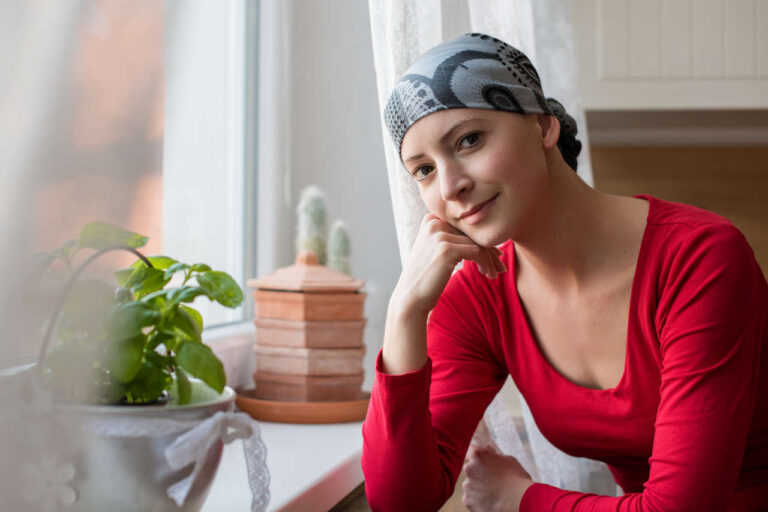


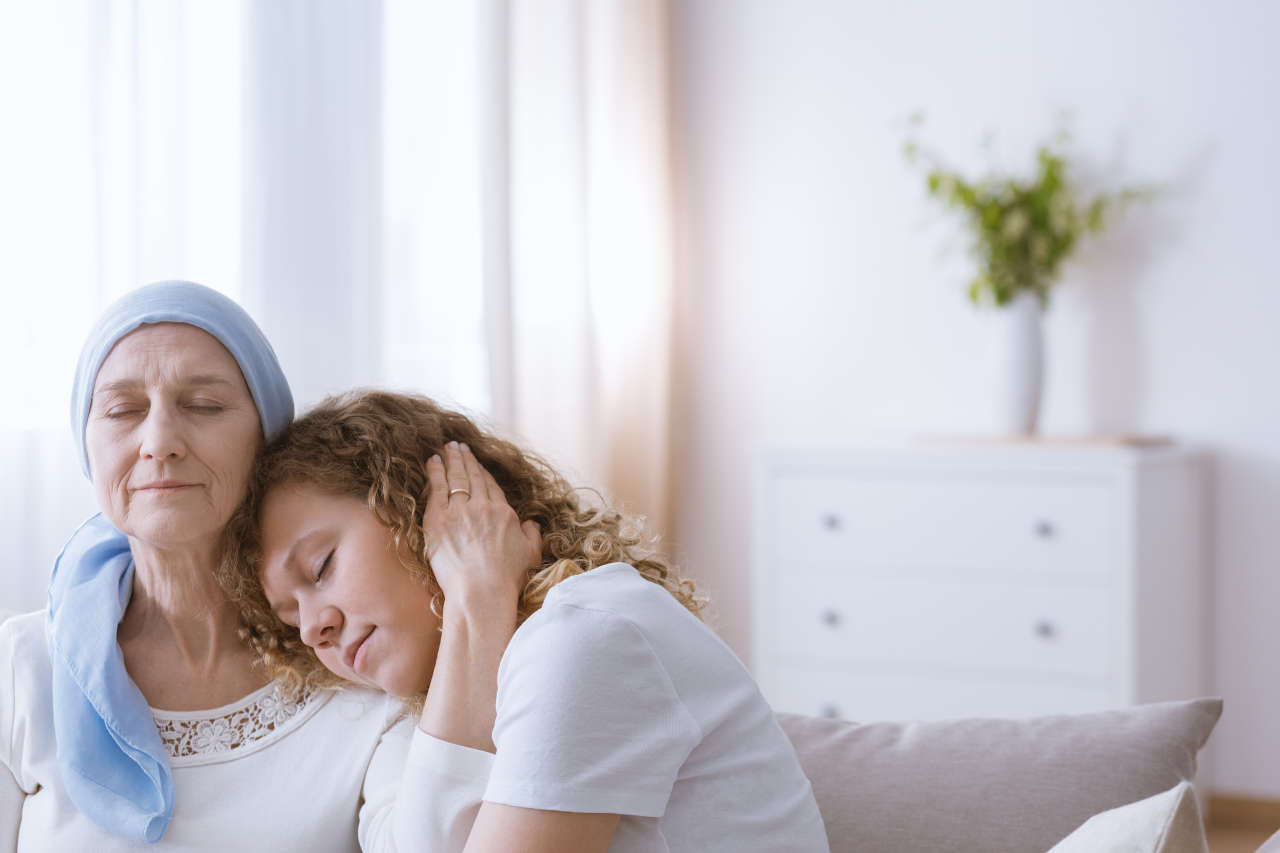
Mỗi năm có khoảng 20 triệu người được chẩn đoán mắc bệnh ung thư, và dự kiến con số này sẽ tăng lên 50 triệu vào năm 2050.1Chẩn đoán ung thư là một tin tức gây sốc. Nó có thể thay đổi cuộc sống của bạn ngay lập tức. Bạn không chỉ trải qua các triệu chứng về thể chất mà còn trải qua căng thẳng tinh thần dữ dội. Bạn có thể cảm thấy buồn bã, sợ hãi, mất kiểm soát và không chắc chắn.
Nhận hỗ trợ đồng thanh toán ngay
Căng thẳng là phản ứng tự nhiên khi mắc ung thư, nhưng điều đó không có nghĩa là bạn nên bỏ qua nó. Quản lý căng thẳng trong quá trình điều trị ung thư rất quan trọng. Bởi vì căng thẳng có thể ảnh hưởng đến sức khỏe tinh thần, làm suy yếu hệ miễn dịch và làm giảm khả năng đối phó với điều trị. Trong bài viết này, chúng tôi sẽ giải thích mọi thứ bạn cần biết về cách quản lý căng thẳng trong quá trình điều trị ung thư, bao gồm căng thẳng là gì, ung thư làm tăng căng thẳng như thế nào và các cách thực tế để quản lý căng thẳng trong quá trình điều trị ung thư.
Hiểu về căng thẳng ở bệnh nhân ung thư
Căng thẳng là sự căng thẳng tinh thần hoặc lo lắng gây ra bởi một tình huống khó khăn hoặc đe dọa. Một chút căng thẳng thực ra có ích vì căng thẳng khiến cơ thể bạn giải phóng các hormone như cortisol và adrenaline. Những hormone này chuẩn bị cho cơ thể bạn đối phó với nguy hiểm. Nhưng căng thẳng kéo dài có thể gây hại cho cả sức khỏe thể chất và tinh thần của bạn.2].
Ung thư là một sự kiện rất căng thẳng trong cuộc đời của bất kỳ ai. Bạn đã phải chịu đựng nhiều triệu chứng thể chất đau đớn. Thêm vào đó, bạn có thể lo lắng về khả năng sống sót, hiệu quả điều trị, tác dụng phụ và tương lai của bạn và gia đình. Theo một nghiên cứu, cứ ba người mắc ung thư thì có một người bị lo âu hoặc các vấn đề sức khỏe tâm thần khác.3Tương tự, một nghiên cứu khác cho thấy phụ nữ mắc ung thư buồng trứng có nguy cơ mắc các bệnh tâm thần như lo âu và trầm cảm cao gấp ba lần so với dân số nói chung.4].
Căng thẳng là một phần phổ biến trong quá trình điều trị ung thư. Nếu bạn bỏ qua căng thẳng, nó có thể làm suy yếu hệ miễn dịch, cản trở quá trình điều trị và làm giảm chất lượng cuộc sống. Đó là lý do tại sao bạn cần nhận biết căng thẳng sớm và có những biện pháp thích hợp.
Tác động của căng thẳng lên cơ thể trong quá trình điều trị ung thư
Bạn có thể nghĩ rằng căng thẳng chỉ ảnh hưởng đến cảm xúc của một người. Trên thực tế, căng thẳng cũng gây ra một số thay đổi về thể chất và sinh học trong toàn bộ cơ thể. Trong bệnh ung thư, những thay đổi liên quan đến căng thẳng này có thể gây ra các tác động sau:
Tác động lên hệ miễn dịch: Căng thẳng kéo dài có thể làm suy yếu hệ miễn dịch của bạn.5Căng thẳng làm tăng nồng độ cortisol (hormone gây căng thẳng). Nồng độ hormone gây căng thẳng cao sẽ làm giảm khả năng chống nhiễm trùng của cơ thể. Điều này đặc biệt đáng lo ngại đối với bệnh nhân ung thư vì hóa trị liệu vốn đã làm suy yếu hệ miễn dịch của họ.
Ảnh hưởng đến sức khỏe tâm thần: Căng thẳng có thể gây ra lo âu, trầm cảm, cáu gắt và tuyệt vọng. Nó cũng có thể gây ra các vấn đề về giấc ngủ, khiến bạn khó nghỉ ngơi và phục hồi sức khỏe hơn.
Ảnh hưởng đến điều trị ung thư: Căng thẳng nghiêm trọng có thể làm giảm khả năng dung nạp thuốc của bạn. Bạn có thể không muốn dùng thuốc. Thậm chí bạn có thể mất đi ý chí sống. Bệnh nhân bị căng thẳng cao độ có thể cảm thấy mệt mỏi hơn, đau đớn hơn và khó tuân thủ kế hoạch điều trị.
Các dấu hiệu và triệu chứng của căng thẳng ở bệnh nhân ung thư
Trong suốt hành trình chống chọi với ung thư, căng thẳng có thể xuất hiện dưới nhiều hình thức khác nhau. Nó có thể ảnh hưởng đến cảm xúc, cơ thể và hành vi hàng ngày của bạn. Do đó, bạn nên nhận biết các dấu hiệu phổ biến của căng thẳng trước khi chúng trở nên khó kiểm soát. Dưới đây là một số dấu hiệu phổ biến:6][7]:
- Nỗi sợ hãi và lo lắng tột độ
- Lo lắng và trầm cảm
- Tính cáu kỉnh và giận dữ
- Khó khăn về trí nhớ, khả năng tập trung và khả năng đưa ra quyết định.
- Tội lỗi và sự đổ lỗi
- Mệt mỏi, mất ngủ và chán ăn
- Sự cô lập xã hội, mất hứng thú và hành vi né tránh
Đừng xem nhẹ những triệu chứng này. Nếu bạn gặp phải chúng, hãy báo cho bác sĩ.
Nói chuyện với một chuyên gia
Về Trợ cấp đồng thanh toánNhững cách thiết thực để quản lý căng thẳng trong quá trình điều trị ung thư
Sống chung với bệnh ung thư có thể khiến bạn cảm thấy choáng ngợp, cả về thể chất lẫn tinh thần. Căng thẳng của bạn có thể là do tác dụng phụ của điều trị, nỗi sợ hãi về tương lai hoặc những thay đổi trong cuộc sống hàng ngày. Đúng là bạn không thể hoàn toàn tránh hoặc loại bỏ căng thẳng. Nhưng có một số cách thiết thực để giảm bớt căng thẳng. Dưới đây là một vài trong số đó:8][9][10]:
1. Kỹ thuật thở chánh niệm và thư giãn
Bạn đang cảm thấy lo lắng và căng thẳng tột độ? Hãy thử một vài kỹ thuật thư giãn đơn giản có thể nhanh chóng làm dịu cơ thể và tâm trí của bạn. Hít thở sâu có thể làm giảm hormone gây căng thẳng và giúp giảm bớt áp lực. Dưới đây là một kỹ thuật thư giãn đơn giản từng bước mà bạn có thể thực hiện để giảm căng thẳng:
- Hãy tìm một nơi yên tĩnh và thoải mái. Thả lỏng vai và cổ.
- Hít thở chậm rãi bằng mũi trong 4-5 giây và để bụng phình ra.
- Thở ra từ từ bằng miệng trong 5-6 giây.
- Hãy tập trung vào cảm giác luồng không khí mát mẻ đi vào và luồng không khí ấm áp đi ra.
- Tiếp tục chu trình này trong 3-5 phút để giảm căng thẳng và lo âu.
2. Hoạt động thể chất và vận động nhẹ nhàng
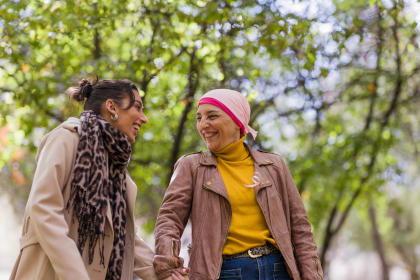
Khi bạn tham gia hoạt động thể chất, não bộ sẽ giải phóng endorphin (hormone tạo cảm giác dễ chịu). Chúng giúp giảm căng thẳng, cải thiện tâm trạng và tăng cường năng lượng.11Một số hoạt động thể chất phù hợp cho bệnh nhân ung thư bao gồm:
- Đi bộ với tốc độ thoải mái
- Yoga hoặc các bài tập giãn cơ nhẹ nhàng
- Tập thể dục nhẹ nhàng tại nhà theo khuyến nghị của bác sĩ.
Không nên tập thể dục quá sức mà chưa tham khảo ý kiến bác sĩ. Luôn chọn các hoạt động phù hợp với mức năng lượng và tình trạng sức khỏe của bạn.
3. Hỗ trợ tinh thần và giao tiếp
Đừng giữ kín những suy nghĩ của mình. Giữ căng thẳng trong lòng thường chỉ làm cho mọi chuyện tồi tệ hơn. Hãy tìm một người bạn hoặc thành viên gia đình và chia sẻ cảm xúc của bạn. Nói về cảm xúc có thể giúp giảm bớt gánh nặng tinh thần đáng kể. Đừng nghĩ rằng bạn cô đơn. Bạn có thể tìm kiếm sự hỗ trợ về mặt tinh thần từ các thành viên gia đình và bạn bè thân thiết, các nhóm hỗ trợ bệnh nhân ung thư và các chuyên gia sức khỏe tâm thần.
4. Giấc ngủ và dinh dưỡng
Bạn cần ngủ đủ giấc và ăn uống đầy đủ để đối phó với căng thẳng do ung thư gây ra. Nếu không ngủ đủ giấc hoặc ăn uống không đúng cách, bạn có thể cảm thấy mệt mỏi hơn, dễ cáu gắt và tâm trạng thất thường. Dưới đây là một số cách hữu ích để giảm căng thẳng:
- Hãy duy trì giờ giấc ngủ đều đặn. Ngủ ít nhất 8 tiếng mỗi ngày. Cố gắng đi ngủ và thức dậy vào cùng một thời điểm mỗi ngày.
- Tạo môi trường ngủ thoải mái và yên tĩnh.
- Hãy duy trì chế độ ăn uống cân bằng và đầy đủ chất dinh dưỡng.
- Hãy uống đủ nước suốt cả ngày.
Nhận hỗ trợ tài chính
5. Thực hành chánh niệm hoặc tâm linh
Bạn có thể tìm thấy sự an ủi sâu sắc và sức mạnh tinh thần thông qua thiền định, cầu nguyện hoặc các thực hành tâm linh khác. Những thực hành này cho phép nhiều bệnh nhân kết nối với nội tâm hoặc sức mạnh tối cao của họ. Cuối cùng, họ tìm thấy sự bình an, hy vọng và chấp nhận. Một số ví dụ về các thực hành đó bao gồm:
- Các bài tập thiền định hoặc chánh niệm: Những hoạt động này có thể giúp bạn thư giãn đầu óc và giảm bớt lo âu.
- Cầu nguyện hoặc các nghi lễ tôn giáo: Một số nghi lễ nhất định có thể giúp bạn tìm thấy sự bình an về tinh thần, sự chấp nhận, sức mạnh và niềm tin vào một mục đích cao cả hơn.
- Ghi nhật ký những suy nghĩ cá nhân: Nếu bạn thấy khó khăn trong việc chia sẻ cảm xúc và suy nghĩ bằng lời nói, hãy thử viết chúng ra. Việc bày tỏ cảm xúc rất hữu ích trong việc giảm bớt gánh nặng tinh thần.
6. Quản lý và lập kế hoạch tài chính
Nhiều người thường bỏ qua điều này, nhưng áp lực tài chính là một nguồn gây lo lắng lớn trong quá trình điều trị ung thư. Bạn có thể cảm thấy choáng ngợp trước những suy nghĩ về chi phí điều trị, chi phí đi lại và thời gian nghỉ việc. Dưới đây là một số bước thiết thực để đối phó với áp lực này:
- Hãy thảo luận về chi phí điều trị với bác sĩ của bạn từ sớm và chuẩn bị sẵn sàng.
- Kiểm tra phạm vi bảo hiểm và các lựa chọn thanh toán.
- Hãy tham khảo ý kiến của nhân viên xã hội hoặc cố vấn tài chính, họ có thể giúp bạn. nhận hỗ trợ tài chính.
- Tìm hiểu các chương trình hỗ trợ bệnh nhân.
Hãy lập một kế hoạch tài chính rõ ràng. Điều này sẽ giúp giảm bớt lo lắng và cho phép bạn tập trung hơn vào việc hồi phục và chăm sóc sức khỏe.
Dòng cuối cùng
Thật không may, căng thẳng là một phần bình thường trong hành trình chống chọi với ung thư. Nhưng tin tốt là bạn không cần phải loại bỏ hoàn toàn căng thẳng để sống tốt. Chỉ cần một bước nhỏ hướng tới giảm căng thẳng cũng sẽ tạo ra sự khác biệt đáng kể trong cuộc sống hàng ngày của bạn. Với sự hỗ trợ đúng đắn, các chiến lược đối phó và chăm sóc y tế, bạn có thể tìm thấy hy vọng, sức mạnh và sự bình an.
TÀI LIỆU THAM KHẢO:
- Tổ chức Y tế Thế giới: WHO. (Ngày 1 tháng 2 năm 2024). Gánh nặng ung thư toàn cầu ngày càng gia tăng, trong bối cảnh nhu cầu về dịch vụ ngày càng cao. Tổ chức Y tế Thế giới. https://www.who.int/news/item/01-02-2024-global-cancer-burden-growing–amidst-mounting-need-for-services
- Căng thẳng. (Ngày 3 tháng 2 năm 2026). https://www.who.int/news-room/questions-and-answers/item/stress
- (PDF) Một trong ba bệnh nhân ung thư đáp ứng các tiêu chí chẩn đoán rối loạn tâm thần: điều đó có nghĩa là gì? (không rõ năm). ResearchGate. https://www.researchgate.net/publication/280536648_One_in_Three_Patients_With_Cancer_Meets_the_Criteria_for_Mental_Disorders_What_Does_That_Mean
- Bệnh nhân ung thư buồng trứng đối mặt với nguy cơ mắc bệnh tâm thần cao hơn | AACR | Thông cáo báo chí. (Ngày 10 tháng 4 năm 2021). Hiệp hội Nghiên cứu Ung thư Hoa Kỳ (AACR). https://www.aacr.org/about-the-aacr/newsroom/news-releases/ovarian-cancer-patients-face-increased-risk-of-mental-illness/?utm_source=copilot.com
- Alotiby, A. (2024). Miễn dịch học của căng thẳng: Bài đánh giá. Tạp chí Y học Lâm sàng, 13(21), 6394. https://doi.org/10.3390/jcm13216394
- Thích nghi với bệnh ung thư: lo lắng và căng thẳng. (Ngày 14 tháng 5 năm 2025). Cancer.gov. https://www.cancer.gov/about-cancer/coping/feelings/anxiety-distress-pdq
- Sàng lọc dấu hiệu căng thẳng ở bệnh nhân ung thư – Premiere Education | Premier Education. (không rõ năm). https://premierece.com/articles/distress-screening-in-cancer-patients-10-signs-to-know
- [email protected]. (20 tháng 1 năm 2026). Quản lý căng thẳng trong quá trình điều trị ung thư – Trung tâm Ung bướu Rocky Mountain. Trung tâm Ung bướu Rocky Mountain. https://rockymountainoncology.com/news/managing-stress-during-cancer-treatment/
- Quản lý căng thẳng trong quá trình điều trị ung thư | Trung tâm Ung thư Icon Indonesia. (Ngày 14 tháng 4 năm 2025). Trung tâm Ung thư Icon Indonesia. https://iconcancercentre.id/en/library/stress-management-during-cancer-treatment/
- Căng thẳng và ung thư. (không rõ năm). Maggie's. https://www.maggies.org/support-information/living-with-cancer/mental-health/stress-cancer/
- Làm thế nào hoạt động thể chất giúp giảm căng thẳng và hỗ trợ sức khỏe tinh thần. (không rõ năm). https://adaa.org/understanding-anxiety/related-illnesses/other-related-conditions/stress/physical-activity-reduces-st