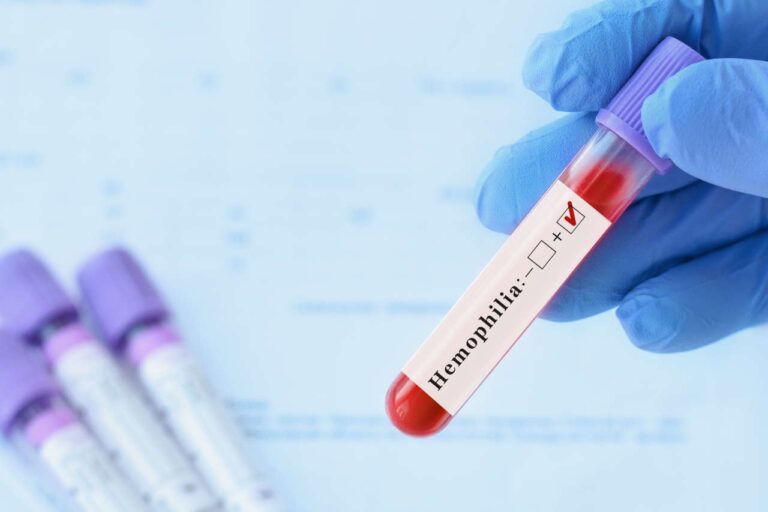




La coagulación es necesaria para detener el sangrado y es esencial para la cicatrización de heridas. Sin embargo, aquellos con hemofilia no son capaces de producir los niveles necesarios de ciertos factores de coagulación y, por tanto, experimentan consecuencias para la salud.
La hemofilia es un trastorno genético poco común en el que la sangre de una persona tiene dificultades para coagularse, lo que provoca dolor y graves problemas de salud.
¿Puede ayudar la IgIV?
Información gratuita sobre el tratamiento con IgIV | ¿Dificultad para diagnosticar?Tipos de hemofilia
Según el Centro para el Control y la Prevención de EnfermedadesLas dos formas más comunes de esta enfermedad son:
- Hemofilia A (hemofilia clásica) en la que una persona tiene niveles insuficientes de factor de coagulación VIII (8)
- Hemofilia B (enfermedad de Christmas) causada por niveles bajos del factor de coagulación IX (9).
Este último es menos común, pero ambas afecciones tienen los mismos síntomas.
¿Cuáles son los síntomas?
Los síntomas de la hemofilia dependen en gran medida de qué tan bajos sean los niveles de factores de coagulación: leves, moderados o graves.
Hemofilia leve
Las personas con hemofilia leve pueden no sangrar con más frecuencia de lo habitual en su vida diaria, pero pueden experimentar sangrados más prolongados de lo normal después de una cirugía, un tratamiento dental, lesiones o cortes profundos. También pueden aparecer hematomas con mayor facilidad que en personas sin hemofilia.
Hemofilia moderada
Las personas con hemofilia moderada pueden experimentar sangrado después de lesiones menores, cirugías o procedimientos dentales, y en ocasiones pueden presentar episodios de sangrado espontáneo, especialmente en articulaciones y músculos. Estos sangrados pueden no ser tan frecuentes como en la hemofilia grave, pero aun así requieren tratamiento inmediato.
Hemofilia grave
Una persona con hemofilia grave tiene mayor probabilidad de sufrir hemorragias internas espontáneas, especialmente en las articulaciones y los músculos. Estas hemorragias pueden causar hinchazón, calor, hematomas y dolor intenso, y con el tiempo pueden provocar daño articular crónico si no se tratan rápidamente. Las personas con hemofilia también pueden experimentar hemorragias nasales frecuentes, sangrado prolongado por cortes y, en ocasiones, sangre en la orina o las heces.
¿Quién está en riesgo y cómo hacerse la prueba?
La hemofilia suele estar causada por un cambio (mutación) en un gen que proporciona instrucciones para la producción de factor de coagulación. Generalmente se hereda y está presente al nacer. Dado que el gen se encuentra en el cromosoma X, la hemofilia es más común en varones. Las mujeres portadoras del gen pueden ser "portadoras", pero muchas también presentan niveles bajos de factor de coagulación y pueden experimentar síntomas similares a los de la hemofilia leve, como sangrado menstrual abundante o propensión a la formación de hematomas.
Si tiene antecedentes familiares de hemofilia, incluyendo mujeres portadoras, es importante consultar con su médico sobre las pruebas. La hemofilia se diagnostica mediante análisis de sangre que miden los niveles de factores de coagulación y la función de coagulación general. En algunos casos, se pueden recomendar pruebas genéticas para confirmar el diagnóstico o identificar portadores en la familia.
Opciones de tratamiento para la hemofilia
Después de ser diagnosticado con hemofilia, es importante comenzar el tratamiento adecuado lo antes posible.
Obtenga asistencia para el copago de IgIV
Información sobre su tratamiento con IgIV | Obtenga autorización previa para IgIV- Tratamiento a demanda: Las personas con hemofilia leve podrían necesitar tratamiento solo cuando se produce una hemorragia. Este suele consistir en la infusión del factor de coagulación faltante para detener la hemorragia activa y prevenir complicaciones.
- Tratamiento profiláctico (preventivo): Las personas con hemofilia moderada a grave suelen recibir tratamiento profiláctico regular, que consiste en la infusión de factor de coagulación según un programa (por ejemplo, varias veces por semana) para mantener los niveles lo suficientemente altos como para reducir o prevenir las hemorragias espontáneas. Este enfoque ayuda a proteger las articulaciones y mejora la calidad de vida a largo plazo.
Manejo del dolor
Es posible que se necesiten analgésicos para aliviar las molestias causadas por hemorragias articulares o musculares. Sin embargo, algunos medicamentos, como la aspirina y muchos otros... medicamentos antiinflamatorios no esteroides (AINE) —pueden afectar la función plaquetaria y aumentar el riesgo de sangrado. Los pacientes solo deben usar analgésicos considerados seguros para personas con trastornos hemorrágicos y siempre deben consultar a su médico o centro de tratamiento de hemofilia antes de tomar cualquier medicamento nuevo.
Inhibidores: Cuando el cuerpo rechaza el tratamiento
Aproximadamente entre el 15% y el 20% de las personas con hemofilia A y un porcentaje menor con hemofilia B desarrollan inhibidores—anticuerpos que el sistema inmunitario forma contra el factor de coagulación infundido. Estos inhibidores impiden que el tratamiento sea eficaz porque el cuerpo "rechaza" el factor suplementario. Cuando se desarrollan inhibidores, los pacientes suelen necesitar tratamientos alternativos o especializados, que pueden ser más complejos y costosos. La monitorización estrecha por parte de un hematólogo o un centro de tratamiento de hemofilia es esencial para controlar los inhibidores y ajustar la terapia.
Conclusión
En los últimos años, el tratamiento para la hemofilia se ha vuelto mucho más eficaz, lo que permite a muchas personas con esta afección llevar una vida sana, activa y productiva. La clave es buscar tratamiento temprano, seguir un plan de atención personalizado y colaborar estrechamente con especialistas para controlar los síntomas y prevenir complicaciones. Consulte con su médico sobre la posibilidad de colaborar con... Cuidado especializado AmeriPharma® Para ayudarle a controlar la hemofilia. Nuestros farmacéuticos dedicados están disponibles las 24 horas, los 7 días de la semana, los 365 días del año para responder a sus preguntas, coordinar su medicación y apoyarle durante todo su tratamiento.